This post contains affiliate links. If you book or buy through them, we may earn a small commission at no extra cost to you.
Written from Taiwan, last updated June 2026
Top Attractions in Taipei
Tap a landmark for its full 2026 guide — tickets, hours and how to get there.
Top Attractions in Taipei
Tap a landmark for its full 2026 guide — tickets, hours and how to get there.
Book Tours & Activities in Taipei
Taipei is one of those cities that quietly wins people over. It does not shout the way some Asian capitals do; instead it serves up world-class street food, a subway so clean and easy it spoils you for everywhere else, mountains and hot springs within the city limits, and some of the friendliest locals you will meet anywhere. It is compact, affordable, and refreshingly low-stress for a first big-Asia trip.
Most of the marquee sights sit inside the city or a short ride beyond it, so you can pack a lot into a few days without ever feeling rushed. Three days is the sweet spot for a first visit. Here is how to use them.
Please read before you book: Prices below were checked on 16 July 2026 from official and booking sources. Admission fees and fares change over time — treat these as a planning baseline and confirm the live price on the official site or the booking widget below before you go.
| Item | Price (adult) | Notes | Checked / source |
|---|---|---|---|
| Taipei 101 Observatory (88F/89F) | NT$600 (≈ $19) | Adult general ticket; concession NT$540. +NT$380 add-on for the 101F outdoor deck. | Jul 2026 · taipei-101.com.tw (official) |
| Elephant Mountain hike | Free | ~20-minute climb to the classic Taipei 101 skyline view. | Jul 2026 |
| Shifen sky lantern (single colour) | ≈ NT$200 (≈ $6.2) | Set by individual shops on Shifen Old Street; multi-colour lanterns run higher (~NT$250–350). | Jul 2026 · typical vendor pricing |
Taipei 101 and the View From the Top
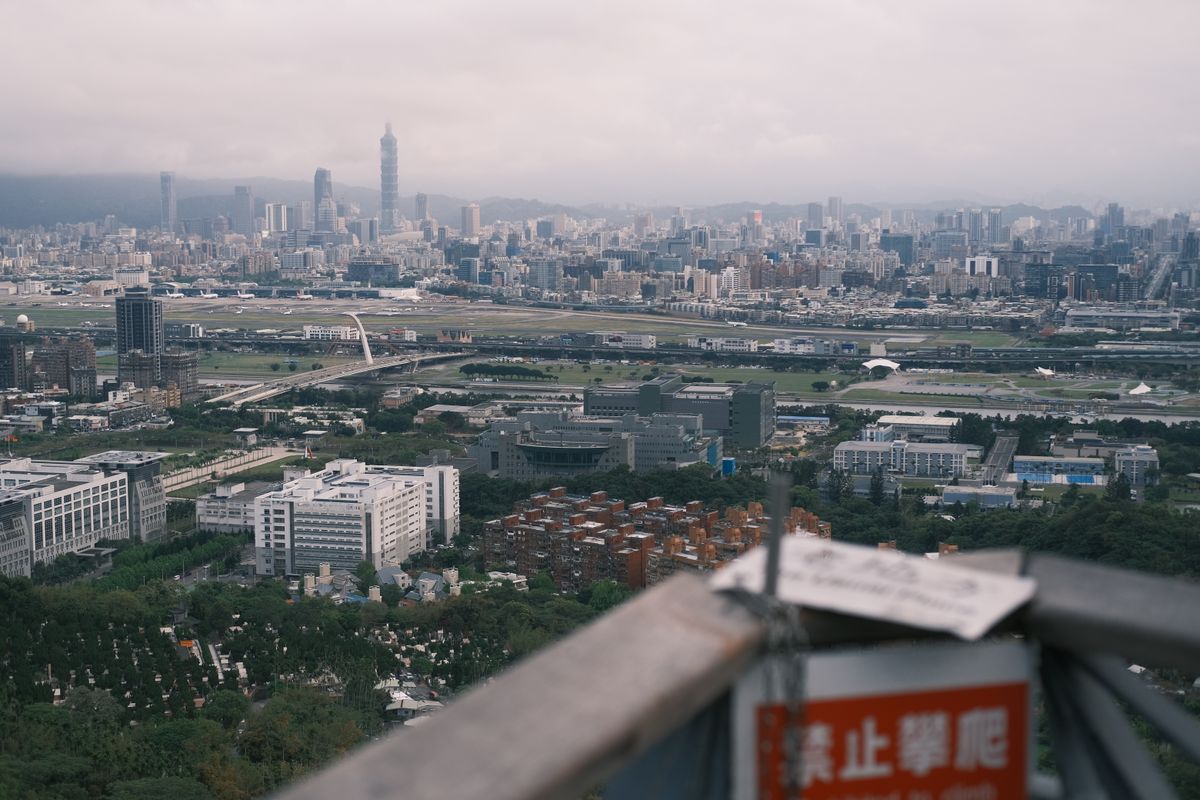
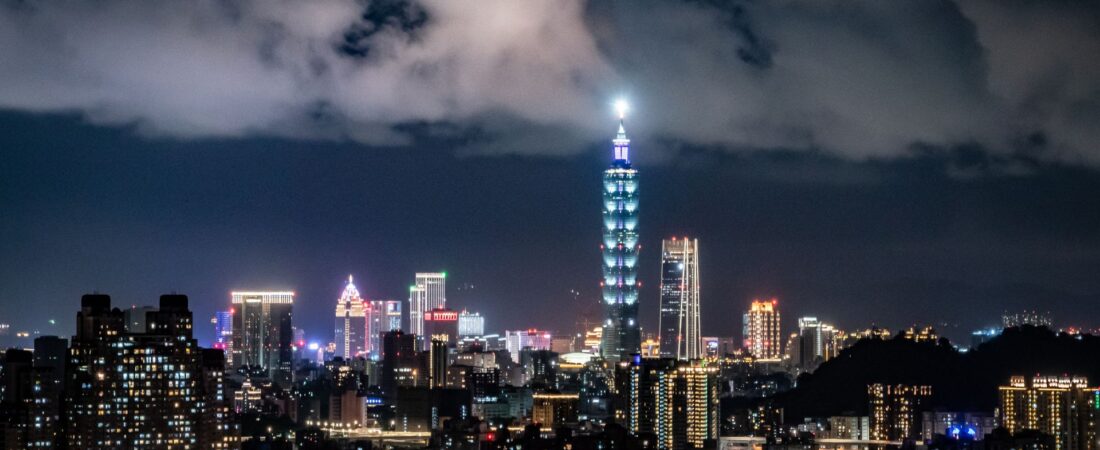
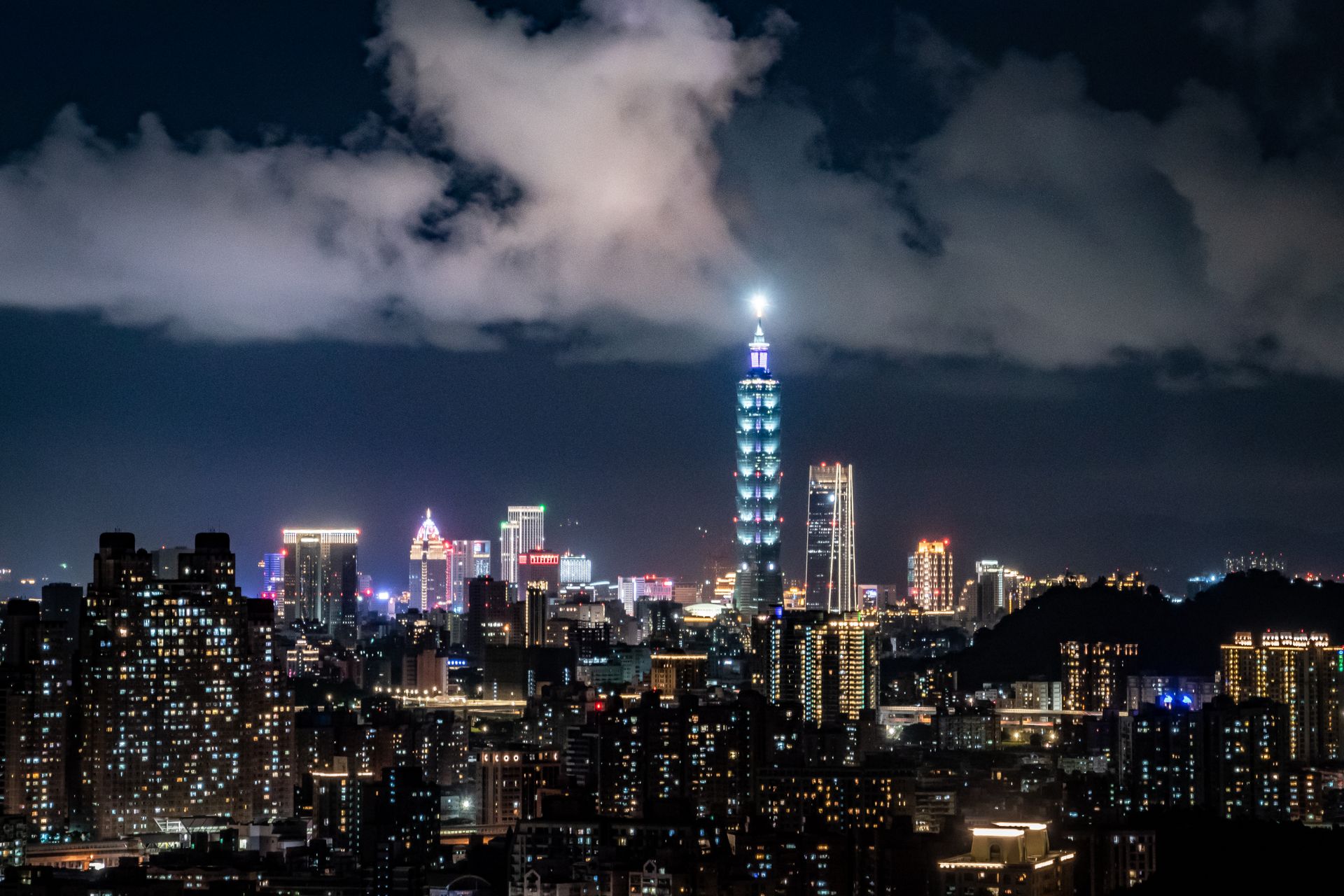
Start with the icon. Taipei 101 was the tallest building in the world when it opened, and its observatory on the 89th floor still delivers a 360-degree sweep across the city to the mountains beyond. Time your visit for late afternoon so you catch the city in daylight and then watch it light up after sunset, all from one ticket. The base of the tower holds an upscale mall and a food court that is a destination in its own right.
For a free alternative view, hike the nearby Elephant Mountain trail, a steep twenty-minute climb up stone steps to the postcard shot of Taipei 101 rising over the skyline. It is the photo everyone comes home with, and it costs nothing.
Eat at the Night Markets
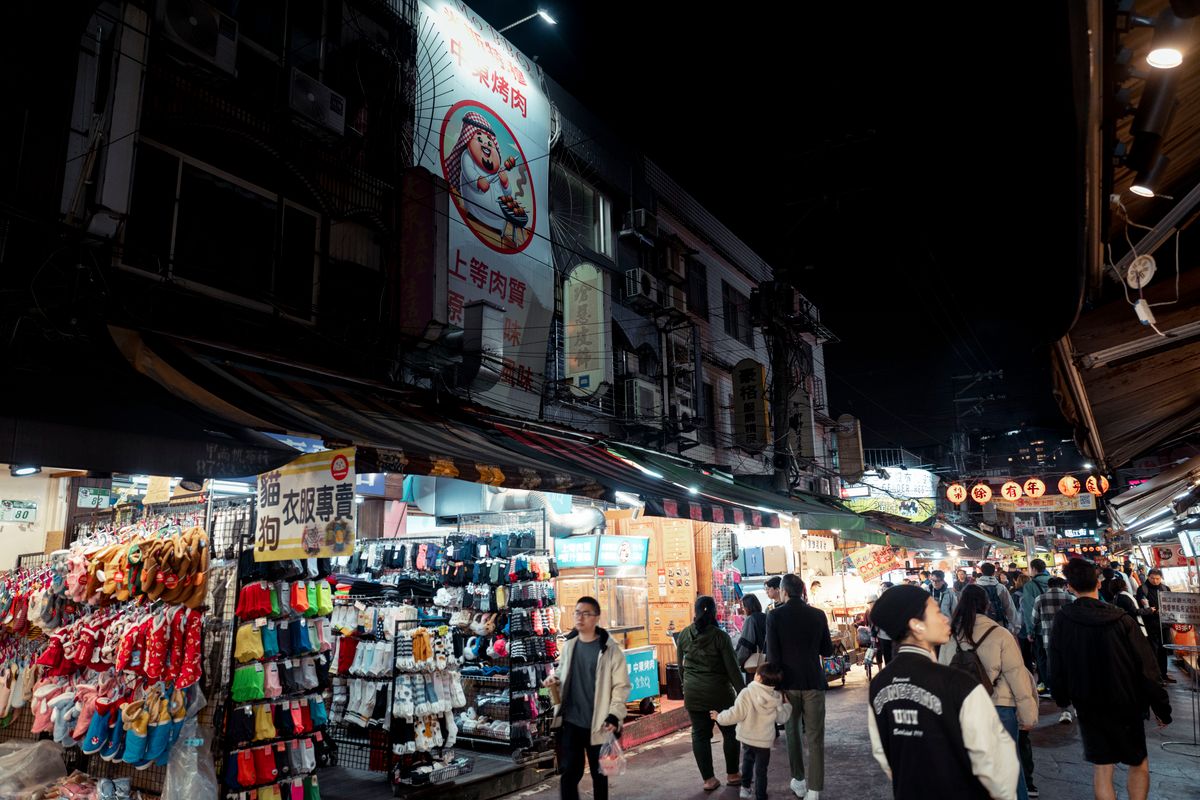
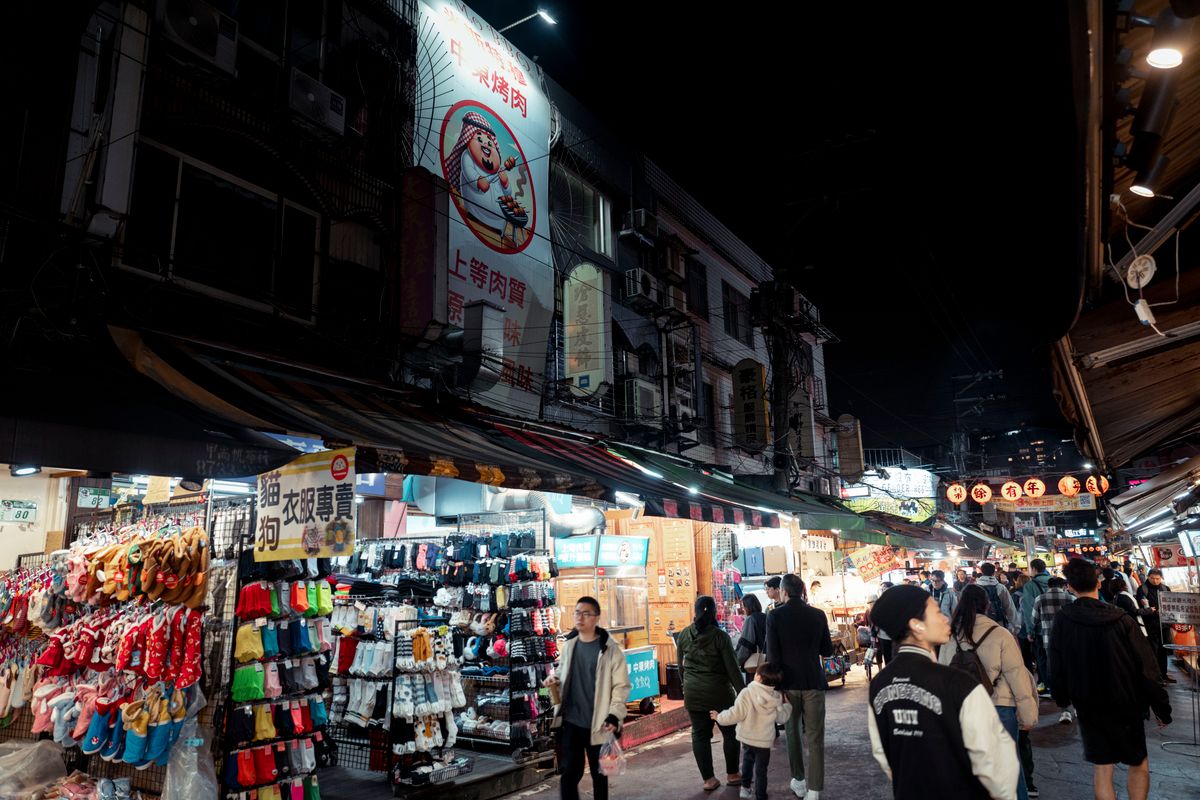
You cannot understand Taipei without a night market, and the city is full of them. Shilin Night Market is the biggest and most famous, a sprawling maze of food stalls and shopping that gets going around five in the evening; come early to beat the crush. For something more local and food-focused, Raohe Street Night Market is more compact and many regulars rate its eating higher, with the black-pepper buns by the entrance worth the queue.
Order widely and share: pan-fried bao, oyster omelets, stinky tofu if you are brave, bubble tea where it was arguably invented, and a shaved-ice mountain for dessert. Bring cash and an empty stomach.
Jiufen: Lanterns in the Hills
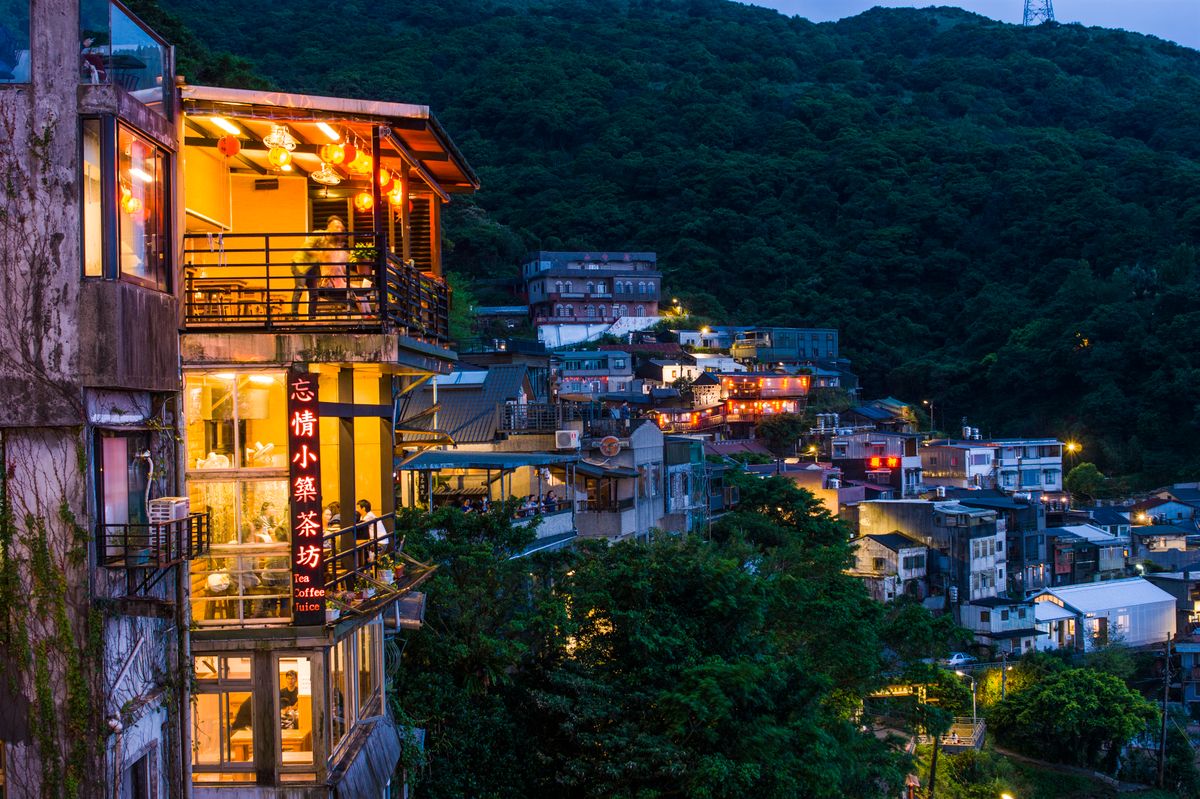
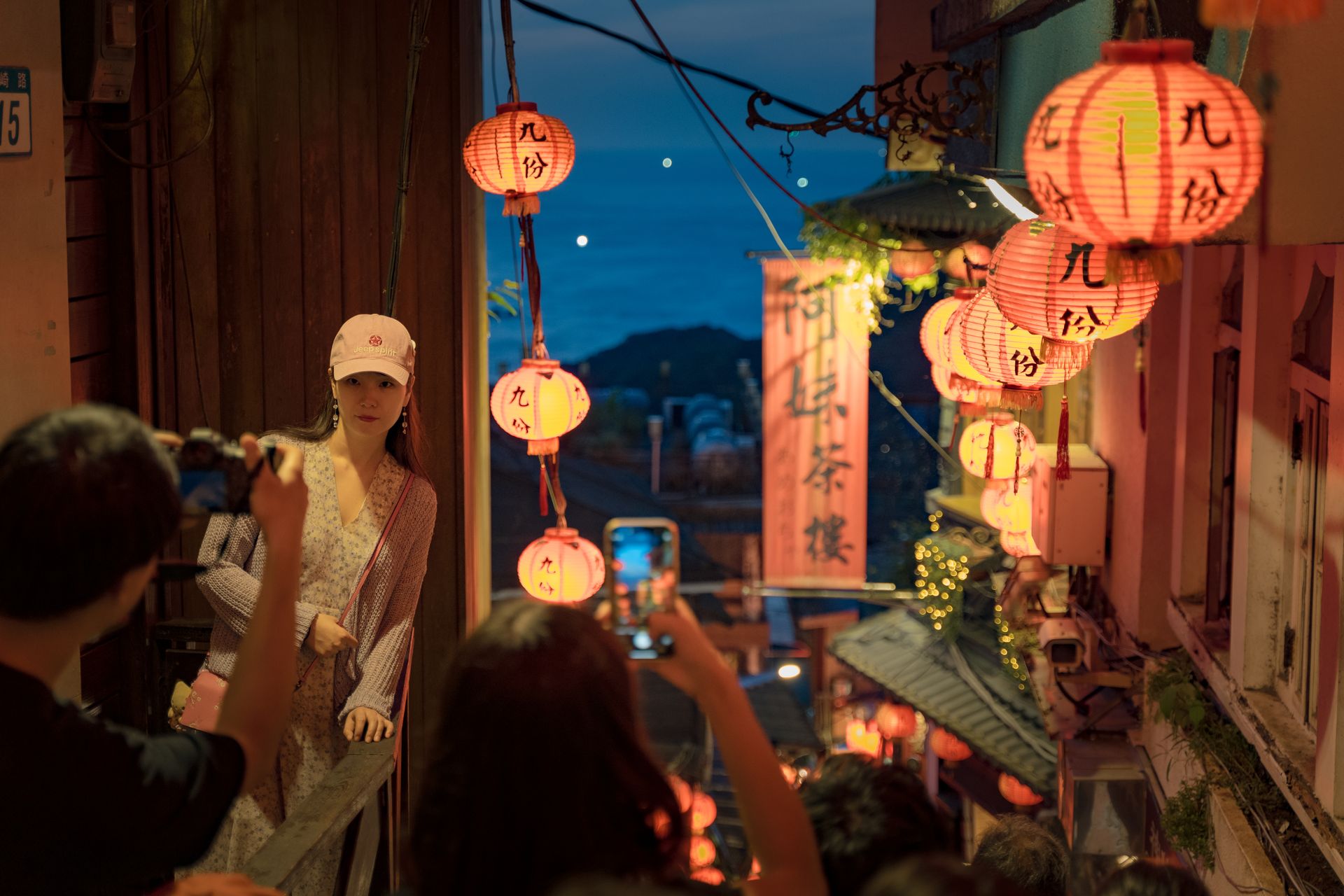
The most popular day trip from Taipei, and a worthy one, is Jiufen, an old gold-mining village in the hills northeast of the city. Its steep, narrow lanes are strung with red lanterns and lined with teahouses and food stalls, and the views tumble down to the coast. It is widely said to have inspired the look of a famous animated film, and at dusk, with the lanterns lit, you can see why.
The catch is crowds: the Old Street gets packed midday. Go early in the morning, or stay until the tour buses leave around late afternoon, and the village transforms. Pair it with nearby Shifen, where you can release a paper sky lantern on the old railway tracks and visit a wide waterfall.
Temples, Culture, and Hot Springs
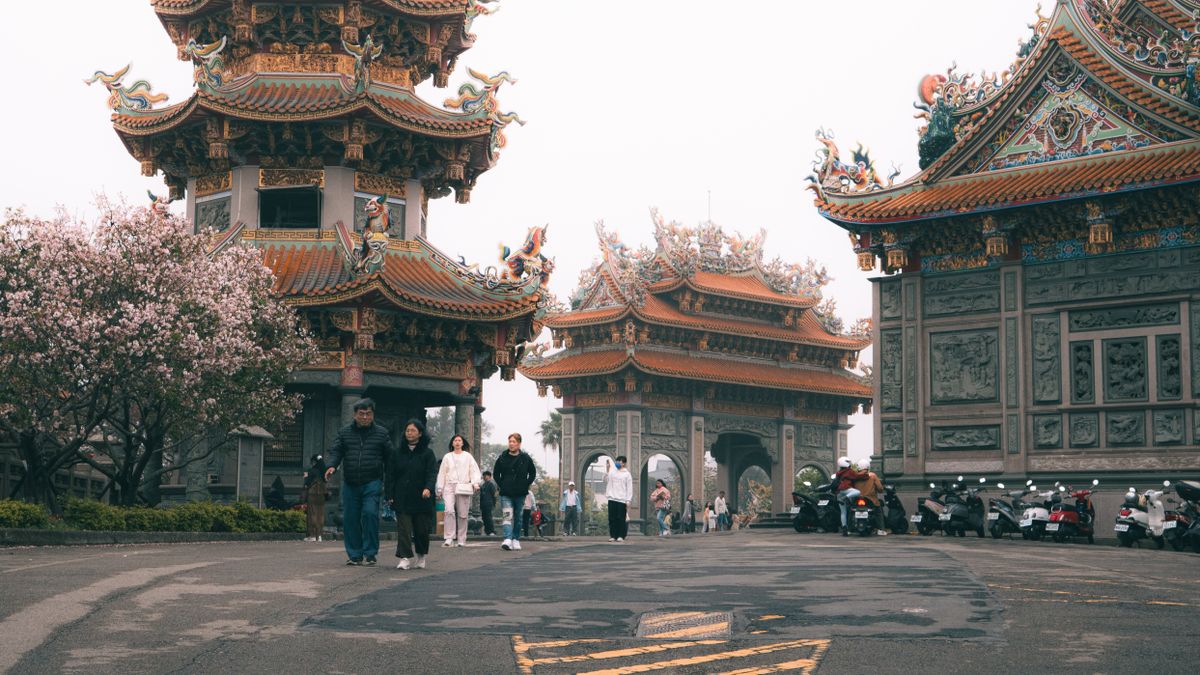
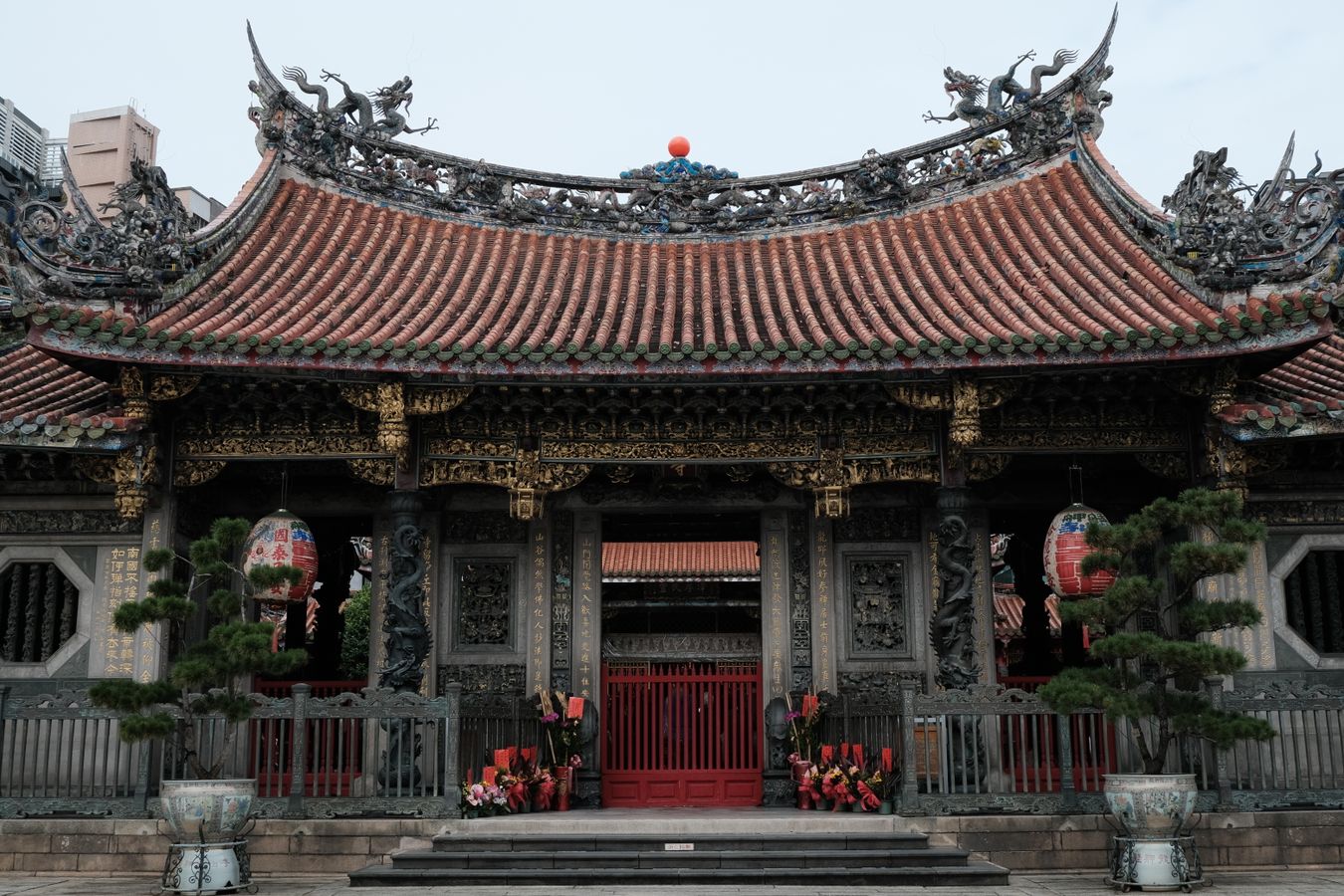
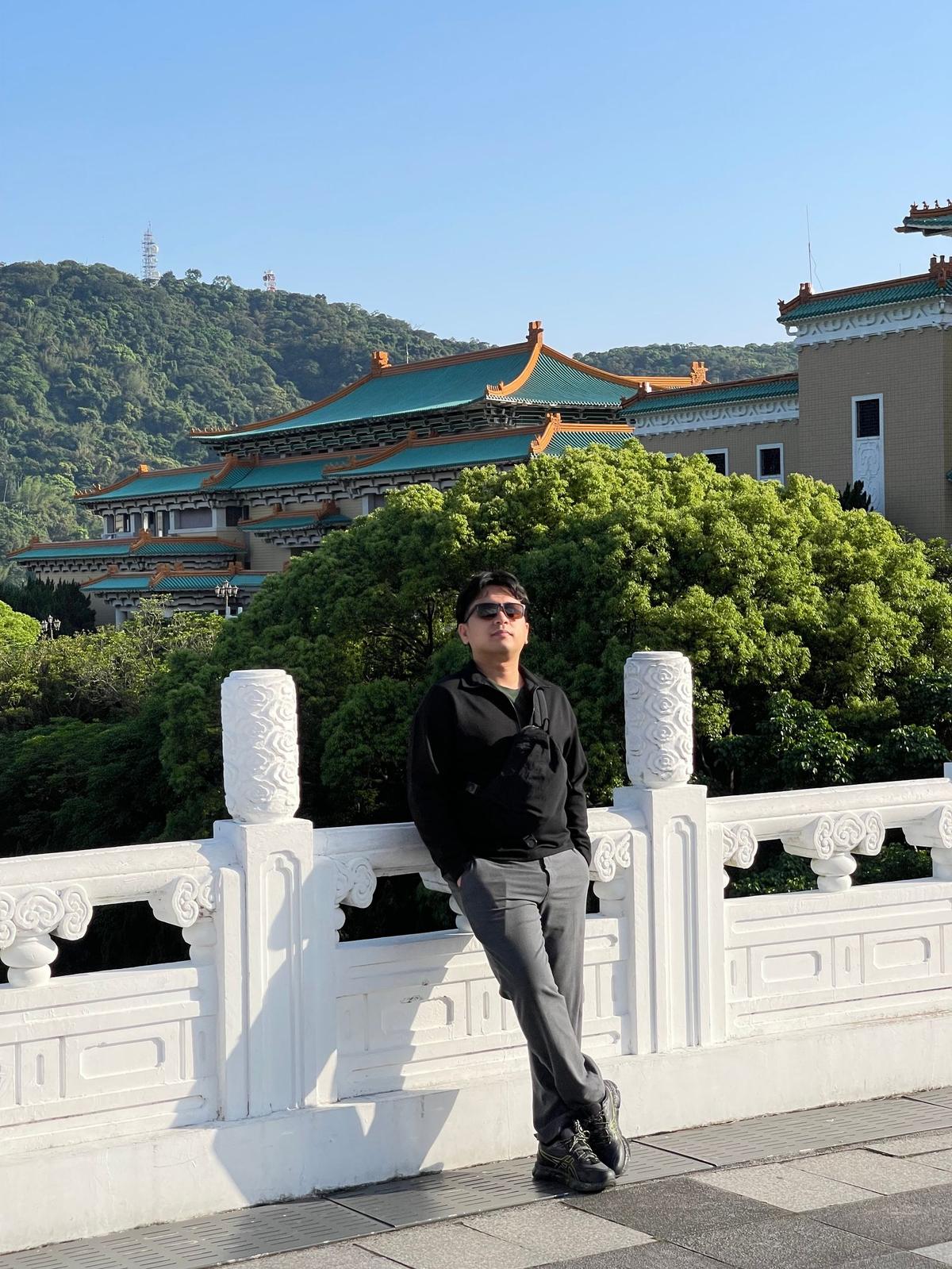
Back in the city, Longshan Temple is Taipei’s most atmospheric place of worship, a richly decorated temple thick with incense where locals come to pray; it is busiest and most beautiful in the early evening. The Chiang Kai-shek Memorial Hall anchors a grand plaza with a changing-of-the-guard ceremony, and the National Palace Museum holds one of the world’s great collections of Chinese imperial art, well worth a half day.
When your feet give out, Taipei has a trick few capitals can match: the Beitou hot springs district, a short metro ride north, where you can soak in mineral waters at the foot of the mountains. There are grand public bathhouses, a beautiful old wooden hot-spring museum, and private rooms you can book by the hour, making it the perfect reward after a long day of walking. The whole city sits beside Yangmingshan National Park, all volcanic peaks and steaming vents, if you want a half-day in nature.
It is worth pausing on just how easy Taipei makes all of this. The same EasyCard gets you from a downtown temple to a mountain hot spring in under an hour; the streets are clean and safe at any hour; and wherever you end up, a bowl of something hot and cheap is rarely more than a few steps away. That low-friction quality is exactly why so many people pick Taipei as their first taste of Asia and leave determined to see the rest of the island.
A quick local note: Taipei weather turns on a dime, with sudden showers common even in fair seasons, so a packable rain layer in your day bag saves a soggy afternoon at the night market.
More Taipei: Tea, Trips, and a Bit of Everything
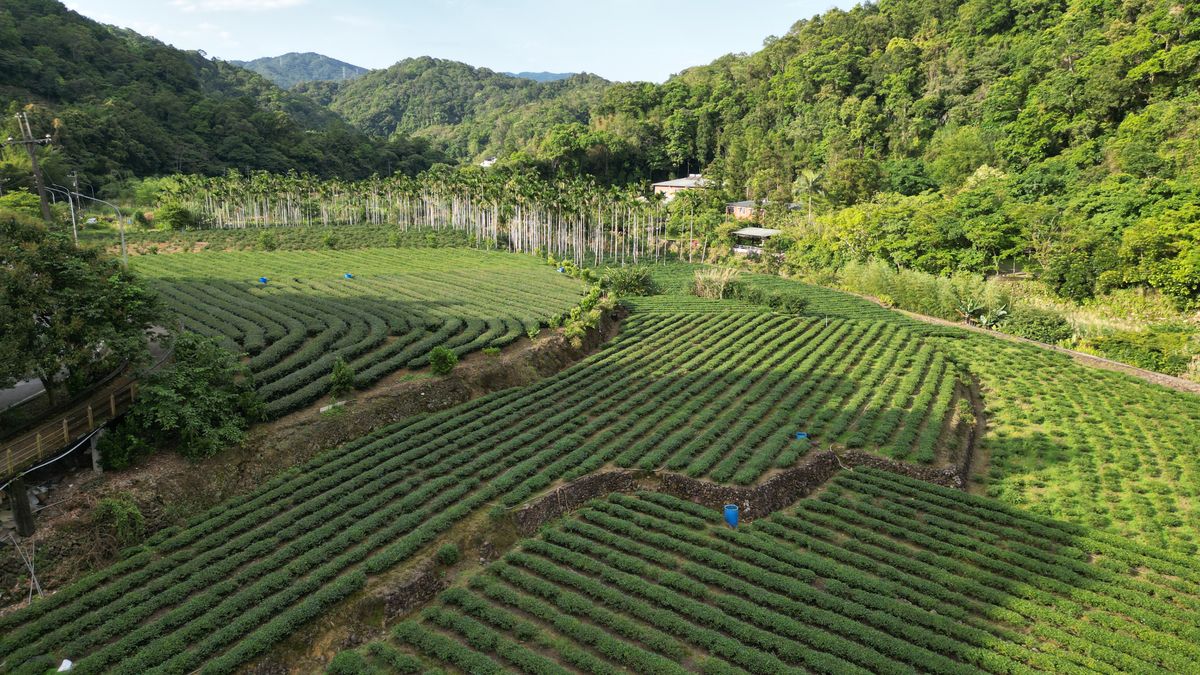
Taipei has a knack for tucking a different kind of day just past the last metro stop. Ride the Maokong Gondola from the city zoo up into the hills and you land in tea country, a cluster of hillside teahouses where you can sip oolong with the city spread out below; it is one of the most relaxing afternoons in Taipei and an easy half-day. The Dadaocheng and Dihua Street area, meanwhile, is the historic trading quarter, all restored shophouses, dried-goods merchants, and a new wave of cafes and design shops, best explored on foot.
Further out, the island makes day trips simple. The seaside town of Tamsui at the end of its own MRT line is a classic sunset-and-street-food outing, while a longer push gets you to the dramatic Yehliu rock formations on the north coast. With more time, Taiwan’s high-speed rail can have you in Taichung or even the southern city of Kaohsiung in a couple of hours, though most first-timers happily fill three or four days in Taipei alone.
Above all, pace yourself around the food. Beyond the night markets, seek out a bowl of beef noodle soup, the unofficial national dish, a basket of soup dumplings at one of the famous dumpling houses, and a proper Taiwanese breakfast of soy milk and egg crepes. Eating well here costs very little and is half the reason people fall for the place.
Where to Stay in Taipei
Taipei’s MRT makes almost anywhere convenient, so pick the area whose vibe suits you and stay near a station. Three stand out for first-timers.
Ximending is the lively, youthful pedestrian district, often called the Times Square of Taipei, packed with shops, street food, and cinemas, and very walkable. It is well connected, affordable, and great if you want energy and nightlife on your doorstep.
Zhongshan is central, polished, and beautifully connected, with leafy streets, department stores, cafes, and an easy ride to the main station and the airport line. It is a comfortable, well-rounded base for a first visit.
Da’an is the upscale, leafy district around Daan Forest Park, full of good restaurants, coffee shops, and a more residential calm, while still being a quick MRT hop from Taipei 101. It suits travelers who want a quieter, more local-feeling stay.
Rooms are good value by regional standards, but book ahead around Lunar New Year and the busy autumn travel season.
Getting Around Taipei
Get an EasyCard the minute you land, from any MRT station, convenience store, or the airport. You tap it on the MRT, which is clean, cheap, frequent, and fully signed in English, and on the city buses, and you can even use it to pay at convenience stores. The MRT reaches most major sights, and the airport MRT line connects Taoyuan Airport to the city center directly.
For Jiufen, Shifen, and the coast, a mix of train and bus gets you there cheaply, or a half-day tour bundles them together if you would rather not piece it together yourself.
Practical Tips for First-Timers
Taipei is one of the easiest cities to travel in, but a few notes help. Carry some cash, as night-market stalls and small eateries are cash-only, though convenience stores (there is one on nearly every corner) have ATMs that take foreign cards and sell almost anything you might forget. A local SIM or eSIM is cheap and keeps your maps and translation handy, though free wi-fi is widespread.
The city is exceptionally safe and famously friendly; lose your way and someone will often walk you to where you need to go. Tipping is not expected. Two small etiquette points: eating and drinking are not allowed inside MRT stations or trains, and queuing is taken seriously, so line up rather than crowd. Pack for sudden rain year-round and for real heat and humidity in summer, when an umbrella doubles as sun shade the way locals use it.
A Sample 3-Day Plan
- Day 1: Chiang Kai-shek Memorial Hall and Longshan Temple, then Ximending, and an evening at Raohe or Shilin Night Market.
- Day 2: Taipei 101 and the observatory, Elephant Mountain at sunset, and a soak in the Beitou hot springs after dark.
- Day 3: Day trip to Jiufen and Shifen, releasing a sky lantern, back for a final bowl of beef noodle soup in the city.
Frequently Asked Questions
How many days do you need in Taipei?
Three days covers the city’s highlights, two or three night markets, and a Jiufen day trip. A fourth lets you add Yangmingshan or a slower pace.
Is Taipei expensive?
No, it is one of the better-value capitals in the region. Night-market meals, MRT rides, and mid-range hotels are all reasonable, which is part of why it is such a comfortable first trip.
What is the best time to visit Taipei?
Autumn (October to November) and spring (March to April) are the most pleasant, with mild, drier weather. Summer is hot, humid, and prone to typhoons; winter is mild but can be grey and wet.
Do I need to speak Mandarin?
No. The MRT and major attractions are signed in English, younger locals often speak some English, and Taiwanese hospitality fills in the rest. A few words of Mandarin are warmly received.
Final Word
Taipei is the easy, generous introduction to East Asia: a city where the food is the main event, the trains never let you down, and the mountains and hot springs are a short ride from your hotel. Base yourself near an MRT station, pace your days around the night markets, and give yourself one slow morning in Jiufen before the crowds. You will leave plotting how to come back for the rest of Taiwan.
Exploring more of the island? See our Taiwan first-timer travel tips and our guide to the best things to do in Kaohsiung in the sunny south.
This post contains affiliate links. If you book or buy through them, we may earn a small commission at no extra cost to you.
Related Guides
- Best Things to Do in Chiayi
- Best Things to Do in Penghu
- Best Things to Do in Keelung
- How to Ride Taiwan's High-Speed Rail
- How to Use the EasyCard in Taiwan
Related Guides
- How to Use the EasyCard in Taiwan
- How to Ride Taiwan's High-Speed Rail
- Best Things to Do in Yilan
- Best Things to Do in Keelung
- Best Things to Do in Penghu
🎟️ Book Tours, Activities & Food Experiences
Search and book top attractions, tours and food experiences on Klook — official best price, instant confirmation.
Klook.com