Last updated: August 7, 2026. Disclosure: This post contains affiliate links. We may earn a small commission if you book through them, at no extra cost to you. Hours and prices can change — always confirm the current price on the official source before you visit or book.
Luxor is often called the world’s greatest open-air museum, and it is not an exaggeration. This single city on the banks of the Nile holds roughly a third of the planet’s ancient monuments: the vast pillared halls of Karnak, the painted royal tombs of the Valley of the Kings, the terraced cliffs of Hatshepsut’s temple, and the colonnaded riverside Luxor Temple that glows at night. Add a sunrise hot air balloon ride over it all, and Luxor earns its place as the highlight of almost any first trip to Egypt.
This is our first guide to Egypt on Trip My Journey, and Luxor is the natural place to start. Below you will find the latest official ticket prices, how to get from Luxor International Airport (LXR) into the city, and a full walkthrough of the temples, tombs, and tours worth building your itinerary around — plus the Klook tours and transfers you can book online before you land.
Quick Cost Overview (Luxor 2026)
Please read before you book: Prices below are the official foreign-visitor rates published by Egypt’s Ministry of Tourism and Antiquities, checked on August 7, 2026. Entry fees, hours, and payment rules change without much notice — confirm the live price before you go. Note: most Luxor sites are now card-only; cash is not accepted at the gate.
| Site / Experience | Price (EGP) | Price (USD) | Checked / source |
|---|---|---|---|
| Karnak Temple Complex | 600 EGP (student 300) | ≈ $12 (student ≈ $6.0) | mota.gov.eg official price list · Aug 2026 |
| Luxor Temple | 500 EGP (student 250) | ≈ $10 (student ≈ $5.0) | mota.gov.eg official price list · Aug 2026 |
| Valley of the Kings (general ticket, 3 open tombs) | 750 EGP (student 375) | ≈ $15 (student ≈ $7.5) | mota.gov.eg official price list · Aug 2026 |
| + Tomb of Tutankhamun (KV62) add-on | 700 EGP (student 350) | ≈ $14 (student ≈ $7.0) | mota.gov.eg official price list · Aug 2026 |
| + Tomb of Seti I (KV17) add-on | 2,000 EGP | ≈ $40 | mota.gov.eg official price list · Aug 2026 |
| Temple of Hatshepsut (Deir el-Bahari) | 440 EGP (student 220) | ≈ $8.8 (student ≈ $4.4) | mota.gov.eg official price list · Aug 2026 |
| Colossi of Memnon | Free — viewable from the roadside | Free | mota.gov.eg official price list · Aug 2026 |
| Luxor Museum | 400 EGP (student 200) | ≈ $8.0 (student ≈ $4.0) | mota.gov.eg official price list · Aug 2026 |
| Hot air balloon ride (shared basket, ~45 min) | roughly $60–150 per person | varies by operator/season | operator listings · checked Aug 2026 |
| Luxor Airport (LXR) → city center, taxi | 150–300 EGP | ≈ $3.0–$6.0 | airport taxi guides · checked Aug 2026 |
| Luxor Airport (LXR) → hotel, private Klook transfer | book online, price shown at checkout | check live price | Klook listing · checked Aug 2026 |
Book Luxor Tours & Activities
Hand-picked Luxor experiences you can book online — skip-the-line temple tickets, the Valley of the Kings with an Egyptologist guide, and the classic sunrise hot air balloon ride:
Getting from Luxor Airport (LXR) to the City
Luxor International Airport (LXR) sits about 9 km (15 minutes) northeast of downtown Luxor and the Nile-side hotel strip. There is no train or metro link, so your options are a taxi, a private transfer, or a hotel pickup.
Taxi: Official and informal taxis wait outside arrivals. A ride into town or to an East Bank hotel typically runs 150–300 EGP (≈ $3.0–$6.0), though drivers who skip the meter will often quote a flat fare — agree on the price before you get in, and push back if you are quoted much more than 300 EGP.
Private transfer: Booking an air-conditioned private transfer in advance means a driver holding a sign with your name waits at arrivals, with a fixed price and no haggling — useful after a long flight or on your first Egypt trip. Luxor also has a dedicated airport-transfer product on Klook (search widget below).
Luxor’s Must-See Sights at a Glance
Jump straight to any sight below — each card links to the full section with prices, hours, and tips:
Karnak Temple Complex
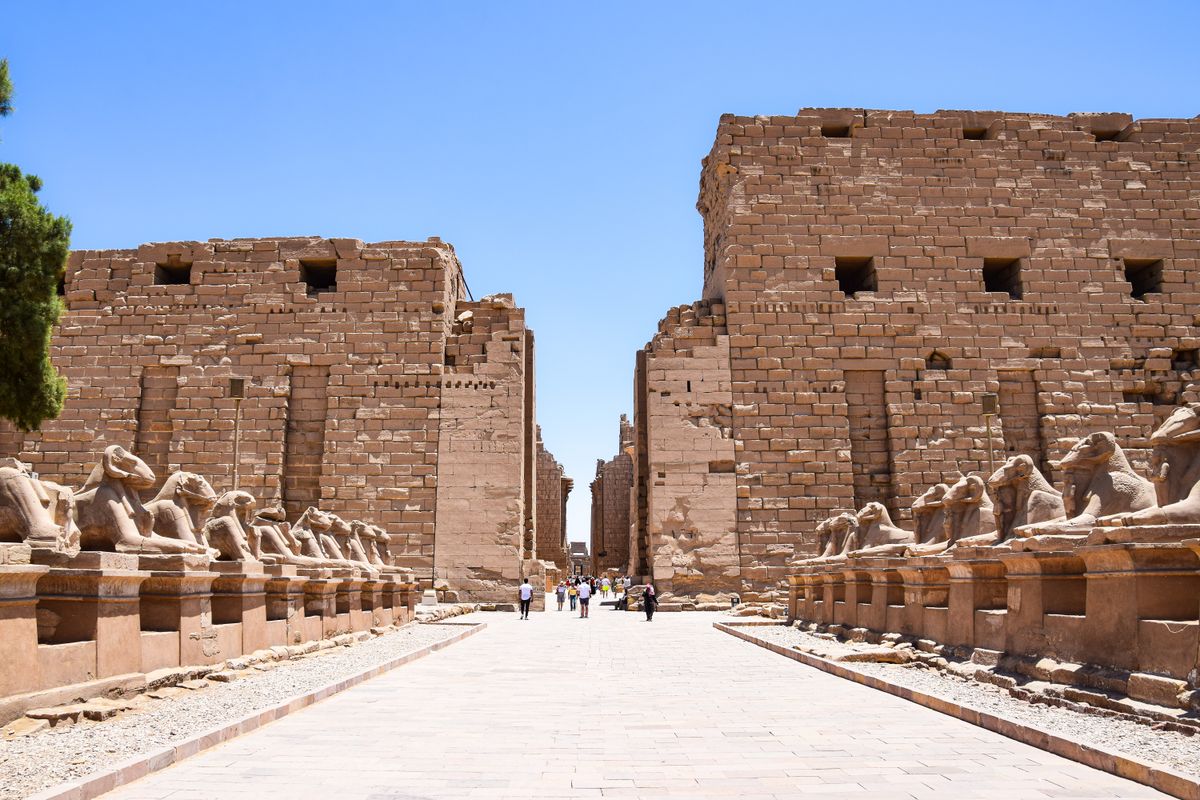
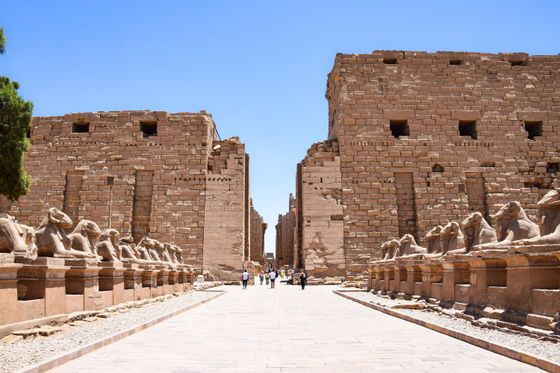
Karnak is the largest religious complex ever built, a 2,000-year construction project by successive pharaohs that grew into a small city of temples, pylons, obelisks, and sacred lakes. The showstopper is the Great Hypostyle Hall: 134 giant sandstone columns, some over 21 meters tall, packed so densely that walking among them at sunrise is genuinely overwhelming. Budget at least two to three hours, and arrive at opening (6:00 AM) to beat both the heat and the tour-bus crowds.
Admission is 600 EGP (≈ $12) for foreign adults, 300 EGP (≈ $6.0) for foreign students with a valid ISIC card (official rate, checked August 2026). A combined ticket also covers the short Avenue of Sphinxes walk connecting Karnak to Luxor Temple. Karnak also hosts an evening Sound and Light Show, ticketed separately — check current showtimes locally, as schedules shift seasonally.
Luxor Temple
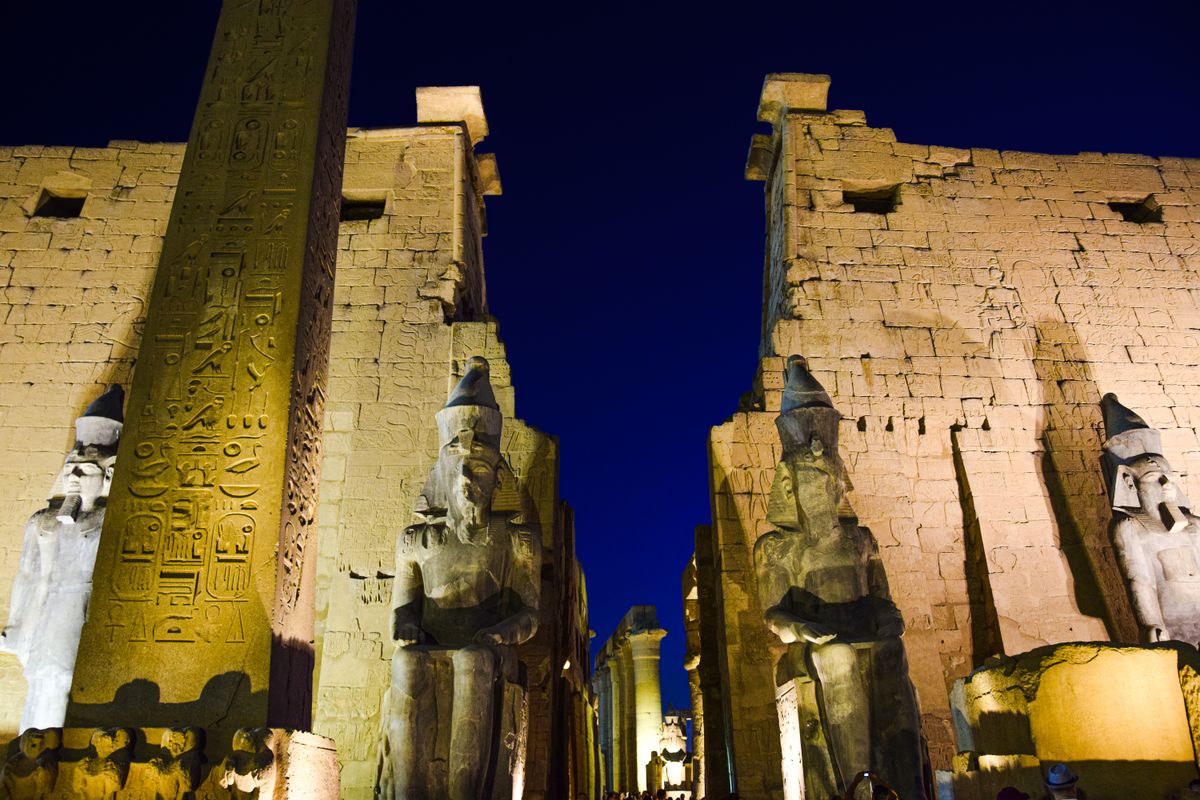
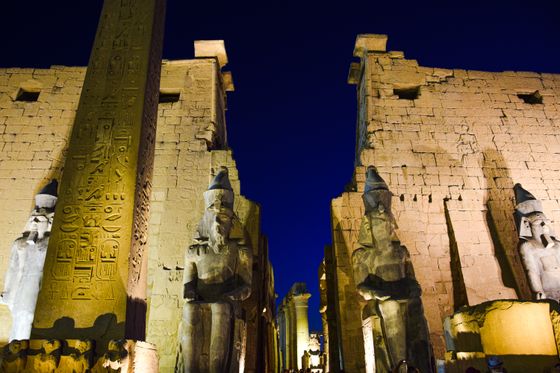
Smaller than Karnak but arguably more atmospheric, Luxor Temple sits right on the Nile Corniche in the heart of downtown and stays open until 8:00 PM — making a floodlit evening visit one of the best things to do in the city. Ramses II’s colossal seated statues guard the entrance pylon, and a lone pink-granite obelisk marks where its twin once stood before being gifted to France (it now stands in Paris’s Place de la Concorde).
Entry is 500 EGP (≈ $10) for foreign adults, 250 EGP (≈ $5.0) for foreign students (official rate, checked August 2026). Pair it with a sunset walk along the Corniche, and look for the still-active mosque of Abu al-Haggag built directly into the temple’s ruins — a rare snapshot of Luxor’s layered history.
Valley of the Kings
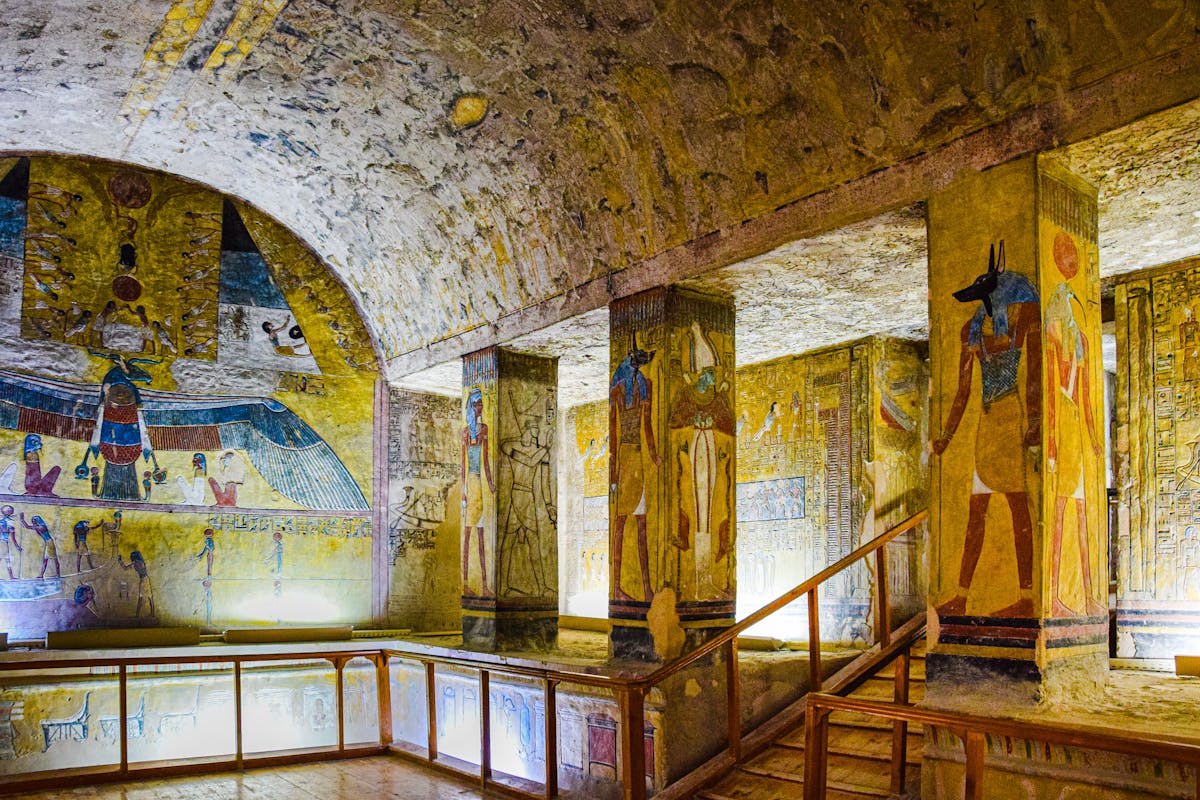
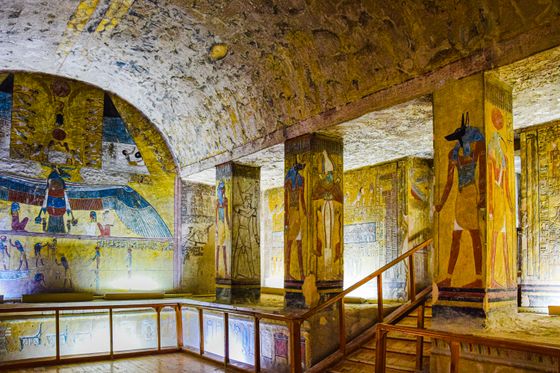
On the West Bank, hidden in a dry desert canyon, the Valley of the Kings holds 64 known tombs of New Kingdom pharaohs, cut deep into the rock and decorated with some of the best-preserved painted reliefs in Egypt. The general admission ticket lets you enter any three tombs from the open rotation (rotated periodically to protect the paintings from humidity) — the most famous “big name” tombs, like Tutankhamun’s and Seti I’s, require separate add-on tickets.
The general ticket is 750 EGP (≈ $15) for foreign adults, 375 EGP (≈ $7.5) for foreign students. Tutankhamun’s tomb (KV62) adds 700 EGP (≈ $14); Seti I’s tomb (KV17), the largest and most elaborately decorated, adds 2,000 EGP (≈ $40) (official rates, checked August 2026). Photography inside tombs generally requires an extra camera permit — confirm current rules at the ticket office. Almost all Luxor sites are card-only now, so bring a debit or credit card rather than cash.
Temple of Hatshepsut
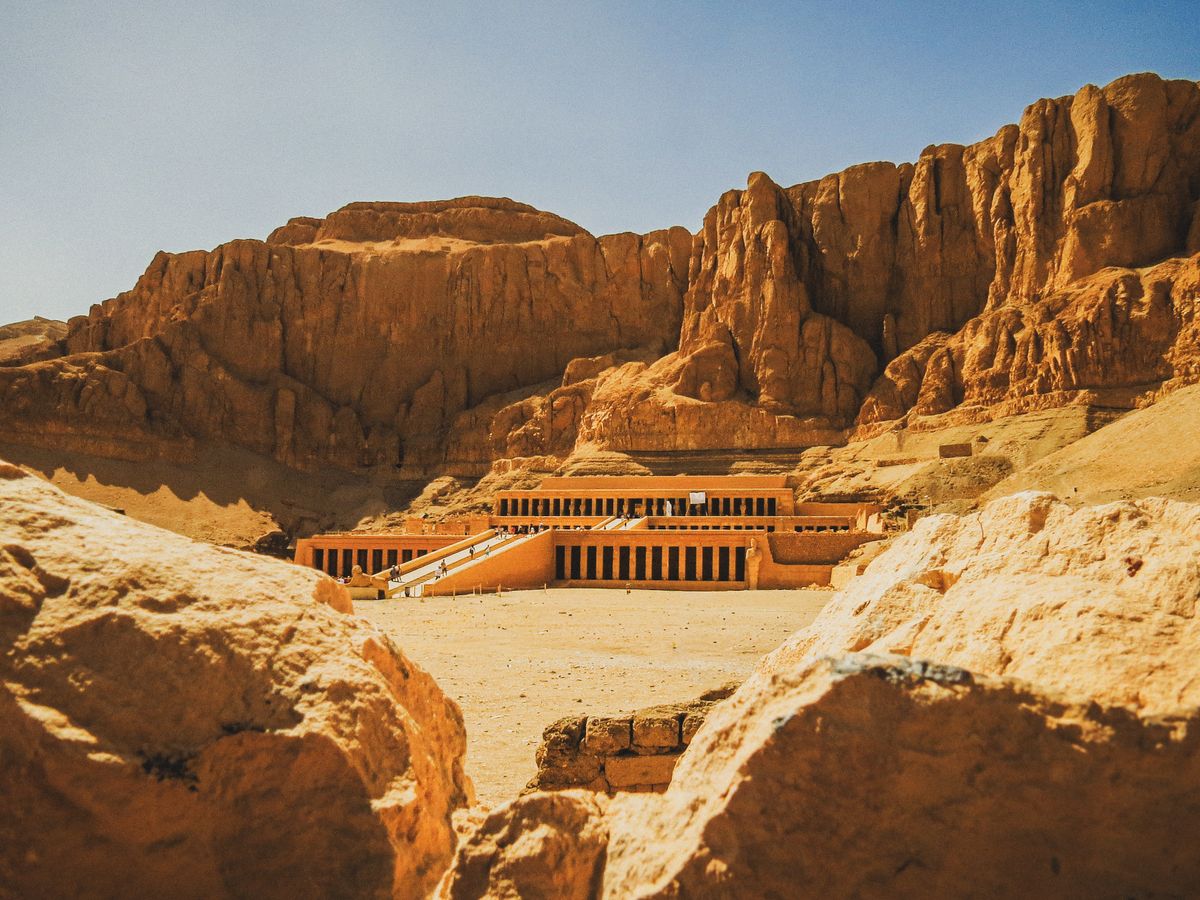
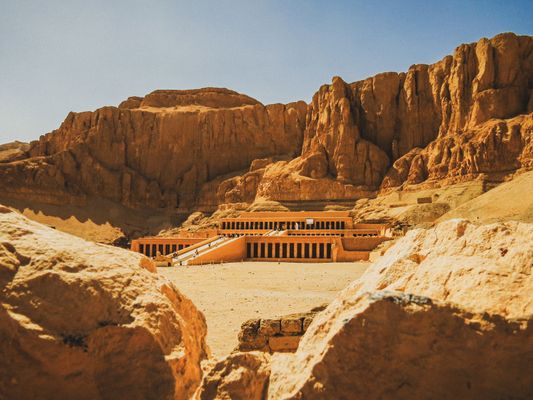
Also on the West Bank, a short drive from the Valley of the Kings, the mortuary temple of Queen Hatshepsut at Deir el-Bahari is unlike anything else in Egypt — three vast colonnaded terraces rising out of the desert floor and set directly into sheer limestone cliffs. Hatshepsut was one of Egypt’s few female pharaohs, and her temple’s clean, almost modernist lines make it a favorite with photographers.
Admission is 440 EGP (≈ $8.8) for foreign adults, 220 EGP (≈ $4.4) for foreign students (official rate, checked August 2026). A small electric tram (a few extra EGP, pay locally) covers the walk from the parking area to the temple entrance — handy in the midday heat. Most visitors combine Hatshepsut, the Valley of the Kings, and the Colossi of Memnon into a single West Bank half-day.
Colossi of Memnon
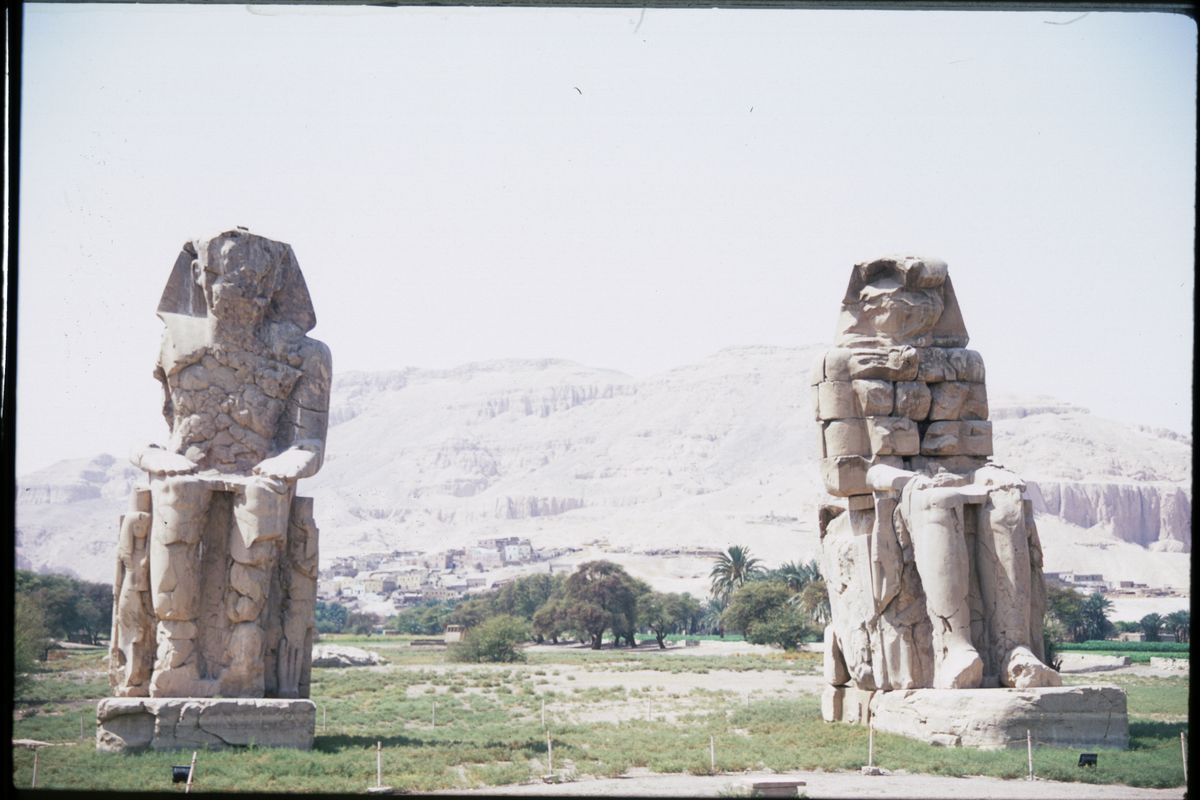
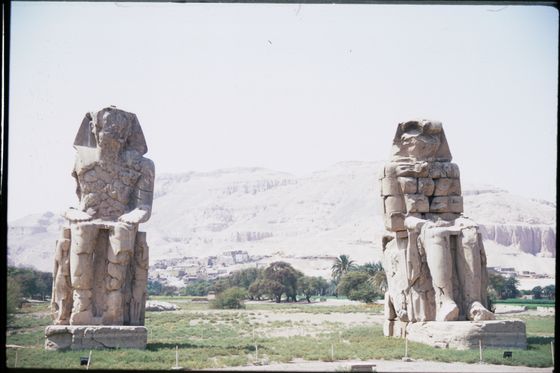
Two 18-meter stone statues of Amenhotep III have stood alone in a field on the West Bank for over 3,400 years, all that remains of what was once the largest temple complex in Egypt (larger even than Karnak, before flooding and stone-robbing reduced it to these two weathered giants). Because they sit right beside the main road, the Colossi are free to view — no ticket needed — and most West Bank tours stop here for a quick 10–15 minute photo break on the way to or from Hatshepsut and the Valley of the Kings.
Sunrise Hot Air Balloon Ride
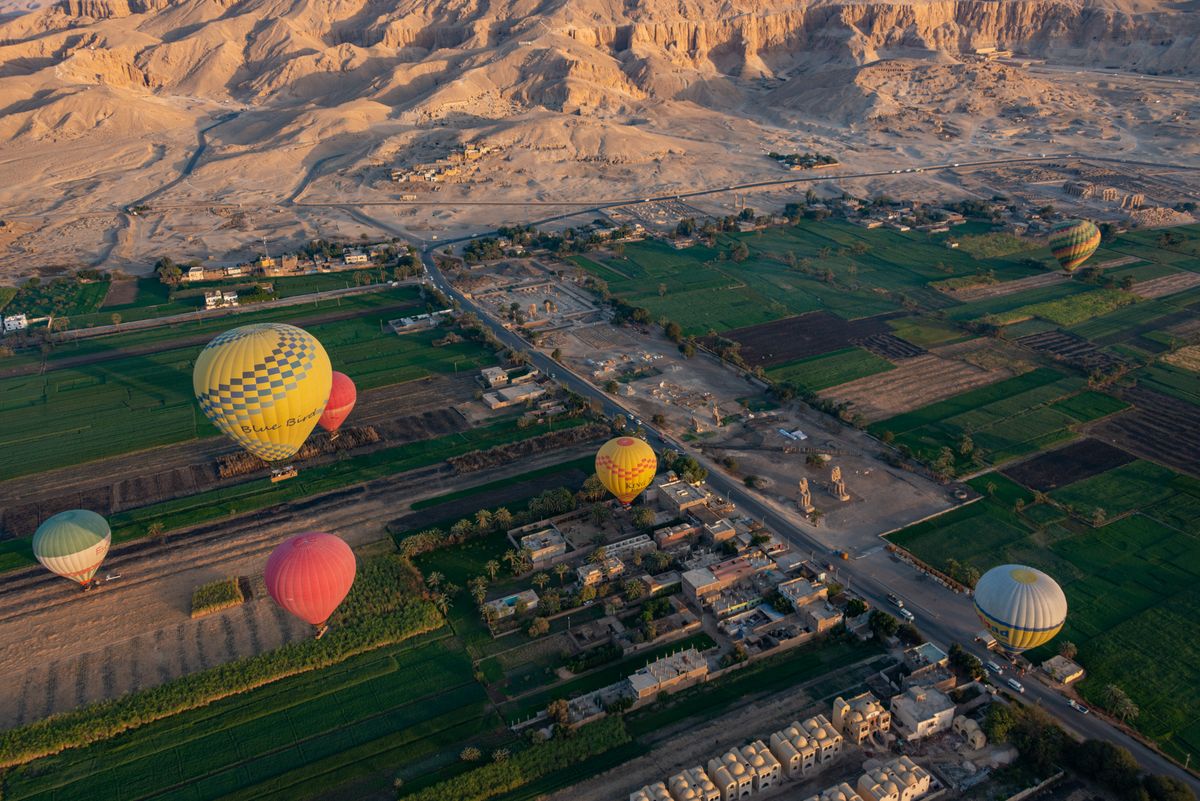
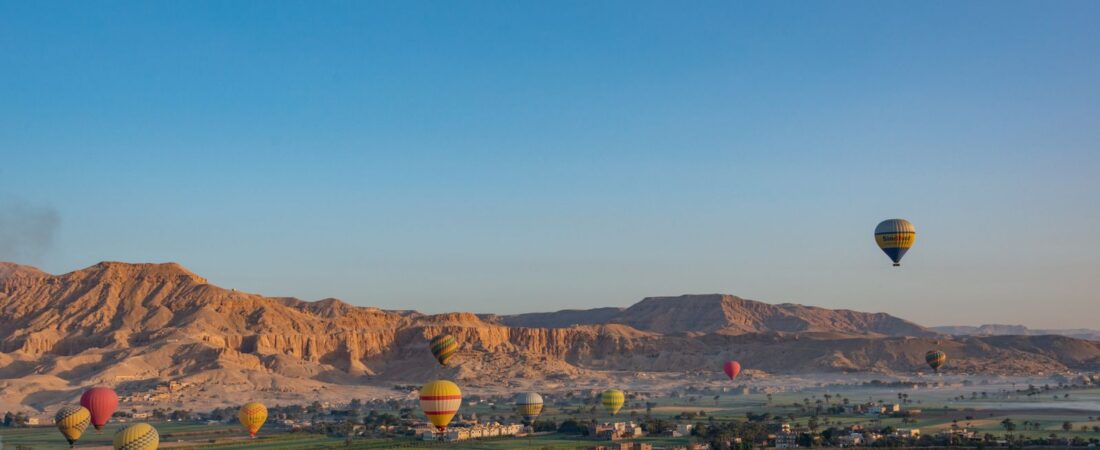
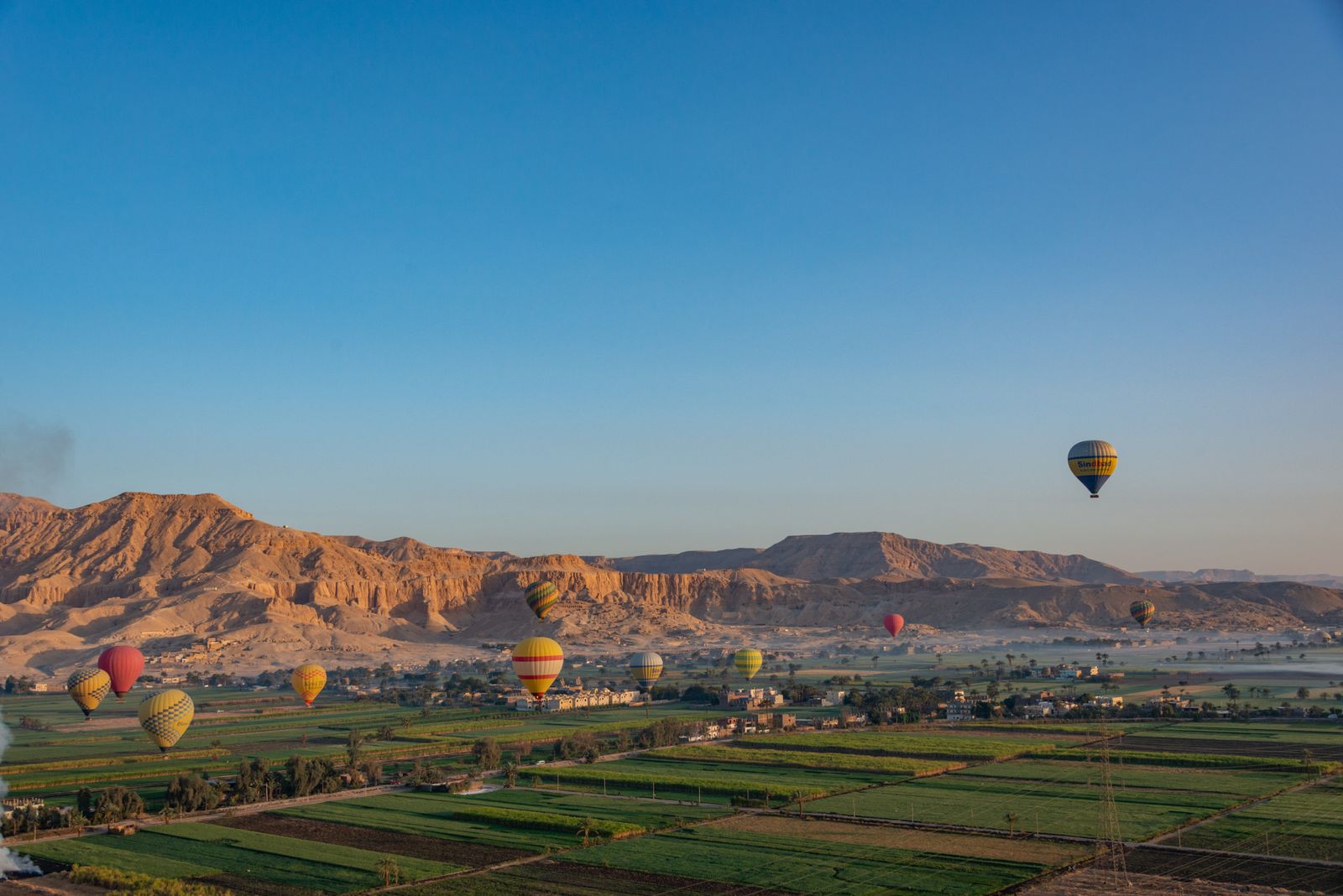
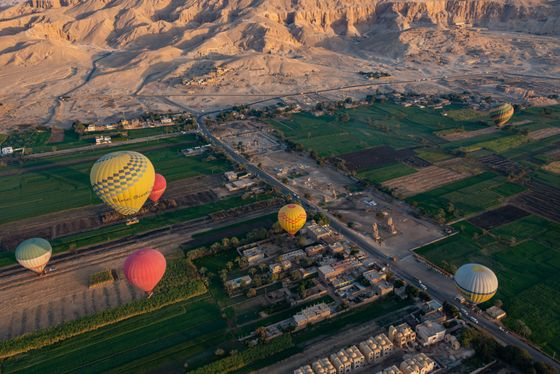
Luxor is one of the most affordable and spectacular places in the world to fly in a hot air balloon, and it is the single most-recommended experience among visitors. Balloons lift off before dawn from the West Bank, drifting silently over the Valley of the Kings, the fields along the Nile, and the temple rooftops as the sun comes up — a 40–45 minute flight that most travelers rank as the highlight of their whole Egypt trip.
Shared-basket flights typically run roughly $60–150 per person, depending on the operator, season, and whether you choose a standard shared basket or a smaller private one; prices are set directly by private balloon operators rather than a single government rate, so treat this as a planning range and check the live price before booking (checked August 2026). Most packages include a motorboat transfer across the Nile, hotel pickup, and a light breakfast or tea afterward. Book a few days ahead in peak season (October–April), since flights are weather-dependent and morning slots fill fast.
Buying Tickets: The Official Experience Egypt App
Egypt’s Ministry of Tourism and Antiquities now sells e-tickets for Luxor’s major sites — including Karnak, Luxor Temple, the Valley of the Kings, and Hatshepsut — online through the official egymonuments.com portal and the Experience Egypt mobile app, which lets you browse sites, buy timed e-tickets by card, and skip the ticket-office queue on busy mornings. Since cash is no longer accepted at most gates, booking ahead by card (online or in the app) is now the most reliable way in.
Map of Luxor’s Main Sights
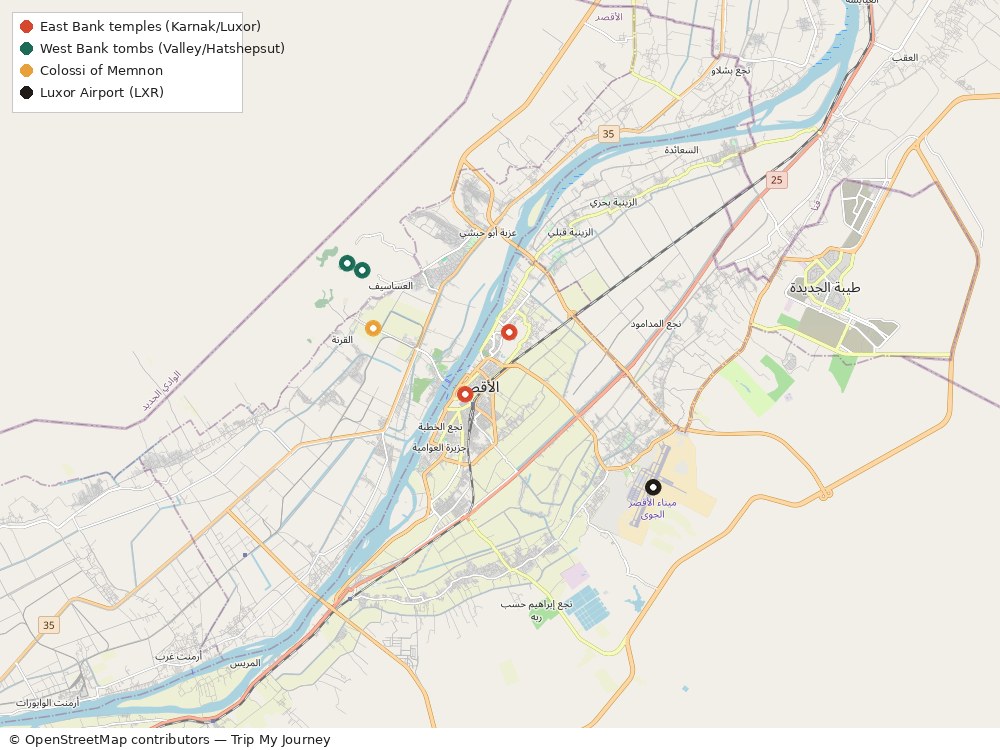
Luxor splits neatly into two halves along the Nile: the East Bank, where the city, most hotels, Karnak, and Luxor Temple sit, and the West Bank, the ancient necropolis holding the Valley of the Kings, Hatshepsut’s temple, and the Colossi of Memnon. A short bridge or a local ferry connects the two — most visitors base themselves on the East Bank and cross over for a West Bank half-day by taxi or organized tour.
Where to Stay in Luxor
Luxor is not yet in our Klook hotel-widget coverage, so search Klook directly or book with your preferred hotel site. As a general guide: East Bank, Corniche-side hotels near Luxor Temple put you within walking distance of the temple, the souq, and restaurants, and are the most convenient base for a first visit. A handful of quieter West Bank guesthouses near the Valley of the Kings suit travelers prioritizing an early balloon launch or tomb visits over nightlife and river views.
Luxor FAQ
How many days do I need in Luxor?
Most travelers spend two full days: one for the East Bank (Karnak and Luxor Temple) and one for the West Bank (Valley of the Kings, Hatshepsut, and the Colossi of Memnon), plus an optional sunrise balloon ride on either morning.
Do I need a guide?
Not strictly — signage at major sites is decent — but an Egyptologist guide adds enormous context at Karnak and in the Valley of the Kings tombs, where reliefs are otherwise hard to interpret on your own.
Can I pay with cash at the temples?
Increasingly, no. Most Luxor sites are now card-only for ticket purchases, so bring a debit or credit card, or buy e-tickets in advance via egymonuments.com or the Experience Egypt app.
What is the best time of year to visit?
October through April is far more comfortable, with daytime highs typically in the 25–32°C (77–90°F) range. Summer (June–August) can exceed 40°C (104°F), which makes early starts essential.
Is the hot air balloon ride safe and worth it?
Reputable operators fly daily and the experience is widely rated as the highlight of a Luxor trip. As with any activity involving weather-dependent flights, choose a well-reviewed operator and confirm cancellation and refund terms in case of a weather delay.
Final Word
Few places pack as much history into so small an area as Luxor. Two or three days here — temples at dawn, tombs by mid-morning, a balloon at sunrise, and Luxor Temple lit up after dark — will likely stay with you longer than almost anywhere else in Egypt. Book your must-do tours and transfers ahead of time using the widgets above, bring a card rather than cash, and give yourself the early starts the desert heat demands.
Related Guides
Cairo, Hurghada, and Alexandria guides are coming soon to Trip My Journey as we continue expanding our Egypt coverage.
🎟️ Book Tours, Activities & Food Experiences
Search and book top attractions, tours and food experiences on Klook — official best price, instant confirmation.
Klook.com