Written from China, last updated June 2026
Top Attractions in Shanghai
Tap a landmark for its full 2026 guide — tickets, hours and how to get there.
Top Attractions in Shanghai
Tap a landmark for its full 2026 guide — tickets, hours and how to get there.
Shanghai is the easiest big Chinese city to fall for. It is China at its most cosmopolitan, a place where 1920s stone mansions sit across the river from a science-fiction skyline, where you can spend a morning in a 16th-century garden and an evening in a rooftop bar fifty floors up. For many Western travelers it is also the most painless way into China, thanks to a generous visa-free transit policy that makes a few days here genuinely simple to arrange.
The city is enormous, but the sights cluster tightly around the river and a handful of old neighborhoods, so you can see a lot on foot and by metro. Three days is plenty for a first visit. Here is how to spend them.
Last updated: July 14, 2026. Prices, hours and venues in this guide were verified on this date and shown in local currency with an approximate USD conversion.
This post contains affiliate links. If you book or buy through them, we may earn a small commission at no extra cost to you.
Quick Cost Overview
Prices as of 22 Jul 2026 — rates change by season/demand, confirm current price before booking.
| Attraction | Price (CNY) | Price (USD) | Source |
|---|---|---|---|
| Shanghai Tower observation deck (118F, adult) | ¥180 | ≈ $27 | Klook (official ticketing) |
| Oriental Pearl Tower (two-sphere ticket, adult) | ¥199 | ≈ $29 | Klook (official ticketing) |
| Yu Garden (Yuyuan) admission | ¥40 | ≈ $5.9 | Klook (official ticketing) |
| Shanghai Disneyland 1-day ticket (from, low season) | ¥475 | ≈ $70 | Official Shanghai Disney Resort |
| Zhujiajiao hand-boat ride (per boat, up to 6 riders, ~15 min) | ¥200 | ≈ $29 | Official Zhujiajiao boat wharf |
| Shanghai Museum (People’s Square, general admission) | Free | Free | Official Shanghai Museum |
Check live prices & book Shanghai experiences on Klook →
The Bund and the Pudong Skyline
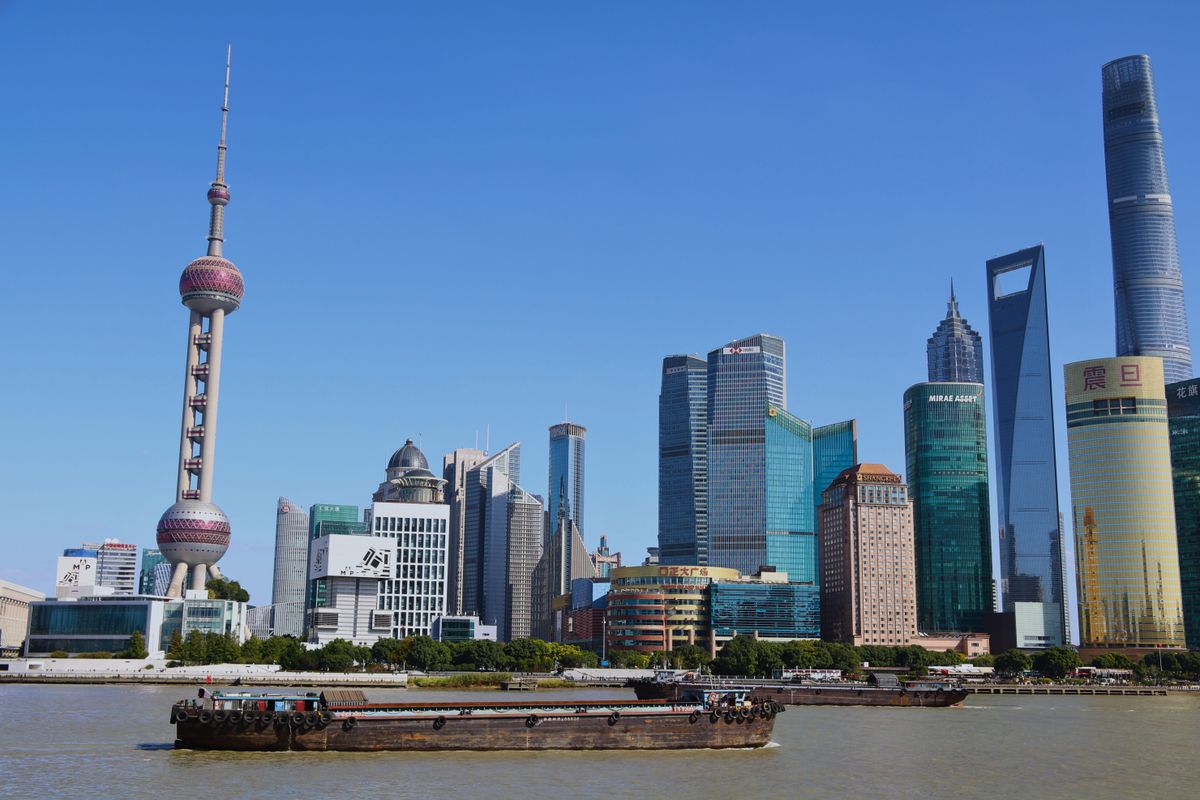
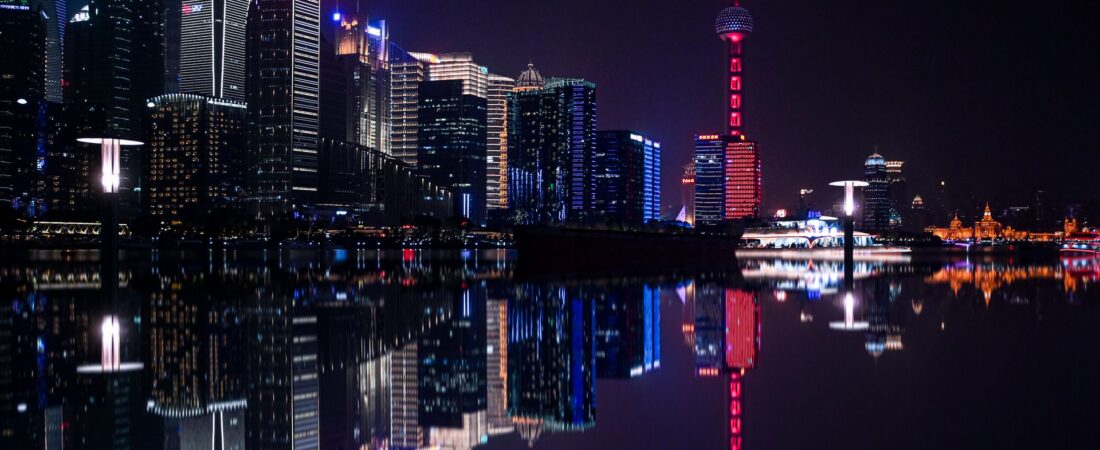
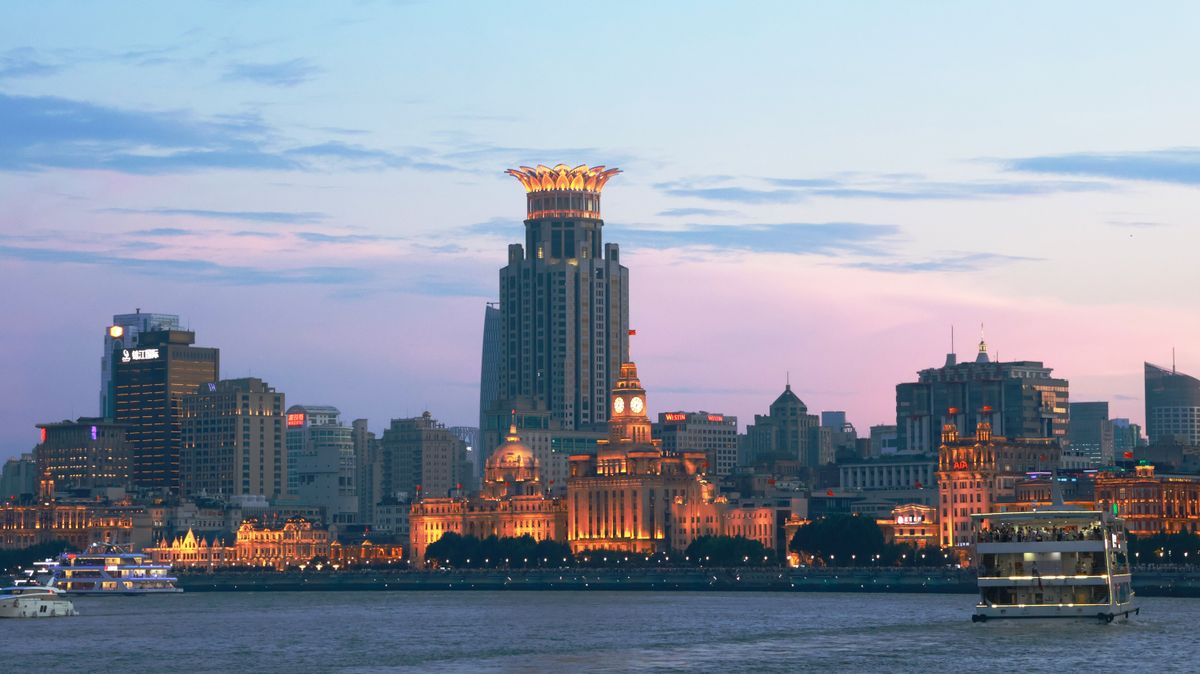
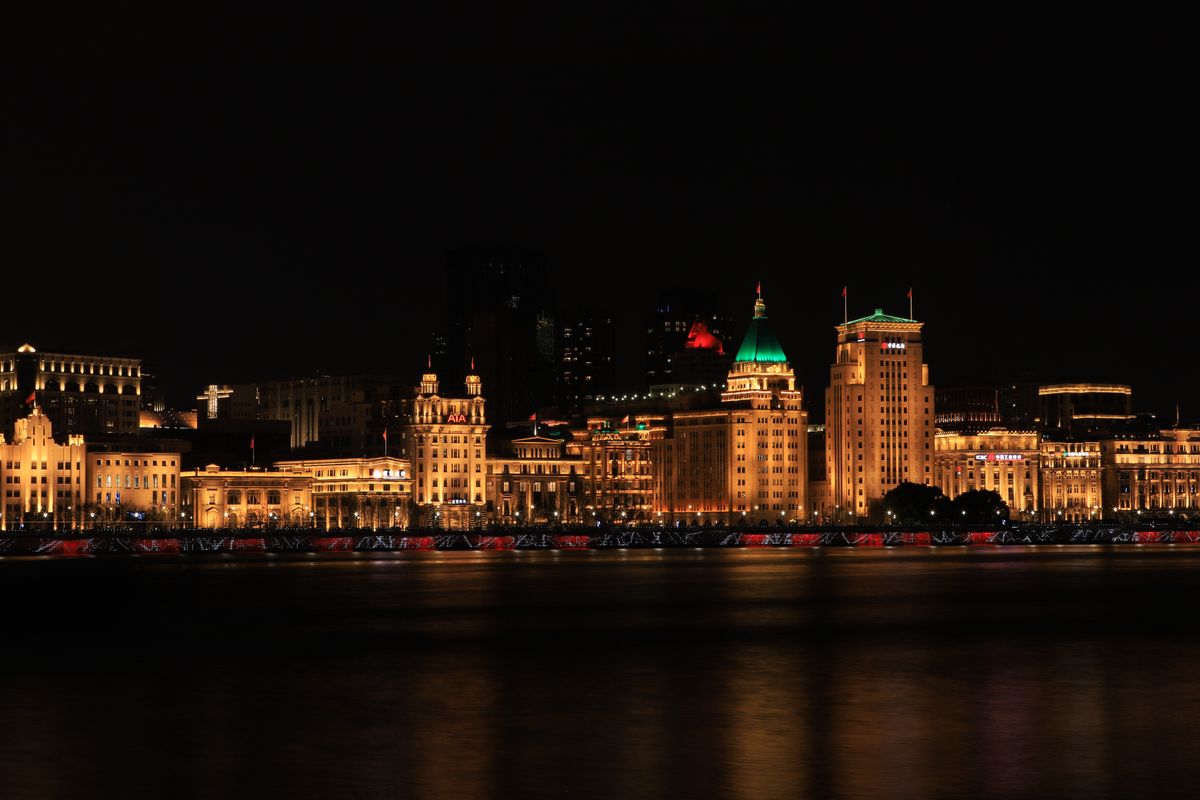
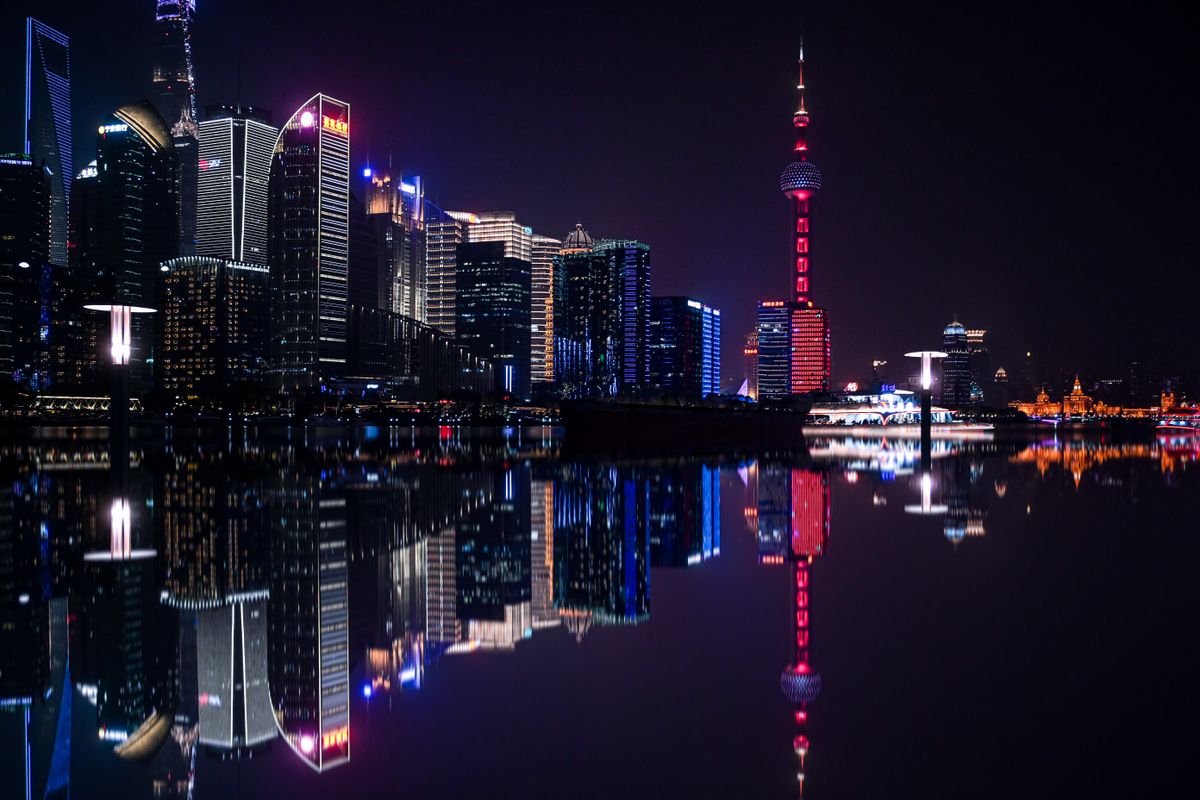
Start where Shanghai shows off. The Bund is the waterfront promenade along the Huangpu River, lined on one side by grand neoclassical banks and trading houses from the city’s 1920s heyday, and facing, across the water, the futuristic towers of Pudong. Walk it once in daylight for the architecture and again after dark, when the skyline opposite lights up and the whole riverfront turns into a slow parade of selfie-takers and river cruises.
For the view from the other side, the Oriental Pearl Tower and the even taller Shanghai Tower in Lujiazui both have observation decks; the Shanghai Tower’s is among the highest in the world. A river cruise at night is touristy and completely worth it.
Yu Garden and the Old City
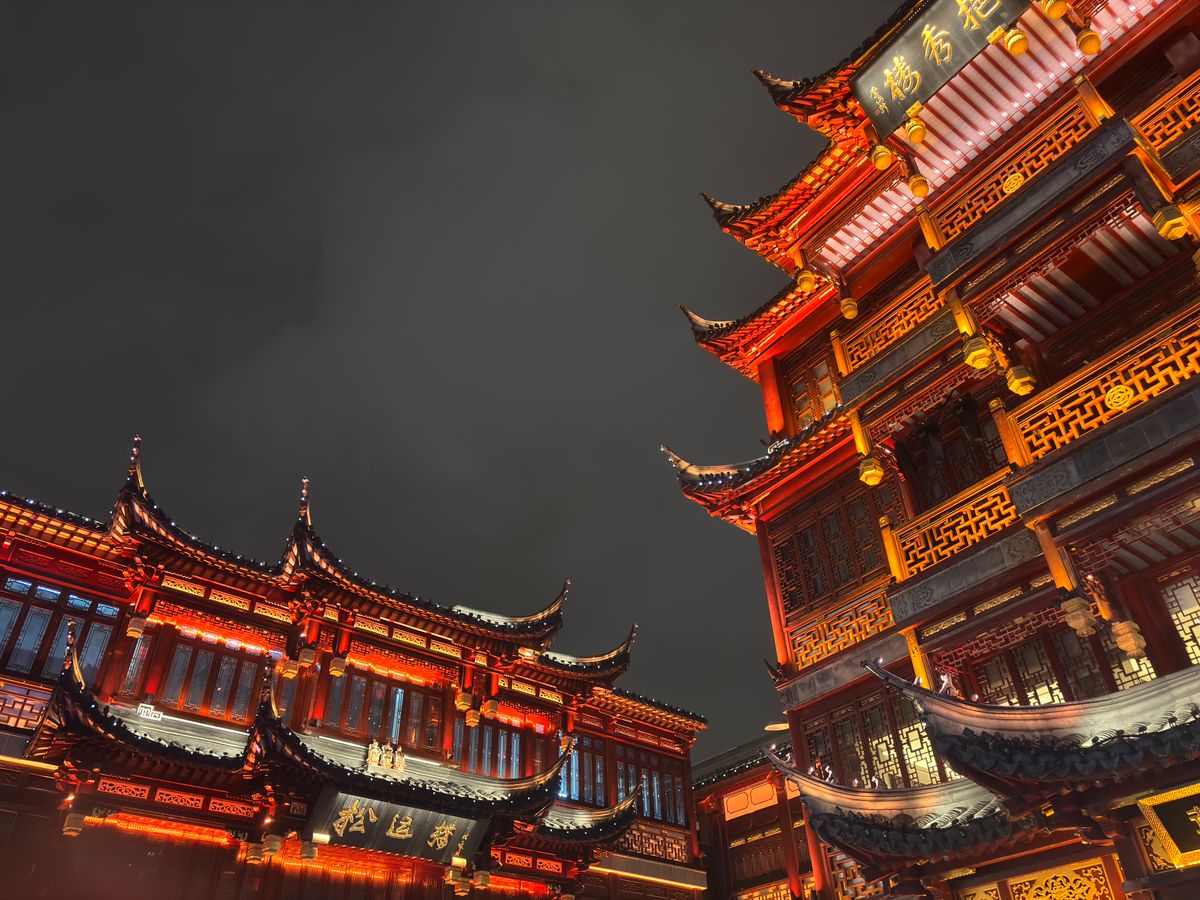
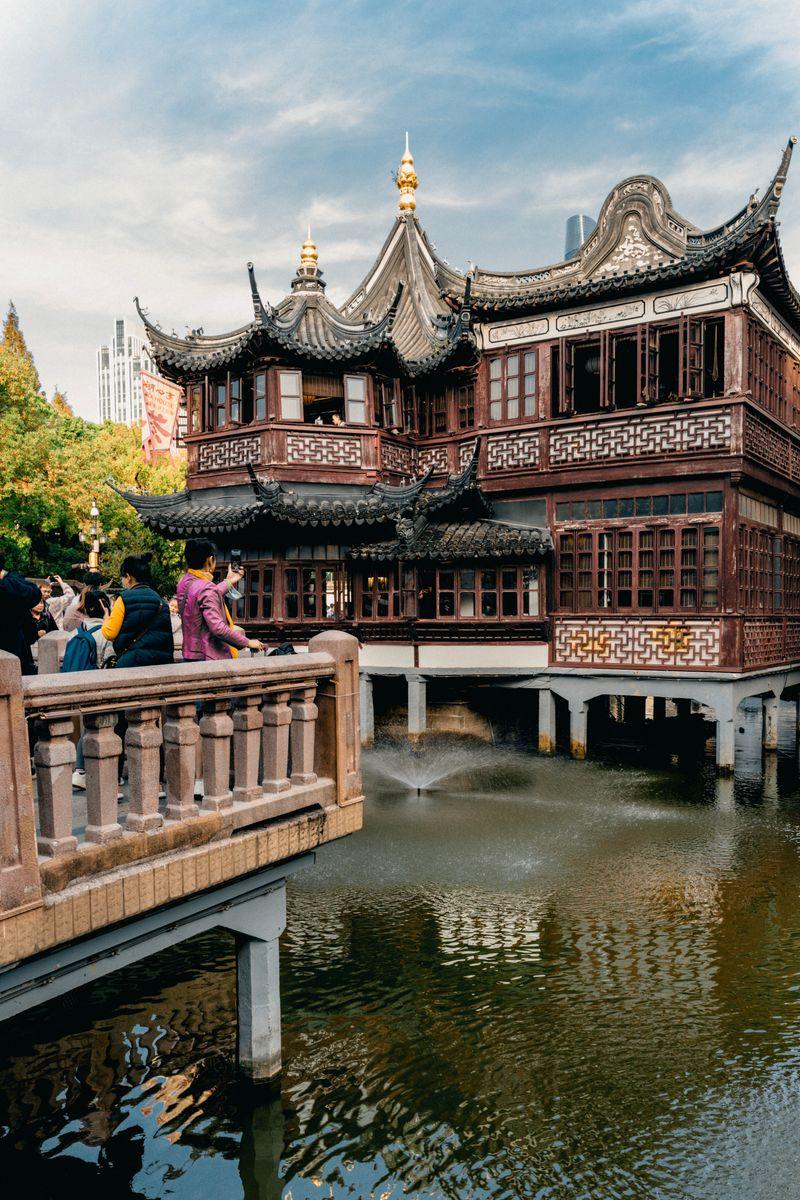
A few metro stops away, the Yu Garden is a classical Chinese garden finished in 1577, a maze of rockeries, koi ponds, pavilions, and the famous zigzag Jiuqu Bridge, designed with its kinks to ward off evil spirits. The garden itself charges admission, but the surrounding Yuyuan Bazaar is free to wander and packed with traditional architecture, souvenir stalls, and some of the city’s best street food, including the soup dumplings the area is known for.
It gets crowded, so arrive when it opens. This is also the most atmospheric corner of old Shanghai, a useful counterweight to all that glass and steel across the river.
The French Concession: Shanghai’s Best Walk
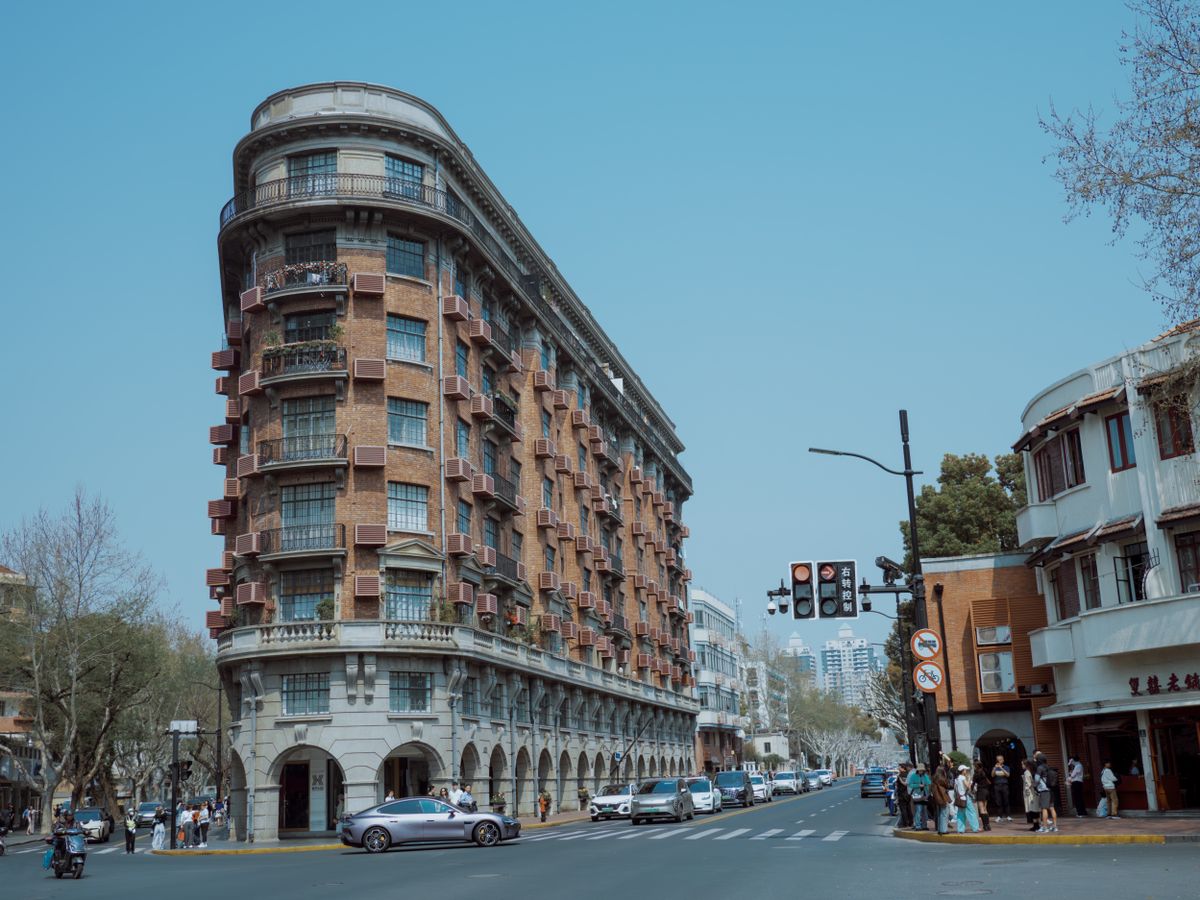
If you do one thing on foot in Shanghai, make it the French Concession. This leafy district, governed by France until the 1940s, is a grid of plane-tree-lined avenues, art deco villas, hidden lane houses, and a steady supply of independent cafes, boutiques, and restaurants. Streets like Wukang Road and the Tianzifang lane network reward aimless wandering more than any must-see checklist.
This is where you feel the city’s rhythm rather than its ambition. Pick a street, get a coffee, and let an afternoon disappear.
Nanjing Road and Modern Shanghai
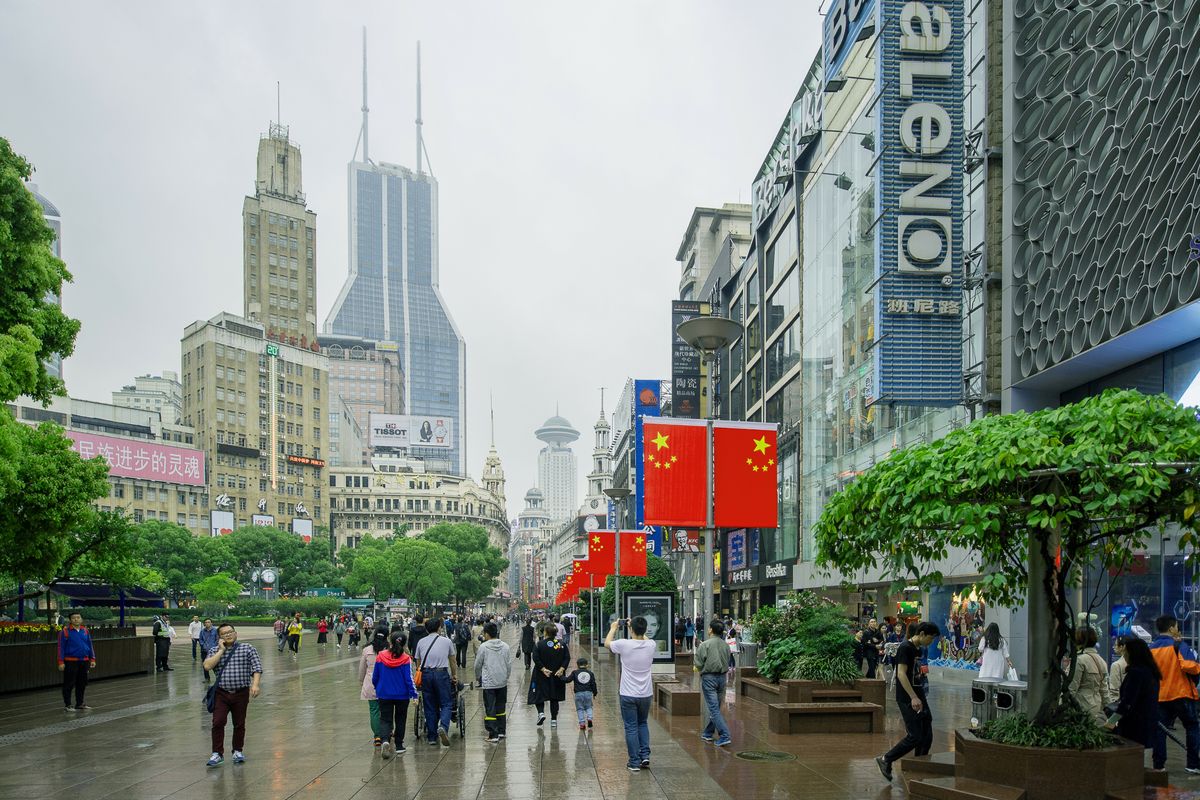
For the full-throttle commercial side, Nanjing Road is one of the world’s busiest shopping streets, running from the Bund toward People’s Square and lit up like a fairground at night. It is more spectacle than serious shopping, but the energy is part of the Shanghai story. Pair it with the Shanghai Museum on People’s Square, one of the best collections of Chinese art and bronzes in the country and free to enter, for a quieter counterpoint.
For a sense of how fast the city moves, ride up to Jing’an Temple, a working Buddhist temple with golden roofs sitting incongruously among glass towers and luxury malls, then walk fifteen minutes to the leafy calm of the former racecourse at People’s Park. Shanghai is at its best in these collisions, where a centuries-old temple, a 1930s department store, and a brand-new skyscraper all share the same block, and the simplest pleasure is just walking between them and watching the eras change around you.
A practical heads-up that matters more here than almost anywhere: payments in China run almost entirely on mobile apps, and many international websites are blocked. Set up Alipay or WeChat Pay with your card before you go, and carry a universal adapter so you can keep everything charged through long sightseeing days.
Day Trips: Water Towns and Modern Thrills
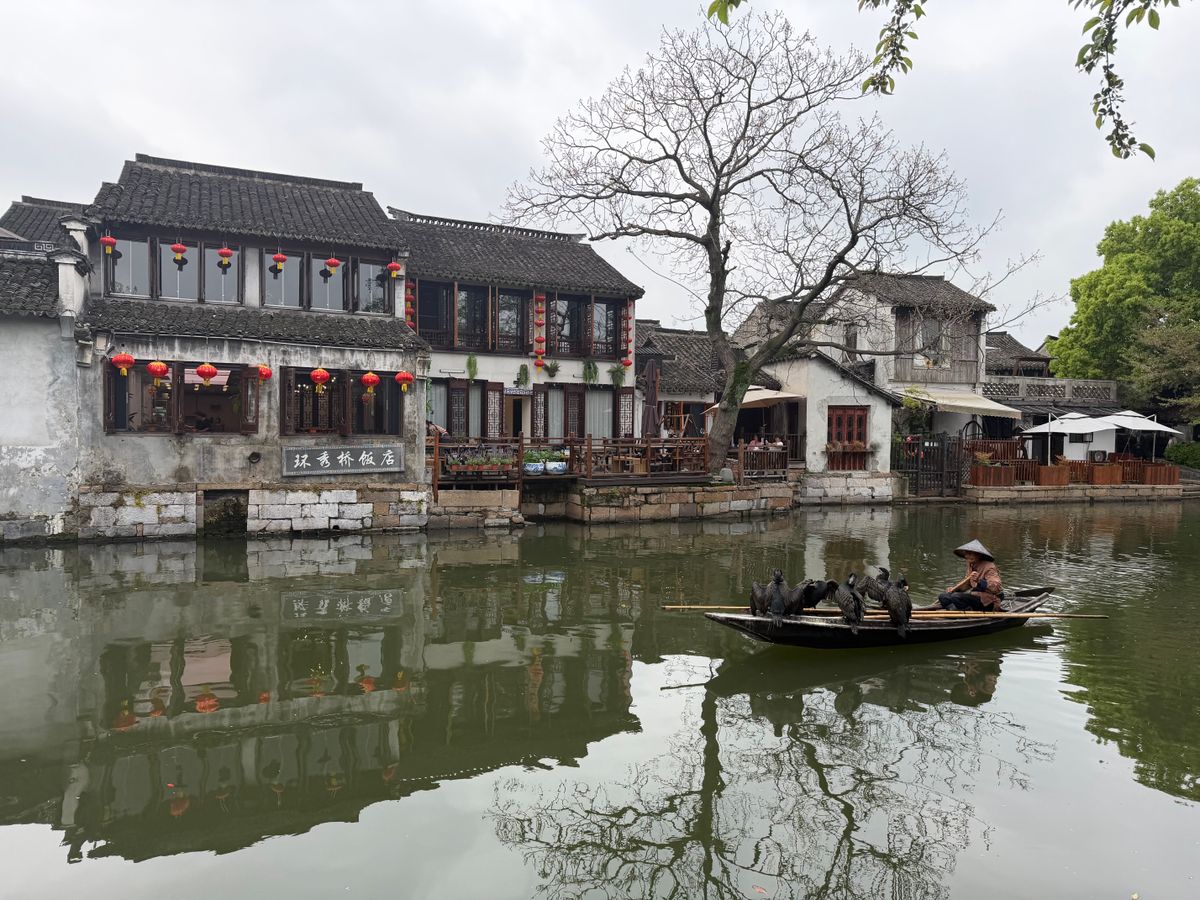
When you have done the central sights, Shanghai opens out in two very different directions. For history, the canal water towns ringing the city are an easy escape: Zhujiajiao, the closest, is reachable by metro and bus and threads stone bridges and Ming-era lanes along quiet canals, while Suzhou, famous for its classical gardens, is only around half an hour away on the high-speed train and makes a full and rewarding day. Either one is a calming antidote to the big-city pace.
For the opposite mood, Shanghai Disneyland is one of the most popular theme parks in Asia and a full day in itself, easy to reach on its own metro line. And back in town, design-minded travelers should make time for the West Bund riverside, a stretch of contemporary art museums and galleries that has become the city’s coolest cultural quarter. Between the gardens of the past and the towers of the future, Shanghai gives you an unusually wide range for a single trip.
What to Eat
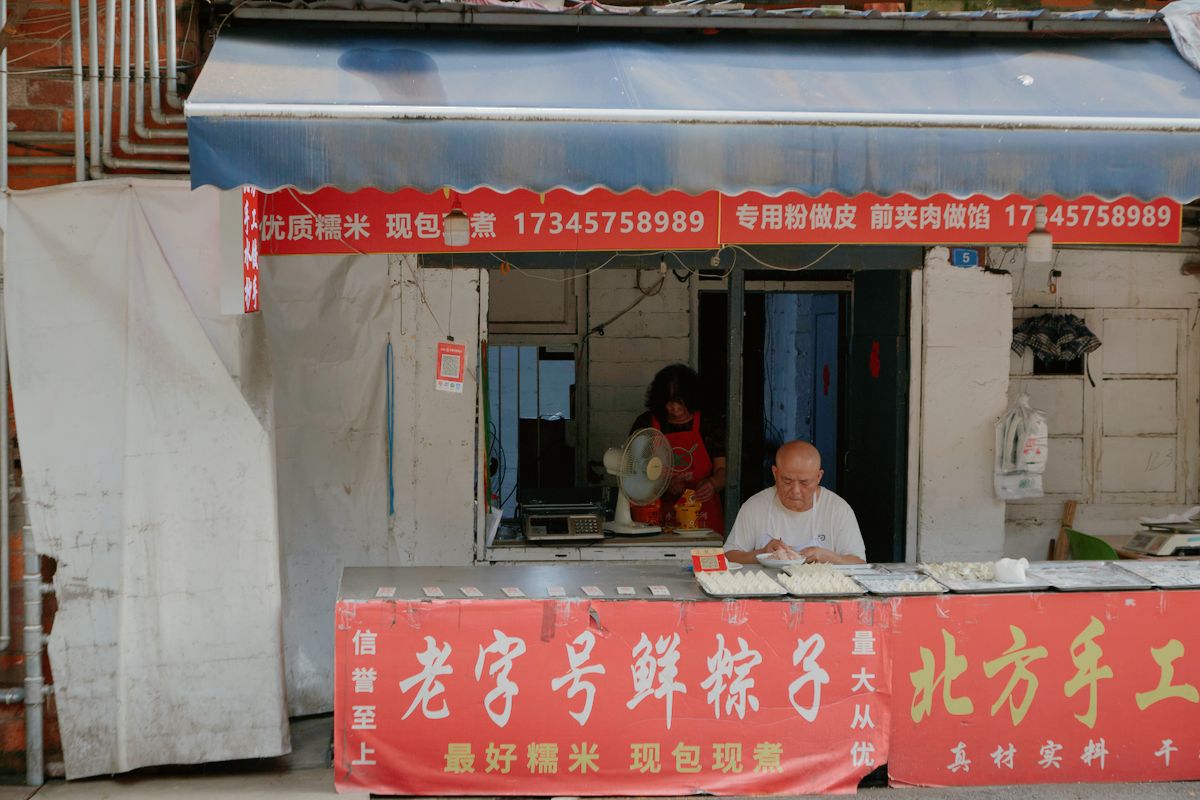
Shanghai’s food deserves its own paragraph. Start with xiaolongbao, the soup dumplings the city is famous for, eaten carefully so you do not scald yourself on the broth inside. Add shengjianbao, pan-fried pork buns with crisp bottoms, a breakfast of soup-soaked you tiao, and the local sweet-savory red-braised pork, hongshao rou. The Yu Garden bazaar and the lanes of the French Concession are both happy hunting grounds.
A Sample 3-Day Plan
- Day 1: Yu Garden and the Old City bazaar, Nanjing Road, the Bund at sunset
- Day 2: Lujiazui towers (Shanghai Tower or Oriental Pearl Tower), Shanghai Museum, evening in Xintiandi
- Day 3: French Concession walk (Tianzifang, Wukang Road), optional Zhujiajiao or Suzhou day trip
Shanghai Prices at a Glance — as of July 14, 2026 (USD)
Attractions & museums (incl. zoo)
| Item | Price (local · ≈ USD) |
|---|---|
| The Bund waterfront | Free |
| Shanghai Tower observation deck (Floor 118, adult) | ¥180 (≈ $27) |
| Oriental Pearl Tower (two-sphere ticket) | ¥199 (≈ $29) |
| Oriental Pearl Tower (three-sphere ticket) | ¥220 (≈ $32) |
| Yu Garden (Yuyuan, by season) | ¥30–40 (≈ $4.4–5.9) |
| Shanghai Museum | Free (timed reservation) |
| Shanghai Disneyland (1-day, from) | from ≈ ¥475 (≈ $70); varies by date |
| Shanghai Zoo (adult) | ¥40 (≈ $5.9) |
Getting around
| Item | Price (local · ≈ USD) |
|---|---|
| Metro single ride (distance-based) | ¥3–9 (≈ $0.4–1.3) |
| Taxi flag-fall (first 3 km, daytime) | ¥16 (≈ $2.4) start |
| Maglev to Pudong Airport (one way) | ¥50 (≈ $7.4); ¥40 with boarding pass |
| Pudong Airport by Metro Line 2 | ¥7–9 (≈ $1–1.3) |
| Pudong Airport by taxi to Puxi | ≈ ¥150–250 (≈ $22–37) |
| High-speed rail to Beijing (2nd class) | ≈ ¥553–662 (≈ $81–98) |
Signature activities
| Item | Price (≈ USD) |
|---|---|
| Huangpu River evening cruise (per person) | from ≈ $18–35 |
| Shanghai Disneyland 1-day ticket | from ≈ $70 |
| Guided city-highlights day tour (per person) | from ≈ $50–100 |
Food per person
| Item | Price (local · ≈ USD) |
|---|---|
| Xiaolongbao (soup dumplings, a basket) | ¥20–60 (≈ $3–9) |
| Shengjianbao (pan-fried pork buns) | ¥8–20 (≈ $1.2–3) |
| Budget local meal / street food | ¥25–50 (≈ $3.7–7.4) |
| Mid-range Shanghainese restaurant (per person) | ¥80–160 (≈ $12–24) |
Accommodation per night
| Item | Price (≈ USD) |
|---|---|
| Hostel dorm bed | from ≈ $12–20 |
| 3–4 star hotel | ≈ $60–110 |
| 5-star hotel | from ≈ $160 |
Prices confirmed on July 14, 2026 (USD conversions at ≈ ¥6.79 = $1). Rates vary by season, day of the week, and demand — always check the current price before you book. Sources include the official Shanghai Tower and Oriental Pearl Tower ticketing pages, Trip.com, Klook, TravelChinaGuide and Booking.com.
Book Tours & Activities in Shanghai
Where to Eat in Shanghai (Updated July 14, 2026)
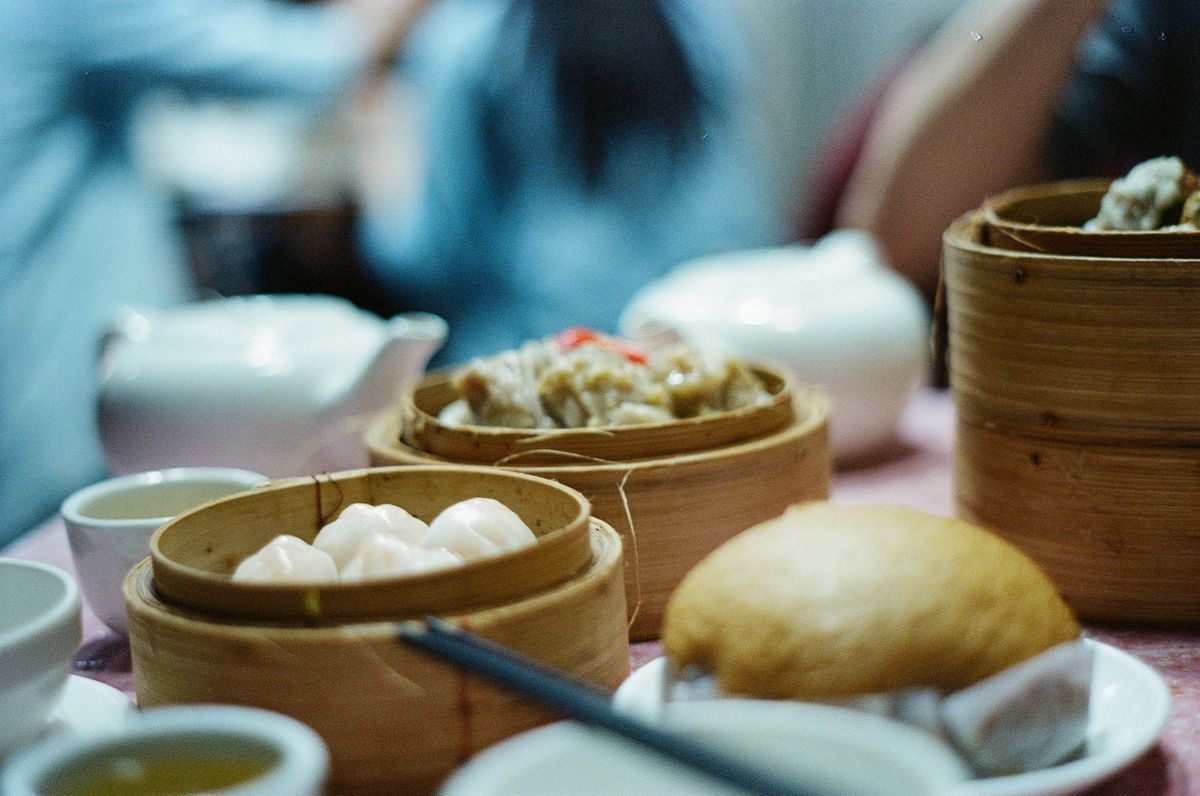
Jia Jia Tang Bao (佳家汤包) — A beloved hole-in-the-wall near People’s Square turning out some of the city’s best soup dumplings.
Yang’s Fry Dumplings (小杨生煎) — Shanghai’s most famous shengjianbao chain — crisp-bottomed, juicy pan-fried pork buns.
Nanxiang Steamed Bun Restaurant (南翔馒头店) — The historic xiaolongbao house in the Yu Garden bazaar, birthplace of the classic recipe.
Lost Heaven (花马天堂) — Atmospheric Yunnan-Dai cuisine in a dramatic dining room a short walk from the Bund.
Fu 1088 — Refined Shanghainese fine dining in a restored 1930s villa; private rooms and reservations essential.
Where to Stay in Shanghai
The Bund and Nanjing Road area puts you closest to the classic waterfront sights and Metro Line 2; the French Concession offers leafy streets, cafes, and boutique hotels; Pudong (Lujiazui) suits skyline-view stays and business travelers near the towers. Compare live rates below.
Related Guides
- Best Things to Do in Xi'an
- Best Things to Do in Kunming
- Best Things to Do in Qingdao
- Best Things to Do in Suzhou
- How to Use DiDi in China
- How to Ride Taiwan's High-Speed Rail
Related Guides
FAQ
How many visa-free days do you get transiting through Shanghai?
Travelers with proof of onward international travel to a third country can qualify for 72-hour visa-free transit. Visa-free transit rules vary by nationality and can change, so always confirm the current policy for your passport with a Chinese embassy/consulate or Shanghai’s official visitor information before you travel.
Which airport is more convenient for the city center: Pudong (PVG) or Hongqiao (SHA)?
Hongqiao Airport (SHA) is closer to the city center, about 13 km away, but handles mostly domestic flights. Pudong Airport (PVG) is the large international gateway, about 30 km from downtown, connected by the world’s first commercial maglev line into the Pudong district. Airport Line No. 1 buses also run between the two airports every 20–30 minutes (about 1 hour, ¥30 fare). For other transit options, check the official Shanghai Municipal Administration of Culture and Tourism (SMACT) transportation guide.
What are the hours and admission fees for the Bund, Yu Garden, and Shanghai Disneyland?
Individual attractions’ hours, admission and closing days are not consistently listed by a single official source, so confirm details on each attraction’s own official site before you go. As a starting point: the Bund is a roughly 1.6 km free waterfront stretch facing Pudong’s skyline across the Huangpu River — worth visiting both at sunset and after dark. Shanghai Disneyland is organized into seven themed lands; see the Quick Cost Overview table above for current ticket pricing.
🎟️ Book Tours, Activities & Food Experiences
Search and book top attractions, tours and food experiences on Klook — official best price, instant confirmation.
Klook.com