Last updated: July 2026
Disclosure: This post contains affiliate links. We may earn a commission if you book through them, at no extra cost to you. Hours and prices can change — always confirm on official sources before you visit.
Book Tours & Activities in Yu Garden
Book Tours & Activities in Yu Garden
Hand-picked Yu Garden and Old Shanghai experiences you can book online — the garden’s own entrance ticket plus guided tours that pair it with the Bund and Nanjing Road:
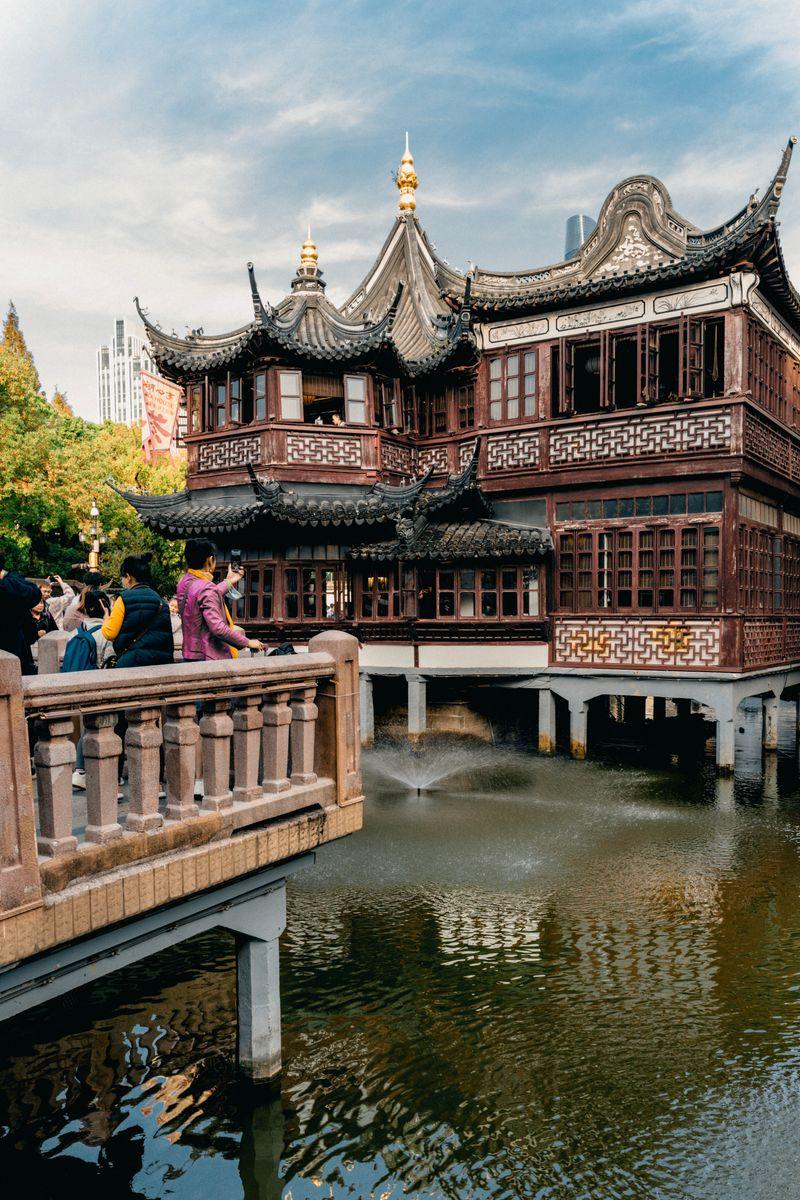
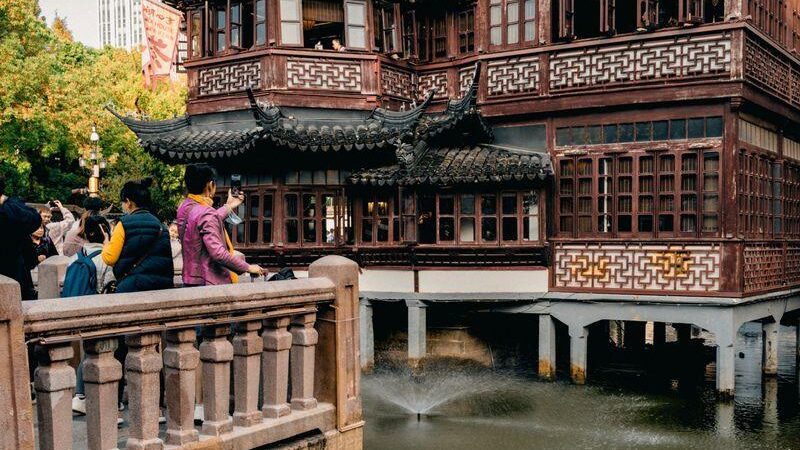
Yu Garden (豫园, Yuyuan) is Shanghai’s largest and most celebrated classical Chinese garden, tucked behind high white walls in the heart of the Old City. Built during the Ming dynasty and still ringed by the lantern-lit lanes of the Yuyuan Bazaar, it is one of the most-visited landmarks in Shanghai — a pocket of Jiangnan-style rockeries, koi ponds, and dragon-topped walls surrounded by a thoroughly modern city. Here is what it costs in 2026, how to get there, and what to look for once you’re inside the garden walls.
A Little Context
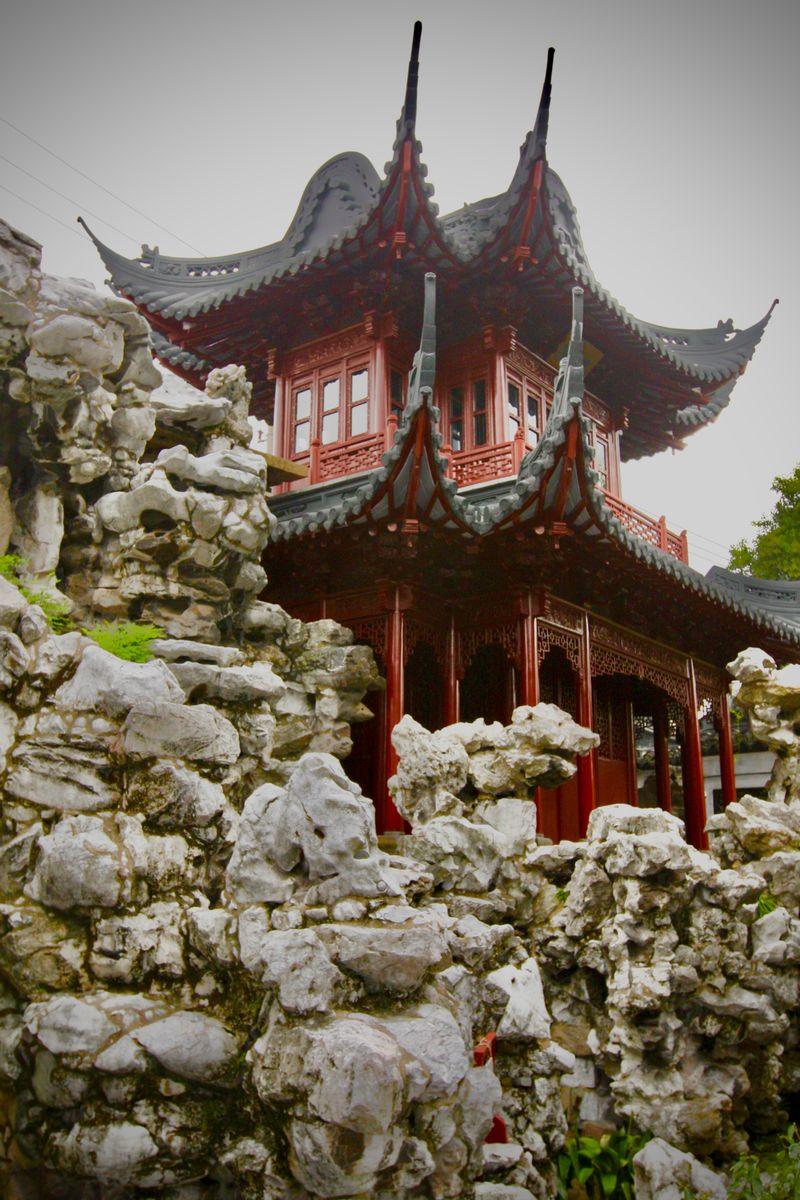
Yu Garden was built in 1559 by Pan Yunduan, a Ming-dynasty official, as a private retreat intended to give his aging father, Pan En, a peaceful place to enjoy his later years — the name Yu Yuan roughly translates as “Garden of Peace and Comfort.” Pan Yunduan was a perfectionist about the design, and construction dragged on for nearly two decades; by the time the garden was finished around 1577, the family fortune was largely spent on it. The garden’s centerpiece rockery, the Grand Rockery (大假山), is credited to the renowned Ming-dynasty designer Zhang Nanyang and remains one of the best-preserved large-scale garden rockeries from that era in China. By the early Qing dynasty the garden had fallen into disrepair and changed hands several times; local merchants expanded and restored sections of it over the following centuries, and it was damaged again during the Opium War and the Taiping Rebellion. The garden that visitors walk through today is largely the result of a major restoration carried out by the Shanghai municipal government starting in 1956, which reopened the garden to the public in 1961. Along with the neighboring City God Temple, Yu Garden and its rockeries, ponds, and covered corridors are considered one of the finest surviving examples of a private Jiangnan-style garden in eastern China.
Quick Facts & Costs for 2026
💡 Prices checked on 26 July 2026. Note: the surrounding Yuyuan Bazaar shopping streets outside the garden’s walls are free to enter — only the garden itself charges admission. Fees can shift seasonally — confirm on official booking channels or the widgets on this page before you visit.
| Item | Cost | Notes & source (checked) |
|---|---|---|
| Garden admission, peak season (Apr–Jun & Sep–Nov) | ¥40 (≈ $5.9) | Adult full-price ticket, garden only. — Shanghai municipal tourism listings / official gate pricing, checked 26 Jul 2026 |
| Garden admission, off season (Jul–Aug & Dec–Mar) | ¥30 (≈ $4.4) | Adult full-price ticket, garden only. — Shanghai municipal tourism listings, checked 26 Jul 2026 |
| Concession ticket | ¥20 (≈ $2.9) peak / ¥15 (≈ $2.2) off season | Seniors 60+, students, and visitors aged 6–18 with valid ID. — official gate pricing, checked 26 Jul 2026 |
| Children & visitors with disabilities | Free | Young children and travelers with disabilities enter free with ID/proof. — official gate pricing, checked 26 Jul 2026 |
| Yuyuan Bazaar (streets outside the garden) | Free | Only the walled garden itself charges admission — the surrounding shopping streets are open to all. |
| Opening hours | 9:00 AM – 4:30 PM (last entry 4:00 PM) | Closed Mondays most of the year; open with special hours during Spring Festival and some national holidays. — checked 26 Jul 2026 |
| Address | No. 218 Anren Street, Huangpu District, Shanghai 200010 | ☎ +86-21-6326-0830 — checked 26 Jul 2026 |
How to Get There
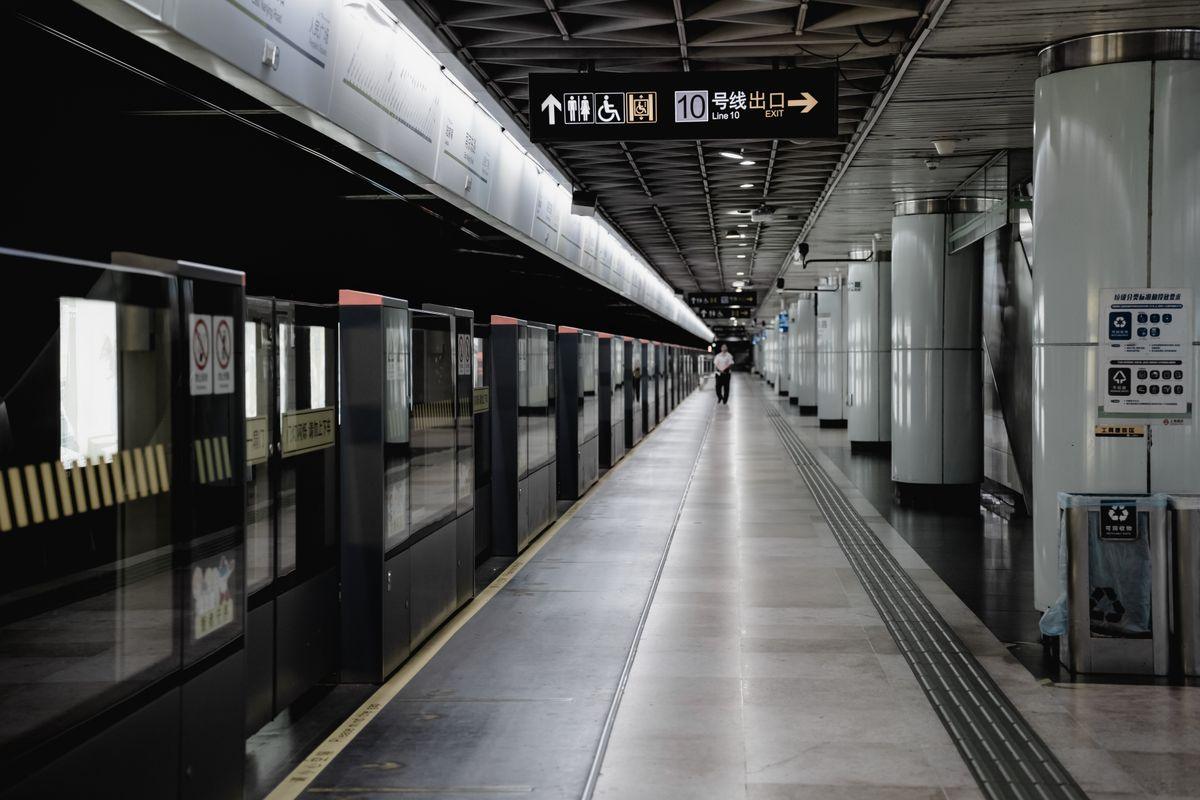
Yu Garden sits in Shanghai’s Old City, well inside the metro network and an easy walk from several stations. Most visitors arrive by subway rather than taxi, since the surrounding lanes are pedestrian-only.
| Getting there | Details (checked 26 Jul 2026) |
|---|---|
| Metro Line 10 (most direct) | Yuyuan Garden Station, Exit 1 — about a 10-minute walk through the bazaar lanes to the garden’s ticket gate |
| Metro Line 14 | Yuyuan Garden Station, Exit 7 — similar walking distance, useful if transferring from Line 14 |
| By taxi / rideshare | Ask for “Yuyuan Lu” or “Yu Garden” (豫园) — drop-off is a short walk from the entrance since the immediate area is closed to cars |
| Address | No. 218 Anren Street, Huangpu District, Shanghai 200010 · ☎ +86-21-6326-0830 |
Inside the Garden: Pavilions, Rockeries & Koi Ponds
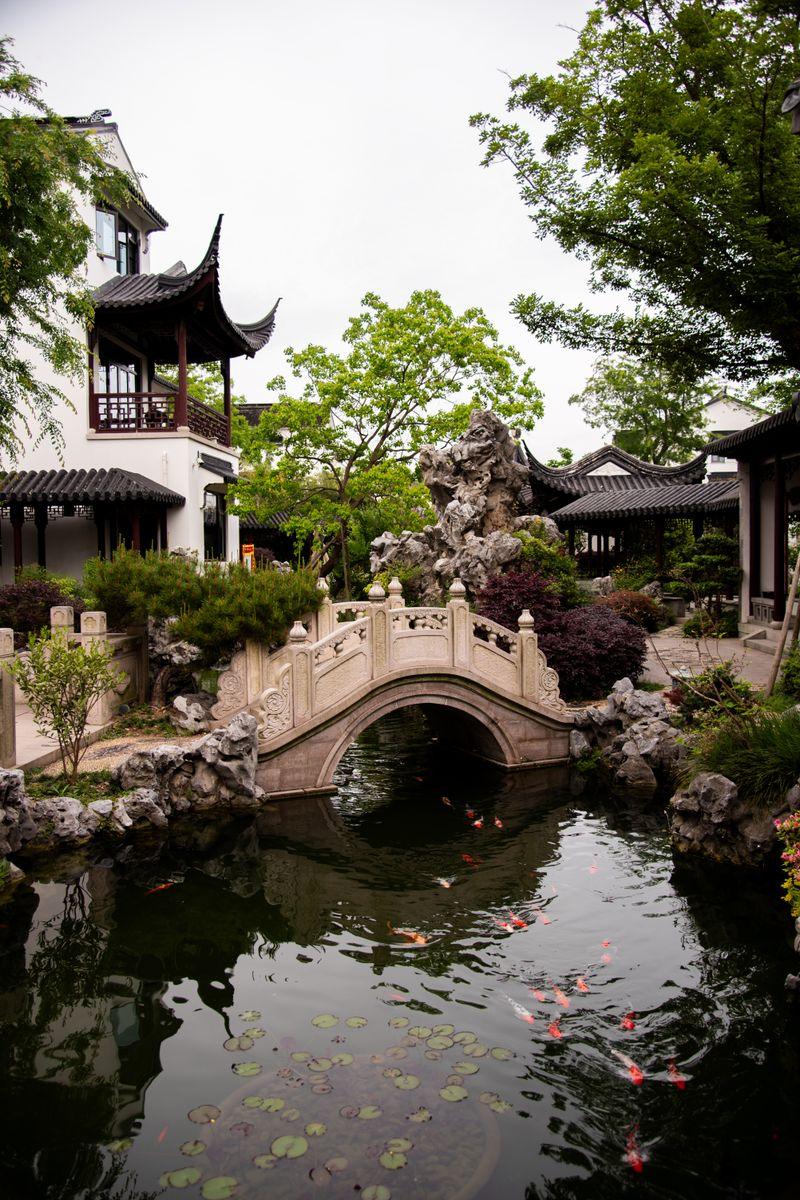
Yu Garden unfolds as a sequence of six connected garden areas, each centered on a rockery, pond, or hall, linked by covered corridors and dragon-topped walls. The showpiece is the Grand Rockery (大假山), a roughly 12-meter artificial mountain built from Wukang yellow stone, with a winding path leading to a small pavilion at its summit for views back over the garden. Nearby, the Exquisite Jade Rock (玉玲珑) is one of Shanghai’s most famous individual stones — a tall, deeply pitted piece of Lake Tai limestone prized since the Ming dynasty for the way water poured over the top emerges from dozens of holes at the base, and for the way smoke lit beneath it is said to drift upward through the stone. Sansui Hall (三穗堂), the garden’s grandest hall, takes its name from a story of three stalks of rice sharing one stem, a traditional symbol of a bountiful harvest, while the Hall of Spring (点春堂) once served as a headquarters for the Small Swords Society during their 1853 uprising. Look for the Nine Lion Study (九狮轩), named for nine lion shapes said to be hidden in its surrounding rockwork, and the long dragon walls capped with grey tile “scales” and clawed dragon heads that snake along the garden’s boundaries — a device that lets a single garden imply distinct, self-contained zones without ever feeling closed in. Koi ponds thread through nearly every section, crossed by zigzag bridges whose angled turns are traditionally believed to block evil spirits, which can only move in straight lines.
Want the history explained as you walk it?
Book a guided Yu Garden, Bund & Nanjing Road tour on Klook →
Yuyuan Bazaar: The Old Shanghai Shopping Streets Outside the Garden
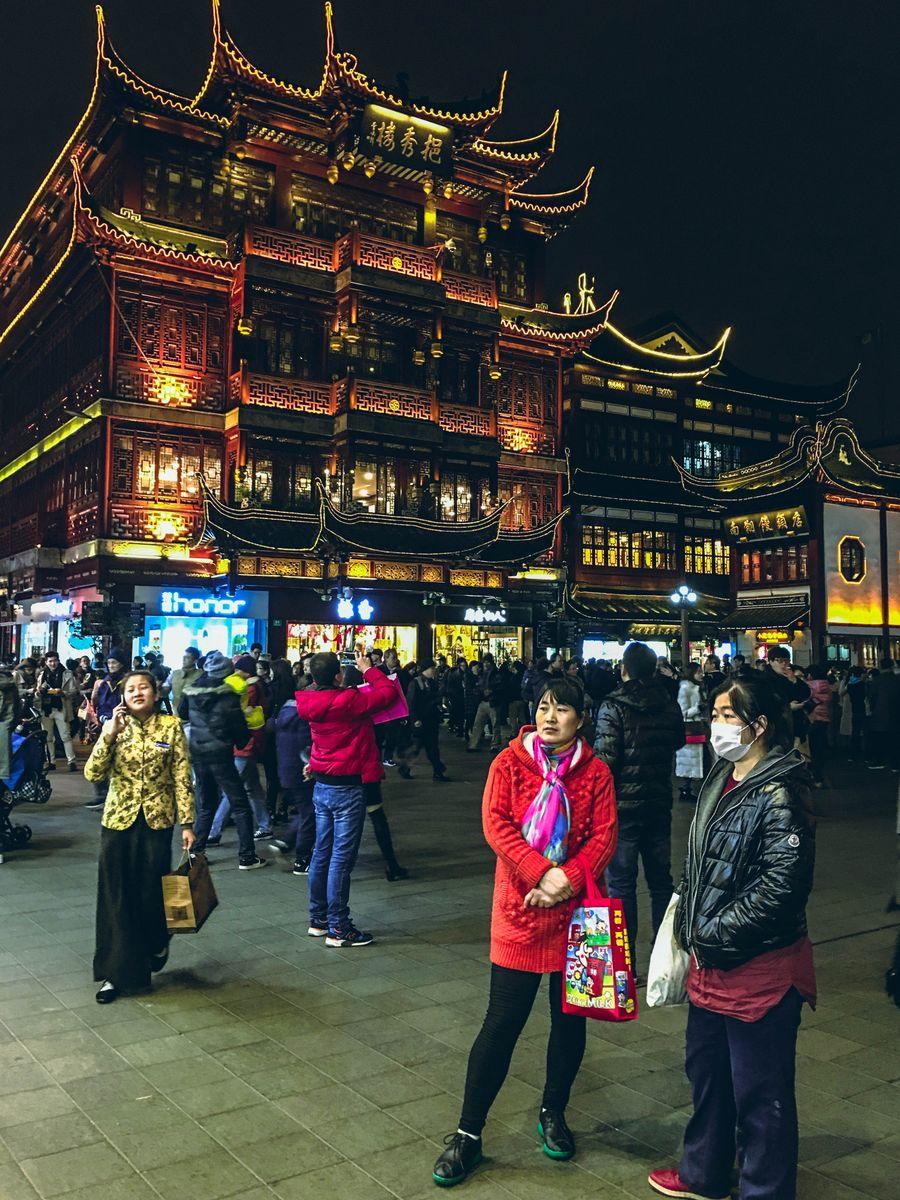
Most visitors experience two Yu Gardens in one visit: the ticketed garden itself, and the free bazaar of Ming- and Qing-style buildings that surrounds it, built up over the 20th century as a shopping and dining district around the historic City God Temple. The bazaar’s most photographed corner is Huxinting Teahouse (湖心亭), a small pavilion perched in the middle of a pond and reached by the Bridge of Nine Turnings (九曲桥) — reputedly one of the teahouses that inspired the willow-pattern china design exported to Europe. Along the surrounding lanes, the queues outside Nanxiang Steamed Bun Restaurant (南翔馒头店) for its soup-filled xiaolongbao are as much a part of the Yu Garden experience as the garden itself, and dozens of smaller stalls sell everything from scissors and folk crafts to candied fruit skewers. The bazaar is free to wander at any hour and makes an easy add-on before or after your timed garden visit — plan on at least 30–45 minutes here in addition to the time you spend inside the garden walls.
Best Time to Visit
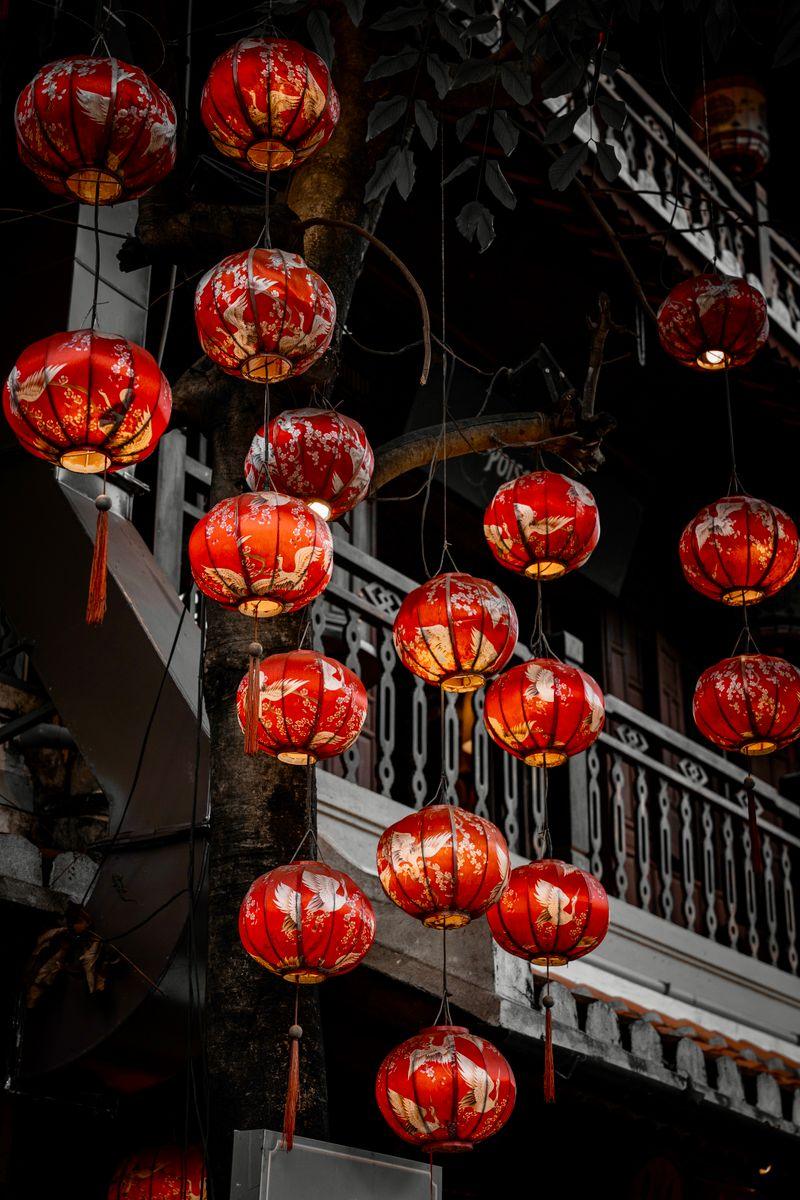
Yu Garden and the Yuyuan Bazaar are at their most crowded on weekends, national holidays, and especially during the Chinese New Year and Lantern Festival period in late January or February, when the bazaar mounts elaborate large-scale lantern displays that draw huge crowds — arrive right at opening or plan an evening visit to the (free) bazaar lanes if you want to see the lanterns without the daytime crush. On an ordinary day, arriving close to the 9:00 AM opening or in the last hour or two before the 4:30 PM closing gives noticeably thinner crowds inside the garden itself, since most tour groups move through at midday. Spring (April–May) and autumn (September–October) bring the most comfortable weather and align with the peak-season ticket price, while summer is hot and humid but slightly cheaper and less crowded inside the garden gates. Whatever the season, weekday mornings are consistently the quietest time to photograph the rockeries and ponds without a crowd in every frame.
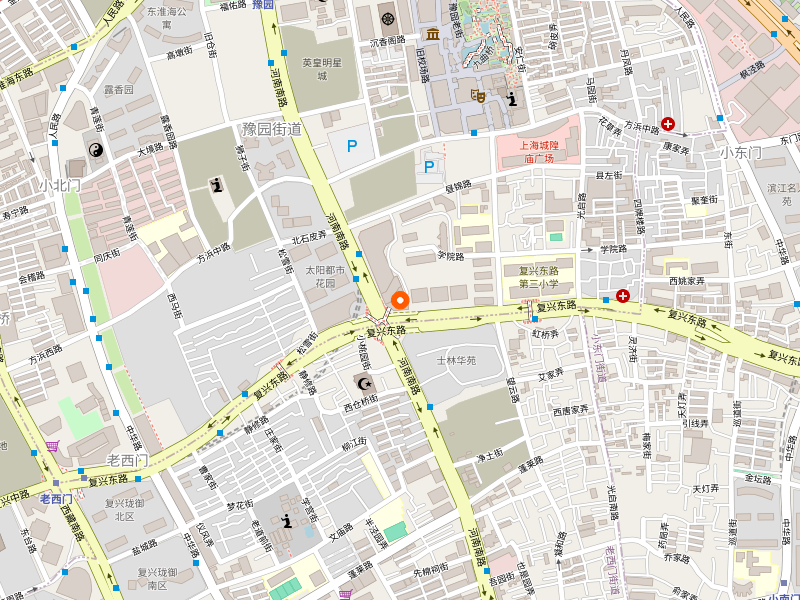
Map: Yu Garden at a Glance
Practical Tips
- Visit right at 9:00 AM opening or in the final hour before closing to avoid the tour-group crush that fills the covered corridors by mid-morning.
- Buy your garden ticket online in advance where possible — queues at the gate can be long on weekends and holidays, and the ticket window sometimes only takes mobile payment (WeChat Pay / Alipay), which can be awkward for foreign visitors.
- Combine Yu Garden with a walk to the Bund — it’s an easy 20–25 minute walk east through the Old City, or a short taxi ride if you’d rather save your legs for the garden’s rockeries.
- Photographers should aim for the Grand Rockery and the zigzag bridge over the main koi pond in soft early or late light — both get crowded with other visitors’ phones by midday.
- Save room for Nanxiang Steamed Bun Restaurant or one of the smaller xiaolongbao stalls in the bazaar — expect a queue, and go early if you don’t want to wait.
- Wear comfortable shoes: the garden’s paths are uneven stone, and the surrounding bazaar lanes are all pedestrian-only cobblestone.
Where to Stay
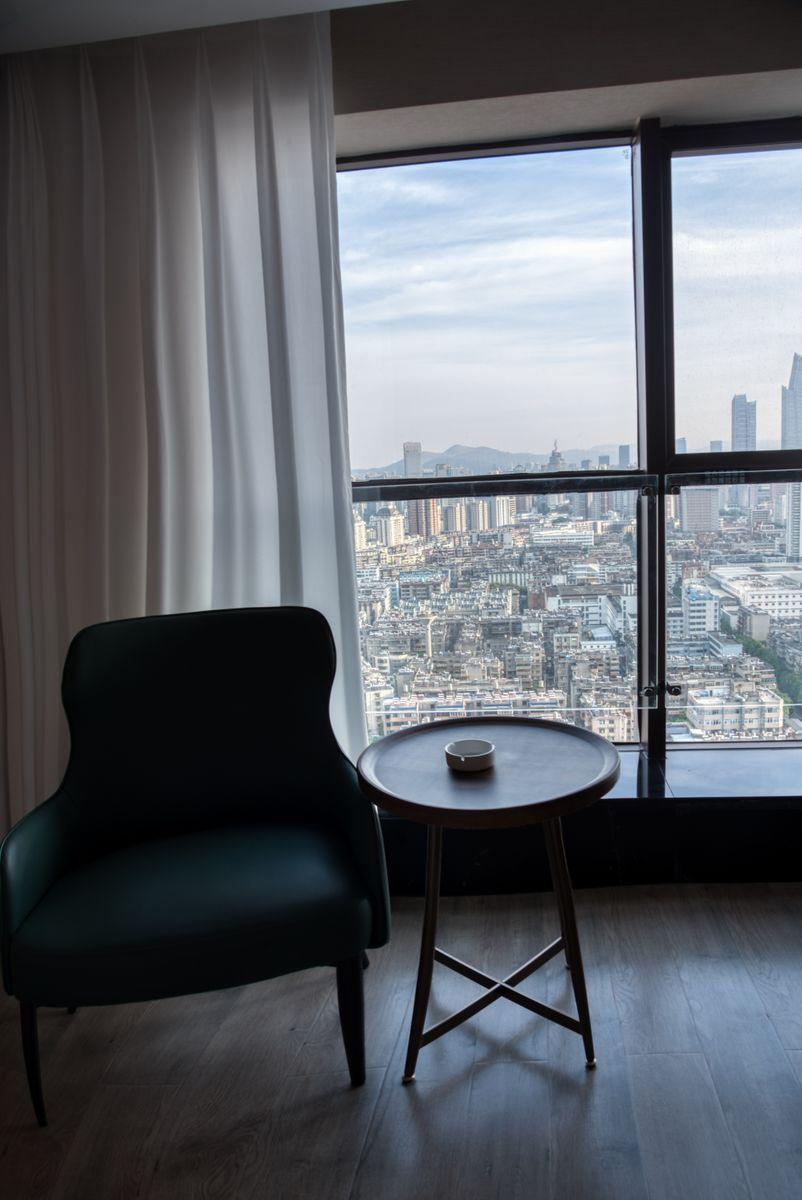
The most convenient base for Yu Garden is the Old City / Yuyuan area itself or the nearby Bund waterfront, both of which put the garden within a 10–25 minute walk and keep you close to Nanjing Road and the Huangpu River. Boutique hotels tucked into converted shikumen lane houses around the Old City offer a quieter, more atmospheric stay than the high-rise towers of Pudong across the river, though Pudong’s skyline views are hard to beat if that’s the priority. Wherever you stay, check that it’s on or near Metro Line 10 or Line 14 so the trip back to Yu Garden and the rest of Shanghai‘s sights stays quick.
Frequently Asked Questions
How much does it cost to enter Yu Garden?
¥40 (≈ $5.9) in peak season (April–June and September–November) and ¥30 (≈ $4.4) in off season (July–August and December–March) for a full-price adult ticket, with concession pricing of ¥20 / ¥15 for seniors, students, and ages 6–18 — checked 26 July 2026. The surrounding Yuyuan Bazaar streets are free.
Is the Yuyuan Bazaar the same as Yu Garden?
No — Yu Garden is the walled, ticketed classical garden, while the Yuyuan Bazaar is the free network of Ming- and Qing-style shopping streets that surrounds it. Most visitors see both in one trip.
What is the nearest metro station to Yu Garden?
Yuyuan Garden Station on Metro Line 10 (Exit 1) or Line 14 (Exit 7), both about a 10-minute walk from the garden’s main gate.
How long should I spend at Yu Garden?
Plan on 1–1.5 hours inside the garden itself, plus another 30–45 minutes if you want to browse the bazaar lanes and grab food before or after.
Final Word
Yu Garden packs four and a half centuries of Jiangnan garden design — rockeries, koi ponds, zigzag bridges, and dragon walls — into a walled pocket of Shanghai’s Old City, with a free lantern-lit bazaar and some of the city’s best-known xiaolongbao right outside its gates. Check the current season’s ticket price before you go, arrive near opening if you want the rockeries to yourself, and pair it with a walk to the Bund to bookend old Shanghai with new. This post contains affiliate links. We may earn a commission if you book through them, at no extra cost to you. Hours and prices can change — always confirm on official sources before you visit.
Related Guides
🎟️ Book Tours, Activities & Food Experiences
Search and book top attractions, tours and food experiences on Klook — official best price, instant confirmation.
Klook.com