Last updated: June 2026
Book Tours & Activities in Senso-ji Temple
Disclosure: This post contains affiliate links. If you book or buy through them, we may earn a small commission at no extra cost to you. Hours and prices can change — always confirm on official sources before you visit.
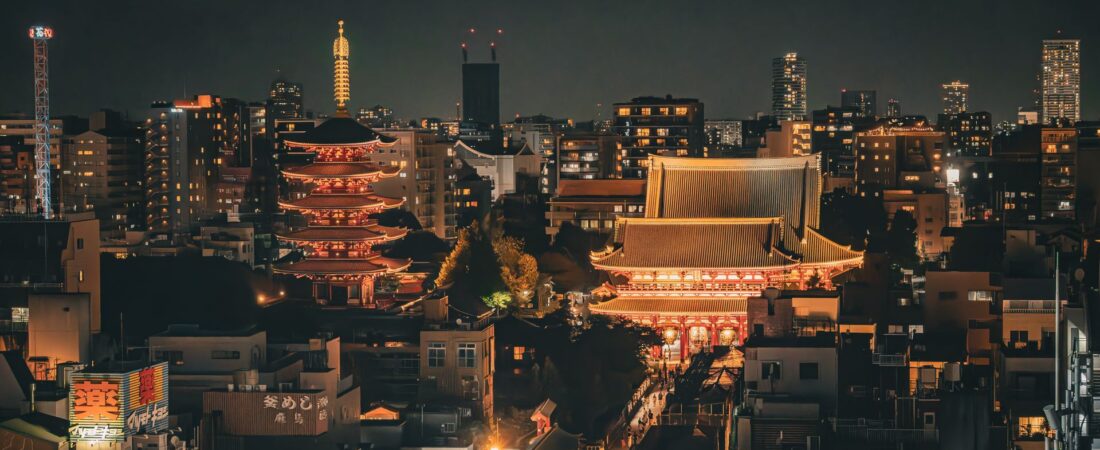
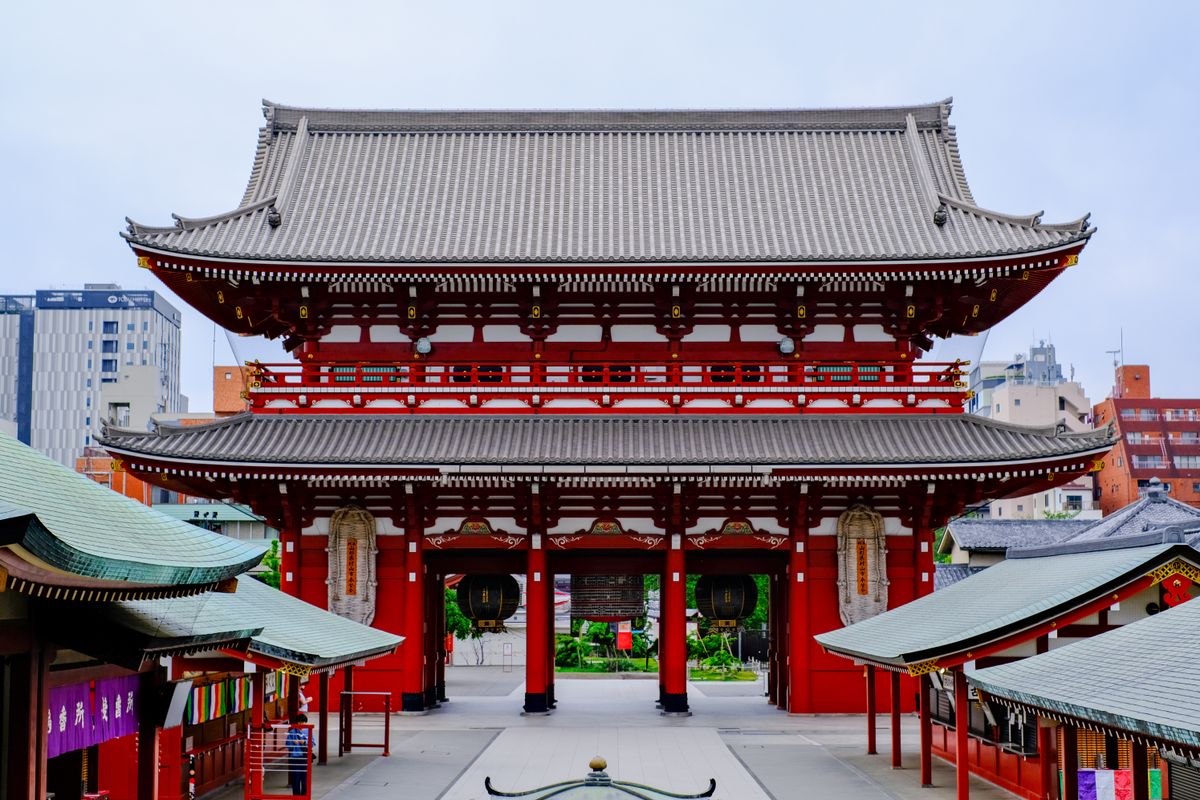
Senso-ji is Tokyo‘s oldest temple and, for most first-time visitors, the single most memorable sight in the city. You approach through a giant red gate hung with an enormous paper lantern, walk a market street that has been selling snacks and souvenirs for centuries, and arrive at a vast temple hall framed by a five-story pagoda — all of it set against the backdrop of the Tokyo Skytree. It is busy, it is photogenic, and best of all it is free to enter.
Here is how to make the most of a visit to Senso-ji and the old Asakusa district around it.
Quick Cost Overview — Senso-ji Prices at a Glance (as of July 20, 2026)
The temple and grounds are free. Below are the only real costs, with USD checked July 20, 2026 (¥162.5/$1, open.er-api.com). Amounts can change – confirm before you visit.
| Item | Local price | ≈ USD | Source / checked |
|---|---|---|---|
| Temple grounds & main hall entry | Free | Free | No ticket, checked 20 Jul 2026 |
| Omikuji fortune slip | ¥100 | ≈ $0.6 | Matcha-jp.com, checked 20 Jul 2026 |
| Goshuin temple stamp | ¥500 | ≈ $3.1 | Matcha-jp.com, checked 20 Jul 2026 |
| Goshuincho stamp book | ≈ ¥1,500 | ≈ $9.2 | Matcha-jp.com, checked 20 Jul 2026 |
A Little Context
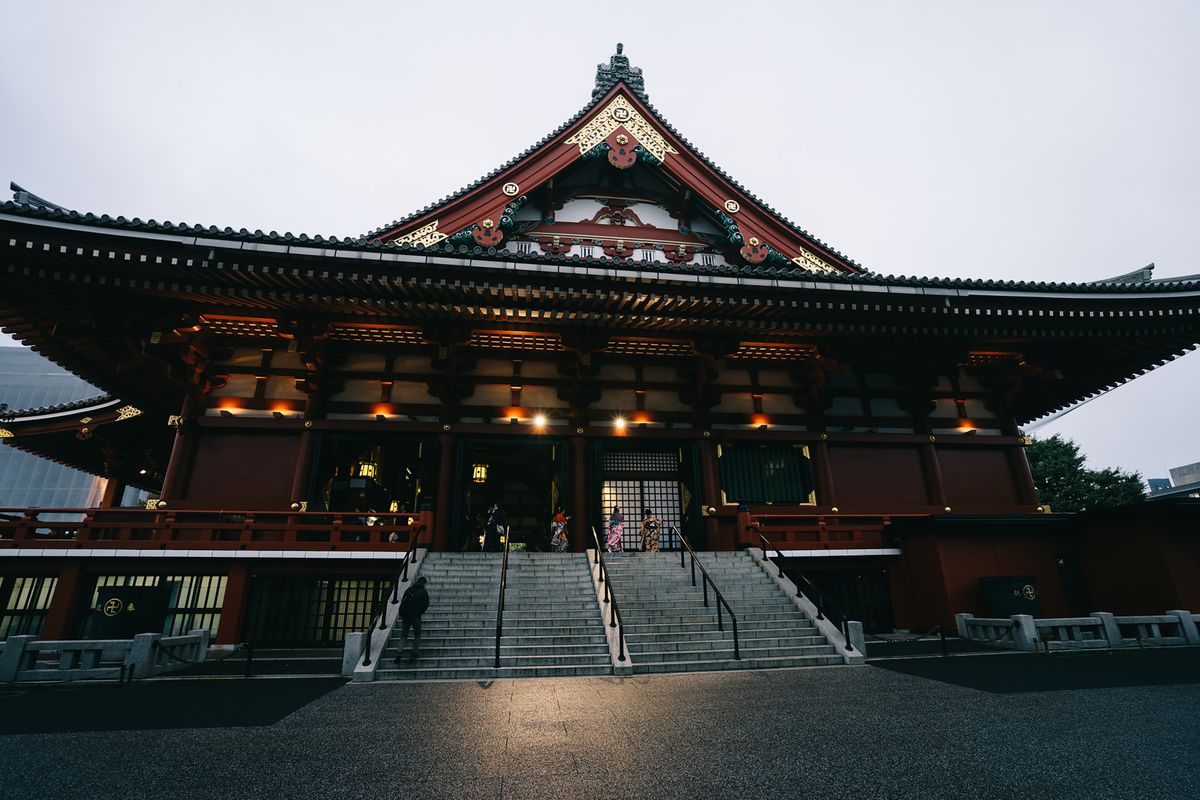
According to legend, Senso-ji was founded in the year 628 when two fishermen pulled a small golden statue of Kannon, the goddess of mercy, from the Sumida River. A temple was built to house it, and the surrounding district of Asakusa grew up as Tokyo’s entertainment and pilgrimage hub for the next thousand-plus years. The current main hall is a postwar reconstruction — the originals were destroyed in the 1945 air raids — but it faithfully reproduces the Edo-era design, and the atmosphere of old Tokyo still lingers in Asakusa’s backstreets, rickshaws, and traditional shops.
Quick Facts for 2026
The temple grounds are always open and free to enter. The main hall (Kannon-do) is open roughly 6:00 AM to 5:00 PM (from 6:30 AM in winter). The Nakamise shopping street generally runs from mid-morning until early evening, with individual stalls keeping their own hours. There is no admission fee for the temple itself, though you can buy incense, charms, and an omikuji fortune for a few hundred yen each.
Because it is free and open, the smartest “ticket” here is timing: come very early or after dark to escape the densest crowds.
How to Get There
Asakusa is well connected. The simplest route is the Tokyo Metro Ginza Line to Asakusa Station, from which Kaminarimon — the famous front gate — is a two-minute walk. The Toei Asakusa Line and the Tobu Skytree Line also stop here. If you are coming from the Skytree side, it is a pleasant 15-minute walk across the Sumida River. A scenic alternative is the Sumida River water bus from Hama-rikyu or Hinode, which drops you near the temple.
What to See
Kaminarimon (Thunder Gate)
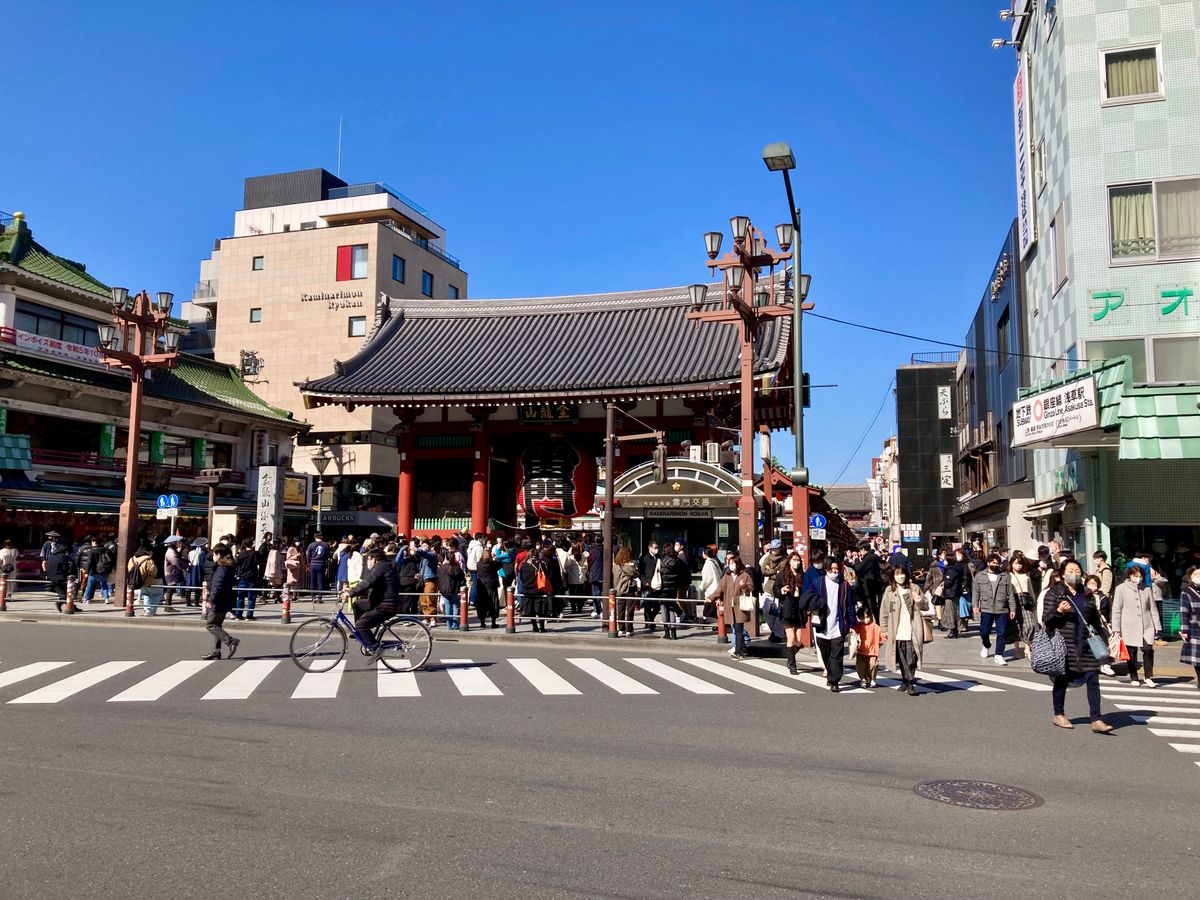
Your visit begins at Kaminarimon, the outer gate, instantly recognizable by its 700-kilogram red paper lantern flanked by the guardian statues of the gods of thunder and wind. It is the most photographed spot in Asakusa — arrive early if you want a clean shot.
Nakamise-dori
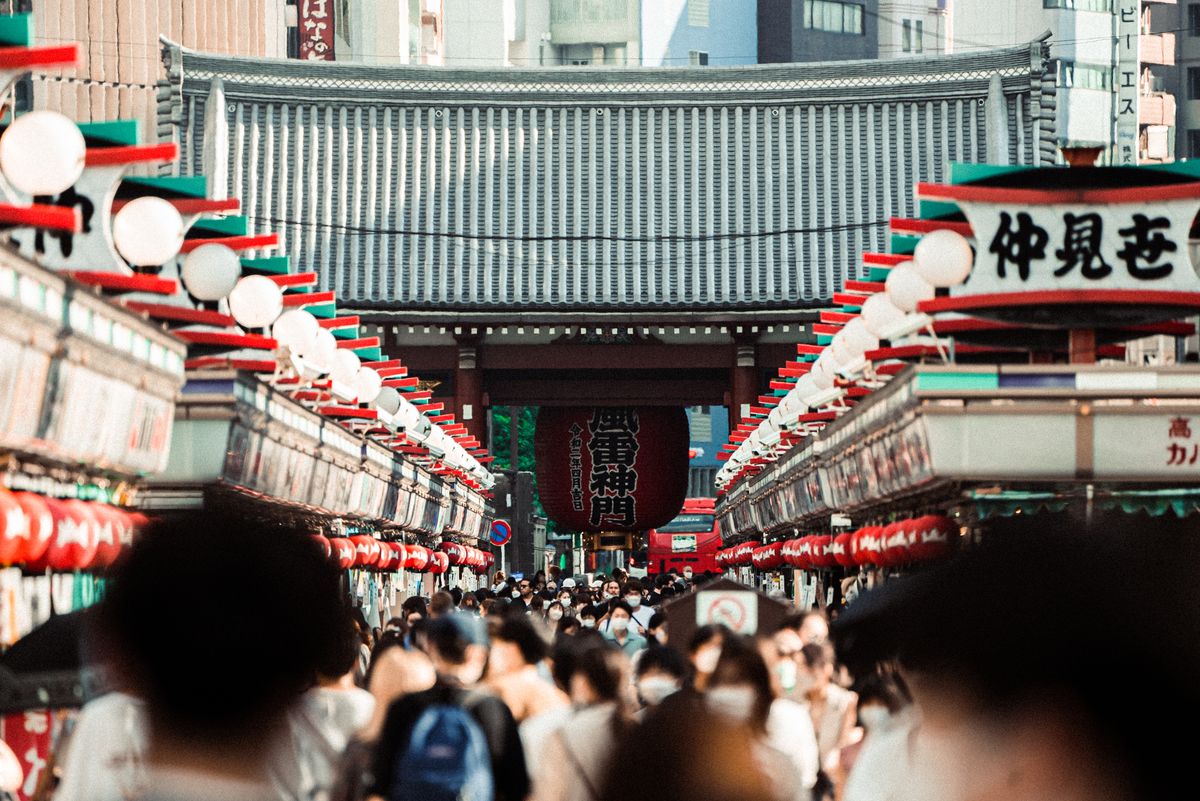
Beyond the gate stretches Nakamise, a 250-meter shopping street lined with stalls selling traditional snacks and souvenirs. This is the place to try freshly grilled senbei rice crackers, ningyo-yaki (small cakes filled with red bean paste), and age-manju (deep-fried buns). Buy snacks to eat as you walk, and browse folding fans, yukata, and trinkets.
Hozomon Gate and the Main Hall
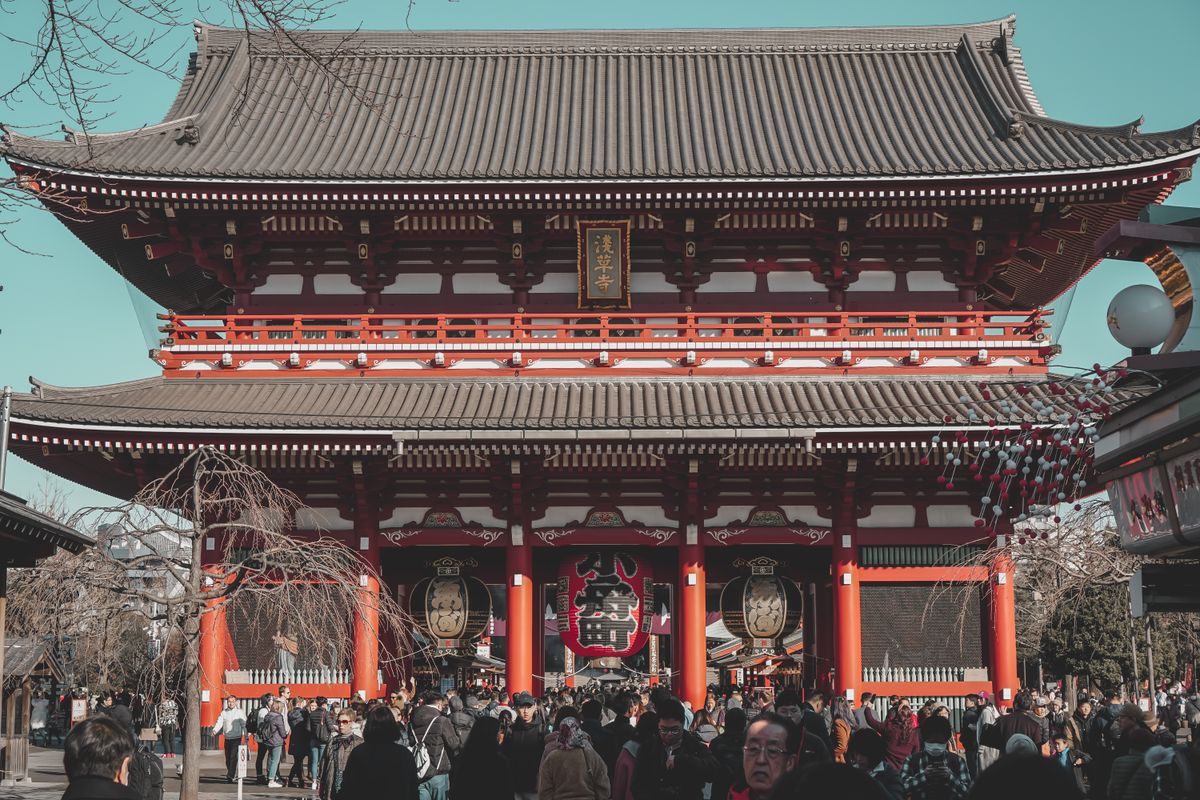
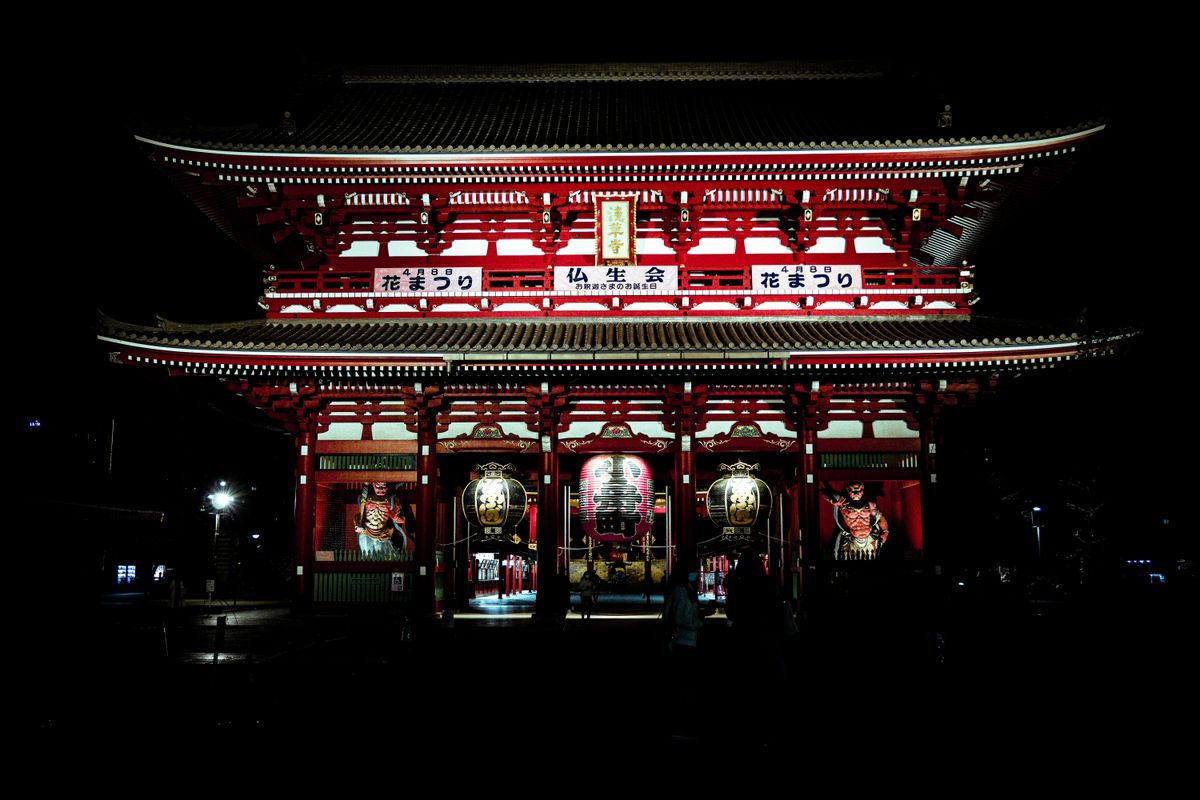
At the end of the market stands Hozomon, the inner gate, and beyond it the great main hall. Before climbing the steps, stop at the large bronze incense burner (jokoro) and waft the smoke over yourself — it is said to bring good health. Inside, visitors offer a coin, bow, and pray to Kannon. Off to the side you will find rows of drawers for drawing an omikuji fortune; if you get a bad one, tie it to the nearby rack to leave the bad luck behind.
The Five-Story Pagoda
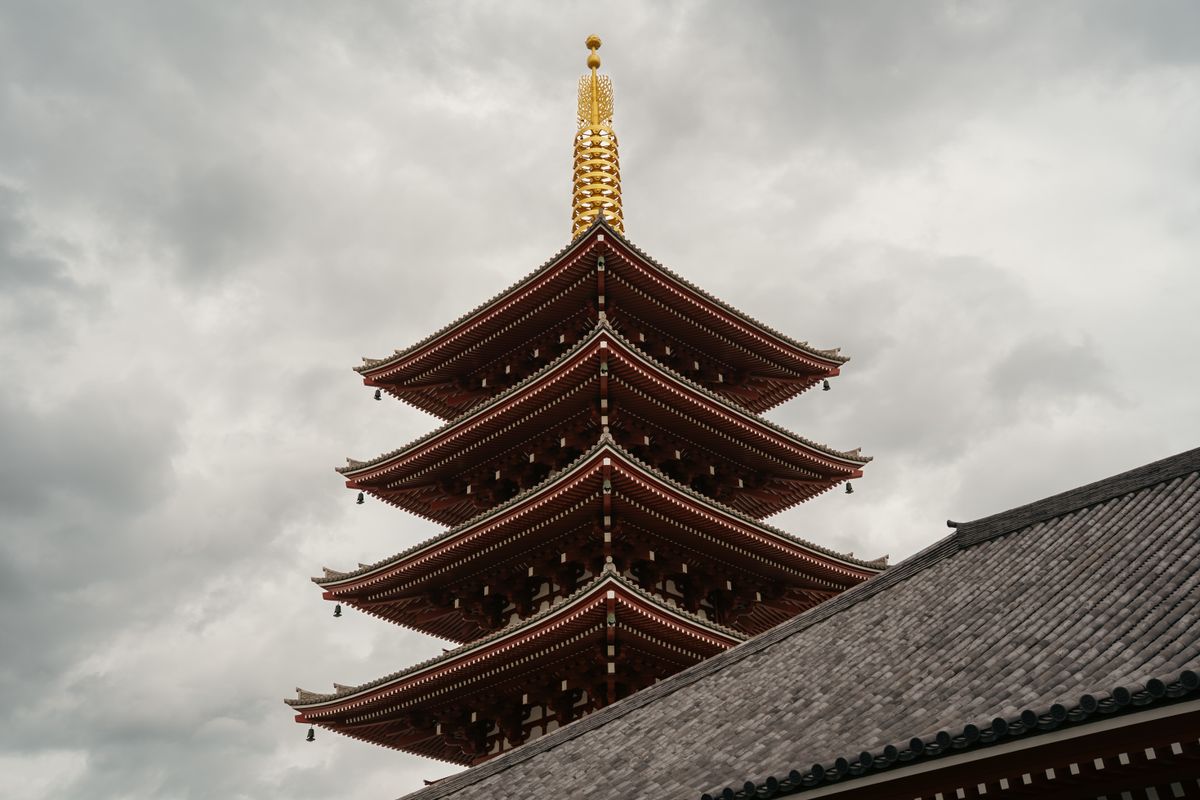
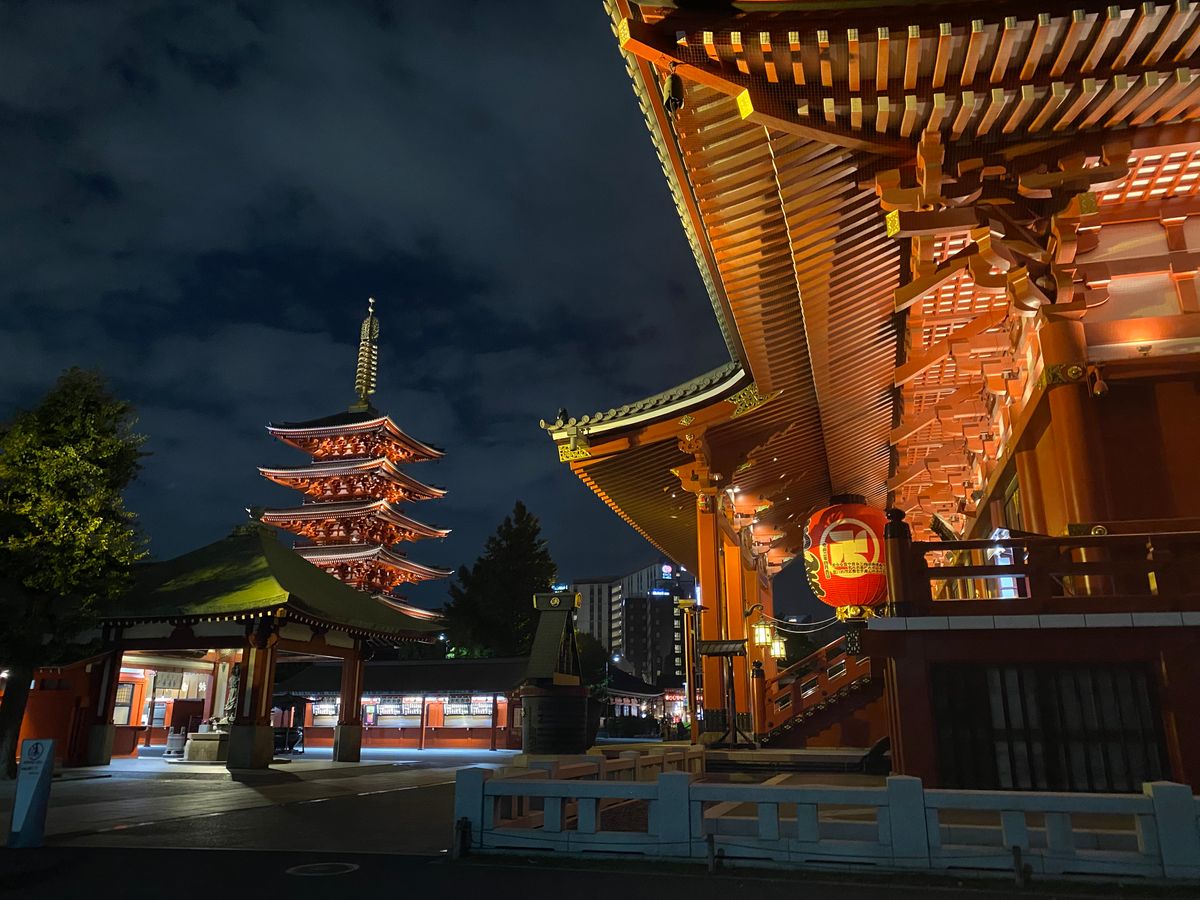
To the left of the main hall rises the elegant five-story pagoda, one of the tallest in Japan and especially striking when lit up at night. It is not open to the public inside, but it is the defining element of the Senso-ji skyline.
Asukusa’s Backstreets and Beyond
Step away from the main axis and Asakusa rewards you: quiet temple sub-shrines, the small Asakusa Shrine beside the main hall, traditional craft shops, and old-style restaurants serving tempura and sukiyaki. Rickshaw pullers offer tours, and the Sumida River and Tokyo Skytree are both an easy walk away.
When to Go
Senso-ji is spectacular year-round, but spring (late March–early April) brings cherry blossoms along the nearby Sumida River, and autumn offers crisp, clear skies ideal for photos. The temple is also a focal point for festivals — the huge Sanja Matsuri in May fills Asakusa with portable shrines and crowds, while the Sumida River Fireworks in late July light up the sky behind the temple.
For the day itself, go right at opening or in the evening. By late morning the Nakamise becomes shoulder-to-shoulder. After dark the gates and pagoda are beautifully illuminated and the crowds thin dramatically — it is the most atmospheric time to visit and the easiest for photos.
Where to Stay Near Senso-ji
Asakusa is one of Tokyo’s most rewarding areas to base yourself, full of old-town character yet well connected.
In Asakusa itself, you can stay steps from the temple, wake up to the quiet grounds before the crowds, and enjoy traditional ryokan-style inns alongside modern hotels.
Around Ueno, one stop away, you get a major transport hub, museums, and a big park, with quick access to both Asakusa and the rest of the city.
Combine It with the Rest of Tokyo
Senso-ji pairs naturally with the eastern, old-Tokyo side of the city. Cross the river to the Tokyo Skytree for the view, stroll the Sumida Park riverbank, or head to nearby Ueno for its museums and zoo — see our things to do in Tokyo guide for a full itinerary and our Tokyo transport guide for getting around. A trip to Japan means a lot of walking and a lot of train-tapping, so come prepared with comfortable shoes and a charged phone for maps and photos.
Practical Tips
- Come at opening or after dark to dodge the heaviest crowds and get the best photos.
- The temple grounds are free — you only pay for charms, fortunes, or snacks.
- Try the Nakamise street food fresh and hot, but be mindful of eating-while-walking etiquette near shrines.
- Waft the incense smoke over yourself at the burner for good health, per tradition.
- Carry some cash — many Nakamise stalls and small shops are cash-only.
- Always confirm current hall hours on the official Senso-ji site before you visit.
Frequently Asked Questions
Is there an entrance fee for Senso-ji?
No. The temple grounds and main hall are free to enter. You only pay small amounts for incense, charms, or fortunes if you wish.
What are the opening hours?
The grounds are always open. The main hall is open roughly 6:00 AM to 5:00 PM (from 6:30 AM in winter). Nakamise stalls keep daytime-into-evening hours.
How do I get there?
Tokyo Metro Ginza Line to Asakusa Station — about a two-minute walk to the Kaminarimon gate. The Toei Asakusa and Tobu lines also serve the area.
When is the best time to visit?
Early morning at opening or in the evening after the crowds thin and the gates are lit. Spring and autumn are the prettiest seasons.
How long should I spend there?
About one and a half to two hours covers the gates, Nakamise, the main hall, and the pagoda — longer if you explore Asakusa’s backstreets and the riverside.
Can I see Senso-ji and the Tokyo Skytree on the same day?
Yes. They are about a 15-minute walk apart across the Sumida River, making them an easy pair.
Final Word
Senso-ji distills everything appealing about old Tokyo into one free, easy visit: a giant lantern gate, a centuries-old market street, incense smoke and prayer, and a pagoda glowing against the night sky. Go early or go late, leave time to wander Asakusa, and it will likely be the Tokyo memory you keep longest.
🎟️ Book Tours, Activities & Food Experiences
Search and book top attractions, tours and food experiences on Klook — official best price, instant confirmation.
Klook.com