This post contains affiliate links. If you book or buy through them, we may earn a small commission at no extra cost to you.
Written from Japan, last updated June 2026
Top Attractions in Tokyo
Tap a landmark for its full 2026 guide — tickets, hours and how to get there.
Top Attractions in Tokyo
Tap a landmark for its full 2026 guide — tickets, hours and how to get there.
Book Tours & Activities in Tokyo
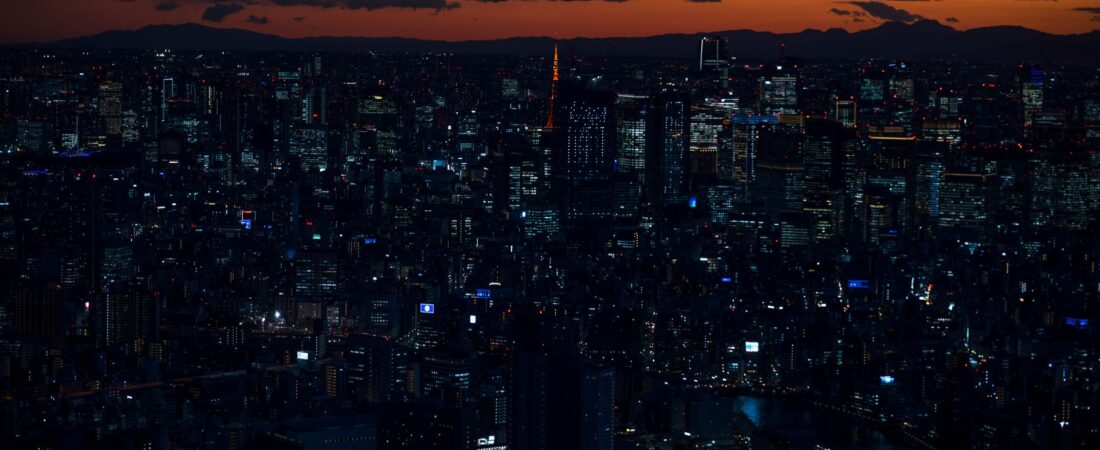
Tokyo is less a single city than a stack of them. A thousand-year-old temple sits a short train ride from the busiest pedestrian crossing on earth; a hushed garden hides behind a wall of neon. First-timers often arrive bracing for chaos and leave surprised by how calm, clean, and effortless it all feels once you crack the train system.
That is really the whole game here: pick a few neighborhoods, learn to tap in and out with an IC card, and let each district show you a different side of the city. Three days covers the icons comfortably, and five lets you add a day trip. Here is how I steer first-timers through it.
Please read before you book: Prices below were checked on 15 July 2026 from official and booking sources. Admission fees and fares change over time — treat these as a planning baseline and confirm the live price on the official site or the booking widget below before you go.
| Item | Price (adult) | Notes | Checked / source |
|---|---|---|---|
| Keisei Skyliner, Narita Airport → Ueno (one-way) | ¥2,470 (≈ $15) | Fastest airport-to-city train, about 41 minutes; slightly cheaper with an IC card or online booking | Jul 2026 · Keisei Electric Railway (official) |
| Tokyo Subway 24-hour Ticket | ¥1,000 (≈ $6.2) | Unlimited rides on all Tokyo Metro + Toei Subway lines for 24 hours from first use | Jul 2026 · Tokyo Metro (official) |
| Tokyo Skytree, Tembo Deck (350m) | ¥2,100 (≈ $13) | Advance online, weekday adult price; same-day and weekend tickets cost more | Jul 2026 · Tokyo Skytree (official) |
| teamLab Planets TOKYO | ¥3,600 (≈ $22) | Adult (18+) entrance pass, starting price; slots sell out days in advance | Jul 2026 · teamLab Planets DMM ticket store (official) |
| Shibuya Sky observation deck | ¥2,700 (≈ $17) | Advance online ticket, entry before 3pm; later slots and same-day tickets cost more | Jul 2026 · Shibuya Sky official site |
| Meiji Jingu Museum (Treasure Museum) | ¥1,000 (≈ $6.2) | Shrine grounds themselves are free; this fee covers the on-site museum only. Closed Thursdays | Jul 2026 · Meiji Jingu (official) |
Start in Asakusa: Old Tokyo
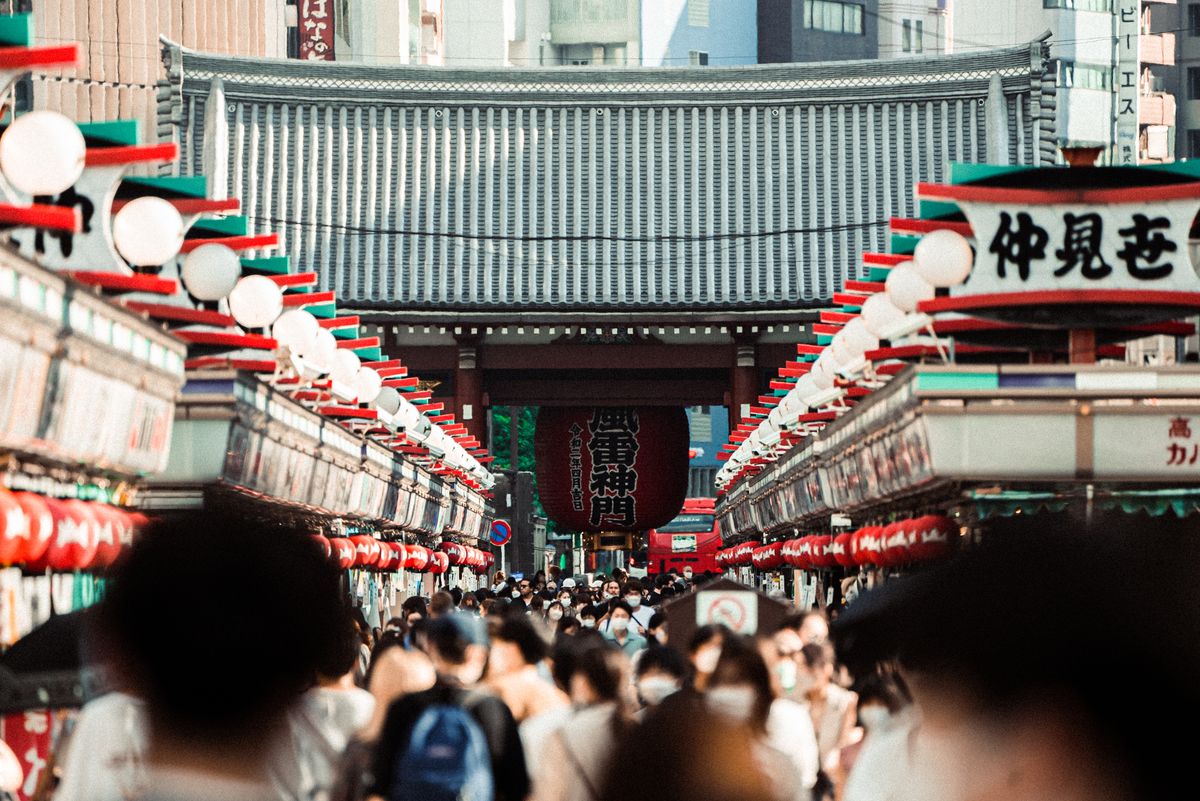
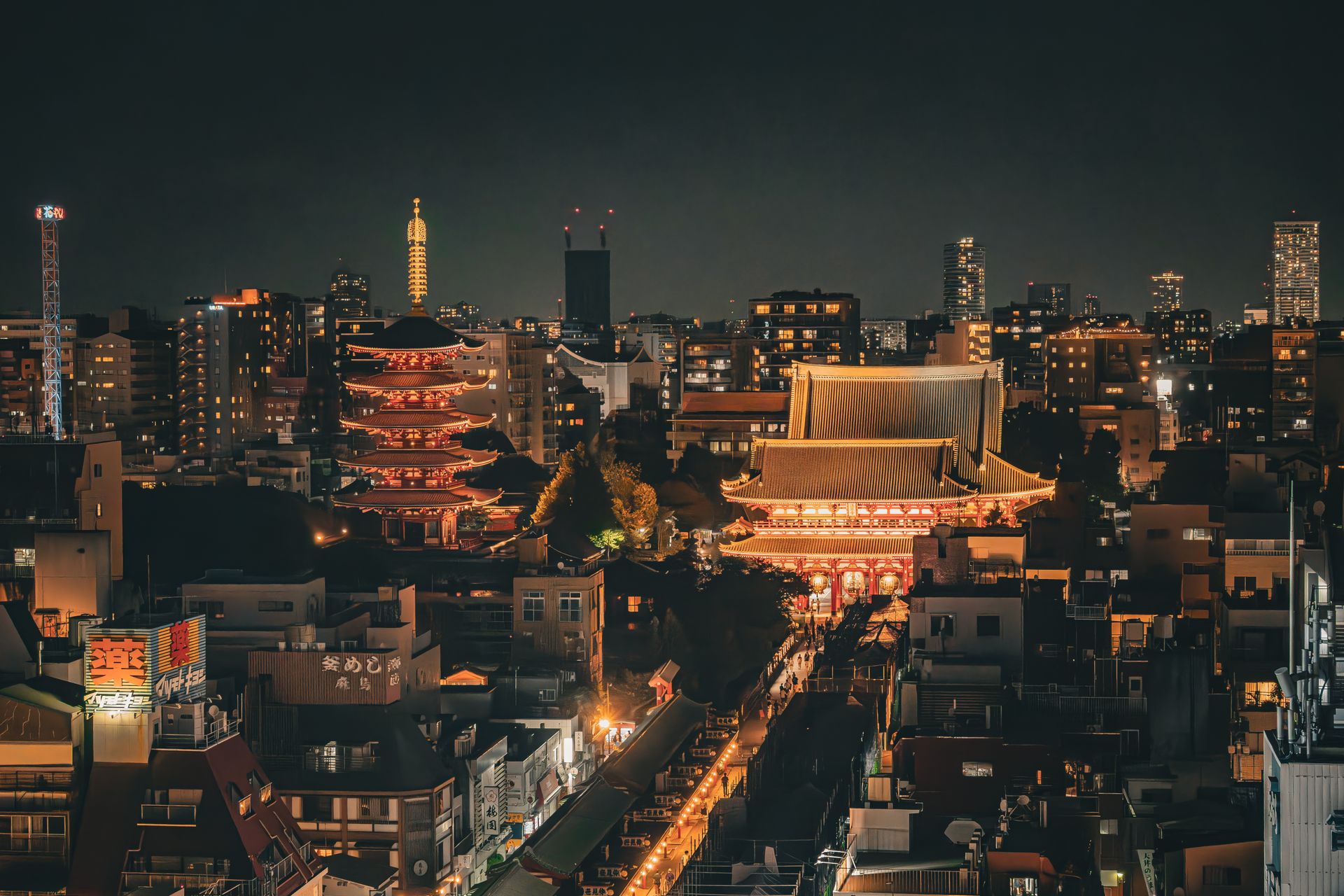
Begin where the city began. Senso-ji in Asakusa is Tokyo’s oldest temple, founded in the 7th century, and the approach through the giant red Kaminarimon gate down Nakamise-dori, a lane of stalls selling rice crackers and folding fans, is one of those first-morning moments that makes the jet lag worth it. Go early, before nine, and you get the temple grounds almost to yourself.
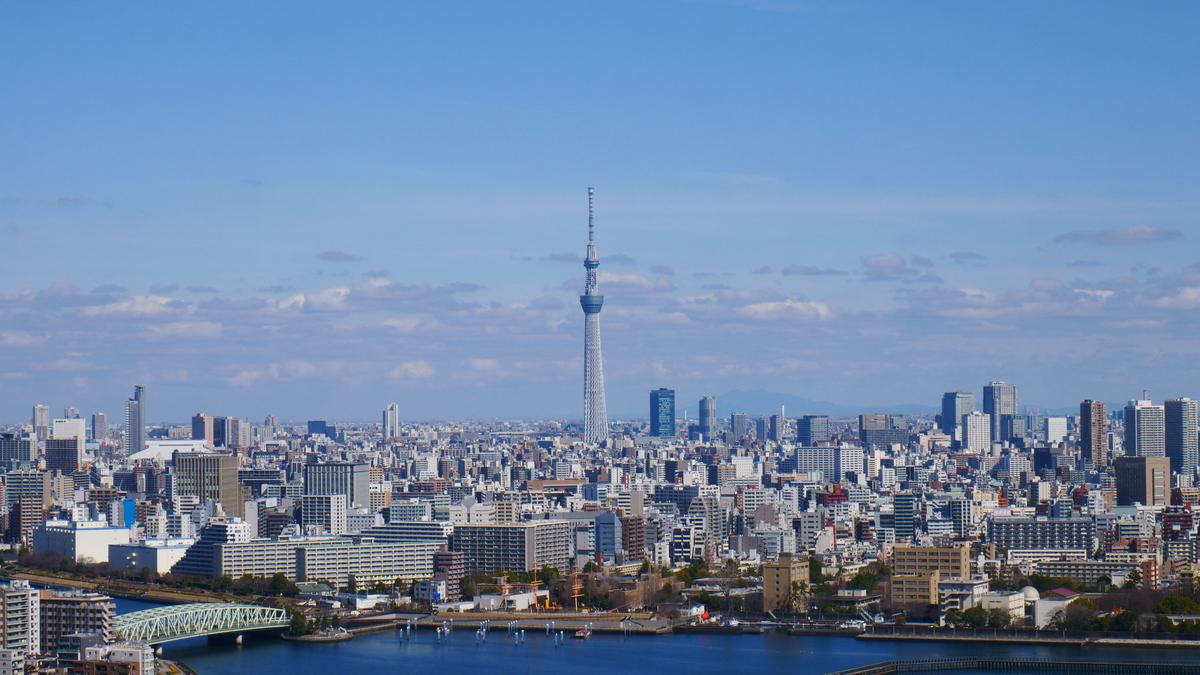
From there it is a short walk to the river, where you can look across at the Tokyo Skytree, the tallest tower in Japan. You can ride to its observation decks for a view that stretches to Mount Fuji on a clear day, though Asakusa itself, with its old-Tokyo backstreets and traditional sweet shops, is the real reason to linger.
Shibuya and Harajuku: The Tokyo of the Movies
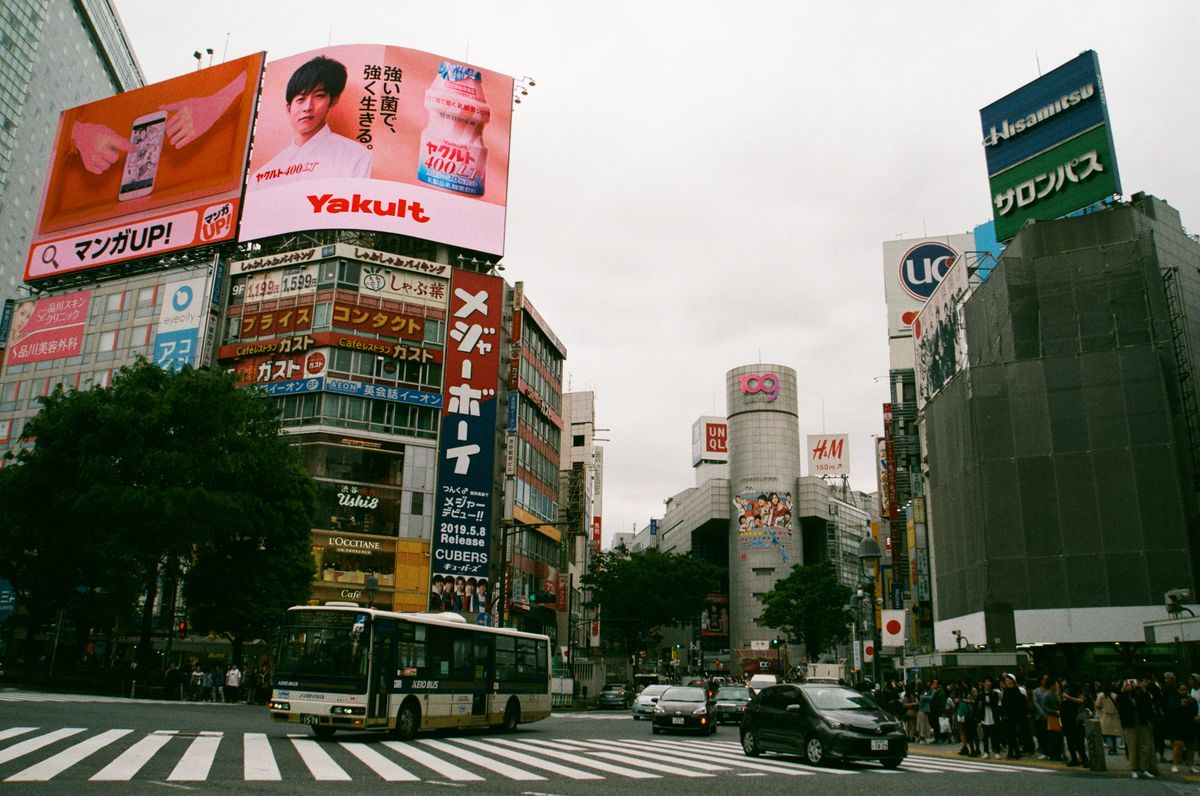
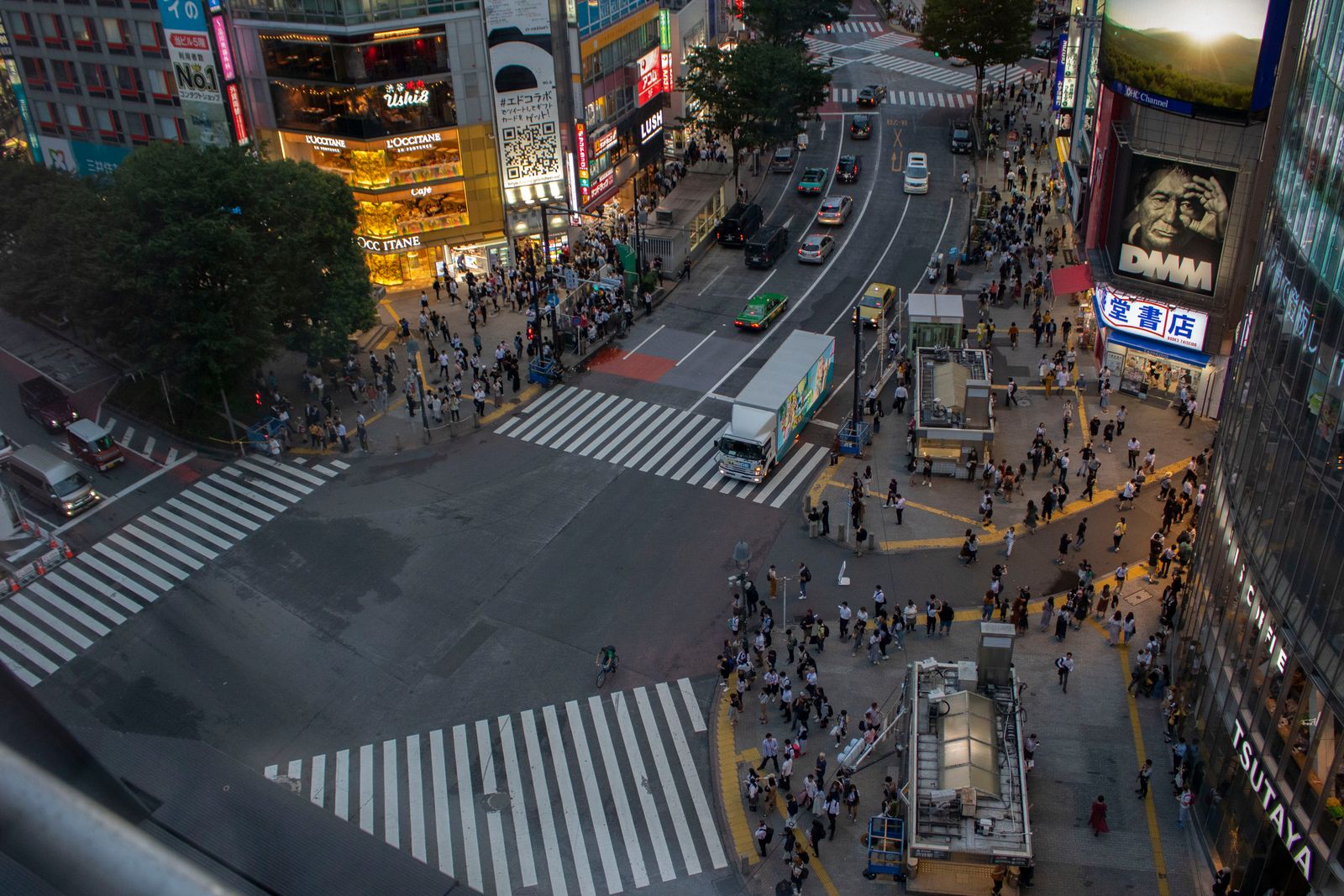
If Asakusa is the past, Shibuya is the present, and you feel it the second you step out of the station into the Shibuya Crossing, where waves of people flood the intersection from every direction at once. Watch it from the second-floor windows of the Starbucks, or get above it all at Shibuya Sky, a rooftop observation deck that is one of the best sunset spots in the city. It sells out, so book your time slot before you fly.
A ten-minute walk north, Harajuku is youth-culture central: the crepe stands and boutiques of Takeshita Street, then the calmer, more upscale Omotesando just beyond. Tuck between them and you reach Meiji Jingu, a grand Shinto shrine wrapped in a forest of a hundred thousand trees, an astonishing pocket of quiet given what is on the other side of the wall.
Shinjuku: Neon, Gardens, and Nightlife
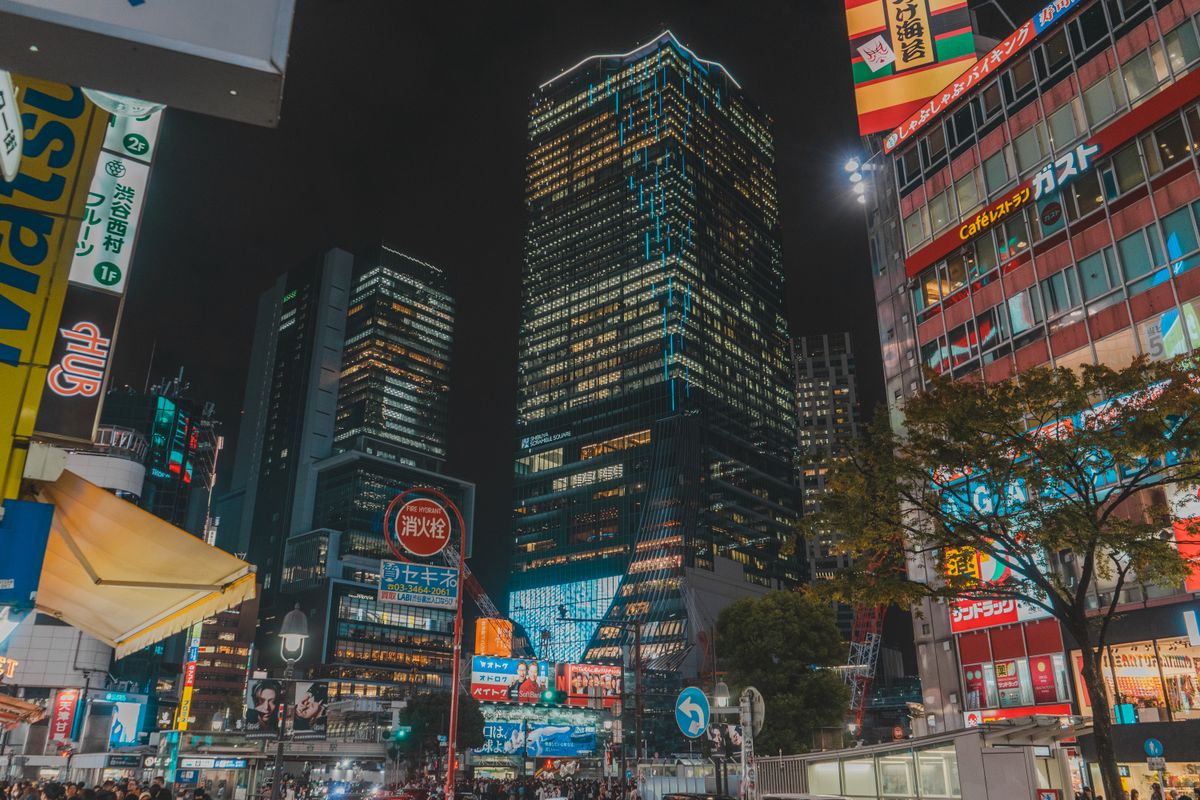
Shinjuku is Tokyo at full volume and the most useful base in the city. By day, Shinjuku Gyoen is one of the finest gardens in Tokyo, a sweep of lawns and cherry trees that is glorious in spring. By night, the area around Omoide Yokocho and the lantern-lit alleys turns into a maze of tiny yakitori counters seating six people at a time, and the neon of Kabukicho lights up the sky.
For a free skyline view, ride to the observation decks of the Tokyo Metropolitan Government Building; for a famous one, the nearby Park Hyatt bar from “Lost in Translation” still draws pilgrims. Shinjuku Station is the busiest in the world, which sounds intimidating but mostly means you can get anywhere from here.
If you want a slice of Tokyo’s quirkier side, the Golden Gai is a cluster of six tiny alleys packed with around two hundred miniature bars, many seating just a handful of drinkers and each with its own theme. It is touristy now but still atmospheric, and a single drink in one of the friendlier bars is a memorable way to end a night in Shinjuku.
A Few More Tokyo Essentials
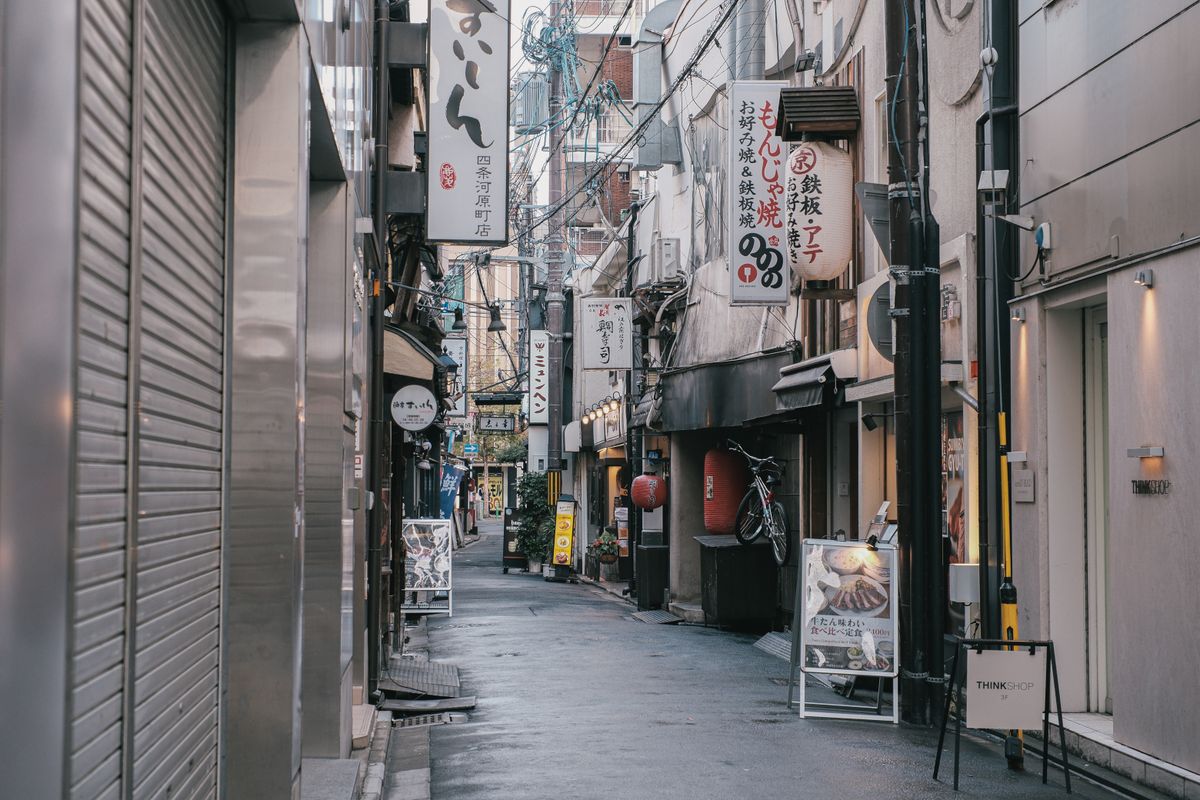
Two experiences worth booking ahead. teamLab digital art museums turn whole buildings into immersive light installations and sell out days in advance. And the food: do not leave without a proper bowl of ramen, a conveyor-belt sushi meal, and a wander through a depachika, the jaw-dropping food hall in the basement of any major department store.
Tokyo also rewards looking up and looking down. The Tsukiji Outer Market still serves spectacular seafood breakfasts even though the wholesale auctions moved to Toyosu, and an early morning there, grazing on grilled scallops and tamagoyaki, is one of the great cheap thrills of the city. For a calmer afternoon, the gardens of Hamarikyu sit right on the water with skyscrapers behind them and a teahouse on an island in the central pond, a postcard of old and new Japan in one frame.
One practical note that saves first-timers real grief: Japan still runs on its own plug type and pocket data is gold for navigating, so sort your connectivity and adapter before you land rather than scrambling at the airport.
More Tokyo: Quirky Districts and Easy Day Trips
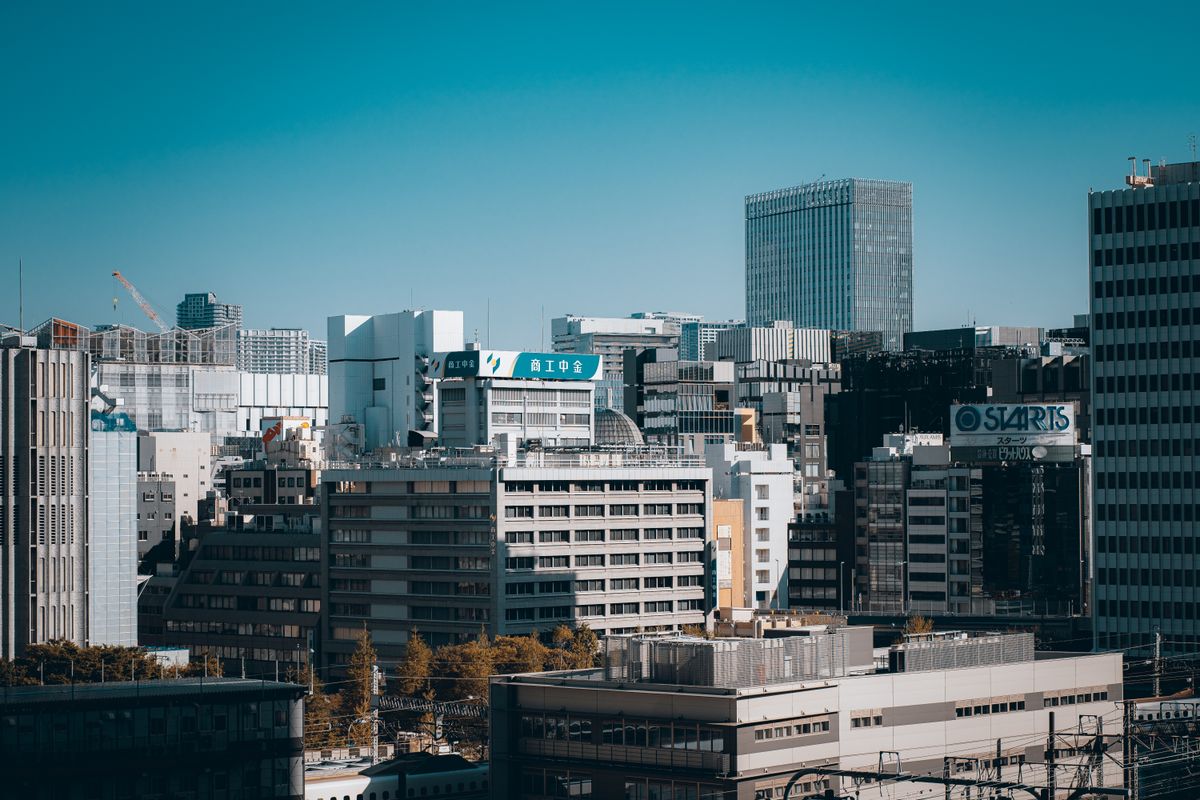
Once the headline neighborhoods are done, Tokyo’s character lives in its smaller districts. Akihabara is the electronics-and-anime quarter, a wall of neon, arcades, and multi-floor hobby shops that is worth an evening even if you have no idea what a gachapon is. Ginza is the polished, big-money shopping district, best on weekend afternoons when the main avenue closes to traffic. Yanaka, by contrast, is one of the few areas to survive the war intact, a quiet maze of old wooden houses, temples, and a sleepy shopping street that feels a century removed from Shibuya. Shimokitazawa, a short ride southwest of Shibuya, is the neighborhood locals point first-timers to in 2026 – a walkable tangle of vintage clothing shops, tiny live-music theaters, and artisan bakeries and cafes, with a laid-back, indie feel that is a world away from the bigger districts.
For green space, the Imperial Palace East Gardens and Ueno Park, with its cluster of major museums and a famous spring cherry-blossom show, both make easy half-days. And when you want out of the city entirely, Tokyo is a brilliant base for day trips: Kamakura for its giant bronze Buddha and coastal temples is under an hour away, Hakone offers hot springs and Mount Fuji views, and Nikko rewards a longer haul with ornate shrines in the mountains. Any of them slots neatly into a five-day stay without changing hotels.
Where to Stay in Tokyo
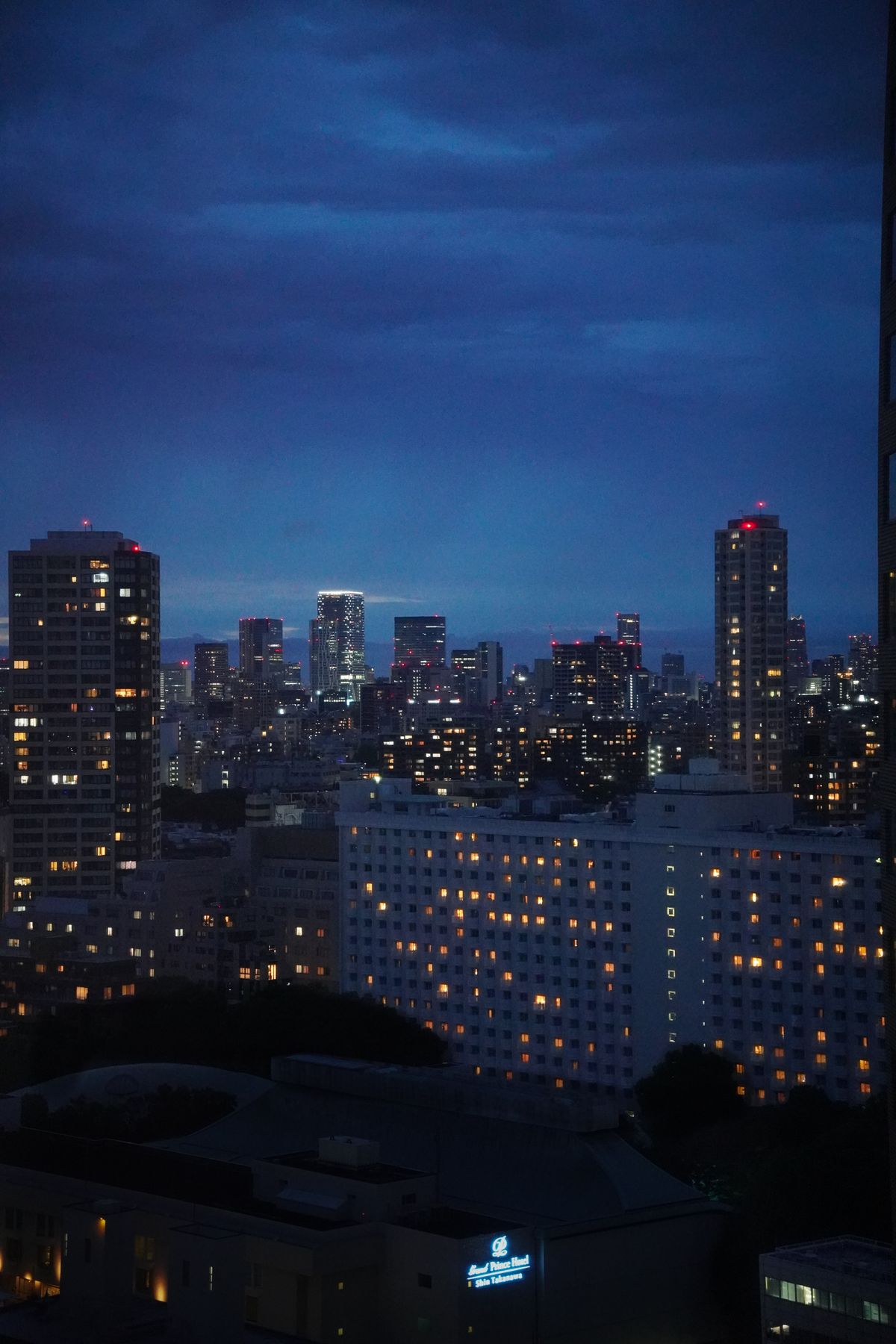
Tokyo is huge, but the train network means you do not need to be in the dead center, just near a major line. Three areas suit most first visits.
Shinjuku is the best all-rounder. It is a transport megahub on the JR Yamanote Line and several subway lines, so everything on a first-timer itinerary is a direct ride away, and you have restaurants, gardens, and nightlife on your doorstep. It fits travelers who want energy and convenience in one place.
Shibuya puts you in the young, stylish heart of the city, walkable to Harajuku and the crossing, and just as well connected. It is a touch trendier and busier than Shinjuku, ideal if shopping and nightlife are high on your list.
Asakusa is the quieter, more traditional choice, with old-Tokyo streets, larger and often cheaper rooms, and an easygoing pace. It is a little further from the nightlife but charming, and it suits families or anyone wanting a calmer base.
Book early for the spring cherry blossom weeks and the autumn foliage season, when the best-located hotels go fast.
Getting Around Tokyo
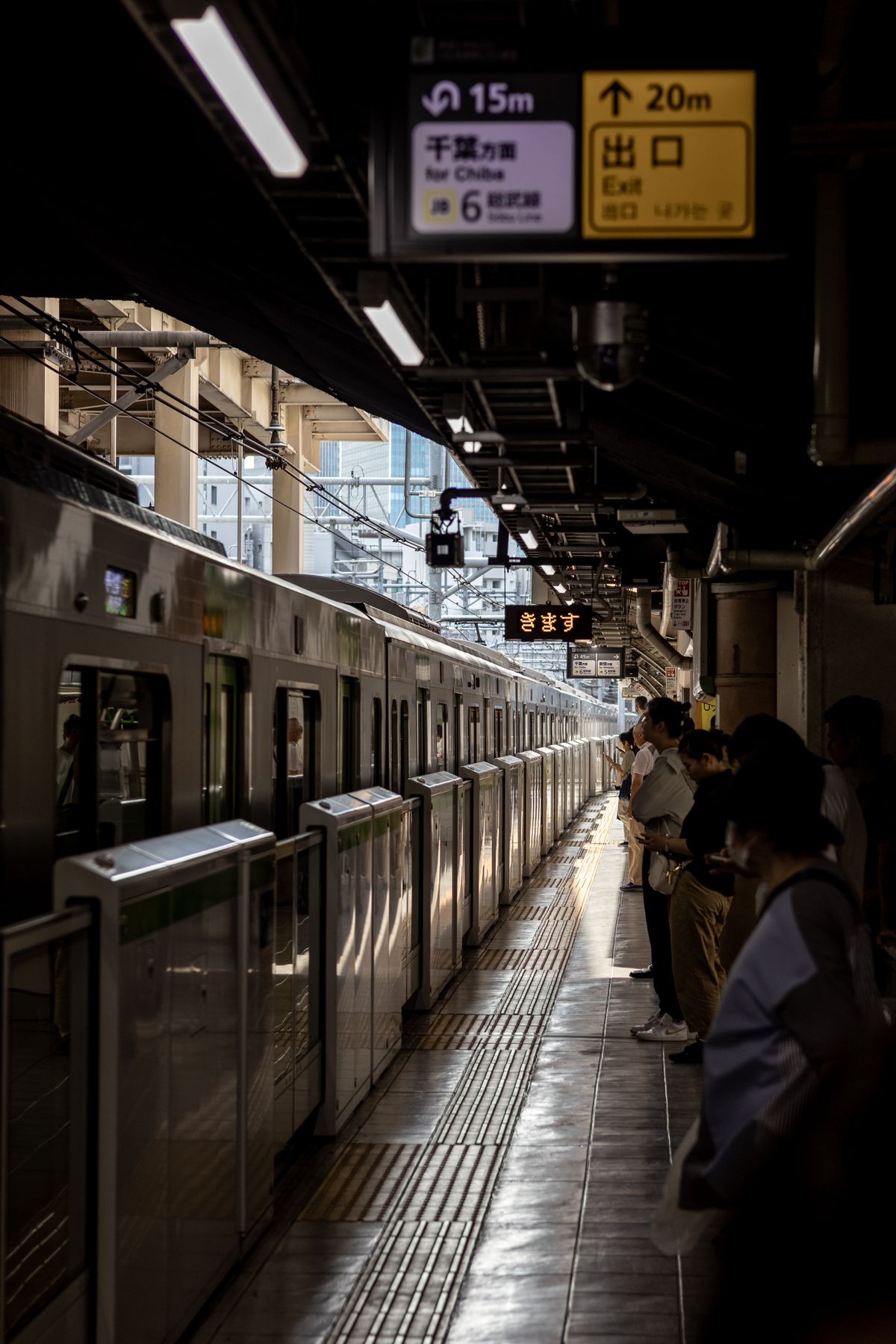
Get an IC card the moment you arrive: a Suica or PASMO, or the tourist Welcome Suica, or the mobile version in your phone’s wallet, which is the smoothest option of all. You tap in and out on every train and use the same card at convenience stores and vending machines. For routing, Google Maps works well in Japan and tells you exact platforms and which car to board.
If you are adding day trips to Hakone, Kamakura, or Nikko, look at whether a regional pass beats individual tickets, but for getting around Tokyo itself the IC card is all you need.
Practical Tips for First-Timers
A handful of small things make Tokyo feel even easier. Carry some cash despite the city’s modern image, as smaller restaurants, shrines, and older shops are still cash-only, though convenience-store ATMs (7-Eleven and Japan Post) reliably take foreign cards. Pocket wi-fi or an eSIM keeps your maps live, which matters in a city where addresses are notoriously hard to find on your own.
Etiquette is gentler than its reputation, but a few habits help: keep your voice down on trains, do not eat while walking, queue politely on platform markings, and never tip, as it is simply not part of the culture and can be awkward. Tokyo is one of the safest large cities anywhere, so you can wander late without worry. Trash cans are famously scarce on the street, so be ready to carry your rubbish until you find one. And give yourself buffer time at the megastations like Shinjuku and Tokyo, where finding the right exit can take longer than the train ride.
A Sample 3-Day Plan
- Day 1: Asakusa and Senso-ji in the morning, Tokyo Skytree, then an evening in Shinjuku’s alleys.
- Day 2: Meiji Jingu, Harajuku, and Shibuya, finishing with sunset at Shibuya Sky.
- Day 3: teamLab or the Imperial Palace gardens, a depachika food hall, and your pick of neighborhood for the last night.
Frequently Asked Questions
How many days do you need in Tokyo?
Three days covers the iconic neighborhoods, temples, and food. Five to seven lets you go deeper and add day trips to Hakone, Kamakura, or Nikko without rushing.
Is Tokyo expensive?
It can be, but it does not have to be. Trains are cheap, and you can eat brilliantly for very little at ramen shops, conveyor-belt sushi, and convenience stores. Accommodation is usually the biggest cost, especially in peak seasons.
What is the best time to visit Tokyo?
Spring (late March to April) for cherry blossoms and autumn (November) for foliage are the highlights, with mild weather. Summer is hot and humid; winter is cold but clear and far less crowded.
Do I need to speak Japanese?
No. Major stations and attractions have English signage, train apps handle routing, and translation apps cover menus. Learning a few polite phrases goes a long way.
Final Word
Tokyo rewards a simple strategy: one neighborhood at a time, an IC card in your pocket, and a willingness to wander off the main street into the quiet ones. Hit a temple in the morning, a viewpoint at sunset, and an alley full of tiny restaurants after dark, and you will understand why so many travelers start planning their return on the flight home.
Heading elsewhere in Japan? See our guides to the best things to do in Kyoto and our Japan first-timer travel tips for trains, money, and etiquette.
This post contains affiliate links. If you book or buy through them, we may earn a small commission at no extra cost to you.
Related Guides
- Best Things to Do in Kobe
- Best Things to Do in Kyoto
- Best Things to Do in Fukuoka
- Best Things to Do in Osaka
- How to Get and Use the JR Pass in Japan
- How to Ride Taiwan's High-Speed Rail
Related Guides
- Best Things to Do in Kobe
- Best Things to Do in Kyoto
- Best Things to Do in Fukuoka
- How to Get and Use the JR Pass in Japan
- How to Ride Taiwan's High-Speed Rail
- How to Get from Narita and Haneda Airport to Central Tokyo
Related Guides
- Best Things to Do in Kobe
- Best Things to Do in Osaka
- Best Things to Do in Fukuoka
- How to Get and Use the JR Pass in Japan
- How to Ride Taiwan's High-Speed Rail
- How to Get from Narita and Haneda Airport to Central Tokyo
🎟️ Book Tours, Activities & Food Experiences
Search and book top attractions, tours and food experiences on Klook — official best price, instant confirmation.
Klook.com