Last updated: July 2026
This post contains affiliate links. If you book or buy through them, we may earn a small commission at no extra cost to you. Prices and hours can change — always confirm on official sources before you visit.
Book Tours & Activities in Bulguksa Temple
Hand-picked Gyeongju experiences you can book online — Bulguksa & Seokguram combo tours, private guides and full-day Silla heritage trips:
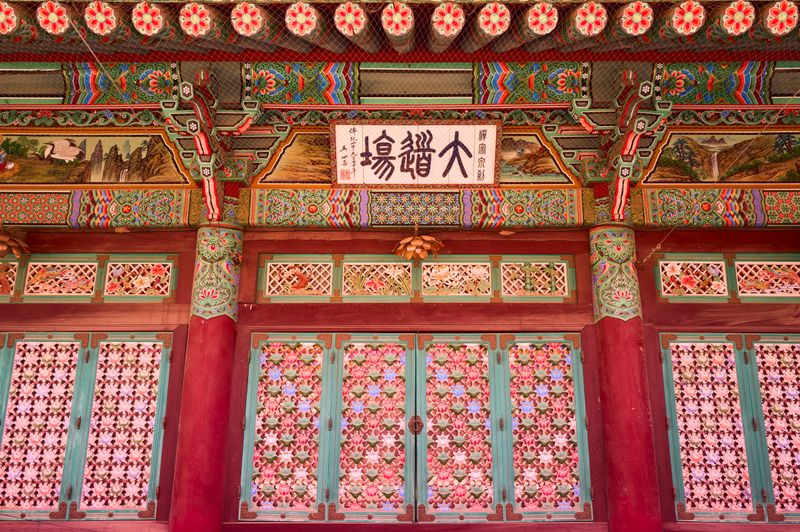
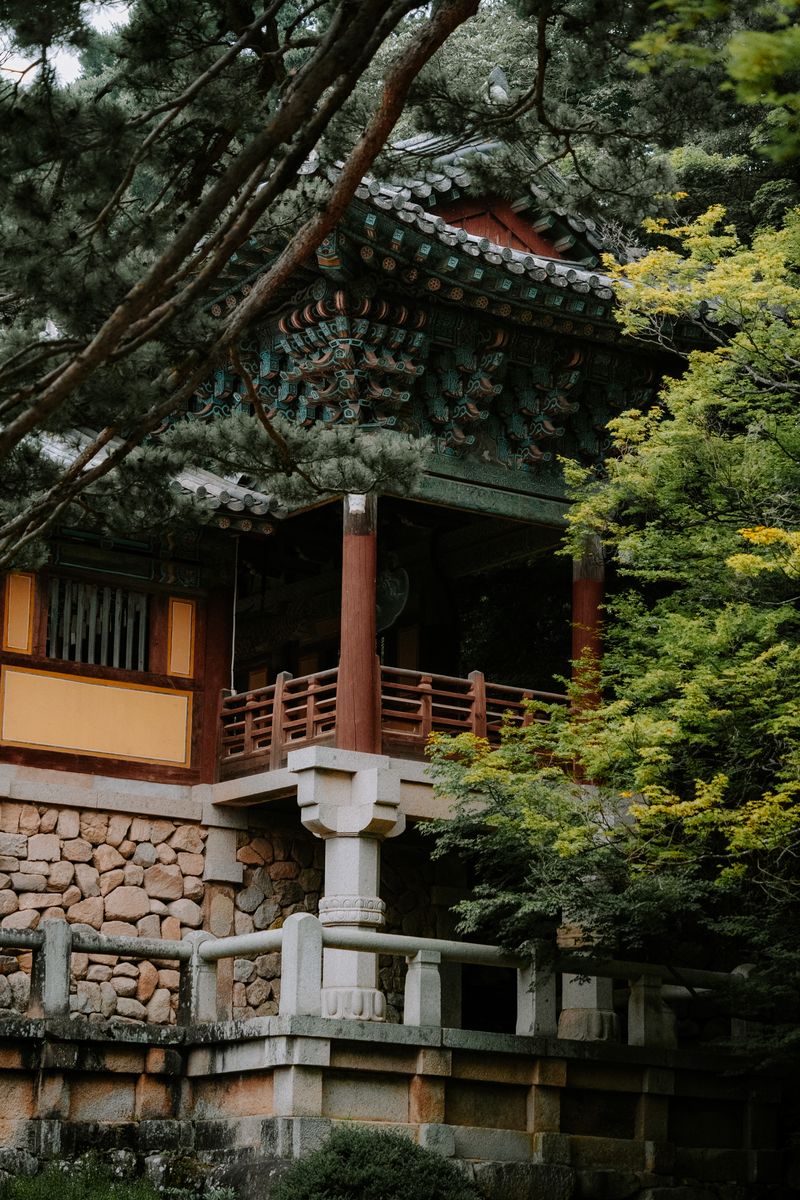
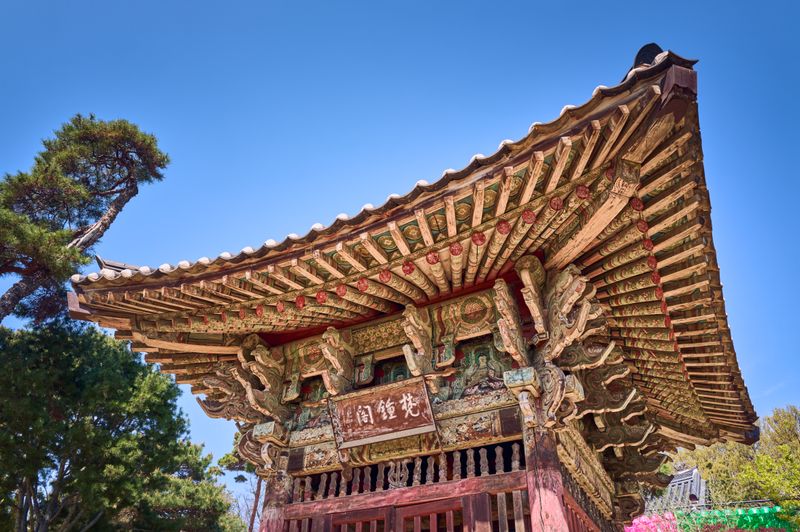
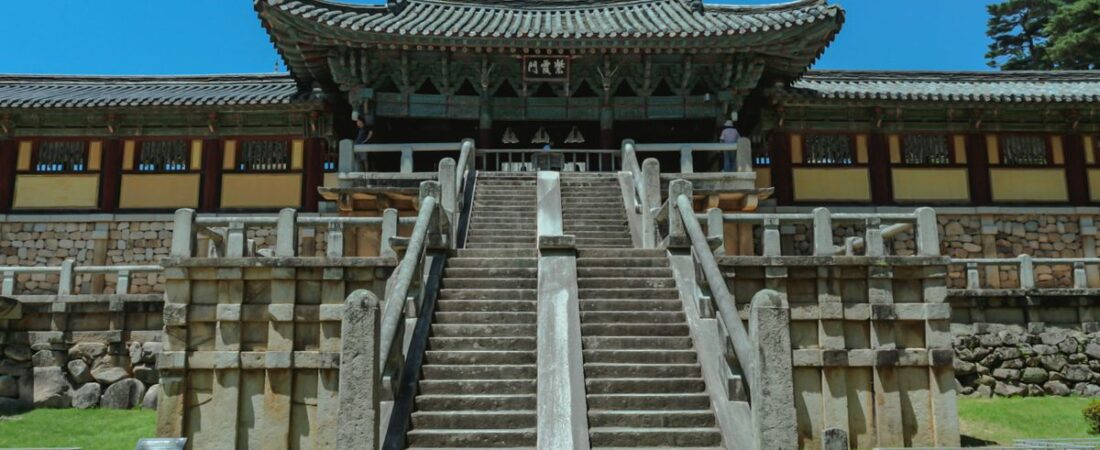
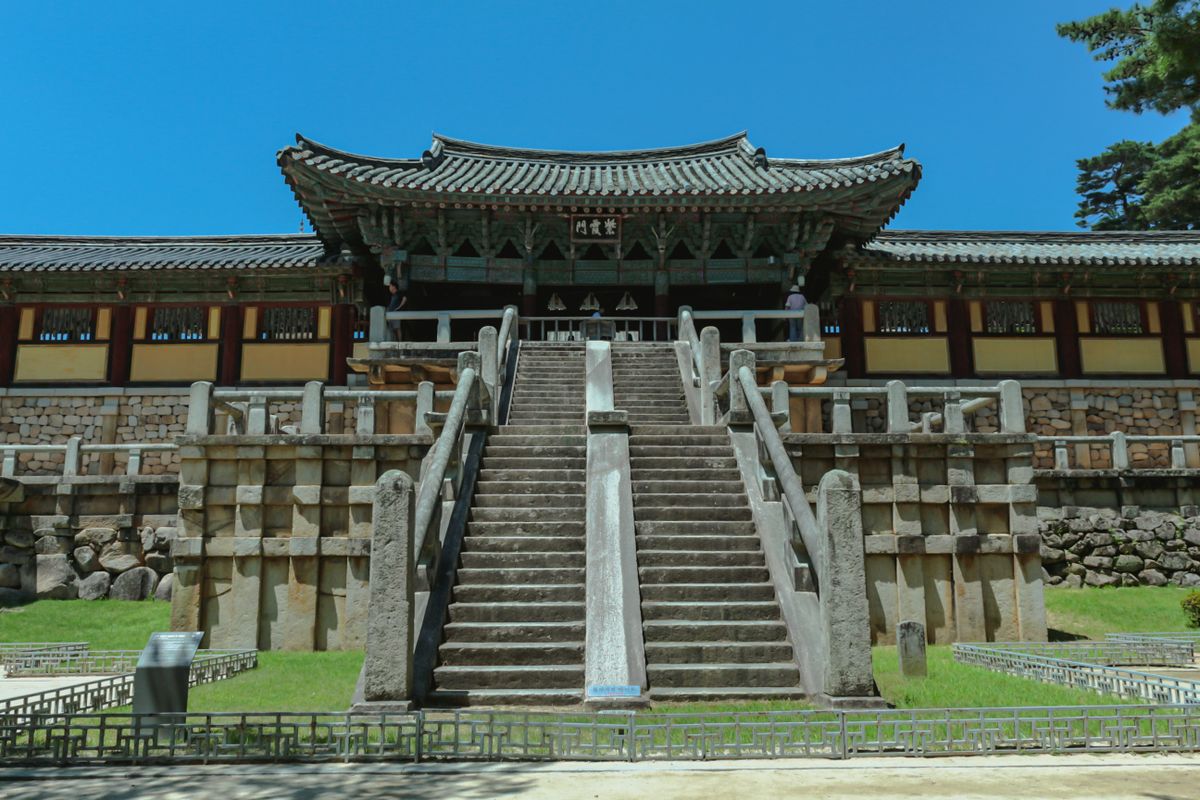
Perched on the slopes of Mount Toham above Gyeongju, Bulguksa is the single most famous temple in South Korea — and arguably the best physical record of what Buddhist Silla-dynasty art and architecture looked like at its peak. It was built in 751 CE and, together with the nearby Seokguram Grotto, was inscribed on the UNESCO World Heritage list in 1995. Six separate National Treasures sit inside its compact courtyards, admission has been free since 2023, and the whole visit pairs easily with a half-day loop around the rest of the city’s Silla-era sites. Here is what to see, what it costs, and how to get there.
💡 Prices checked on July 21, 2026. Fees and hours can change — always confirm on the official site (bulguksa.or.kr) before you visit.
| Item | Cost | Notes & source (checked) |
|---|---|---|
| Temple admission | Free | Free for everyone since May 4, 2023 under the revised Cultural Heritage Protection Act (ticket booths remain on site but are unstaffed). — bulguksa.or.kr |
| Parking — car (under 1,000cc / 1,000cc+) | ₩2,000 (≈ $1.4) | Same rate for compact and mid-size cars. — bulguksa.or.kr |
| Parking — bus | ₩4,000 (≈ $2.7) | — bulguksa.or.kr |
| Opening hours | — | Mar–Sep 09:00–18:00 (last entry); Feb & Oct 09:00–17:30; Nov–Jan 09:00–17:00. Open daily, no closing day. — bulguksa.or.kr |
| Seokguram Grotto admission (nearby, separate site) | Free | Also free since the same 2023 law change. — Korea Heritage Service |
Please read before you go: Hours and fees above are from the official Bulguksa temple site (bulguksa.or.kr), checked 21 July 2026. Admission has been free since 2023, the temple is open every day of the year, and pets are not allowed inside the grounds.
A Temple Built to Honor Two Sets of Parents
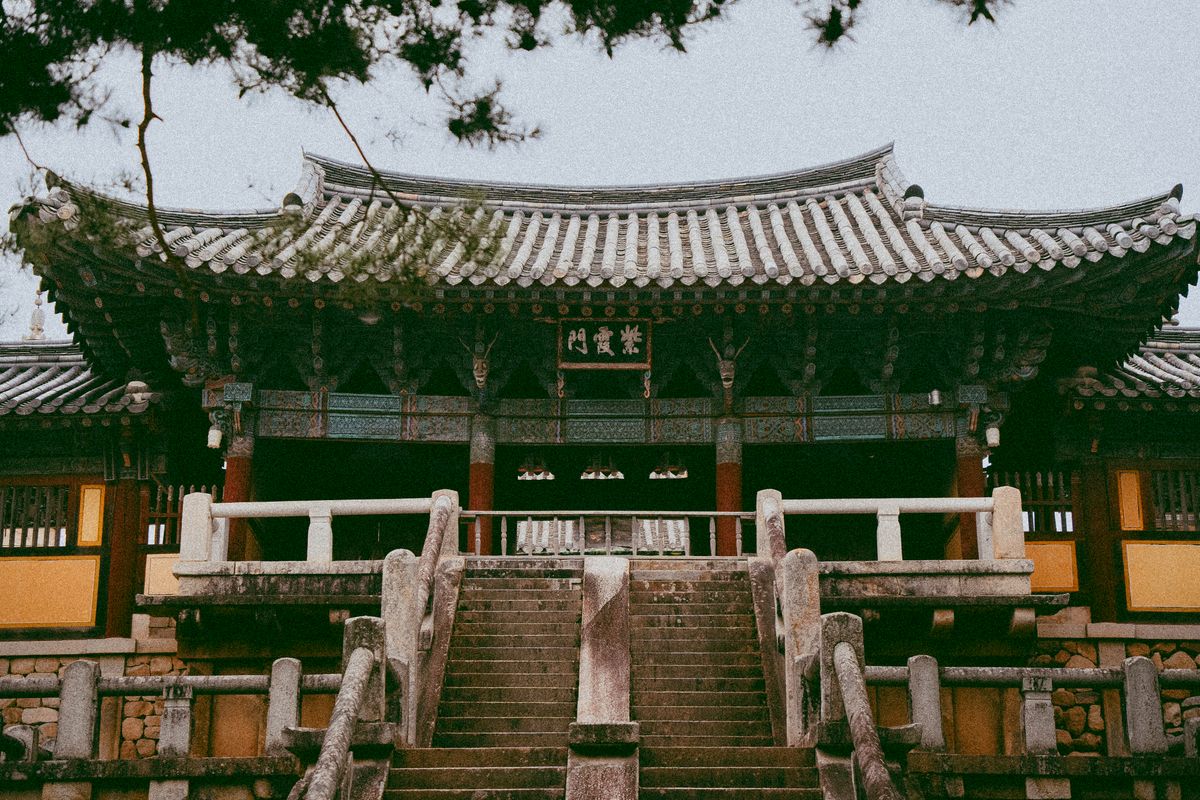
Bulguksa — literally “Temple of the Buddha Land” — was founded in 751 CE, the 10th year of King Gyeongdeok’s reign, at the request of Kim Daeseong, the powerful chief minister of Unified Silla. According to temple legend, Kim commissioned Bulguksa to honor the parents of his current life, and the nearby Seokguram Grotto to honor the parents of a past life — a story that ties the two UNESCO-listed sites together as a single act of filial devotion. Construction was still unfinished when Kim died in 774, and the state completed the project on his behalf.
The temple represents Unified Silla Buddhist art and architecture at its peak: builders translated Buddhist cosmology directly into stone and timber, using the raised platforms, bridges and gates you walk through today to symbolize the passage from the earthly world into the Buddha’s paradise. In 1995, UNESCO inscribed Bulguksa together with Seokguram Grotto as a single World Heritage property, citing them as masterpieces of Buddhist art from the 8th century.
Six National Treasures in One Temple
Bulguksa’s compact grounds hold six of Korea’s National Treasures, more than almost any other single site in the country:
- Cheongun-gyo & Baegun-gyo (Blue Cloud & White Cloud Bridge, National Treasure No. 23) — the stone stairway-bridge that once carried monks up toward Jahamun Gate; it’s roped off today, so visitors detour around it.
- Yeonhwagyo & Chilbogyo (Lotus Flower & Seven Treasure Bridge, National Treasure No. 22) — a second stairway leading to Anyangmun Gate and the Geungnakjeon (Hall of Supreme Bliss).
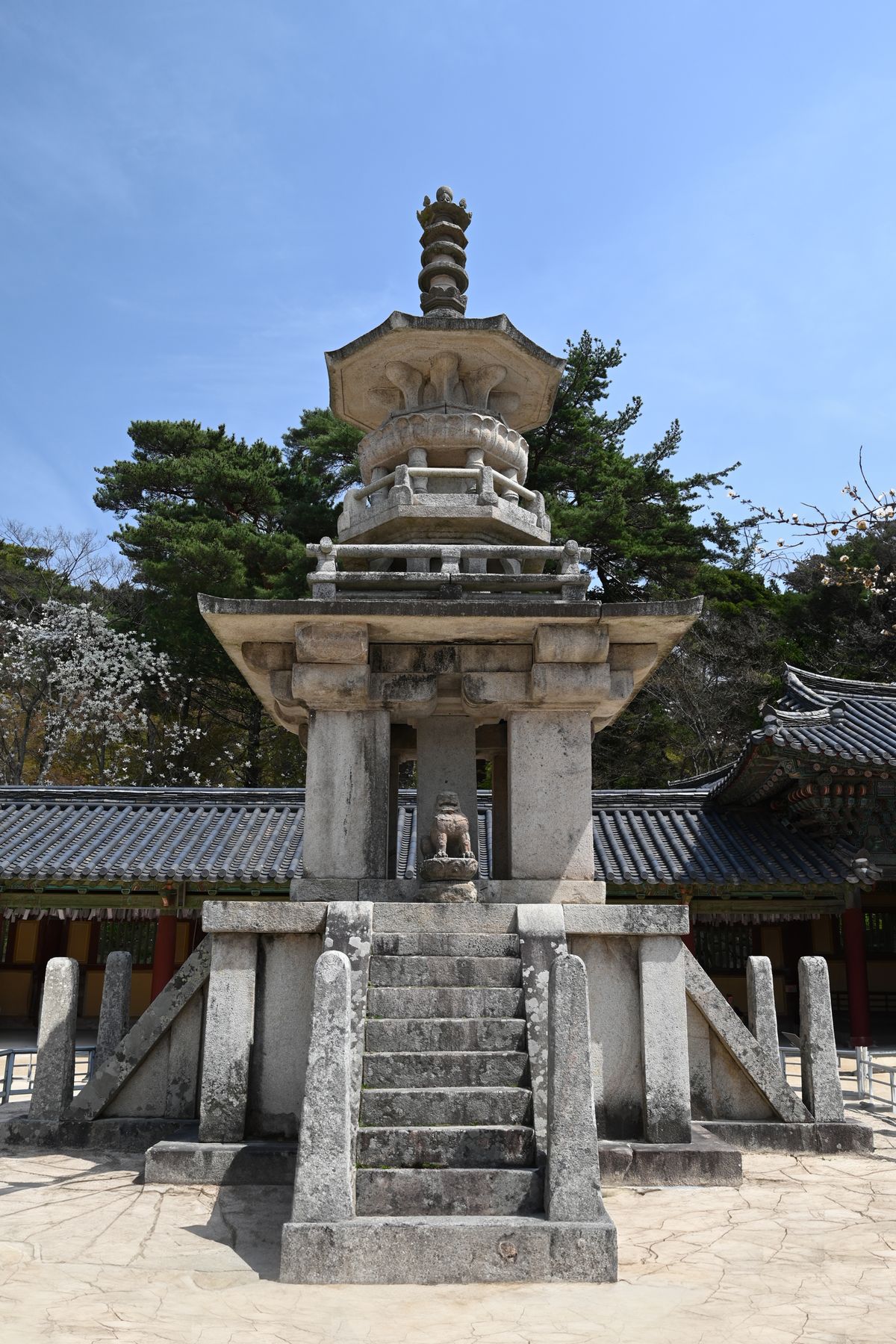
- Dabotap (“Pagoda of Many Treasures,” National Treasure No. 20) — an intricately carved, almost ornamental pagoda that appears on the Korean 10-won coin.
- Seokgatap (“Pagoda of Sakyamuni,” National Treasure No. 21) — the plainer, more classically proportioned companion pagoda, nicknamed the “Shadowless Pagoda” (Mu-yeong-tap) after a folk tale about a stonemason’s wife who waited so long for its completion that she drowned herself, never seeing its reflection in the pond below.
- Gilt-bronze Seated Vairocana Buddha (National Treasure No. 26), enshrined in Birojeon Hall.
- Gilt-bronze Seated Amitabha Buddha (National Treasure No. 27), enshrined in Geungnakjeon Hall.
The grating-technique stone foundation (“geraengi-beop”) that supports the whole upper terrace is separately listed as Treasure No. 1745 — an early example of fitting natural, uncut stones together with wood-joinery logic. And Seokgatap has one more claim to fame: during a 1966 repair after an attempted theft, restorers found the Mugujeonggwang Great Dharani Sutra sealed inside — the oldest known wood-block-printed document in the world, predating the temple’s own completion.
What to See: A Walking Route Through the Grounds
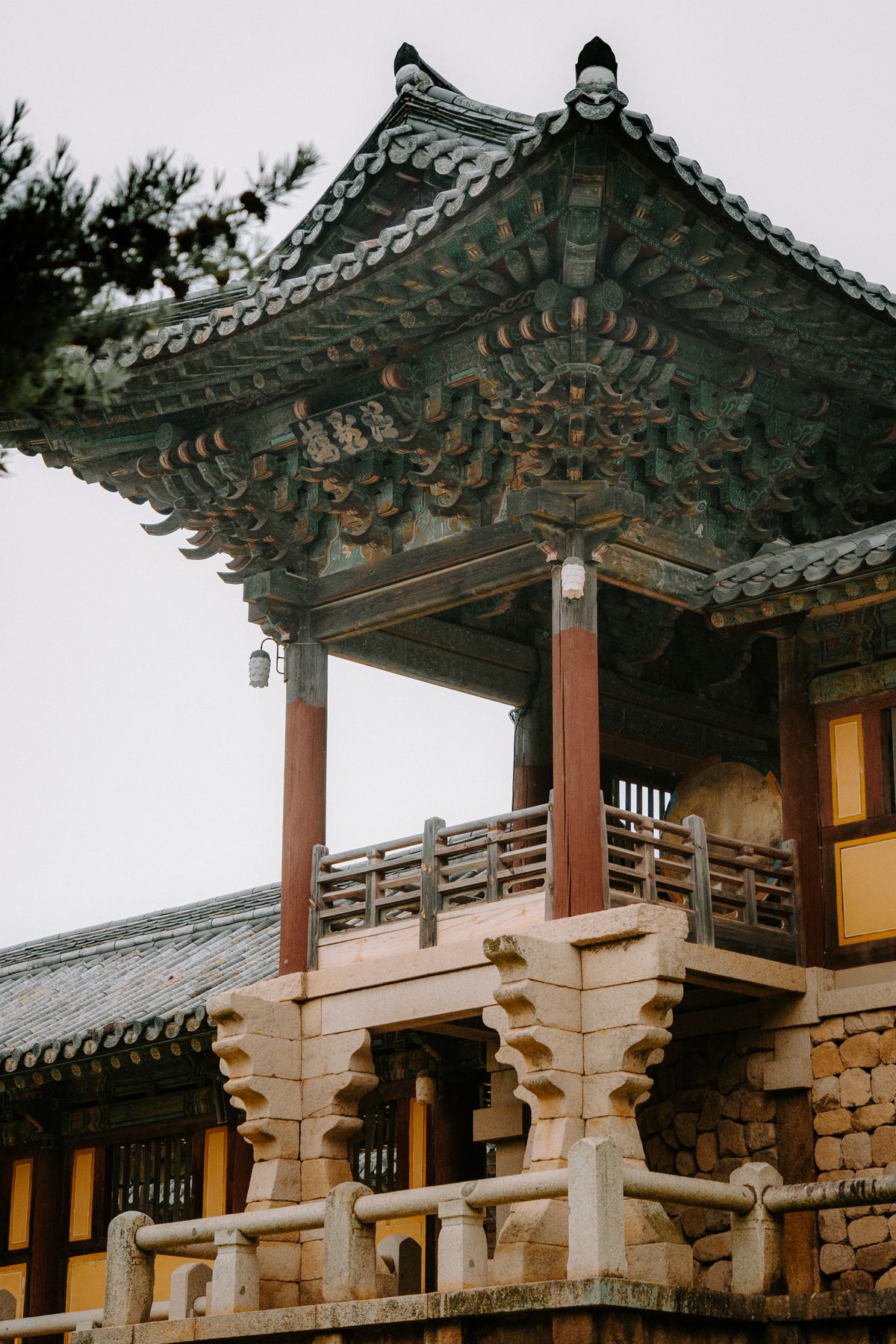
Bulguksa is small enough to see thoroughly in 1.5–2 hours. Most visitors follow roughly this loop:
- Iljumun (One-Pillar Gate) — the outer entrance, marking the symbolic start of the temple grounds.
- Cheongun-gyo & Baegun-gyo — admire the National Treasure stairway from below, then take the side path up (climbing the bridge itself is no longer permitted).
- Jahamun Gate — the “Gate of Purple Mist,” opening onto the main courtyard.
- Daeungjeon (Main Hall) — the central hall enshrining Sakyamuni Buddha, framed by Dabotap and Seokgatap in the courtyard in front of it.
- Museoljeon — the lecture hall directly behind Daeungjeon, one of the temple’s oldest surviving wooden structures.
- Gwaneumjeon & Birojeon — smaller halls on the upper terrace behind Museoljeon, housing the Avalokitesvara and Vairocana Buddha images.
- Yeonhwagyo & Chilbogyo → Anyangmun → Geungnakjeon — a separate stairway and gate leading into the “Pure Land” courtyard, where the gilt-bronze Amitabha Buddha sits.
Give yourself time to slow down at the two pagodas — Dabotap’s dense, ornamental carving and Seokgatap’s stark, geometric simplicity are meant to be seen side by side, representing two different faces of Buddhist teaching within a single courtyard.
Want a guide to walk you through it?
Book a Bulguksa & Seokguram guided tour on Klook — check price →
How to Get There
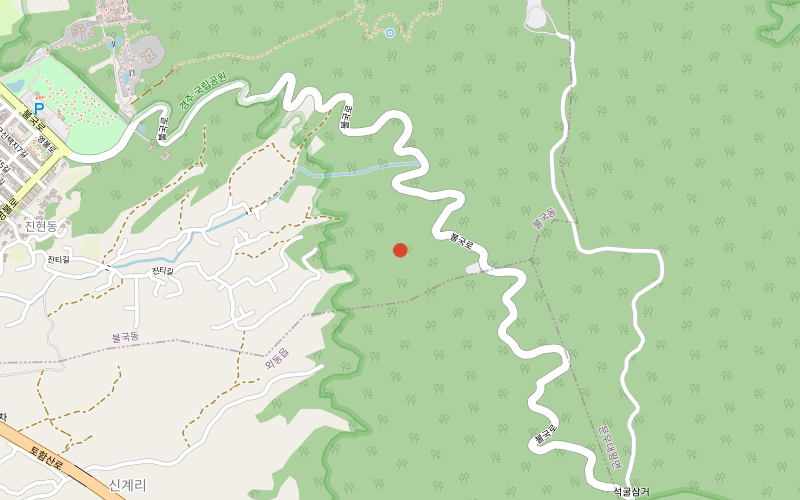
Bulguksa sits about 16km southeast of central Gyeongju, on the way toward the coast. Most visitors reach it by local bus, taxi, the Gyeongju City Tour Bus, or as part of a private tour — there is no train station at the temple itself.
| From | Details (checked 21 Jul 2026) |
|---|---|
| Gyeongju Station / Express & Intercity Bus Terminal | City buses 10, 11 (circular routes) and 700 serve Bulguksa; travel time is roughly 40–50 minutes depending on route and traffic. Bus numbering has changed in recent reorganizations, so confirm the current route with the Gyeongju bus app or at the terminal before boarding. |
| Singyeongju Station (KTX/SRT) | No direct bus to Bulguksa — transfer via the Express Bus Terminal (buses running into central Gyeongju stop there) or take a taxi (roughly 20–25 minutes). |
| Gyeongju City Tour Bus | The “World Heritage” course (Taejong Muyeol royal tomb → Daereungwon → Bunhwangsa → Seokguram → Bulguksa) stops here; operated by Cheonma Tour, tel. 054-743-6001, cmtour.co.kr — check current fares and schedule directly with the operator. |
| By car / taxi | Set navigation to "불국사" or the address below; on-site paid parking available (see cost table above). |
| Address | 385 Bulguk-ro, Jinhyeon-dong, Gyeongju, Gyeongsangbuk-do · ☎ 054-746-9913 |
Combine It with Seokguram Grotto
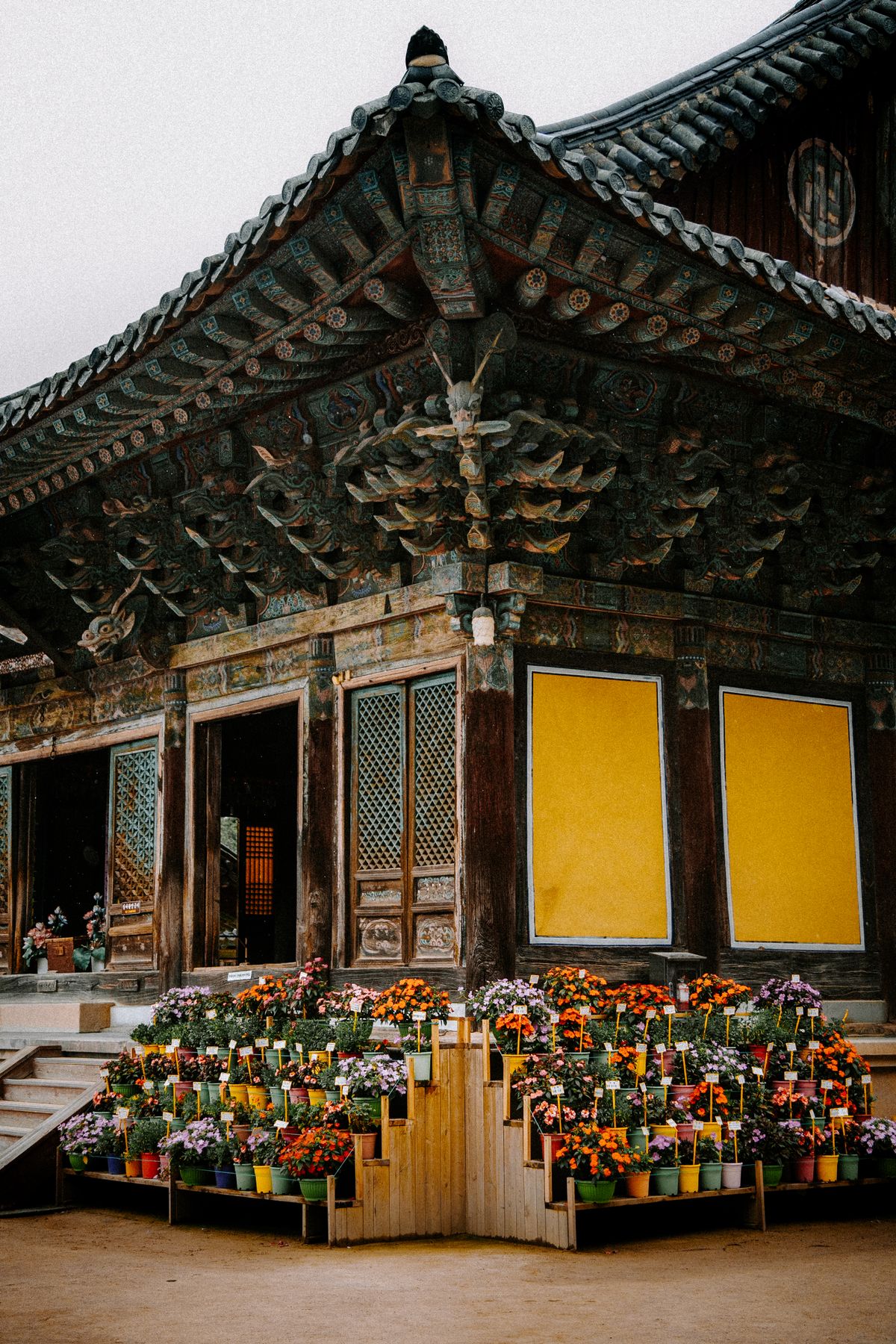
Bulguksa’s UNESCO partner site, Seokguram Grotto, sits higher up the same mountain and houses a serene stone Buddha considered one of the finest examples of Silla Buddhist sculpture. It’s a separate ticketed stop (also free since 2023) reached by its own access road, a short drive or shuttle ride from Bulguksa’s parking lot — most travelers see both in a single half-day trip, either by taxi, local bus, or a combined guided tour.
Where to Stay near Bulguksa
Bulguksa itself is a day-trip stop rather than a place to base yourself, so most visitors sleep in one of two areas and come out for a few hours:
Central Gyeongju (near Daereungwon / Hwangnidan-gil) puts you in the old town, walkable to Cheomseongdae, the tomb parks and the city’s best cafés and restaurants — the liveliest, most convenient base, roughly a 20–30 minute bus or taxi ride from Bulguksa.
Bomun Lake Resort area clusters Gyeongju’s larger hotels and resorts around Bomun Lake, a scenic, family-friendly district with theme-park and lakeside options — also around 20–25 minutes from Bulguksa by car.
Practical Tips
- Wear comfortable shoes — the grounds involve stone steps and uneven paths between halls.
- Photography is generally fine outdoors; some interior halls restrict flash or filming, so watch for posted signs.
- Download Naver Map or KakaoMap for directions — Google Maps’ turn-by-turn navigation is limited in Korea.
- Spring (cherry blossoms/azaleas) and autumn (foliage) are the busiest seasons — arrive early morning to avoid tour-bus crowds.
- Always confirm current hours before you go, as they shift with the season (see table above).
Frequently Asked Questions
Is Bulguksa Temple free to enter?
Yes — admission has been free since May 4, 2023, under a revised Cultural Heritage Protection Act. Seokguram Grotto nearby is also free.
How much time do you need at Bulguksa?
About 1.5–2 hours for the temple itself; add another hour or two if you continue to Seokguram Grotto the same day.
Is Bulguksa worth visiting?
Yes — it’s Korea’s most complete surviving Silla-era temple complex and a UNESCO World Heritage Site, home to six National Treasures in one compact site.
Can I visit Bulguksa and Seokguram Grotto in the same day?
Yes, most visitors combine both — they’re a short drive or shuttle apart on the same mountain, and many guided day tours and Klook bookings cover both sites together.
Final Word
Bulguksa rewards a slow visit: the two pagodas facing each other across the courtyard, the National Treasure bridges, and the quiet upper halls all reward a bit of lingering rather than a quick photo stop. Pair it with Seokguram Grotto up the mountain and you’ve covered the heart of Korea’s Silla-dynasty Buddhist heritage in a single, free-to-enter half-day.
This post contains affiliate links. If you book or buy through them, we may earn a small commission at no extra cost to you. Hours and prices can change — always confirm on official sources before you visit.
Related Guides
- Best Things to Do in Gyeongju
- Top 100 Attractions in Korea (2026 Ranking)
- Gyeongbokgung Palace Travel Guide
🎟️ Book Tours, Activities & Food Experiences
Search and book top attractions, tours and food experiences on Klook — official best price, instant confirmation.
Klook.com