Last updated: July 23, 2026.
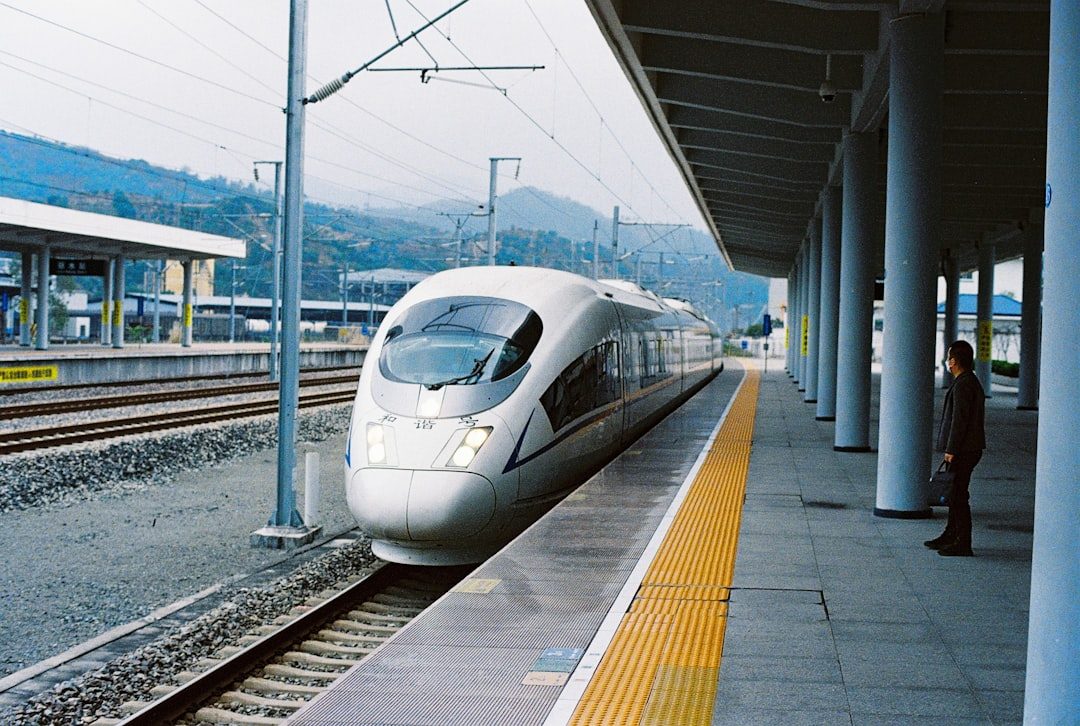
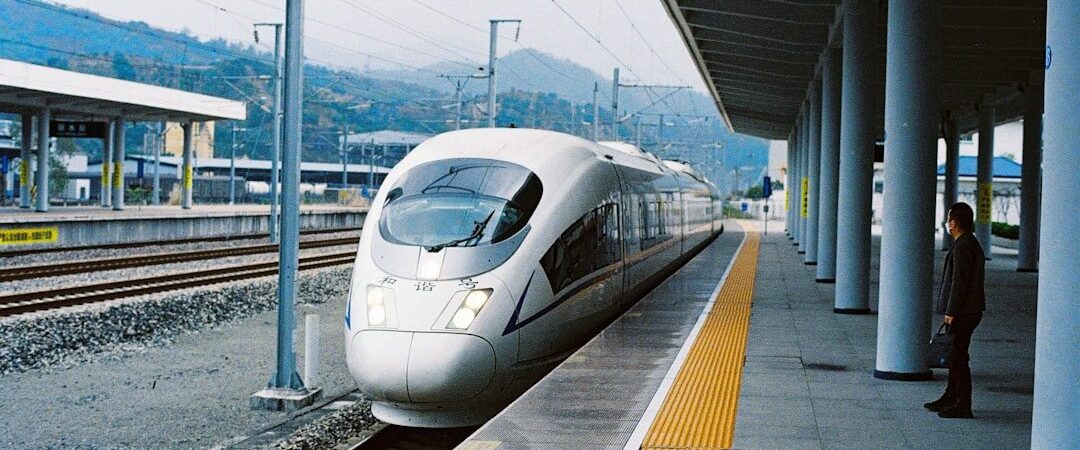
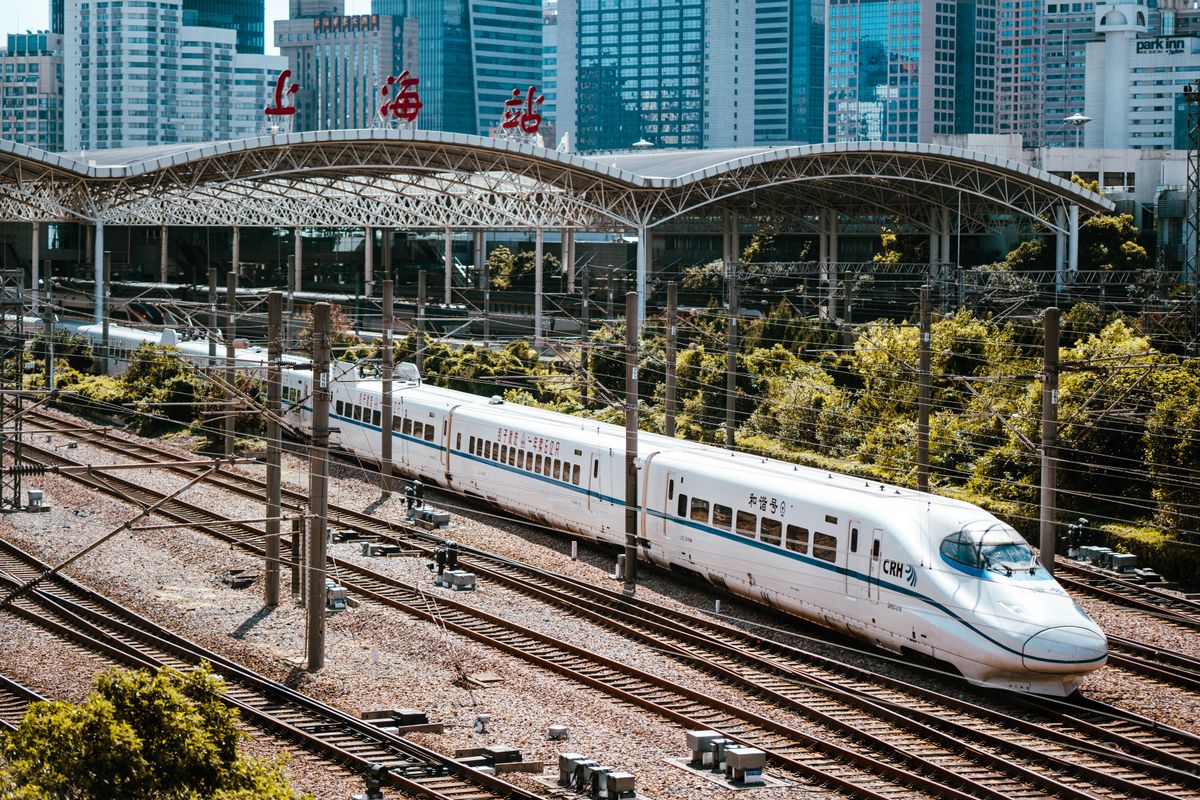
China runs the world’s largest high-speed rail network — more than 45,000 km of track linking almost every major city, with sleek Fuxing Hao trains cruising at up to 350 km/h. It’s fast, spotless, punctual and often cheaper than flying once you count airport time. This guide covers the network, a famous-routes price comparison, train classes, and exactly how to book and board as a foreign traveler.
Book China train tickets
Foreigners can book online with an English interface and pick up or scan an e-ticket with a passport. Tap for live prices:
China’s high-speed rail network
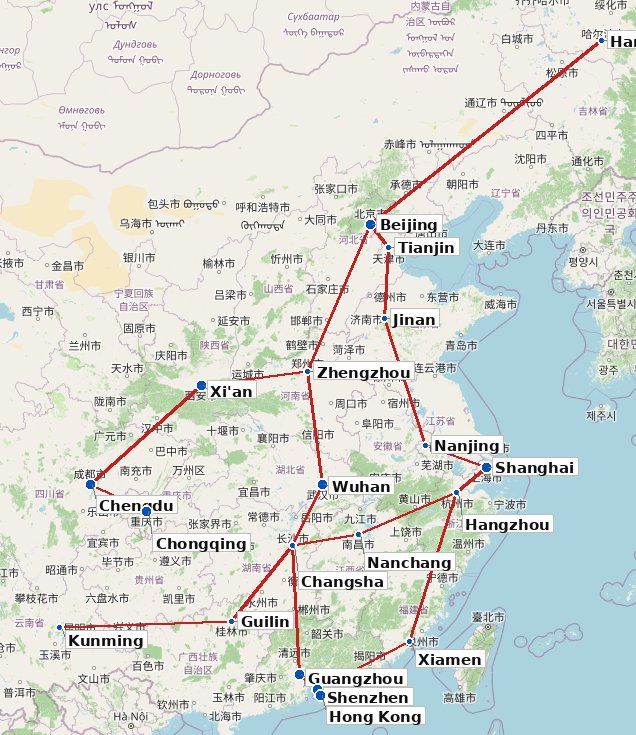
High-speed lines fan out from Beijing, Shanghai and Guangzhou to form a grid across the country. The busiest corridors are the Beijing–Shanghai line (via Tianjin, Jinan and Nanjing), the Beijing–Guangzhou–Hong Kong line (via Zhengzhou, Wuhan and Changsha), and the western routes linking Xi’an, Chengdu and Chongqing. The map below shows the main hubs and lines:
Famous routes: times & prices compared
The table compares popular high-speed routes — distance, typical journey time and the lowest ticket price from booking data on chinesetrains.com, checked July 2026 (USD, second class). Fastest G-trains are quicker than the longest times shown, and prices rise for First/Business class and last-minute booking. Confirm the live price before you book (widget below).
| Route | Distance | Time | From (2nd class) |
|---|---|---|---|
| Beijing → Shanghai | 1,311 km | ~4.5–6.5 hr | from $125 |
| Beijing → Xi’an | 1,134 km | ~4.5–6 hr | from $106 |
| Xi’an → Chengdu | 612 km | ~3–4 hr | from $70 |
| Guangzhou → Hong Kong (West Kowloon) | ~140 km | ~1 hr | from $43 |
| Guangzhou → Shenzhen | 138 km | ~1 hr | from $21 |
| Shanghai → Hangzhou | 186 km | ~1 hr 20 min | from $20 |
Train types & seat classes
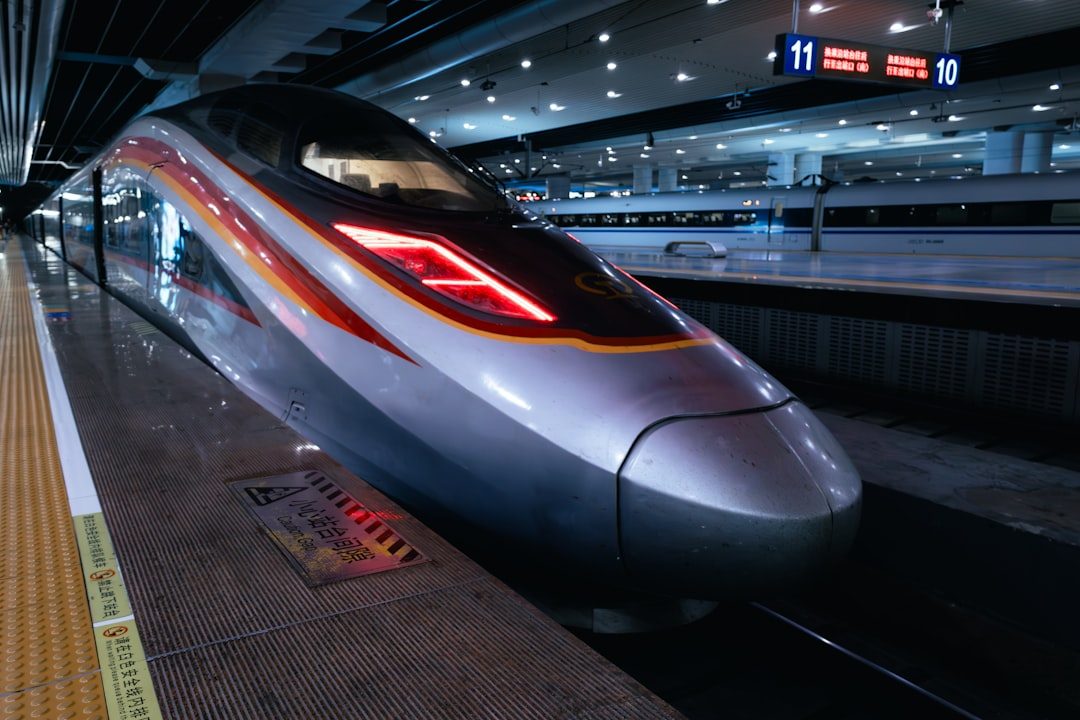
High-speed services are lettered by speed: G (Gaotie) are the fastest (up to 350 km/h), D (Dongche) are slightly slower, and C are short intercity trains. Newer Fuxing Hao trainsets are the flagship; older Hexie Hao still run some routes. Seats come in Second Class (2+3, comfortable and great value), First Class (2+2, roomier) and Business Class (lie-flat luxury, priciest). Very long routes may also offer sleeper options.
How to book — the passport & real-name rule
China uses a real-name ticketing system: every ticket is tied to a passenger’s ID, so you must book with your passport details and carry that same passport to travel. You can book through the official 12306 system (which now has an English app), or more simply through Klook or another English agent that handles the paperwork and sends an e-ticket. Tickets are usually released up to about two weeks ahead, and popular routes and holiday dates sell out fast — book early. At most stations you now scan your passport directly at the gate; no paper ticket needed.
At the station: security & boarding
Chinese high-speed stations work a bit like airports. 1. Arrive 40–60 minutes early — you pass through a security scan on entry. 2. Check the big departure board for your train number and waiting area. 3. At boarding time, scan your passport (or ticket) at the automated gate for your platform. 4. Cars and seats are numbered along the platform. Boarding usually closes a few minutes before departure, and trains leave exactly on time.
Practical tips
- Book well ahead for holidays — Golden Week (early October) and Spring Festival are the world’s biggest travel rushes.
- Carry your passport at all times — it’s your ticket and ID for security and boarding.
- Stations can be huge and outside the center (e.g. Beijing South, Shanghai Hongqiao) — allow transfer time to/from the city.
- Second class is excellent value; upgrade to First for long daytime routes if you want more space.
- Bring snacks and a water bottle; trolleys exist but options are limited.
China High-Speed Rail Prices at a Glance — as of July 27, 2026 (USD)
Famous routes: second-class fares, updated
| Route | Distance | Time | 2nd class fare |
|---|---|---|---|
| Beijing → Shanghai | 1,311 km | ~4–7.5 hr (new CR450 trains under 4 hr) | ¥576–700 (≈ $85–$103) |
| Beijing → Xi’an | 1,134 km | ~4.5–6 hr | from ~$106 (approx.) |
| Xi’an → Chengdu | 612 km | ~3–4 hr | from ~$70 (approx.) |
| Guangzhou → Hong Kong (West Kowloon) | ~140 km | ~1 hr | from ~$43 (approx.) |
| Shanghai → Hangzhou | 186 km | ~1 hr 20 min | from ~$20 (approx.) |
Fare update: Following a corridor-wide adjustment of roughly 20% that took effect May 26, 2026, Beijing–Shanghai second-class fares run about ¥576 to ¥700 (≈ $85–$103) depending on train speed and time of day — some departures may price above this range, so compare the live fare before booking. China Railway continues rolling out next-generation CR450 “Fuxing” trains on this corridor, running at up to 400 km/h and cutting the fastest journey to under 4 hours.
Prices vary by class, train and booking date — always confirm the current fare before you buy (checked July 27, 2026).
Book your trip with live prices
Frequently Asked Questions
How fast is Beijing to Shanghai by train in 2026? The fastest G-trains cover the 1,300 km run in about 4.5 hours, and new CR450 trains are cutting that to under 4 hours as they roll out through 2026.
Do I need my passport to ride? Yes — tickets are tied to your passport under China’s real-name system; carry it to board, and at upgraded stations like Shanghai Hongqiao you can tap your passport directly at the gate.
Can I book in English? Yes — via the 12306 English app or site (12306.cn/en), or agents like Trip.com and Klook.
Is high-speed rail cheaper than flying? Often, once you add airport travel and check-in time — and city-center stations save you time on both ends.
How much does a Beijing–Shanghai high-speed ticket cost right now? Second class runs about ¥576–700 (≈ $85–$103) after the May 2026 fare adjustment — check the live price before booking, as some departures price higher.
What seat classes can I choose on Chinese high-speed trains? Second Class (2+3 seating, best value), First Class (2+2, roomier) and Business Class (lie-flat, priciest); some long routes also offer sleepers.
This post contains affiliate links. If you book through them we may earn a small commission at no extra cost to you. Fares and times vary by service and booking date, so always confirm the live price before you buy.
Related Guides
Related Guides
FAQ
Can foreigners book China high-speed rail tickets online with an international credit card?
Yes. Trip.com is recommended for international travelers because it offers an English interface, 24/7 multilingual support, and accepts major international cards (Visa, Mastercard, JCB, American Express, and Apple Pay). The official 12306 platform also now supports foreign passports and accepts Visa, Mastercard, Alipay, and WeChat Pay. Enter your name and passport number exactly as they appear on your physical passport, since any mismatch can cause problems. For the latest accepted payment methods, check the official 12306 site.
Do I need a paper ticket to board a high-speed train in China, or can I use my passport?
For most domestic China trains, foreign travelers board using their passport directly, so a paper ticket is often not needed. Your passport is essential for both booking and riding. If you buy at a station window, bring your original passport and have your travel details (departure/arrival stations, date, train number, and seat class) ready — but note that English support may be limited and queues can be long.
How far in advance should I book China high-speed rail tickets?
Tickets usually go on sale about 15 days before departure. On Trip.com you can place a booking up to 60 days in advance, and it can try to issue your ticket automatically once sales open. For popular routes and during holidays, book as early as possible, as trains can sell out quickly. Confirm current release timing on the official 12306 site.
🎟️ Book Tours, Activities & Food Experiences
Search and book top attractions, tours and food experiences on Klook — official best price, instant confirmation.
Klook.com