Last updated: July 2026
Disclosure: This post contains affiliate links. We may earn a commission if you book through them, at no extra cost to you. Hours and prices can change — always confirm on official sources before you visit.
Book Tours & Activities in Shibuya Crossing
Shibuya Crossing itself costs nothing to visit, so the best paid experiences nearby are the viewpoints and tours that let you see it from above or with a local guide — here are three worth booking ahead:
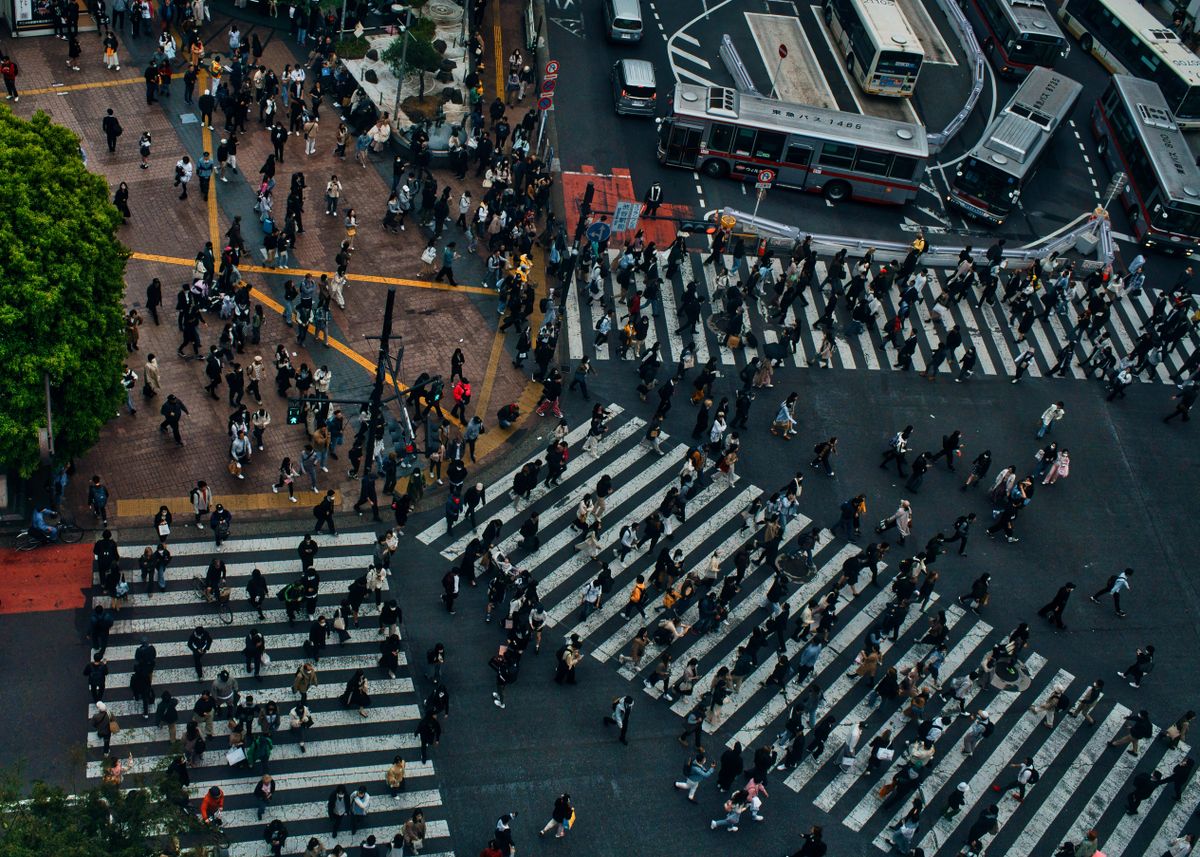
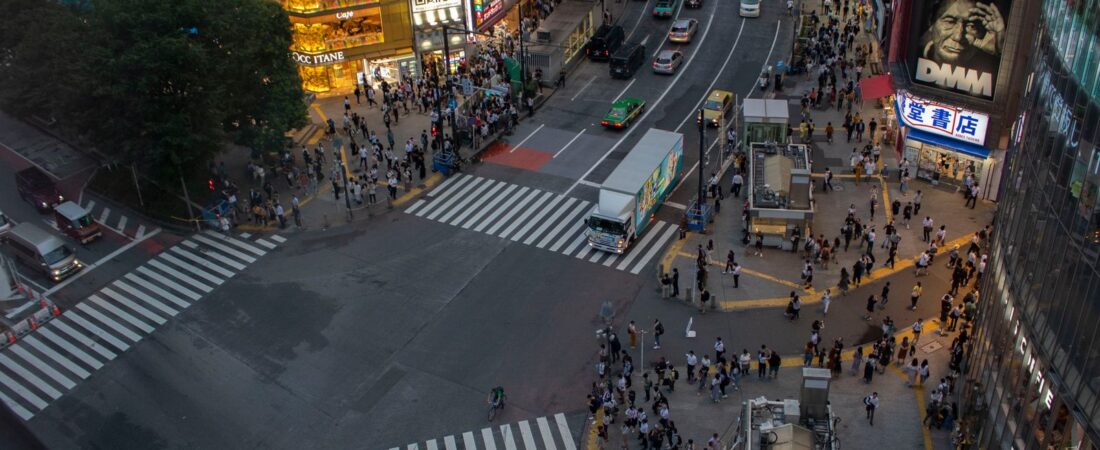
Every visitor to Tokyo ends up here sooner or later: the intersection outside Shibuya Station where, several times a minute, the lights turn red in every direction at once and a crowd of pedestrians pours across from all sides. Shibuya Crossing (officially Shibuya Scramble Crossing, 渋谷スクランブル交差点) is free, open around the clock, and arguably the single most photographed piece of pavement in Japan. It is one of the essential stops in our Tokyo city guide, and unlike most of the attractions on that list, you can experience it in under five minutes or spend an entire evening people-watching from a café above it. Here is the history behind the crossing, what it costs to see it from above, the best spots to photograph it, and how to get there in 2026.
A Little Context
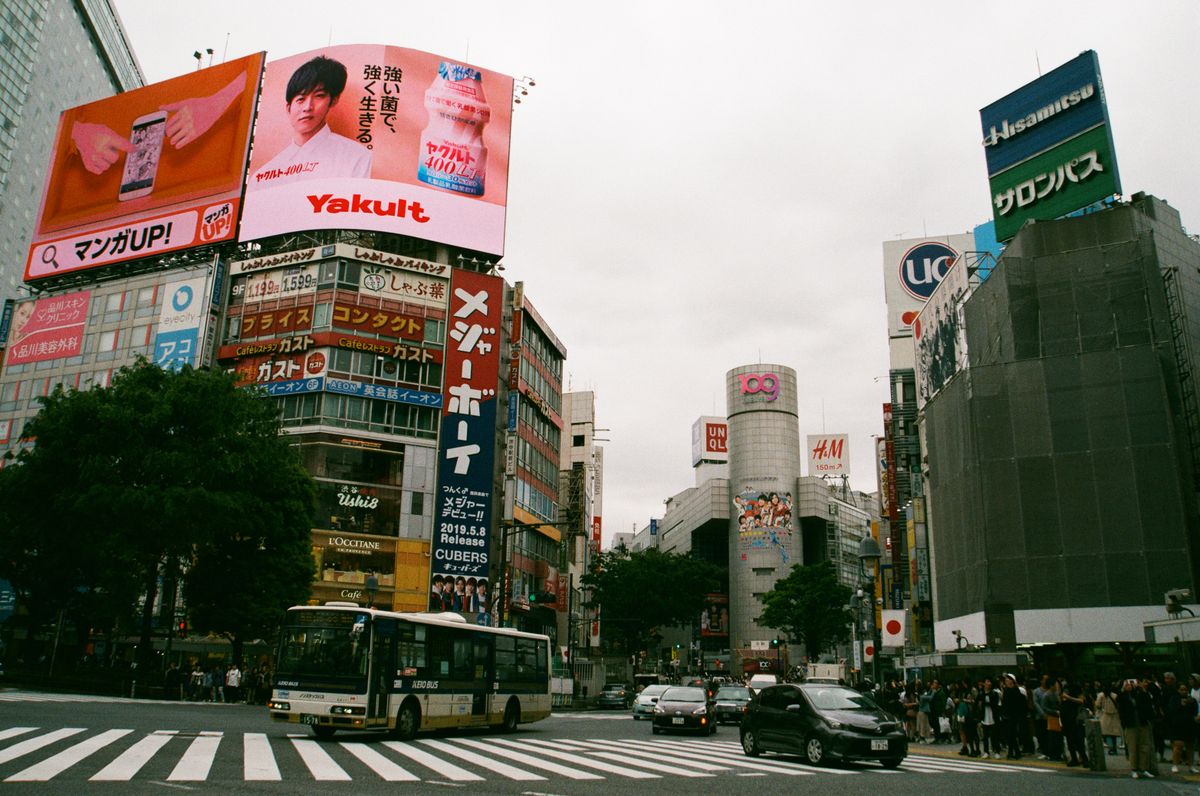
Shibuya Station opened in 1885 as a stop on what would become the Yamanote Line, but the neighborhood only became a major hub after the Tokyu Toyoko Line arrived in 1932, linking Shibuya to the port city of Yokohama and turning it into a key interchange between central Tokyo and the growing suburbs to the southwest. Department stores and entertainment venues followed the rail traffic, and by the postwar decades Shibuya had become one of Tokyo’s primary centers for youth fashion, music and nightlife — a reputation it still holds today.
The crossing itself, in its modern all-directions “scramble” form, was inaugurated in 1973. Rather than cycling pedestrians through a series of partial crossings, the scramble system stops all vehicle traffic at once and lets people cross in every direction simultaneously, including diagonally — a design that first appeared in North America and was later adopted at a handful of Japan’s busiest intersections. It proved perfectly suited to Shibuya’s crowds: surveys by the Shibuya Redevelopment Association have estimated roughly 260,000 pedestrians cross on an average weekday and up to 390,000 on weekends, with as many as 3,000 people funneling through in a single green-light cycle at peak times.
The crossing’s fame is inseparable from its role as a media backdrop. It appears in Lost in Translation, The Fast and the Furious: Tokyo Drift, Resident Evil: Retribution, Sonic the Hedgehog 3 and the Netflix series Alice in Borderland, and it was beamed to a global audience during the handover segment of the 2016 Rio Olympics closing ceremony promoting the Tokyo 2020 Games. Video games from Persona 5 to The World Ends with You and Forza Horizon 6 have recreated it as a set piece in its own right.
Just outside the station’s Hachiko Exit, and effectively part of the same scene, is the bronze Statue of Hachikō — Tokyo’s most famous meeting point. Hachiko was an Akita dog who, in the 1920s, walked his owner Professor Hidesaburo Ueno to Shibuya Station each morning and returned to greet him every evening. When Ueno died suddenly in 1925, Hachiko kept returning to the station at the same time every day for the next nine years, a display of loyalty that made national news and inspired a statue in his honor in 1934 — with Hachiko himself reportedly present at the unveiling. The original statue was melted down for the war effort in 1944; the version that stands today, cast in 1948, is the one crowds still gather around before merging into the crossing.
Quick Facts & Costs for 2026
💡 Prices checked on 27 July 2026. The crossing itself is a free public street with no ticket needed. The prices below are for the paid observation decks nearby that offer the best bird’s-eye views. Fees change — always confirm on the official sites before you visit.
| Item | Cost | Notes & source (checked) |
|---|---|---|
| Shibuya Crossing — admission | Free | Open-air public intersection, accessible 24 hours a day. — GO TOKYO official Tokyo travel guide (gotokyo.org), checked 27 Jul 2026 |
| Shibuya Sky — adult ticket, online, entry before 14:59 | ¥2,700 (≈ $16.5) | Cheaper time slot; book online in advance. — GO TOKYO citing Shibuya Scramble Square (gotokyo.org, updated 23 Apr 2026), checked 27 Jul 2026 |
| Shibuya Sky — adult ticket, online, entry from 15:00 | ¥3,400 (≈ $20.8) | Covers the best sunset and night-view slots. — GO TOKYO citing Shibuya Scramble Square, checked 27 Jul 2026 |
| Shibuya Sky — opening hours | 10:00–22:30 (last admission 21:20) | Closed New Year’s Day; may close early in bad weather. — GO TOKYO / Shibuya Scramble Square, checked 27 Jul 2026 |
| MAGNET by SHIBUYA109 — Crossing View deck | Confirm on official site | A cheaper, lower-altitude alternative to Shibuya Sky directly over the crossing; published prices vary by source, so confirm current admission on-site or via the booking link above. |
| Address (crossing) | Dogenzakashita, Shibuya Crossing, Shibuya City, Tokyo (near 2 Chōme Dōgenzaka, 150-0043) | Directly outside Shibuya Station’s Hachiko Exit. — GO TOKYO official listing, checked 27 Jul 2026 |
How to Get There

Shibuya Crossing sits directly against Shibuya Station, so almost every visitor arrives on foot straight from a train platform.
| From | Details (checked 27 Jul 2026) |
|---|---|
| JR Yamanote, Saikyo & Shonan-Shinjuku Lines | Exit via the Hachiko Exit — the crossing and the Hachiko statue are right outside the ticket gates, about a 1-minute walk. |
| Tokyo Metro Ginza Line | Follow signs for the Hachiko Exit; the crossing is a 2–3 minute walk through the station concourse. |
| Tokyo Metro Fukutoshin Line & Tokyu Toyoko Line (through-service) | Underground platforms connect via elevators and escalators to the Hachiko Exit level, about 5 minutes to street level. |
| Keio Inokashira Line | Exit toward the Hachiko Exit side of the station; roughly 3 minutes on foot to the crossing. |
| Tokyu Den-en-toshi Line | Connects directly into Shibuya Station; follow Hachiko Exit signage, about 5 minutes to street level. |
| By car / taxi | No dedicated parking at the crossing; use one of the paid car parks around Shibuya Scramble Square or Shibuya Mark City and walk the final stretch. |
Best Spots to View & Photograph the Crossing
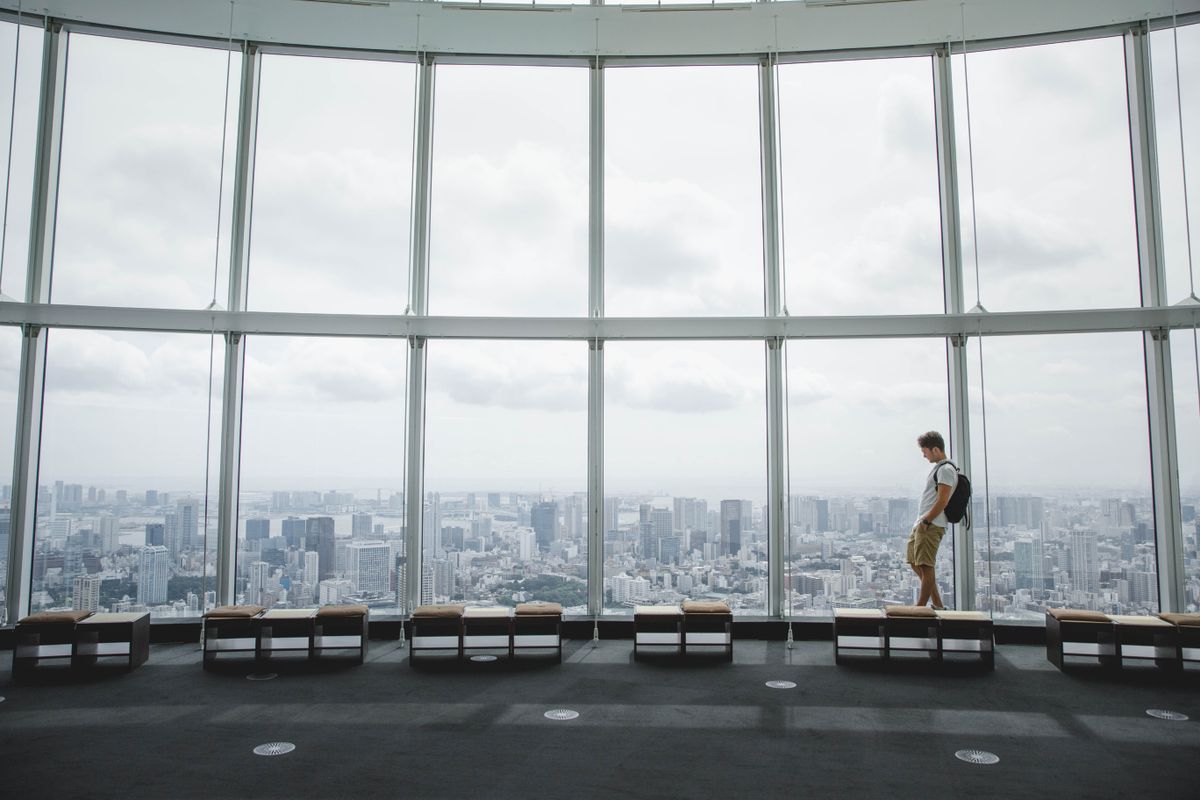
Standing in the crossing as the lights change is the essential first-time experience, but the postcard shot — the crossing seen from above, swallowed by neon signage — needs some elevation. A few options, from free to a proper ticketed observation deck:
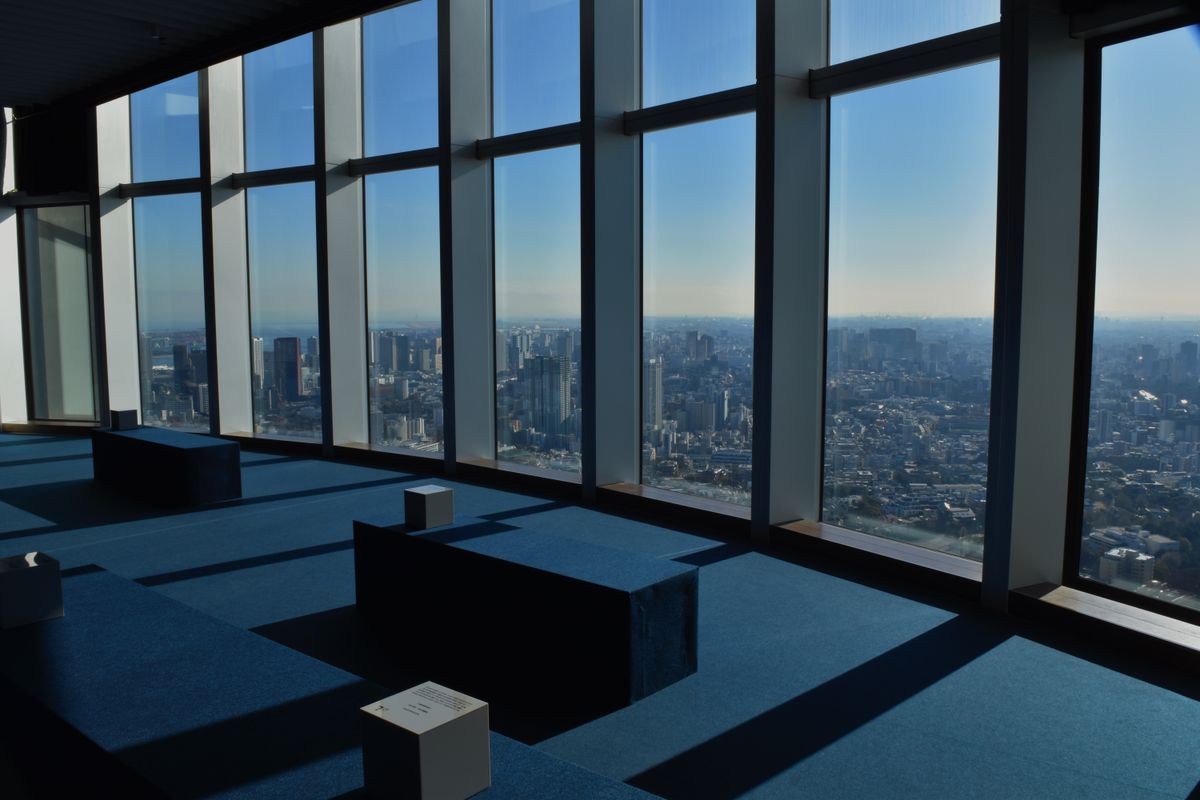
- Shibuya Sky — the highest and most complete view, a 229-meter open-air rooftop deck on top of Shibuya Scramble Square with 360-degree views stretching to Tokyo Skytree, Tokyo Tower and, on clear days, Mt. Fuji. You look almost straight down onto the crossing itself. Book online in advance; tickets frequently sell out around sunset.
- Starbucks Shibuya Tsutaya (2F, Q-FRONT building) — the classic budget option: order a drink and claim a window seat directly overlooking the crossing. No ticket required, but arrive early or expect a wait for a window spot.
- MAGNET by SHIBUYA109 — Crossing View & Rooftop Lounge — a rooftop deck and lounge on the SHIBUYA109 building at a lower altitude than Shibuya Sky, positioned almost directly over the crossing for a more intimate angle.
- Shibuya Scramble Square’s lower floors and Mag’s Park entrances — several café and retail floors around the station offer partial views without a ticket, useful if the main decks are sold out.
- Statue of Hachikō and Hachiko Square — not a bird’s-eye view, but the classic street-level shot with the crossing as a backdrop, and Tokyo’s best-known meeting spot in its own right.
Best Time to Experience the Crossing
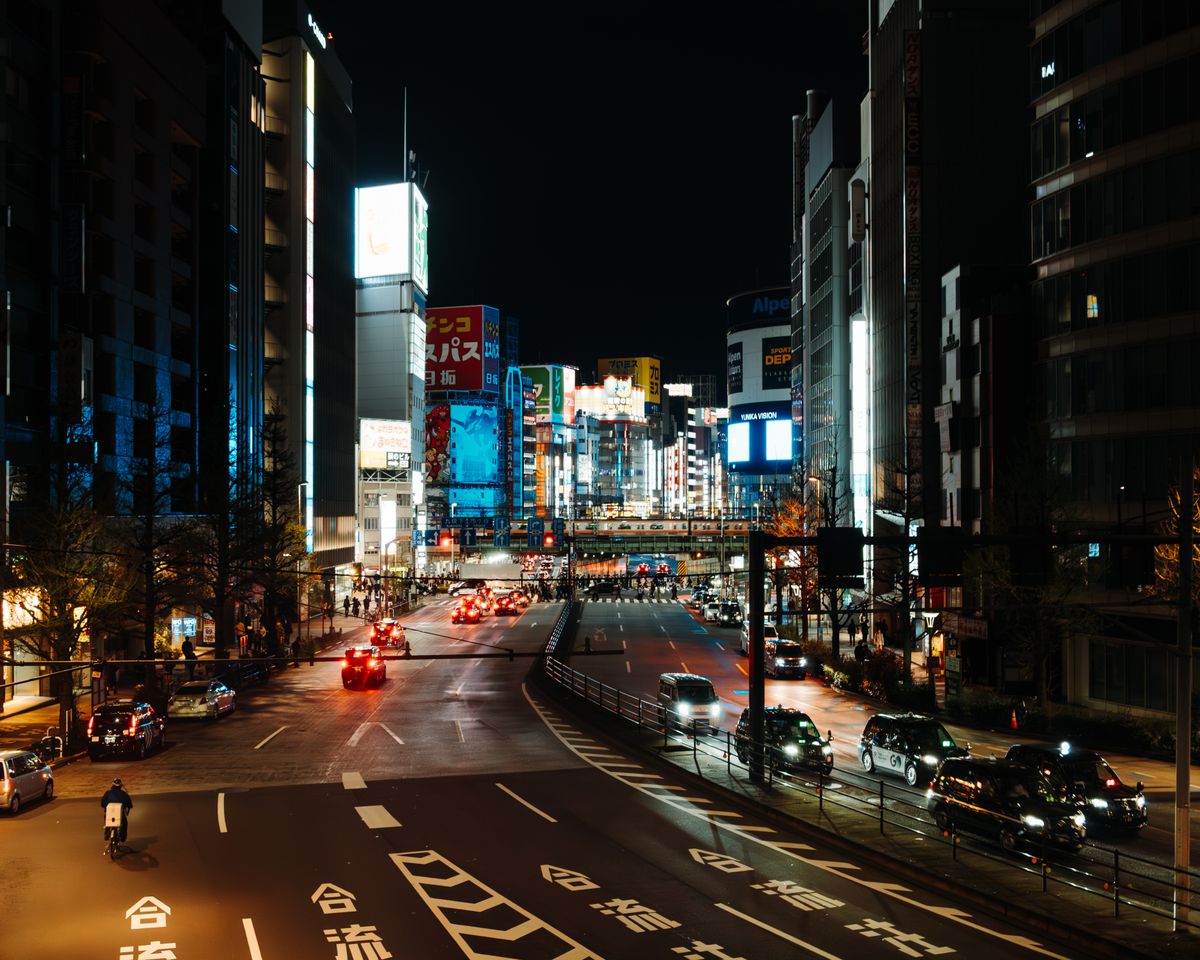
The crossing never really closes and never really empties, but the character of the scene changes a lot by hour. Weekday evening rush (around 18:00–20:00) brings the heaviest foot traffic and the classic salaryman-crowd energy; weekend afternoons draw more tourists and slower-moving crowds good for photos; and after dark, once the video billboards are in full swing, is when the crossing looks most like its movie-poster reputation. Late at night — well past midnight — the crossing is at its quietest, which is its own kind of interesting: still lit, still busy by any other city’s standards, just calmer.
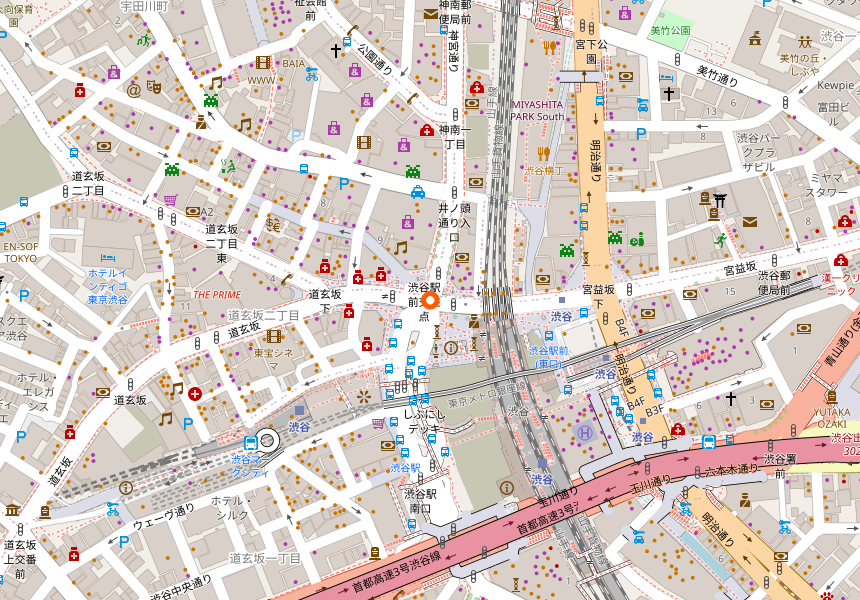
Map: Shibuya Crossing at a Glance
Practical Tips
- Cross with the flow rather than trying to stand still and photograph mid-crossing — Shibuya’s pedestrians are famously good at avoiding collisions, but stopping abruptly in the middle disrupts everyone around you.
- For the best rooftop photos, arrive at Shibuya Sky roughly 30–45 minutes before sunset and expect a queue at that popular slot; book your time-stamped ticket online in advance.
- Keep valuables secure and be aware of your surroundings at night — it is one of the most crowded spots in Tokyo, especially on weekend evenings.
- Public drinking on and around the crossing is banned nightly from 6 p.m. to 5 a.m. under a Shibuya Ward ordinance, and enforcement is especially strict around Halloween and New Year’s Eve, when large gatherings are actively discouraged.
- Combine your visit with Hachiko Square, Shibuya Center Gai and the Shibuya 109 shopping tower — all are within a couple of minutes’ walk.
- If Shibuya Sky is sold out or over budget, the Starbucks inside the Q-FRONT building (2F, opposite the crossing) is a reliable free-of-charge alternative viewpoint.
Where to Stay
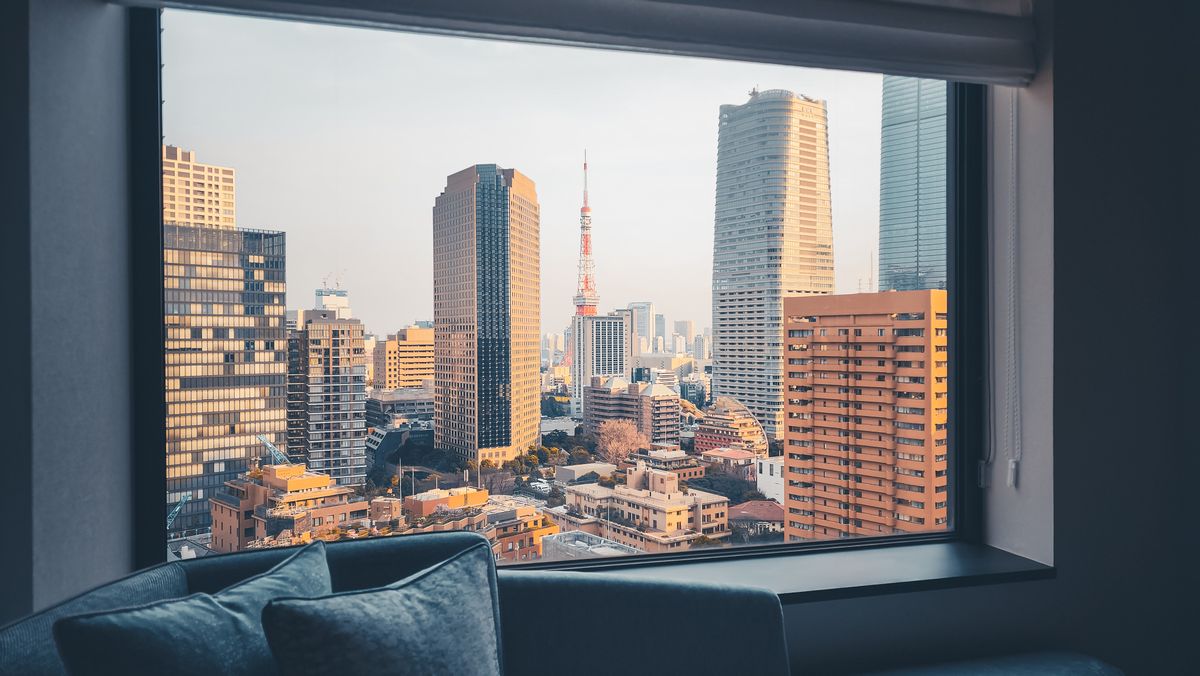
Basing yourself in Shibuya puts you within walking distance of the crossing at any hour, along with easy access to Harajuku, Omotesando and Shinjuku by train. Hotels directly around Shibuya Station tend to book up and price up quickly, so nearby Ebisu and Daikanyama — one or two stops away — offer a quieter, still well-connected base with better value. If you are prioritizing convenience across the wider city, Shinjuku is a short train ride away and offers a wider range of hotel inventory at every price point.
Frequently Asked Questions
Is Shibuya Crossing free to visit?
Yes. It is a public street intersection with no admission fee and no fixed opening hours — it is accessible 24 hours a day. Paid tickets are only needed for observation decks like Shibuya Sky that offer an elevated view of it.
What is the best time to see Shibuya Crossing?
Weekday evenings (around 18:00–20:00) have the heaviest crowds; after dark is when the video billboards and neon signage make it look most like its famous photos. It is genuinely busy at almost any hour, including close to midnight.
Where is the best place to photograph the crossing from above?
Shibuya Sky, the 229-meter rooftop deck atop Shibuya Scramble Square, gives the highest and most complete view. The Starbucks on the 2nd floor of the Q-FRONT building opposite the station is the well-known free alternative with a window-level view.
Is the Hachiko statue at the same location?
Yes — the bronze Statue of Hachikō stands in Hachiko Square, immediately adjacent to the crossing outside Shibuya Station’s Hachiko Exit, and is one of Tokyo’s most popular meeting points.
Final Word
Shibuya Crossing rewards almost any amount of time you give it — five minutes to cross it once and say you have done it, or an hour with a coffee and a window seat watching thousands of strangers thread past each other without a single collision. Pair it with the Hachiko statue right outside the station, and if your budget and schedule allow, book a rooftop deck for the view that turns a busy intersection into one of the more striking sights in Tokyo after dark.
This post contains affiliate links. If you book or buy through them, we may earn a small commission at no extra cost to you. Hours and prices can change — always confirm on official sources before you visit.
Related Guides
🎟️ Book Tours, Activities & Food Experiences
Search and book top attractions, tours and food experiences on Klook — official best price, instant confirmation.
Klook.com