Last updated: July 2026
Disclosure: This post contains affiliate links. We may earn a commission if you book through them, at no extra cost to you. Hours and prices can change — always confirm on official sources before you visit.
Book Tours & Activities in Myeongdong
Book Tours & Activities in Myeongdong
Hand-picked Myeongdong & Seoul experiences you can book online — a street food crawl near Myeongdong, a K-beauty makeover, and a hop-on hop-off bus that loops right through the district:
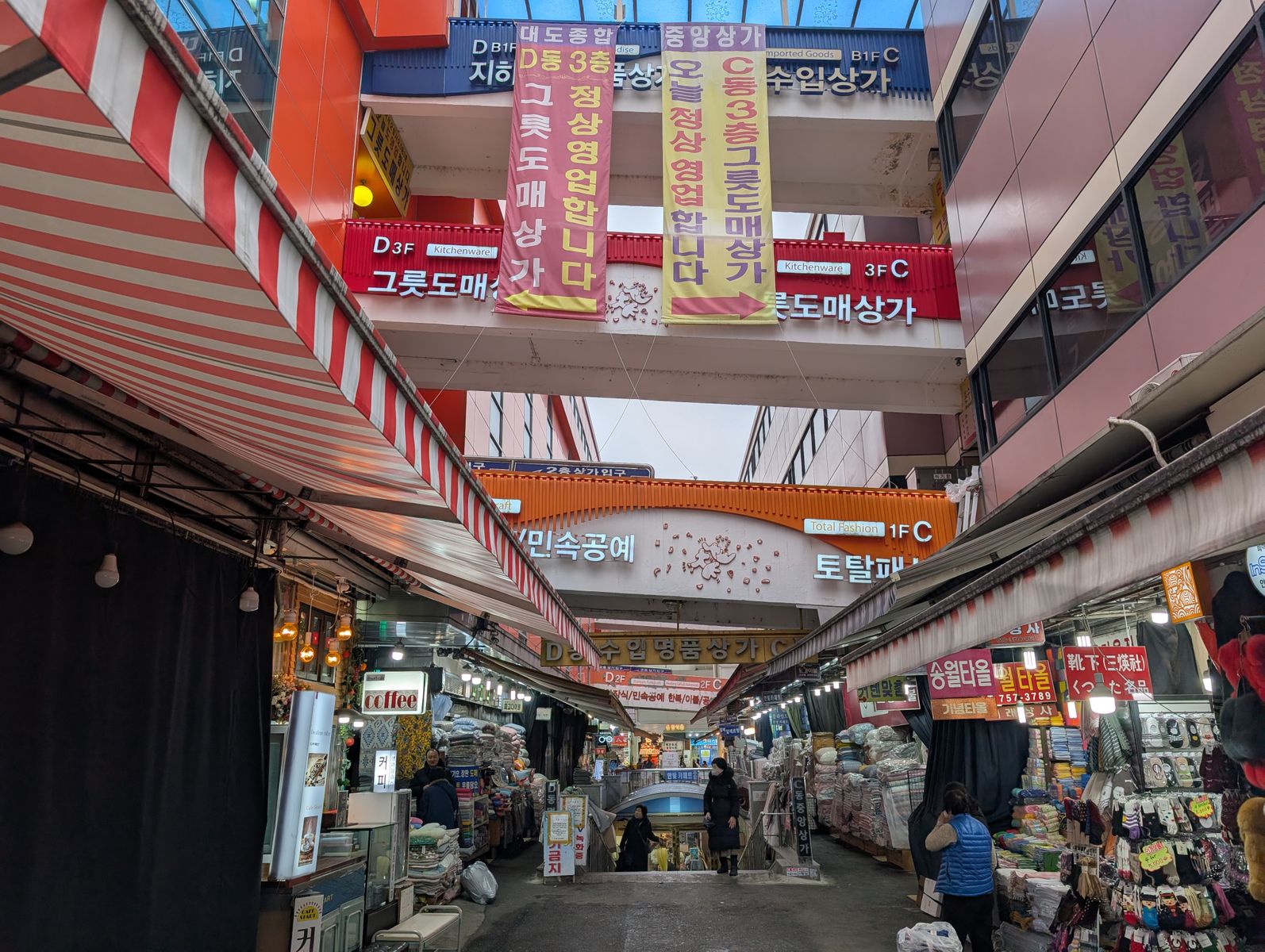
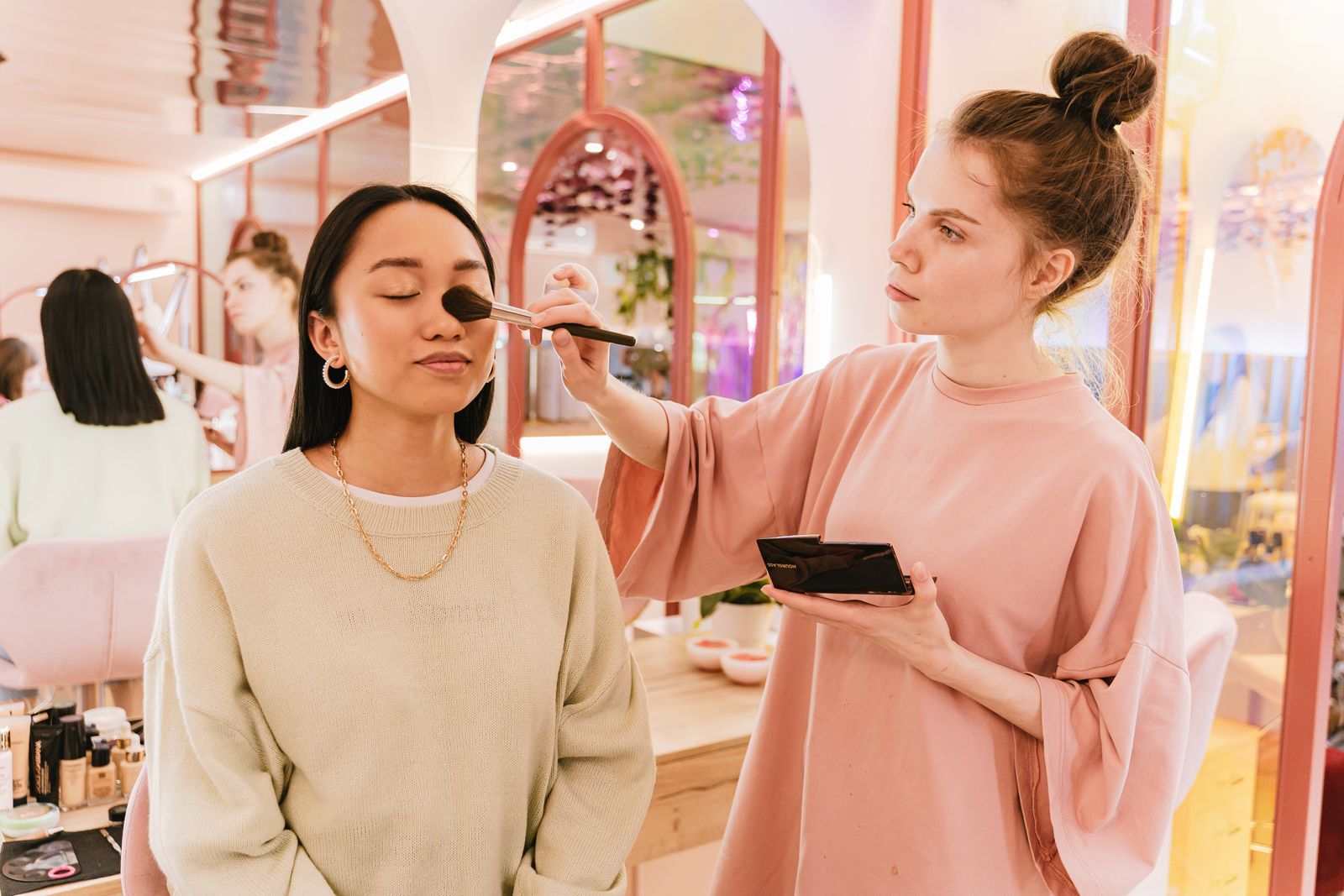
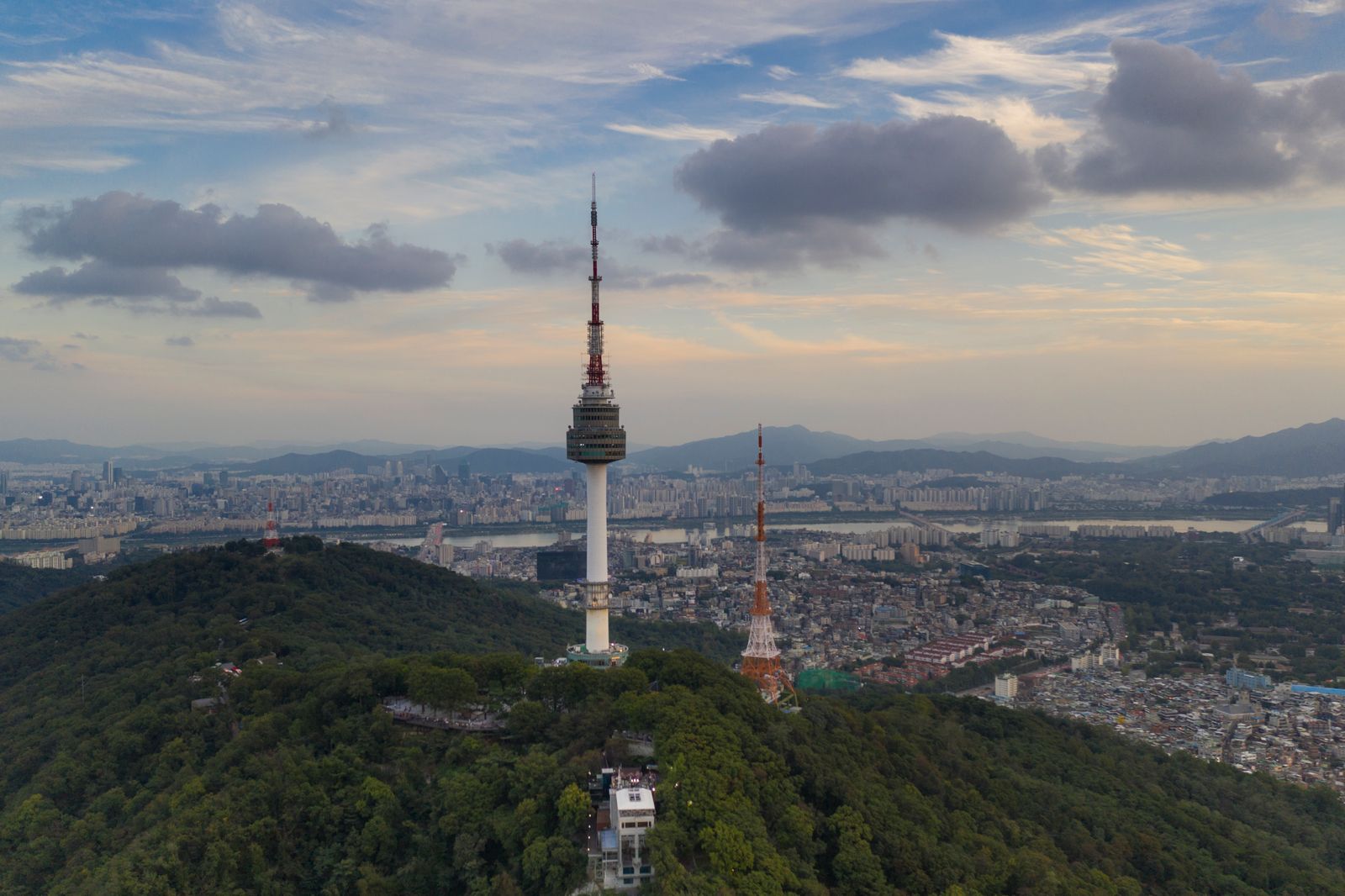
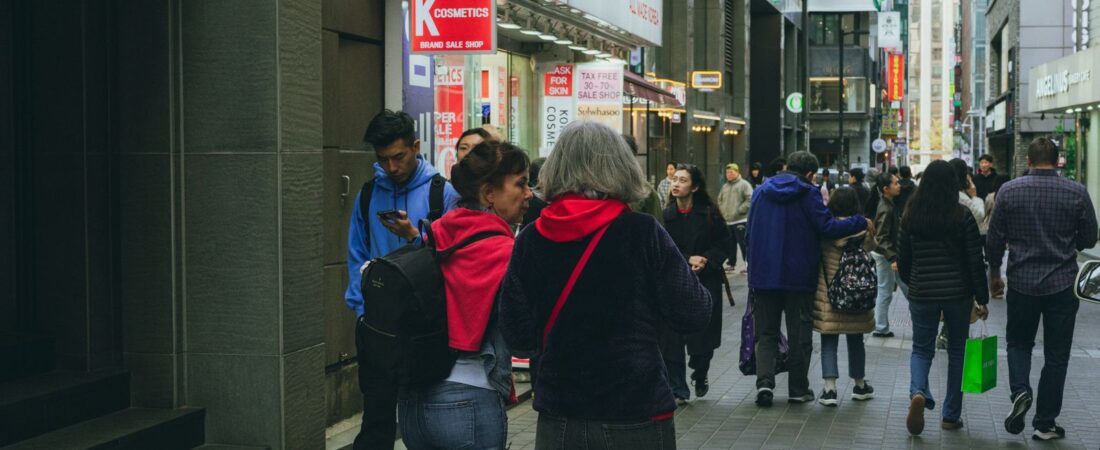
Myeongdong is the single busiest shopping district in Seoul — a compact grid of pedestrian streets in Jung District, wedged between Euljiro and Namsan, where K-beauty flagship stores, street food carts and two century-old department stores all sit within a ten-minute walk of each other. It is not a single monument but a whole neighborhood built for browsing, snacking and people-watching, and it works as a half-day add-on to almost any Seoul itinerary. Here is what is actually there, what it costs, and how to get the most out of a visit.
A Little Context
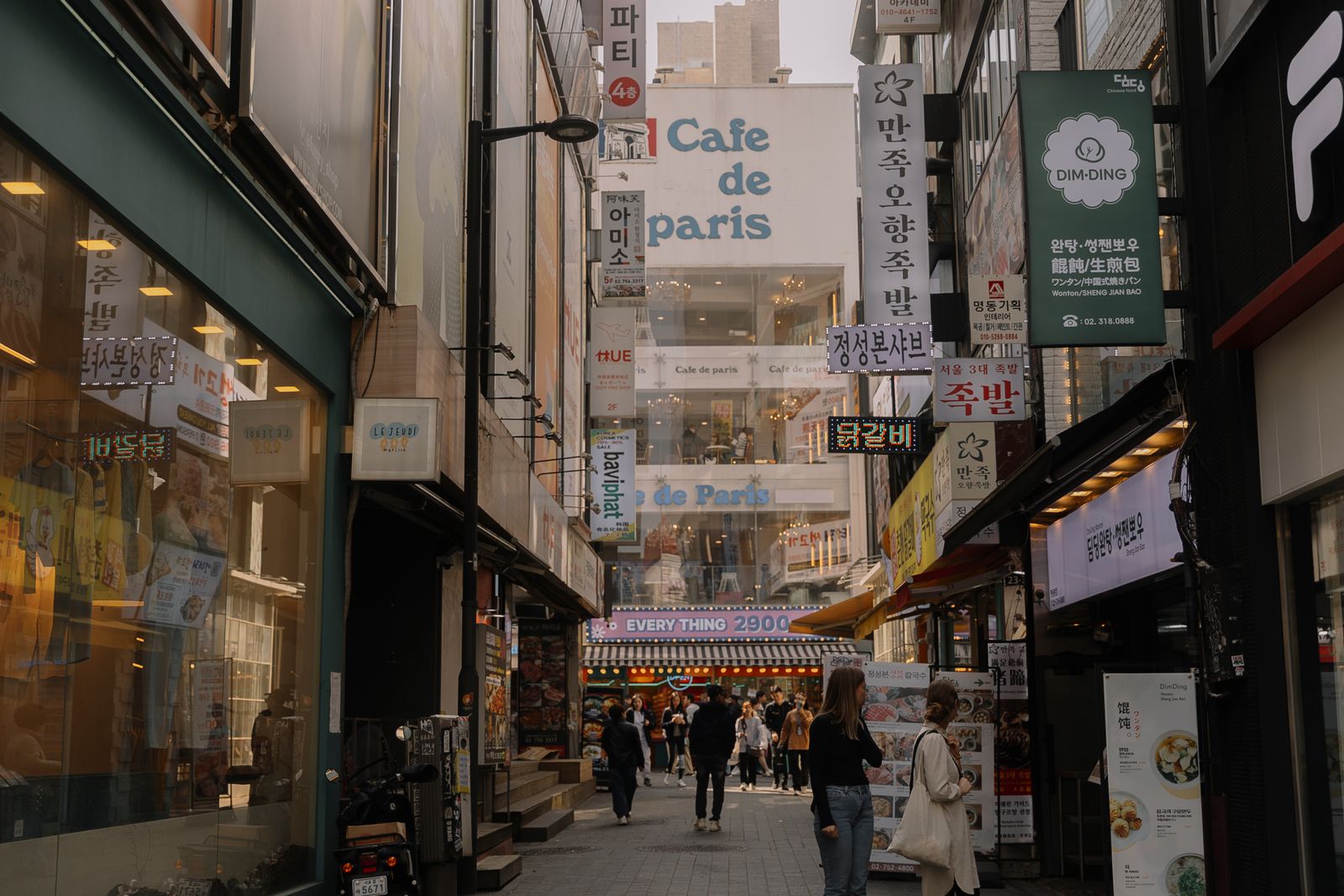
Before it was a shopping district, this neighborhood was a quiet residential quarter of the old Joseon capital known as Myeongnyebang. Its transformation into a commercial hub began under Japanese colonial rule: in 1914 the area was renamed Meiji-cho, and Mitsukoshi opened a department store branch there in 1930 (with an earlier Mitsukoshi presence in Seoul from 1906), followed by other Japanese-run retailers in the 1920s and 1930s. After Korea’s 1945 liberation, the district reclaimed its Korean name, Myeongdong, in 1946, and the retail infrastructure the colonial era left behind became the foundation for its postwar boom. Myeongdong Cathedral, completed in 1898 on a rise above the shopping streets, predates almost all of this commercial history and remains the neighborhood’s spiritual anchor. From the 1990s onward, Myeongdong reinvented itself again as the epicenter of Korea’s cosmetics (“K-beauty”) boom, and today it is one of the most visited retail districts in the country — Korea Times reported that as foreign tourist arrivals hit a record 8.83 million in the first half of 2025, Myeongdong storefront vacancy fell sharply from a pandemic-era high of 52.5% to just 4.9%, a direct reflection of how central the district is to Seoul’s inbound tourism economy.
Quick Facts & Costs for 2026
💡 Prices checked on 24 July 2026. Myeongdong itself has no entrance fee — it is an open shopping street. Costs below are for individual attractions and typical street snacks; always confirm current prices before you visit.
| Item | Cost | Notes & source (checked) |
|---|---|---|
| Walking Myeongdong’s streets & window shopping | Free | Open pedestrian streets, no ticket needed. — Visit Seoul official guide, checked 24 Jul 2026 |
| Myeongdong Cathedral | Free | Grounds and main sanctuary open to visitors outside Mass times. — Archdiocese of Seoul / Visit Seoul, checked 24 Jul 2026 |
| Street food snack (tteokbokki, per portion) | ₩3,000–5,000 (≈ $2.0–3.4) | Prices vary by stall and portion size. — local food-guide roundups, checked Jul 2026 |
| Street food snack (hotteok, per piece) | ₩1,500–2,000 (≈ $1.0–1.4) | Classic Myeongdong Alley snack. — local food-guide roundups, checked Jul 2026 |
| Full street-food sampling budget (3–4 snacks) | ₩15,000–20,000 (≈ $10–14) | Enough for tteokbokki, hotteok, egg bread and a grilled skewer. — local food-guide roundups, checked Jul 2026 |
How to Get There
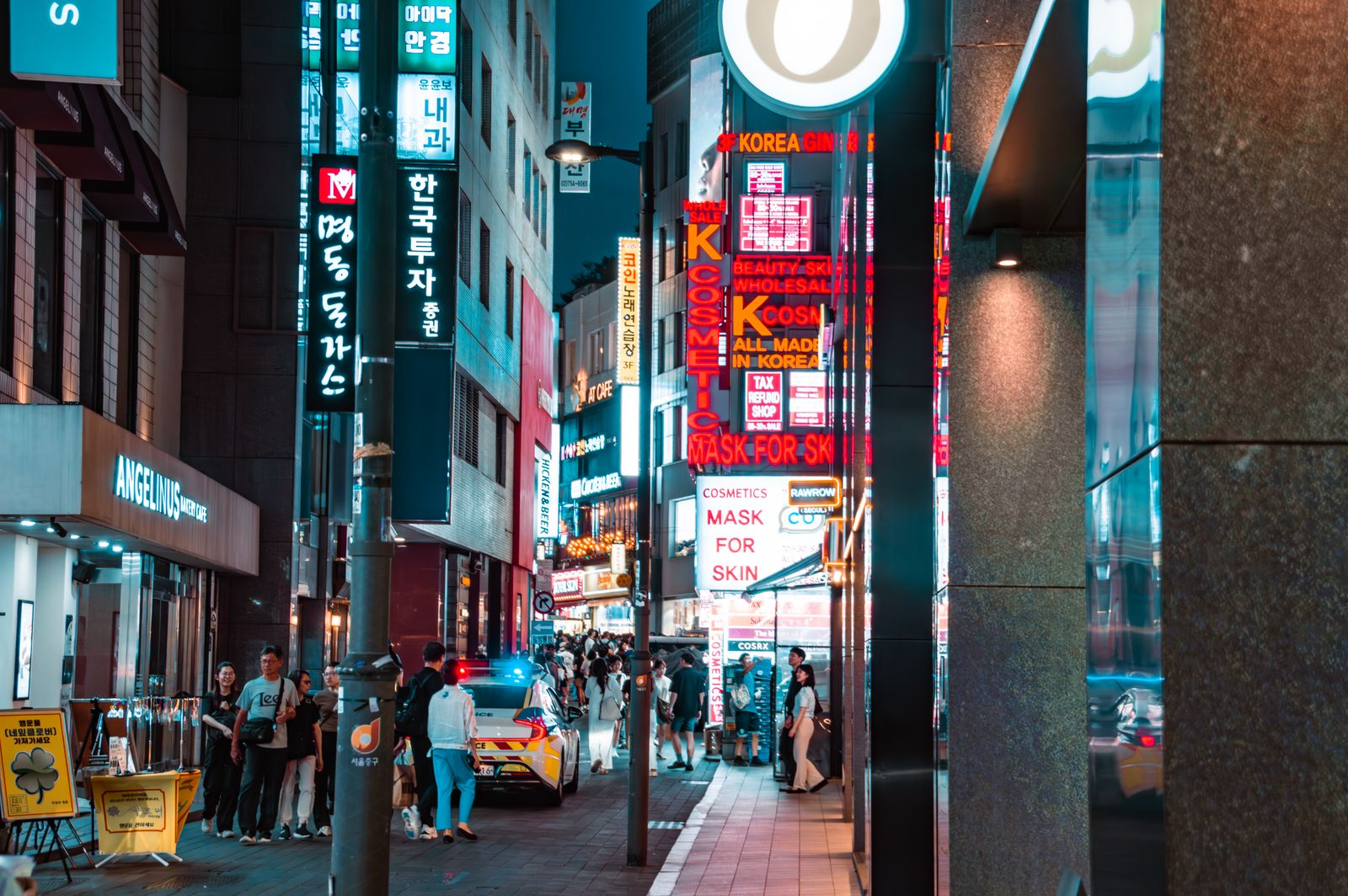
Myeongdong is served by two subway stations at opposite ends of the district, about a 10-minute walk apart, so wherever you get off you are close to the shopping streets.
| Getting there | Details (checked 24 Jul 2026) |
|---|---|
| Myeongdong Station (Line 4) | Exits 5, 6, 7 and 8 lead directly into the main shopping streets and Myeongdong Cathedral |
| Euljiro 1(il)-ga Station (Line 2) | Exits 5 and 6 open onto the north side of Myeongdong, close to the Lotte and Shinsegae department stores |
| From Incheon Airport | AREX express train to Seoul Station, then 1 subway stop or a ~15-minute taxi to Myeongdong |
| On foot from Seoul Station / Namdaemun | Myeongdong is roughly a 15–20 minute walk north of Seoul Station via Namdaemun Market |
Want a guided introduction instead of wandering solo?
K-Beauty & Shopping Streets
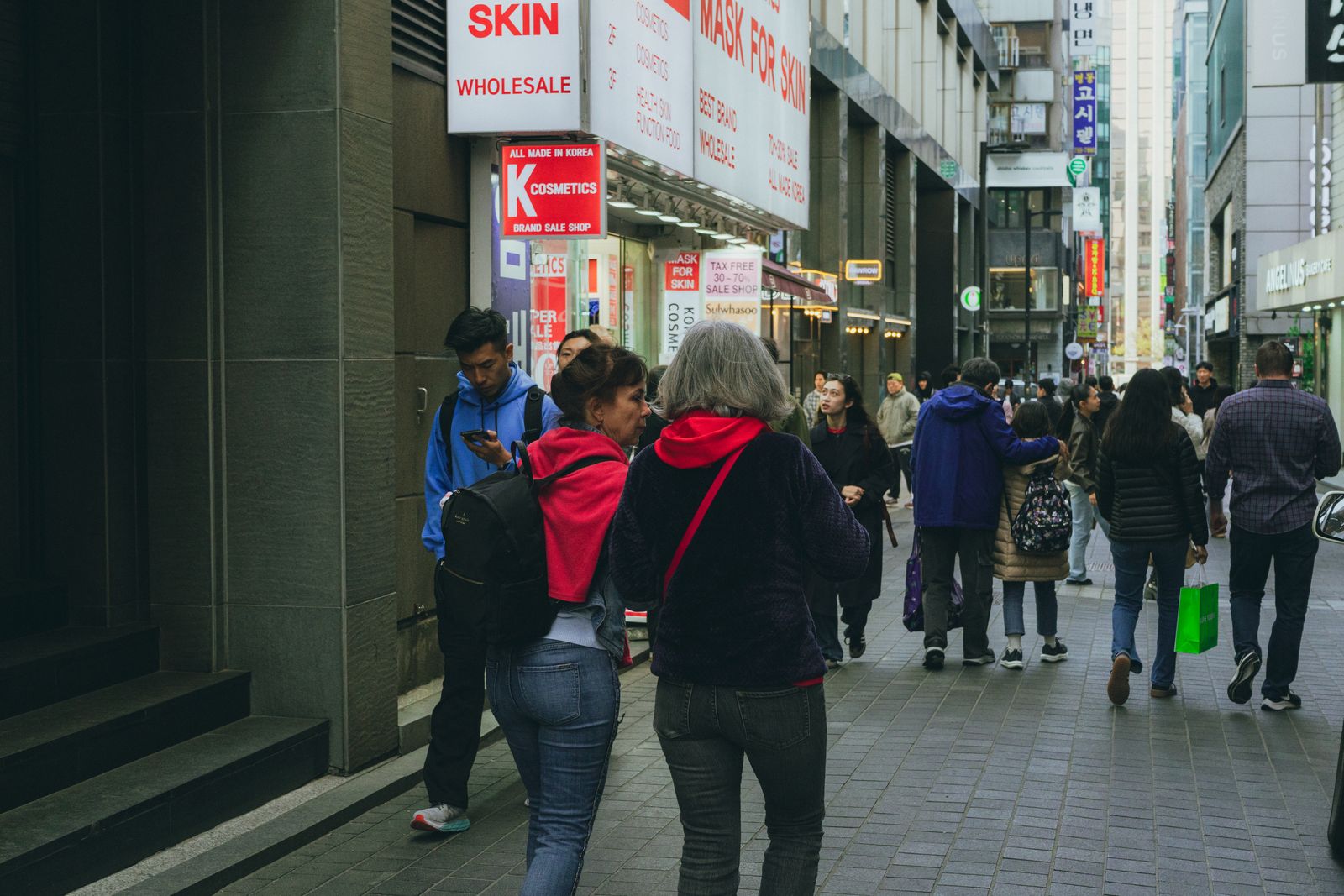
The main draw for most visitors is the sheer density of K-beauty flagship stores — brands like Olive Young, Innisfree, Nature Republic and dozens of Korean skincare and makeup labels operate multi-floor stores here, many with tester bars, free sample counters and tax-refund desks for tourists. Fashion chains and streetwear boutiques fill the side alleys, and two of Korea’s oldest department stores bookend the district: Lotte Department Store’s main branch, which opened in 1976 near Euljiro-ipgu Station, and Shinsegae Department Store’s “The Main” branch, built on the site of Korea’s first department store from the 1930s. The two retailers have spent recent years racing to renovate their Myeongdong flagships with luxury wings and gourmet food halls, turning the block between them into what local press has called a “landmark war” for Seoul’s wealthiest shoppers. Most stores open around 10:30 AM and close between 9 and 10 PM; weekends and Korean holidays bring the heaviest crowds.
Myeongdong Street Food Alley
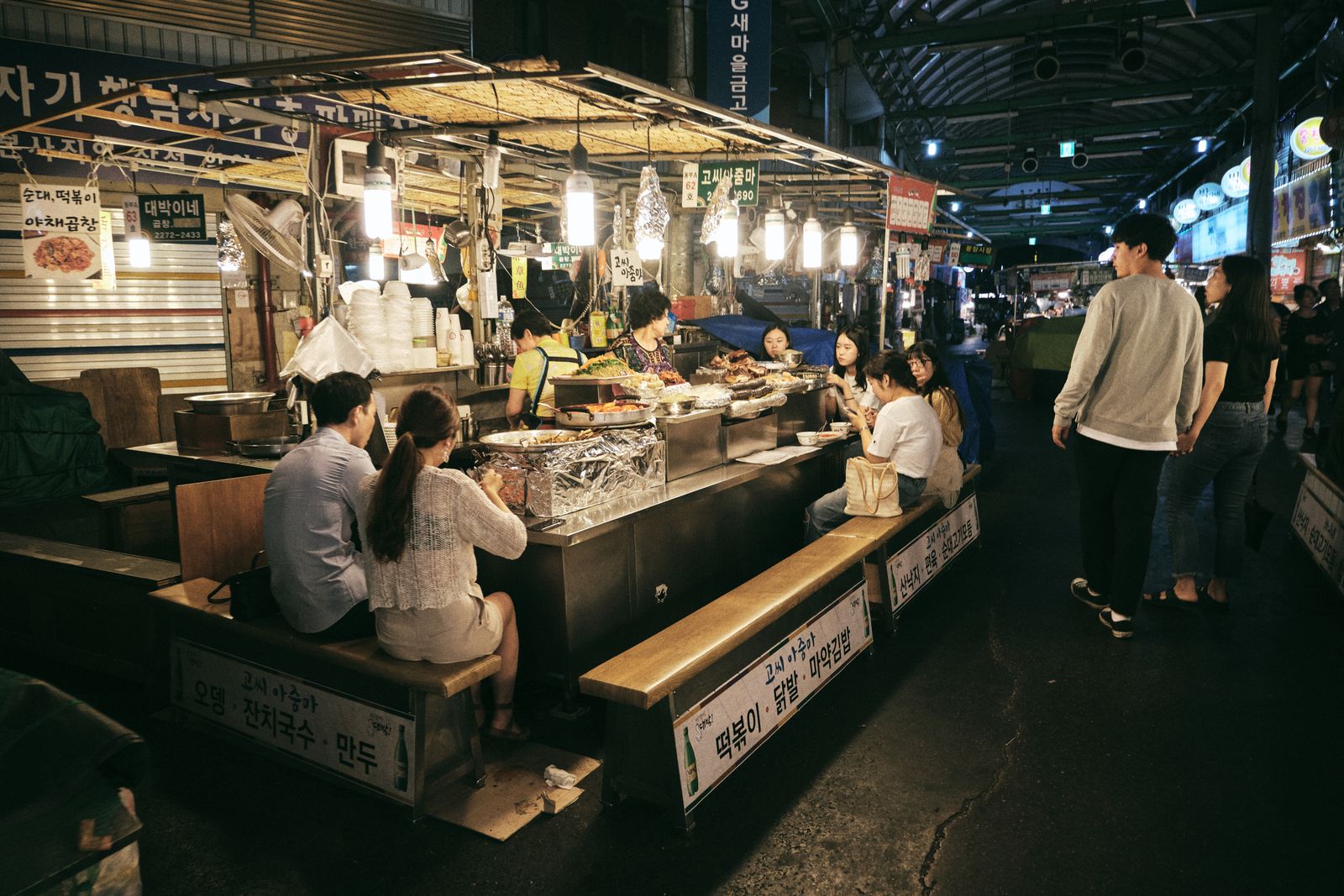
From roughly late afternoon onward, dozens of street food carts set up along Myeongdong’s side alleys, turning them into an open-air food court. Expect Korean staples like tteokbokki (spicy rice cakes), hotteok (sweet filled pancakes), Korean-style egg bread, grilled skewers, giant fried dumplings and seafood on a stick, alongside stalls that have adapted to the district’s international crowd with steak skewers and lobster tails. None of it requires a reservation — you simply queue, point, and pay in cash or card at each cart. It is busiest and most atmospheric after dark, especially on weekends.
Myeongdong Cathedral
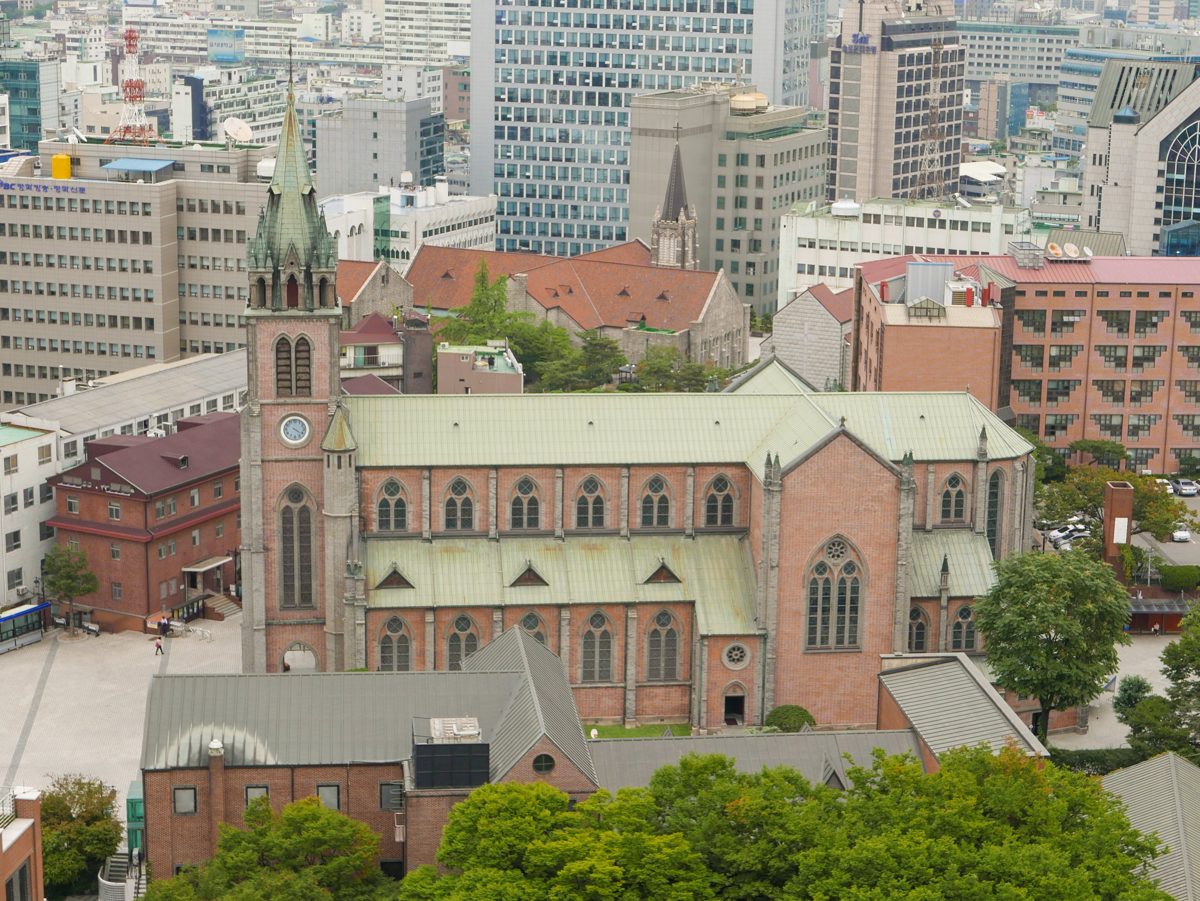
Set on a small hill above the shopping streets, Myeongdong Cathedral (officially the Cathedral Church of Our Lady of the Immaculate Conception) is the seat of the Archdiocese of Seoul and the national cathedral of Korean Catholicism. Construction began in 1892 and finished in 1898, with Emperor Gojong laying the first stone; French missionaries designed the building, making it the first Gothic-style structure — and the first brick building — ever constructed in Korea. The nave rises 23 meters and the bell tower 45 meters, and the red-brick facade is a striking contrast to the glass storefronts surrounding it. Beyond its religious role, the cathedral became a landmark of Korea’s democracy movement, sheltering pro-democracy demonstrators during the 1970s–80s military governments. The grounds and main sanctuary are open to visitors free of charge outside of Mass times, and it remains one of the few quiet spots in the entire district.
Nightlife & Evening Atmosphere
Myeongdong does not slow down when the sun sets — if anything, the crowds thicken as office workers, students and tourists pour in after work and the street food carts light up. Storefronts stay lit well past 10 PM, buskers and street performers often draw circles of onlookers near the main intersections, and theaters in the neighborhood (Myeongdong has long been associated with Korea’s non-verbal performance scene, including long-running comedy and drumming shows) add an evening entertainment option beyond shopping and eating. It is a safe, well-lit area to walk at night, and the busiest hours run from about 7 PM to 10 PM.
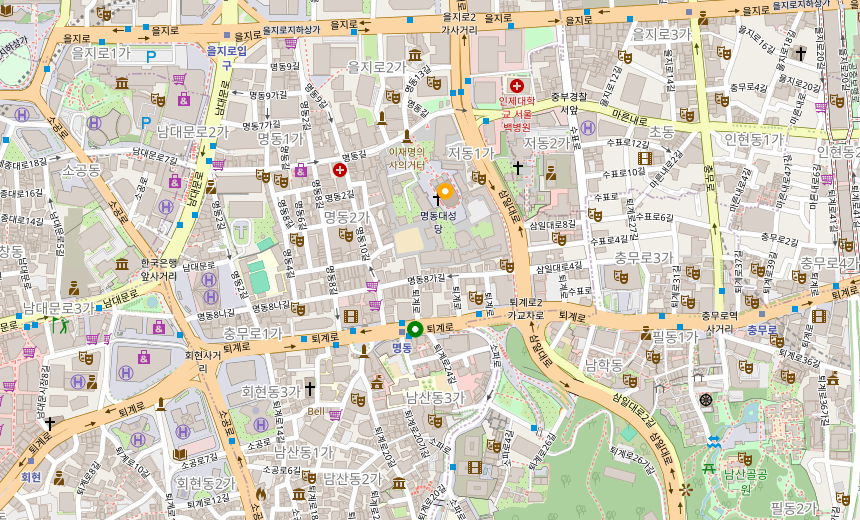
Map: Myeongdong at a Glance
Practical Tips
- Myeongdong is entirely walkable — most of the district can be covered on foot in under an hour, though browsing easily fills half a day.
- Many cosmetics stores offer tax-free (duty-free) purchases for tourists with a passport — ask at checkout, as the process and minimum spend can change.
- Weekday mornings are the quietest time to visit; weekends and Korean public holidays bring the heaviest foot traffic.
- Bring cash in small denominations for street food carts, though most now accept Korean card payments (foreign cards are less reliably accepted at carts).
- Myeongdong Cathedral asks for quiet, respectful behavior inside the sanctuary — it is an active place of worship, not just a photo stop.
Where to Stay
Myeongdong itself has a huge range of hotels right above the shops, ideal if shopping and street food are the priority. Euljiro, just north, is quieter with a growing café and bar scene while staying just as central. Seoul Station / Namdaemun, a short walk south, is a good pick if you want easy AREX airport access alongside proximity to Myeongdong.
Frequently Asked Questions
Is Myeongdong free to visit?
Yes — the shopping streets and Myeongdong Cathedral grounds are free and open to the public. You only pay for what you buy or eat.
How do I get to Myeongdong by subway?
Take Line 4 to Myeongdong Station (exits 5–8) or Line 2 to Euljiro 1(il)-ga Station (exits 5–6); both put you within a 10-minute walk of the main streets.
How much time should I budget for Myeongdong?
Two to three hours covers the shopping streets and a street food stop; a half day lets you add Myeongdong Cathedral and a sit-down meal without rushing.
What is the best time of day to visit?
Weekday mornings are calmest for shopping; go after 5 PM, especially on a weekend evening, for the street food alleys and liveliest atmosphere.
Final Word
Myeongdong packs Seoul’s biggest K-beauty shopping strip, a historic Gothic cathedral, and one of the city’s best street food scenes into a neighborhood you can walk end to end in twenty minutes. Give it at least half a day, come hungry, and pair it with a stop at Myeongdong Cathedral for a quieter counterpoint to the noise and neon.
This post contains affiliate links. If you book or buy through them, we may earn a small commission at no extra cost to you. Hours and prices can change — always confirm on official sources before you visit.
Related Guides
🎟️ Book Tours, Activities & Food Experiences
Search and book top attractions, tours and food experiences on Klook — official best price, instant confirmation.
Klook.com