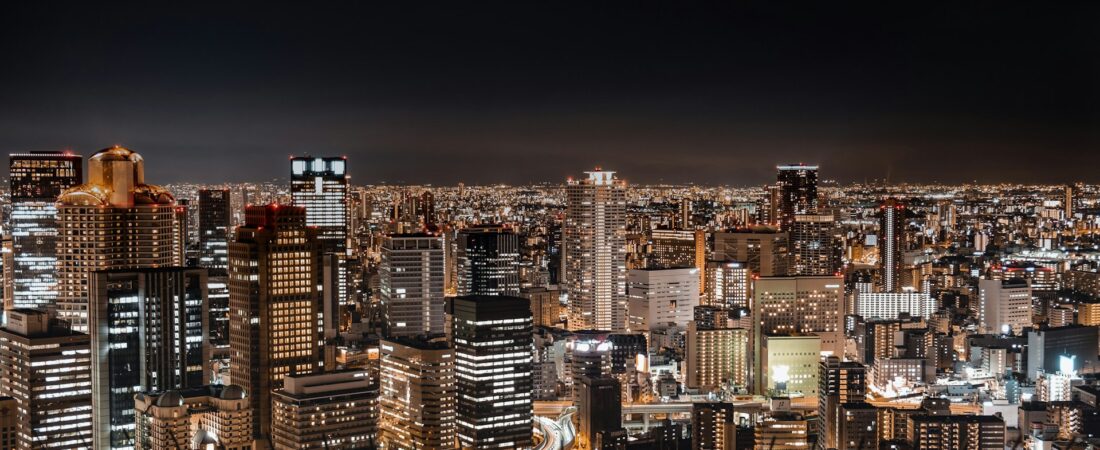
Top Attractions in Osaka
Tap a landmark for its full 2026 guide — tickets, hours and how to get there.
This post contains affiliate links. If you book or buy through them, we may earn a small commission at no extra cost to you.
Top Attractions in Osaka
Tap a landmark for its full 2026 guide — tickets, hours and how to get there.
Osaka is Japan at its most unbuttoned. Where Kyoto whispers and Tokyo hums with restless efficiency, Japan’s third-largest city talks with its hands, laughs loudly, and feeds you until you cannot move. This is the country’s kitchen and its comedy stage rolled into one, a place where the locals greet each other with “mokarimakka?” (“are you making money?”) and where the unofficial civic philosophy of kuidaore—eating yourself into ruin—is worn as a badge of honour. For travellers, that translates into one of the most immediately rewarding cities in East Asia: compact, superbly connected, wildly delicious, and refreshingly free of pretension.
Yet Osaka is far more than a food crawl. It carries almost 1,500 years of history in its temples, guards one of Japan’s grandest reconstructed castles, and doubles as the perfect launch pad for the Kansai region, with Kyoto, Nara, Kobe and Himeji all within an hour by train. Below is a deep, first-hand-style guide to the best things to do in Osaka in 2026—eleven standout sights, where and what to eat, how to get around, when to come, and where to base yourself—so you can plan a trip that balances neon nights with quiet shrines and castle moats.
Book Tours & Activities in Osaka
Ready to skip the queues? You can pre-book Universal Studios Japan tickets, the Osaka Amazing Pass, day trips and food tours on Klook’s Osaka page before you go.
Please read before you book: Prices below were checked on 16 July 2026 from official and booking sources. Admission fees and fares change over time — treat these as a planning baseline and confirm the live price on the official site or the booking widget below before you go.
| Item | Price (adult) | Notes | Checked / source |
|---|---|---|---|
| Osaka Castle main tower (Tenshukaku) | ¥600 (≈ $3.7) | Middle-school age and under free | Jul 2026 · osakacastle.net (official) |
| Umeda Sky Building, Floating Garden Observatory | ¥2,000 (≈ $12) | Ages 4–12 ¥500; free with the Osaka Amazing Pass 9:30–15:00 | Jul 2026 · skybldg.co.jp (official) |
| Osaka Amazing Pass, 1-day | ¥3,500 (≈ $22) | Covers roughly 40 attractions plus unlimited Metro/bus/private-rail rides in the city area | Jul 2026 · osaka-amazing-pass.com (official) |
| Osaka Metro 1-day pass (Enjoy Eco Card) | ¥820 weekday / ¥620 weekend (≈ $5.1 / $3.8) | Child flat rate ¥310 | Jul 2026 · subway.osakametro.co.jp (official) |
| Shitennoji Temple, Central Garden | ¥500 (≈ $3.1) | Outer temple grounds are free 24 hours; the Treasure Hall is a separate ¥500 ticket | Jul 2026 · shitennoji.or.jp (official) |
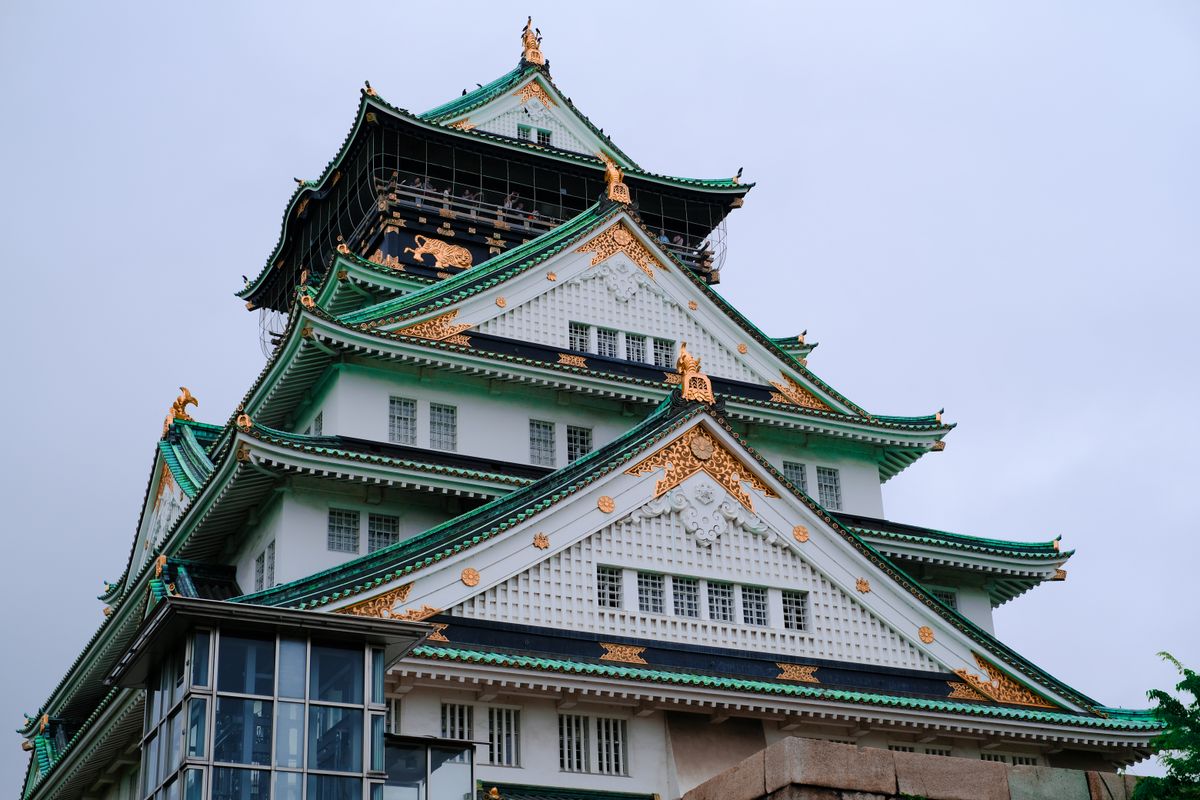
Osaka Castle
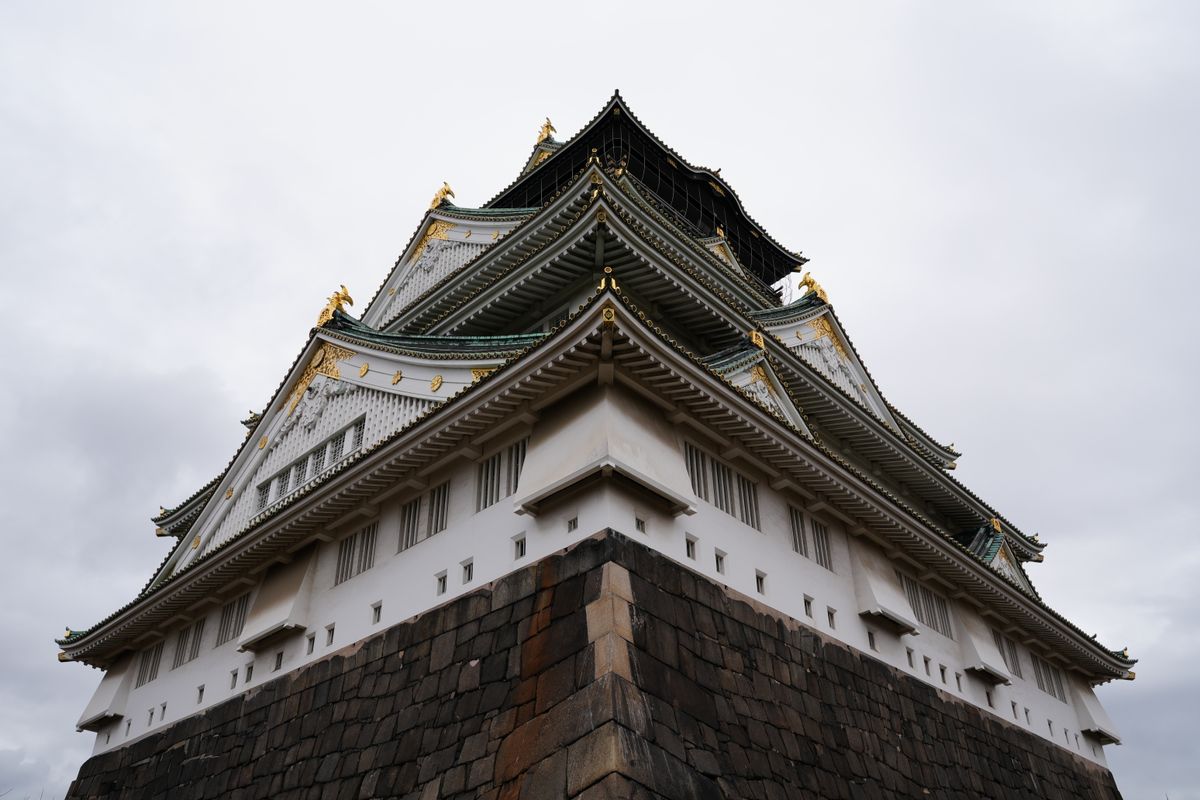
No visit to the city is complete without standing beneath Osaka Castle (Ōsaka-jō), the gleaming green-and-gold keep that has become the city’s emblem. The original fortress was raised in 1583 by the warlord Toyotomi Hideyoshi, then the most powerful man in Japan, and its scale was meant to broadcast his supremacy. The tower you see today is a 1931 ferro-concrete reconstruction, meticulously restored in 1997, and inside it hides an excellent eight-floor museum tracing Hideyoshi’s rise and the epic sieges that ended his clan.
Ride the lift to the eighth-floor observation deck for a 360-degree panorama over the city, then wander back down through the exhibits at your own pace. The real magic, though, is outside: the surrounding Osaka Castle Park spans roughly 100 hectares of moats, colossal stone ramparts and lawns, and the Nishinomaru Garden erupts with cherry blossom every spring. Come early morning to beat both the heat and the tour groups.
Dotonbori
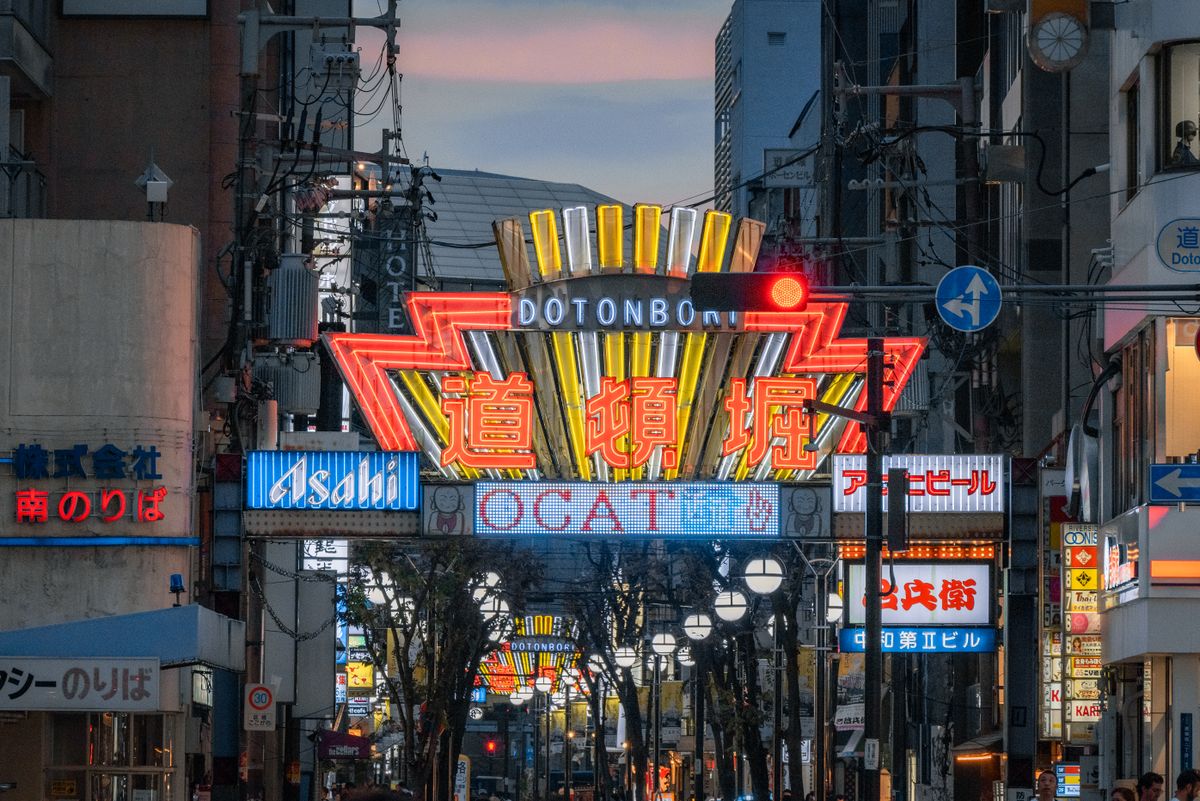
If Osaka has a beating heart, it pulses along Dotonbori, the canal-side strip that switches on at dusk into a riot of neon, steam and noise. This is the home of the famous Glico “running man” sign, glowing over the water since 1935, and of a parade of giant mechanical signboards—a crawling crab, a puffer fish, a red-and-white octopus—competing for your attention above the crowds. The 600-metre stretch is essentially an open-air food court where takoyaki sizzles, ramen slurps and okonomiyaki griddles never stop.
Come hungry and graze your way from stall to stall, then cross the Ebisu Bridge for the classic photo of the illuminated canal. For a few hundred yen you can even board a Tombori River Cruise to see the lights from the water. It is gloriously touristy, unashamedly loud, and absolutely essential—there is nowhere else in Japan quite like it.
Shinsekai & Tsutenkaku Tower
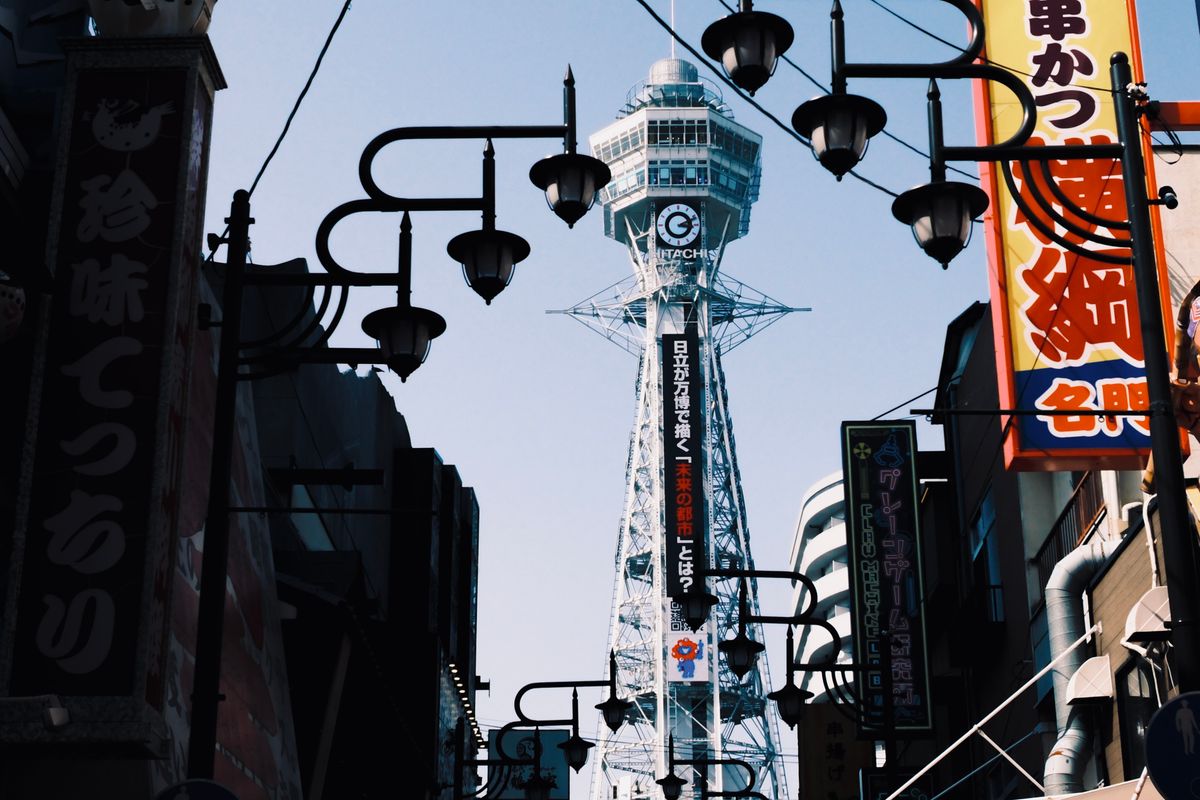
Just south of the centre, Shinsekai (“New World”) is a wonderfully retro pocket of the city, built in 1912 with one half modelled on Paris and the other on New York’s Coney Island. Time has since layered it with hand-painted signs, pachinko parlours, old game arcades and narrow lanes of kushikatsu joints, giving it a nostalgic, slightly rough-around-the-edges charm that feels a world away from polished Umeda.
Presiding over it all is Tsutenkaku Tower, a 103-metre steel landmark rebuilt in 1956 and modelled loosely on the Eiffel Tower. Head up for city views and to rub the feet of Billiken, the grinning “god of things as they ought to be,” for good luck. Then settle into a Shinsekai institution like Daruma for a plate of crisp, feather-light kushikatsu skewers—just remember the golden rule: never double-dip in the communal sauce.
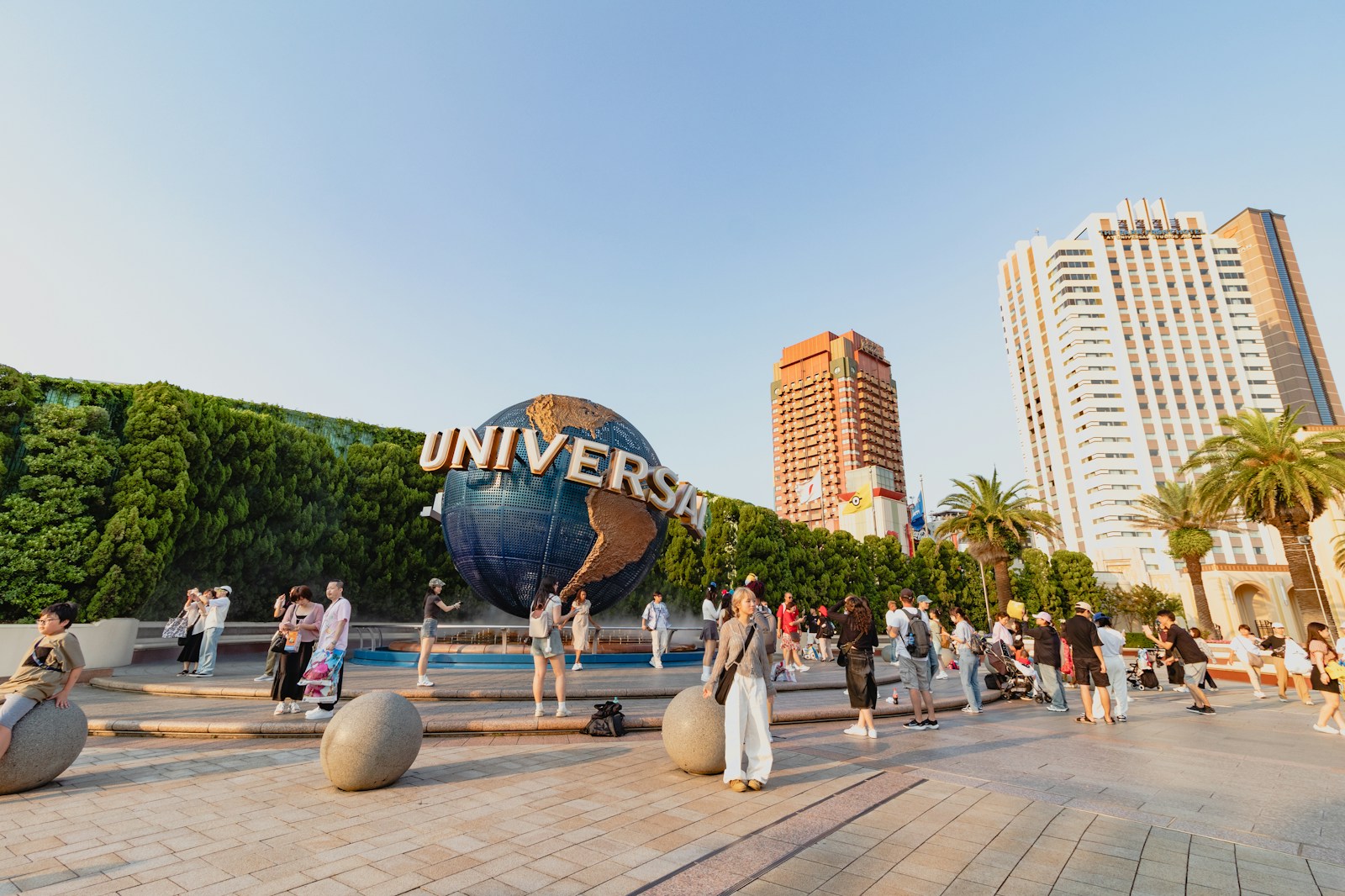
Universal Studios Japan
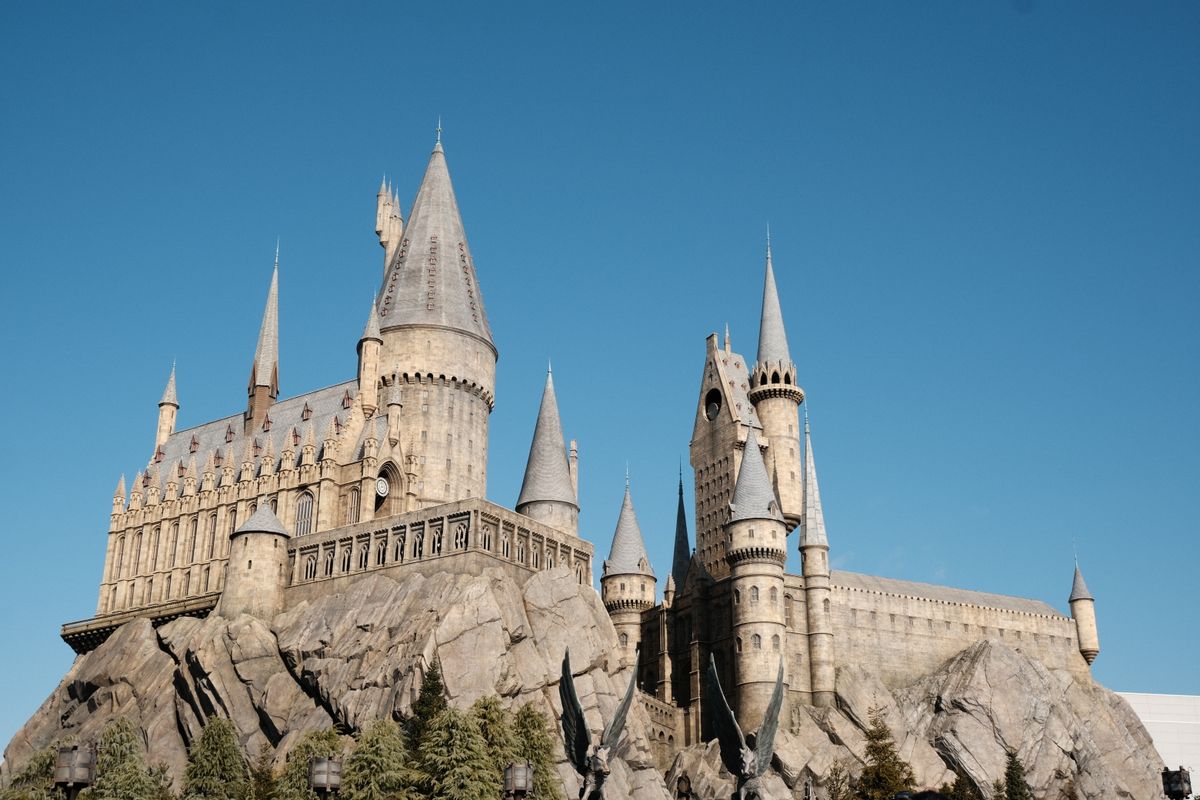
Universal Studios Japan (USJ) is the only Universal park in Asia outside Beijing, and the 2021 opening of Super Nintendo World turned it into one of the most in-demand theme parks on the planet. Step through the giant green pipe into a life-sized, brilliantly colourful Mushroom Kingdom where you can wear an interactive Power-Up Band, punch question blocks for coins and ride Mario Kart: Koopa’s Challenge, an augmented-reality racer that regularly tops “best theme-park ride” lists.
Beyond Nintendo, the park delivers The Wizarding World of Harry Potter, Jurassic Park, Minions and a rotating line-up of thrill rides. It is enormously popular, so buy a dated ticket in advance and seriously consider an Express Pass or the Nintendo World timed-entry to avoid multi-hour queues. You can book USJ tickets and passes on Klook, often at a discount, before you arrive.
Osaka Aquarium Kaiyukan
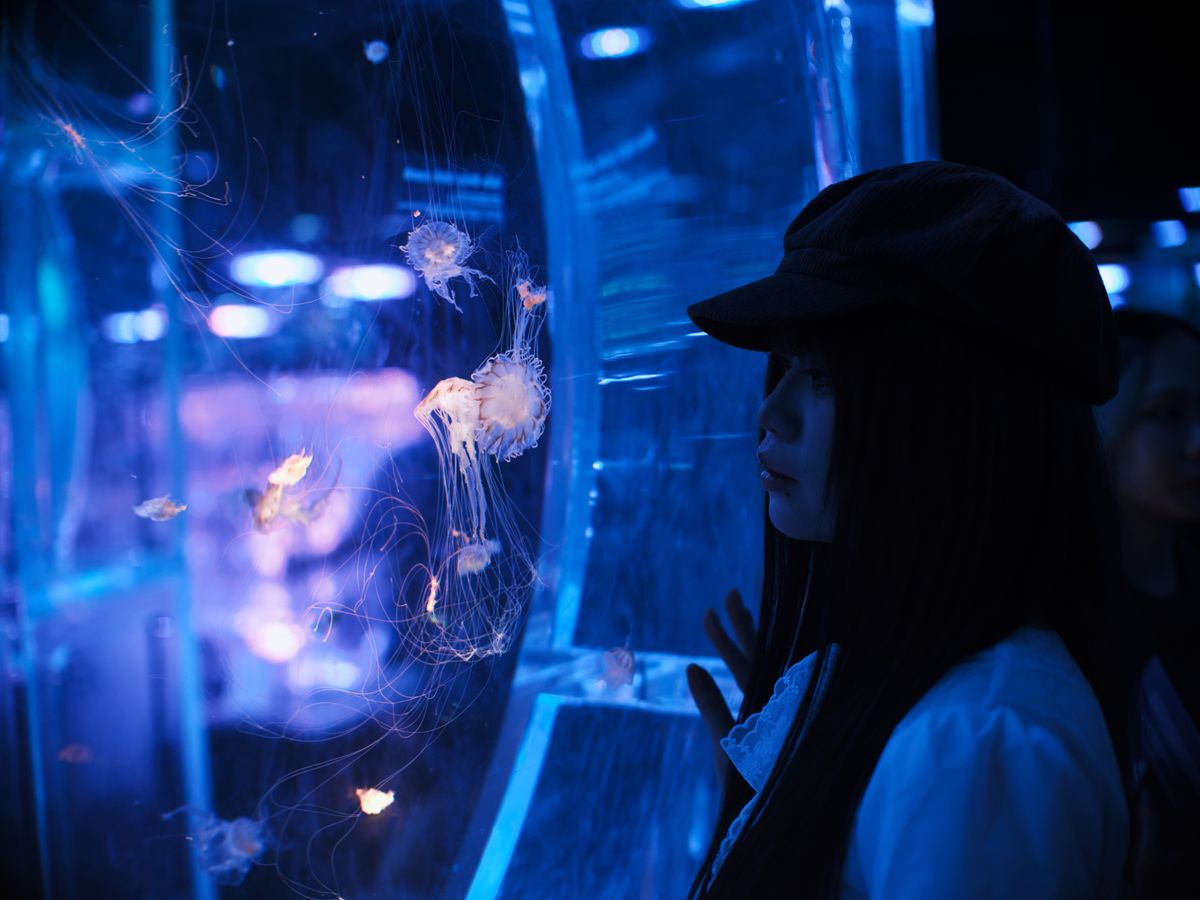
Down at the redeveloped Tempozan Harbour Village, the Osaka Aquarium Kaiyukan is regularly ranked among the finest aquariums in the world. Its design is genuinely clever: you take a lift to the top and spiral gently downward around a colossal central tank, following the marine life of the Pacific “Ring of Fire” from the surface to the deep.
The star of that central tank is a pair of whale sharks, the largest fish on Earth, gliding hypnotically past visitors—Kaiyukan is one of only a handful of aquariums anywhere that houses them. You will also meet manta rays, sunfish, playful sea otters and a touch pool of small sharks and rays. Pair a visit with a spin on the neighbouring Tempozan Ferris Wheel, one of the tallest in the world, for sunset views over Osaka Bay.
Umeda Sky Building
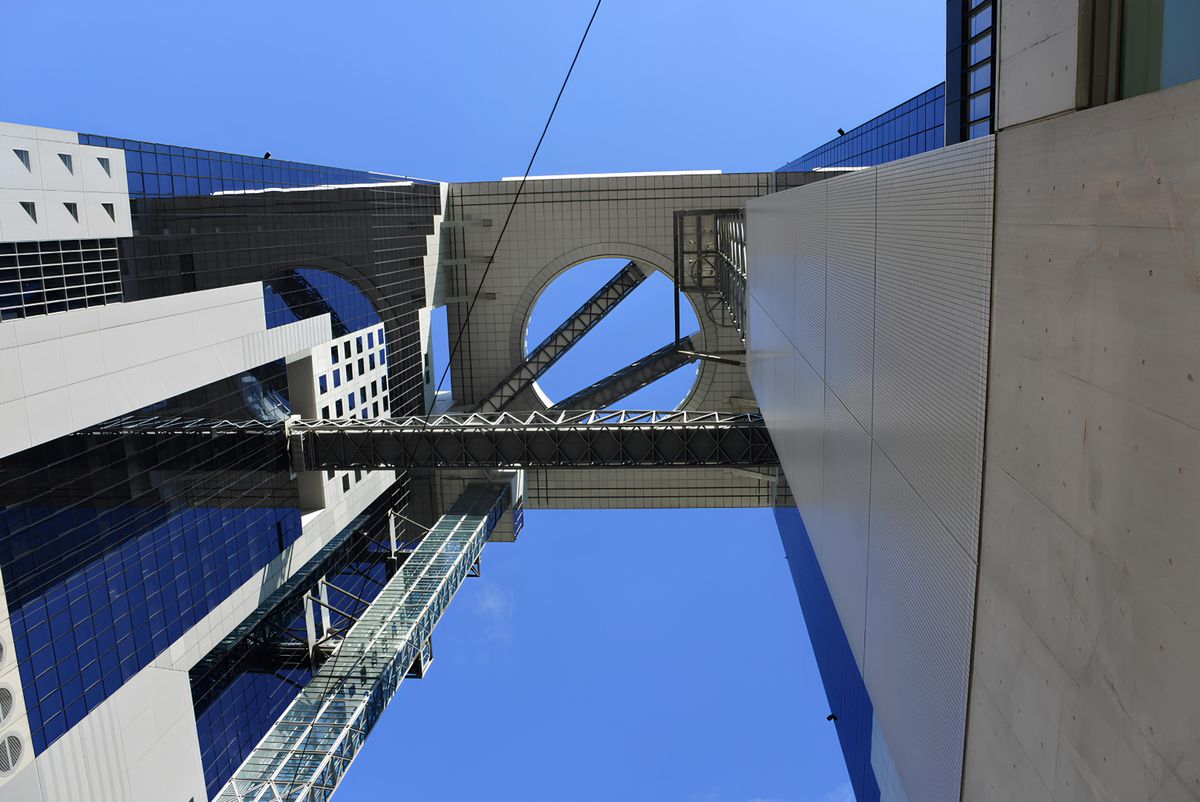
For the best skyline view in the city, head to the Umeda Sky Building, a striking pair of 40-storey towers joined at the top by a doughnut-shaped “Floating Garden Observatory.” Completed in 1993, its futuristic silhouette—two blocks linked by sky bridges and escalators that seem to climb through open air—has become a landmark in its own right.
Up on the rooftop deck, 173 metres above the Kita district, you get a breezy open-air circuit with sweeping 360-degree views that are especially spectacular at sunset and after dark, when the whole city lights up beneath you. There is a Lumi Sky Walk with glowing floor panels for a romantic evening atmosphere, and a warren of retro Showa-era restaurants in the basement if you want to eat with a side of nostalgia.
Kuromon Ichiba Market
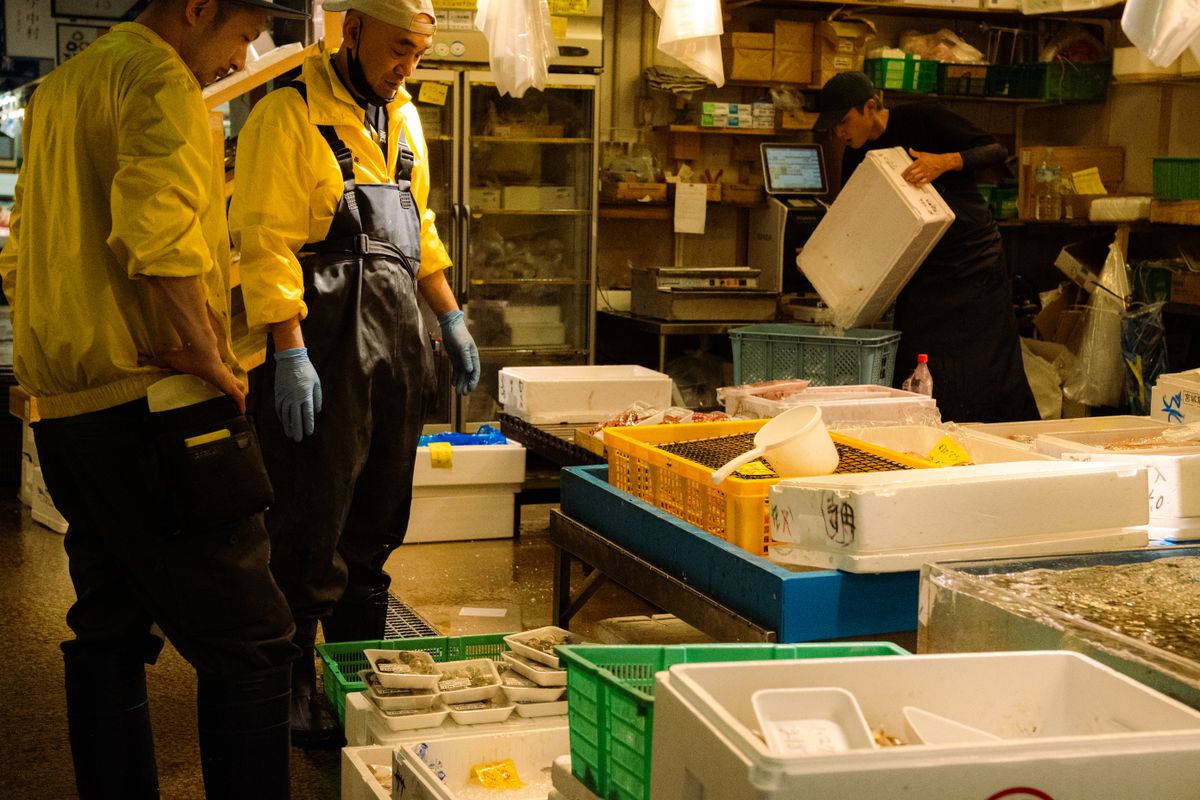
Nicknamed “Osaka’s Kitchen,” Kuromon Ichiba is a 600-metre covered market that has been feeding the city for around two centuries. Under its arcade roof you will find some 150 stalls piled with glistening tuna, spiny sea urchin, wagyu beef, fat strawberries and pufferfish, many of the vendors happy to grill or slice your choice for you to eat on the spot.
Come with an appetite and an open mind: graze on fresh sashimi, a skewer of grilled scallops, a slab of A5 wagyu seared in front of you, or a paper cup of just-fried tempura. It is busiest and most atmospheric in the morning, and while prices reflect its tourist popularity, few places give you such a delicious, hands-on introduction to Kansai’s love affair with food.
Shitennoji Temple
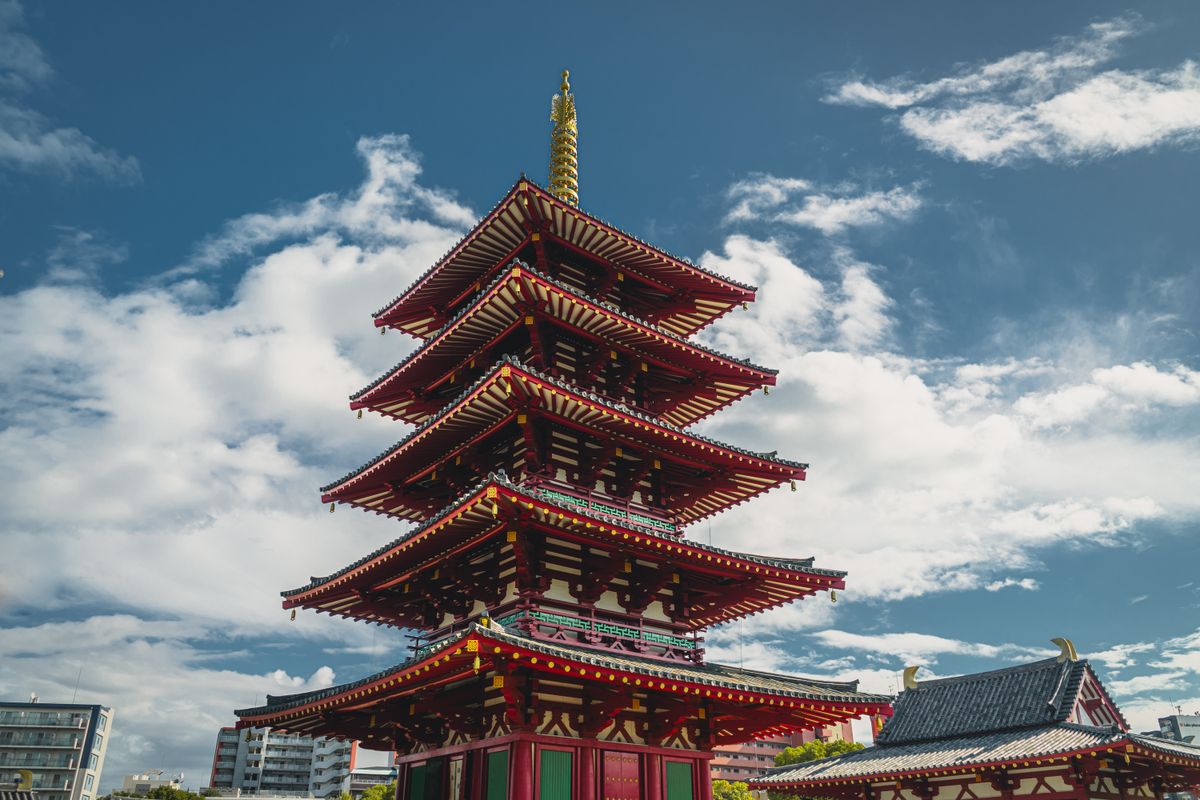
Founded in 593 AD by Prince Shotoku, Shitennoji holds the title of the oldest officially administered temple in Japan, established even before Buddhism was fully rooted in the country. Though fires and war have forced repeated reconstructions over the centuries, the layout faithfully preserves the ancient “Shitennoji style,” with a five-storey pagoda, main hall and lecture hall arranged in a precise line within a cloistered courtyard.
The core precinct charges a small entry fee, but much of the grounds—including a serene garden and a bustling monthly flea market on the 21st and 22nd—can be explored freely. It is a calm, contemplative counterpoint to the neon of Namba, and a reminder that beneath Osaka’s brash modern surface runs a very deep historical current.
Sumiyoshi Taisha
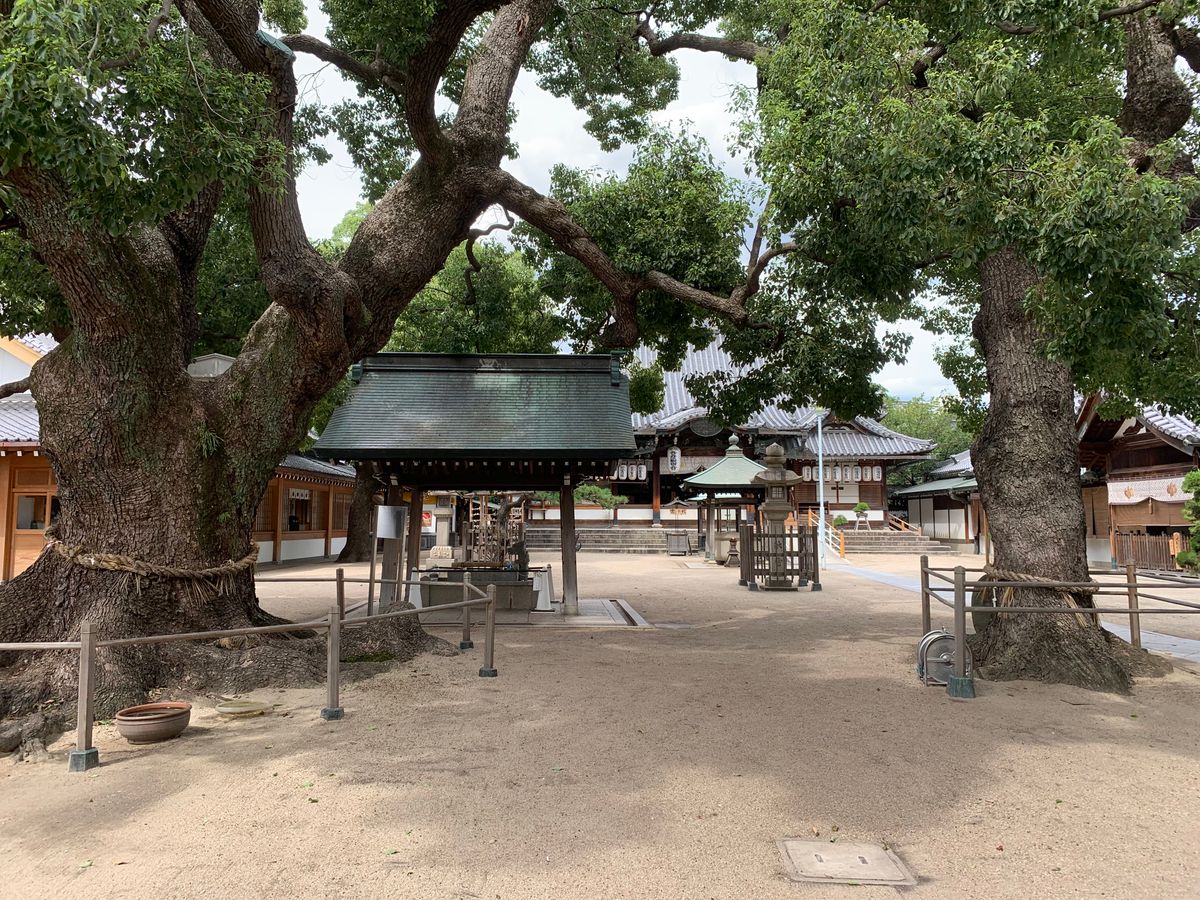
Sumiyoshi Taisha is the head shrine of some 2,300 Sumiyoshi shrines across Japan and one of the country’s oldest, its origins reaching back over 1,800 years. What makes it so distinctive is its architecture: the main halls are built in the pure Sumiyoshi-zukuri style, straight-lined and thatched, predating the influence of mainland Asian design and offering a rare glimpse of a purely native Japanese aesthetic.
The shrine’s signature image is the Sorihashi, a steeply arched vermilion bridge that curves over a pond at the entrance—crossing it is said to purify visitors. Free to enter and easily reached by the retro Hankai tram line, Sumiyoshi Taisha is especially magical at New Year, when millions come to make their first prayers, but rewards a quiet visit at any time of year.
Shinsaibashi & Namba
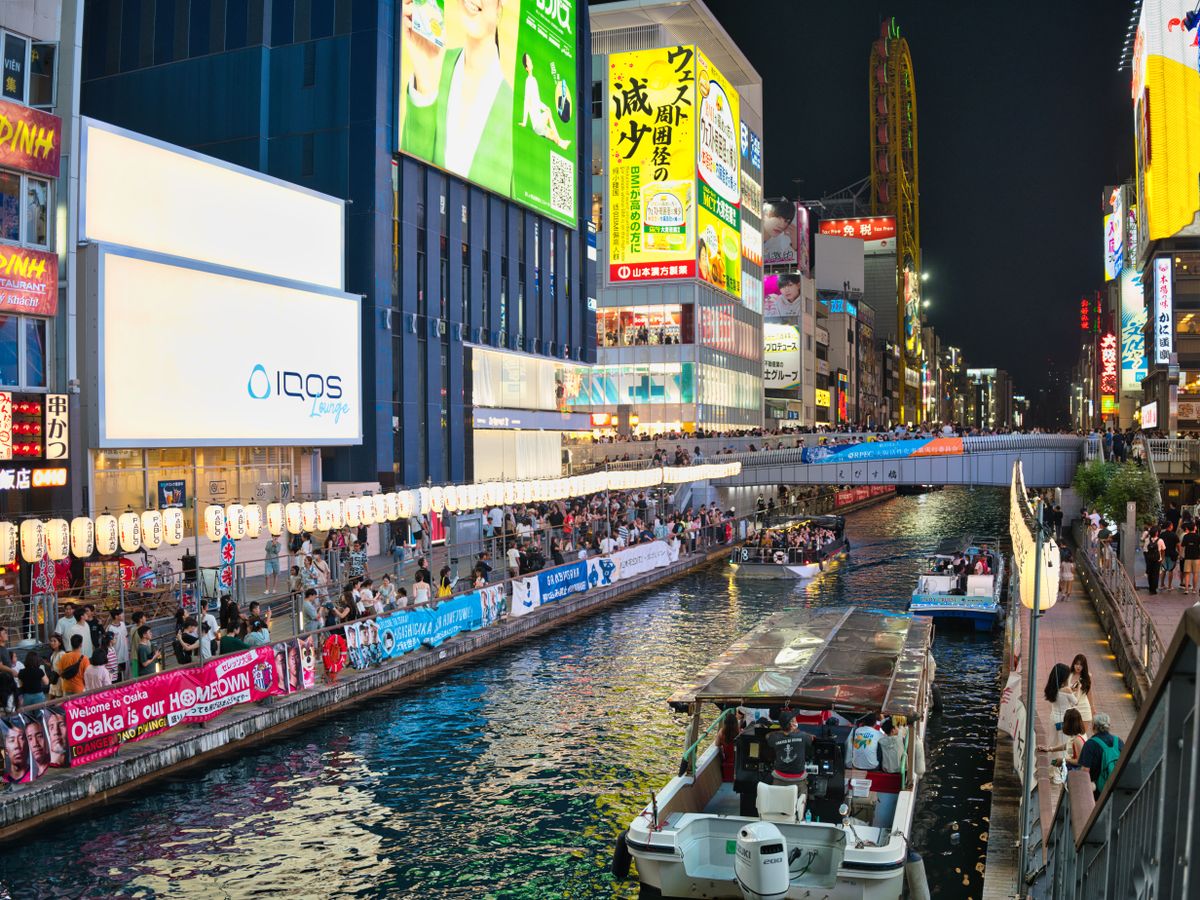
Stretching north from Dotonbori, the Shinsaibashi-suji arcade is Osaka’s premier shopping street: a roughly 600-metre covered promenade of department stores, global fashion labels, cosmetics shops and quirky boutiques that has drawn crowds for centuries. Parallel to it, the atmospheric Amerikamura (“America Village”) is the city’s youth-culture hub, packed with vintage stores, streetwear and record shops.
To the south, the Namba district ties everything together with its train hubs, covered arcades and the sprawling Namba Parks complex, whose terraced rooftop gardens are a green surprise in the heart of the city. This whole Minami (“south”) zone is where Osaka comes alive after dark—an easy, walkable web of shopping, street food and neon that you will inevitably pass through again and again.
Minoo Park (Day Trip)
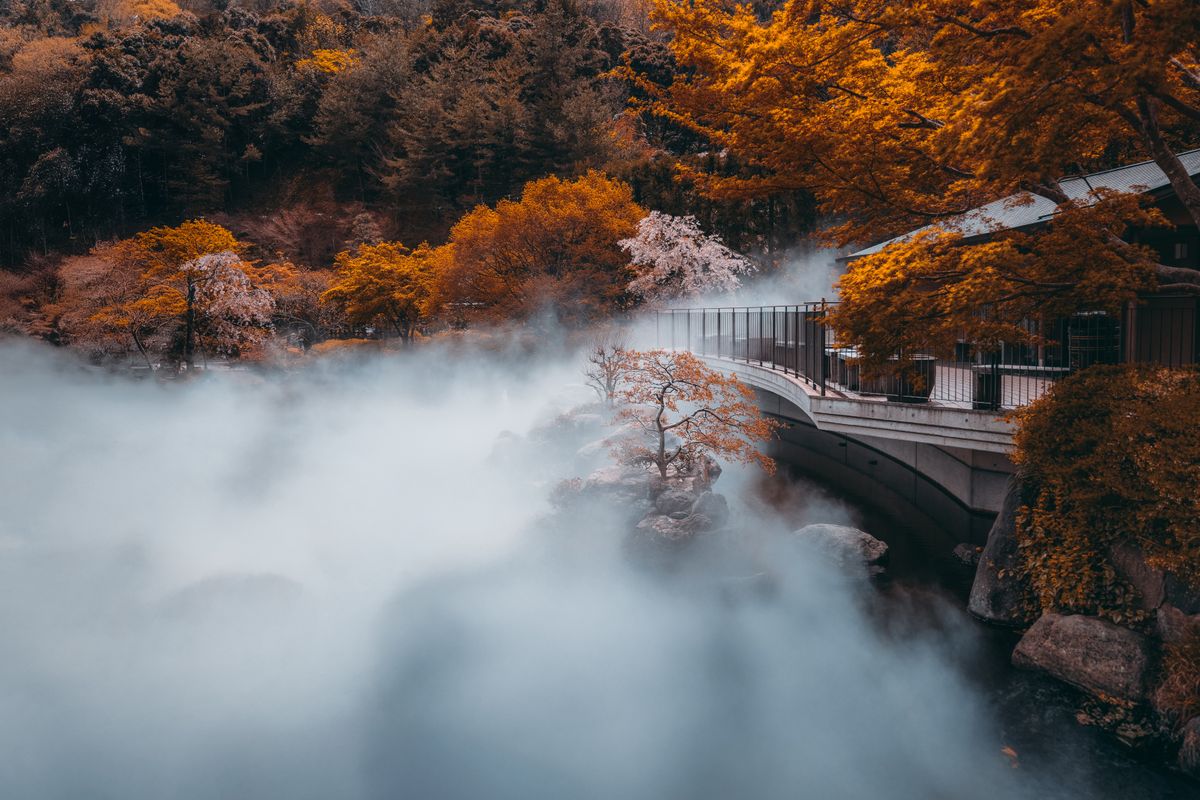
When the city’s energy becomes overwhelming, Minoo Park (Minoh) offers a restorative escape just 30 minutes north of Umeda by train. This forested river valley on the edge of the Meiji-no-Mori quasi-national park is laced with an easy, paved 3-kilometre trail that follows the water gently upstream to the graceful, 33-metre Minoo Waterfall.
The walk is spectacular in autumn, when the maples blaze red and orange, but pleasant in any season. Along the way, snack stalls sell the local speciality: momiji tempura, whole maple leaves battered and fried into a sweet, crunchy treat. It is the perfect half-day antidote to Osaka’s concrete and neon, and proof that nature is never far from the city.
What & Where to Eat in Osaka
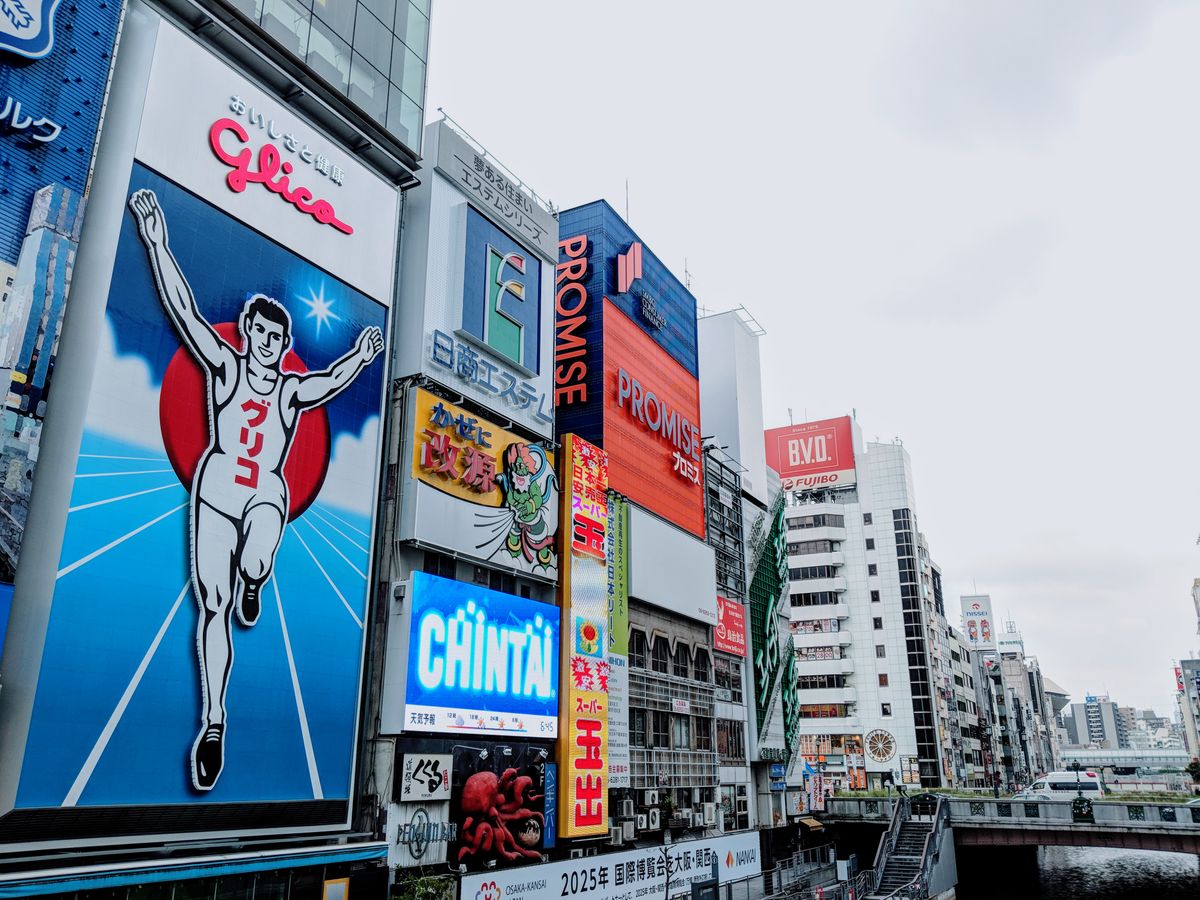
Osaka’s food scene deserves a trip of its own, and three local specialities anchor any culinary tour. Takoyaki—molten balls of batter filled with octopus, ginger and spring onion, brushed with sauce and dried bonito—were invented here in the 1930s; try them at the historic Aizuya in Namba or Kukuru in Dotonbori. Okonomiyaki, the savoury cabbage-and-batter “as-you-like-it” pancake, is best at institutions like Mizuno in Dotonbori or Kiji up in the Umeda Sky Building. Kushikatsu, panko-crusted skewers of meat, seafood and vegetables fried until impossibly light, is the signature of Shinsekai, where Daruma has been serving them since 1929.
Beyond the big three, seek out kitsune udon (said to have been born in Osaka), sizzling teppanyaki, hearty doteyaki beef-tendon stew, and the endless ramen and izakaya of Dotonbori and Kitashinchi. The city’s culture is inseparable from its cooking: this is also the birthplace of Japan’s manzai comedy double-acts and Bunraku puppet theatre, and that same warm, quick-witted spirit shows up in every friendly exchange with a market vendor or bartender.
Getting Around Osaka & Travel Tips
Osaka is a dream to navigate. The subway (particularly the Midosuji Line) links almost every sight on this list, while the JR Loop Line circles the city much like Tokyo’s Yamanote. Pick up a rechargeable ICOCA IC card—or use Suica/PASMO—to tap through gates and pay at convenience stores. If you plan to sightsee hard, the Osaka Amazing Pass (around ¥2,800 for one day) bundles unlimited subway and bus rides with free entry to more than 35 attractions including Osaka Castle, the Umeda Sky Building and Tsutenkaku Tower, and usually pays for itself in a single busy day.
A few practical notes: carry some cash, as smaller stalls and older shops can still be cash-only; stand on the right of escalators here (the opposite of Tokyo); and grab a portable Wi-Fi router or a travel eSIM so you can navigate and translate on the go. Osaka is also the gateway to Kansai—Kyoto, Nara, Kobe and Himeji Castle are each under an hour away, making the city an ideal base for day trips.
Best Time to Visit Osaka
The sweet spots are spring (late March to May) and autumn (October to November), when temperatures are mild and the skies are largely clear. Cherry blossoms typically peak in early April—Osaka Castle Park and the Nishinomaru Garden are prime viewing spots—while November brings fiery foliage to places like Minoo Park. Both seasons are also the busiest and priciest, so book accommodation at least a couple of months ahead.
Summer (June to August) is hot and humid, with a rainy spell in June and July and daytime highs pushing 34°C, though it rewards visitors with lively festivals such as the spectacular Tenjin Matsuri in late July. Winter (December to February) is cold but generally dry and quiet, with lower prices, glittering illuminations and far shorter queues at Universal Studios—a fair trade if you don’t mind bundling up.
Where to Stay in Osaka
Two districts suit most first-time visitors. Namba/Minami (south) puts you in the thick of the action—steps from Dotonbori, Shinsaibashi and the best street food, and ideal if you want an energetic, walk-everywhere base. Umeda/Kita (north) is sleeker and more business-like, with superb shopping, easy access to Kansai day trips, and Shin-Osaka’s bullet-train station one stop away; choose it if you value transport convenience and a slightly calmer atmosphere.
Whichever you pick, staying near a Midosuji Line station keeps everything within easy reach. Osaka offers everything from capsule hotels and hostels to slick business hotels and luxury towers, and rooms in the popular seasons vanish quickly. You can, and bundle in tours, airport transfers and the Amazing Pass while you are at it.
Final Thoughts
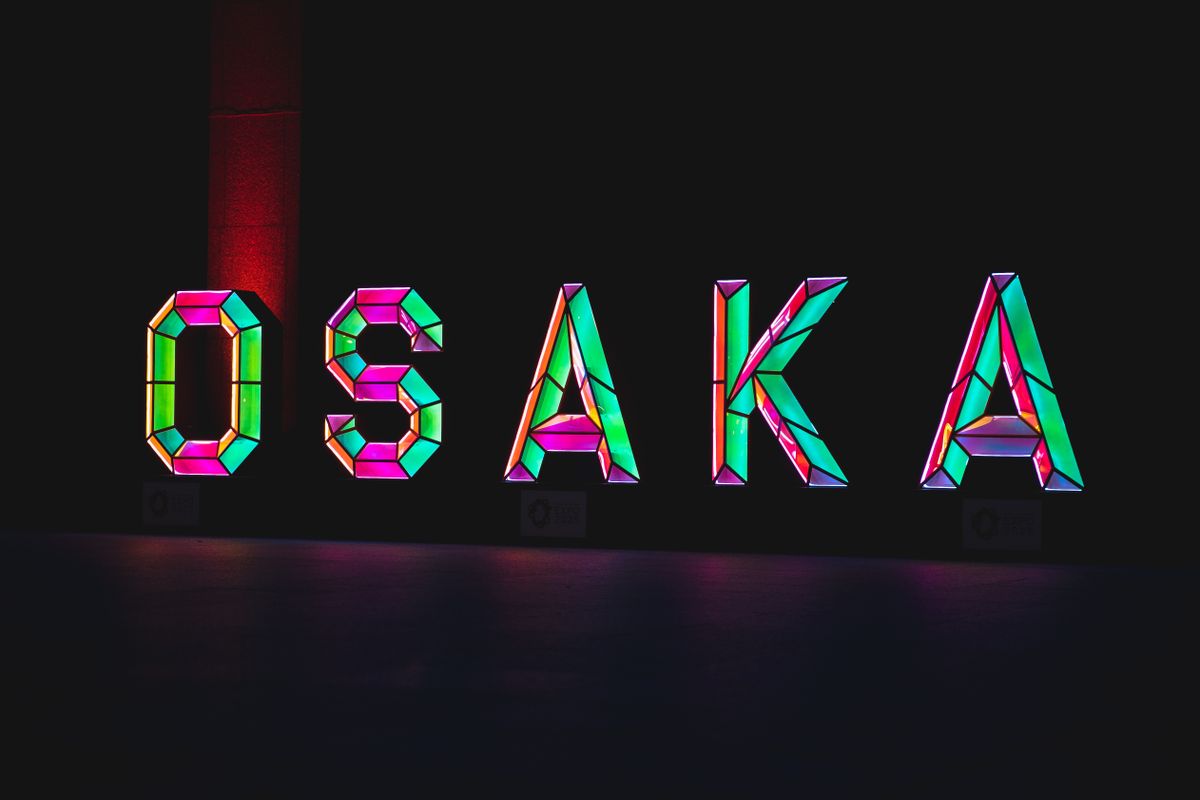
Osaka rewards travellers who lead with their appetite and their curiosity. In a single, compact day you can watch the sun rise over a castle moat, lose an afternoon to a whale shark and a Ferris wheel, ride Mario Kart through a Mushroom Kingdom, and end the night eating takoyaki under the neon glow of Dotonbori. Add the temples of Shotoku, the ancient shrine at Sumiyoshi and a maple-lined waterfall walk, and you have a city that is far deeper than its party-town reputation suggests. Come hungry, wander widely, and let Osaka do what it does best—make you feel instantly, generously at home.
Affiliate disclosure: This article contains affiliate links to Klook. If you book tours, tickets or accommodation through these links, we may earn a small commission at no extra cost to you. This helps support Trip My Journey and allows us to keep producing free, in-depth travel guides. We only recommend experiences and services we believe will genuinely improve your trip.
Related Guides
- Best Things to Do in Tokyo
- Best Things to Do in Nagasaki
- Best Things to Do in Hiroshima
- Best Things to Do in Kyoto
- How to Get and Use the JR Pass in Japan
- How to Ride Taiwan's High-Speed Rail
Related Guides
- Best Things to Do in Tokyo
- Best Things to Do in Nagasaki
- Best Things to Do in Hiroshima
- How to Get and Use the JR Pass in Japan
- How to Ride Taiwan's High-Speed Rail
- How to Get from Narita and Haneda Airport to Central Tokyo
Related Guides
- Best Things to Do in Tokyo
- Best Things to Do in Nagasaki
- Best Things to Do in Hiroshima
- How to Get and Use the JR Pass in Japan
- How to Ride Taiwan's High-Speed Rail
- How to Get from Narita and Haneda Airport to Central Tokyo
🎟️ Book Tours, Activities & Food Experiences
Search and book top attractions, tours and food experiences on Klook — official best price, instant confirmation.
Klook.com