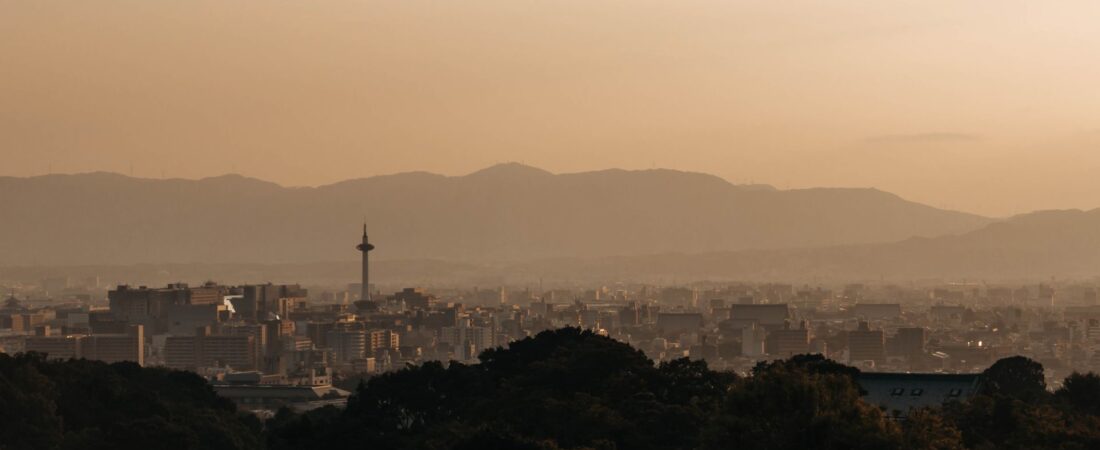
Top Attractions in Kyoto
Tap a landmark for its full 2026 guide — tickets, hours and how to get there.
This post contains affiliate links. If you book or buy through them, we may earn a small commission at no extra cost to you.
Top Attractions in Kyoto
Tap a landmark for its full 2026 guide — tickets, hours and how to get there.
Last updated: June 2026
Book Tours & Activities in Kyoto
If Tokyo is Japan’s present tense, Kyoto is its past – the imperial capital for over a thousand years, and the city that still holds the temples, gardens, and geisha districts most people picture when they think of Japan. There are around 1,600 Buddhist temples and several hundred Shinto shrines here, which means the real challenge is not finding something to see but resisting the urge to see all of it. The move is to pick a handful, cluster them by district, and start early – Kyoto’s most famous spots are magic at 7 a.m. and a scrum by 10.
Three days is a comfortable first visit; four if you want to slow down or add a day trip. Here is how I would spend it.
Please read before you book: Prices below were checked on 15 July 2026 from official and booking sources. Admission fees and fares change over time — treat these as a planning baseline and confirm the live price on the official site or the booking widget below before you go.
| Item | Price (adult) | Notes | Checked / source |
|---|---|---|---|
| Kinkaku-ji (Golden Pavilion) admission | ¥500 (≈ $3.1) | Cash only, no advance booking; ¥300 for primary/middle school students | Jul 2026 · shokoku-ji.jp (official) |
| Kiyomizu-dera admission | Check official site for current price | Sources disagree (¥400-600) on the current adult fee — confirm at the gate or kiyomizudera.or.jp | Jul 2026 · kiyomizudera.or.jp (official, fee not published in fetchable text) |
| Nijo Castle admission + Ninomaru Palace | ¥1,300 (≈ $8.0) | Castle-only ticket is ¥800; discounted to ¥700 with a Kyoto subway/bus 1-day pass | Jul 2026 · nijo-jocastle.city.kyoto.lg.jp (official) |
| Tenryu-ji garden admission (Arashiyama) | ¥500 (≈ $3.1) | Garden only; add ¥300 to also enter the temple buildings. The Bamboo Grove itself is free. | Jul 2026 · tenryuji.com (official) |
| Kyoto City Subway & Bus 1-Day Pass | ¥1,100 (≈ $6.8) | Unlimited subway + city bus + most Kyoto/Keihan/JR bus routes for one day | Jul 2026 · city.kyoto.lg.jp (official transit site) |
Walk Up Through the Gates at Fushimi Inari
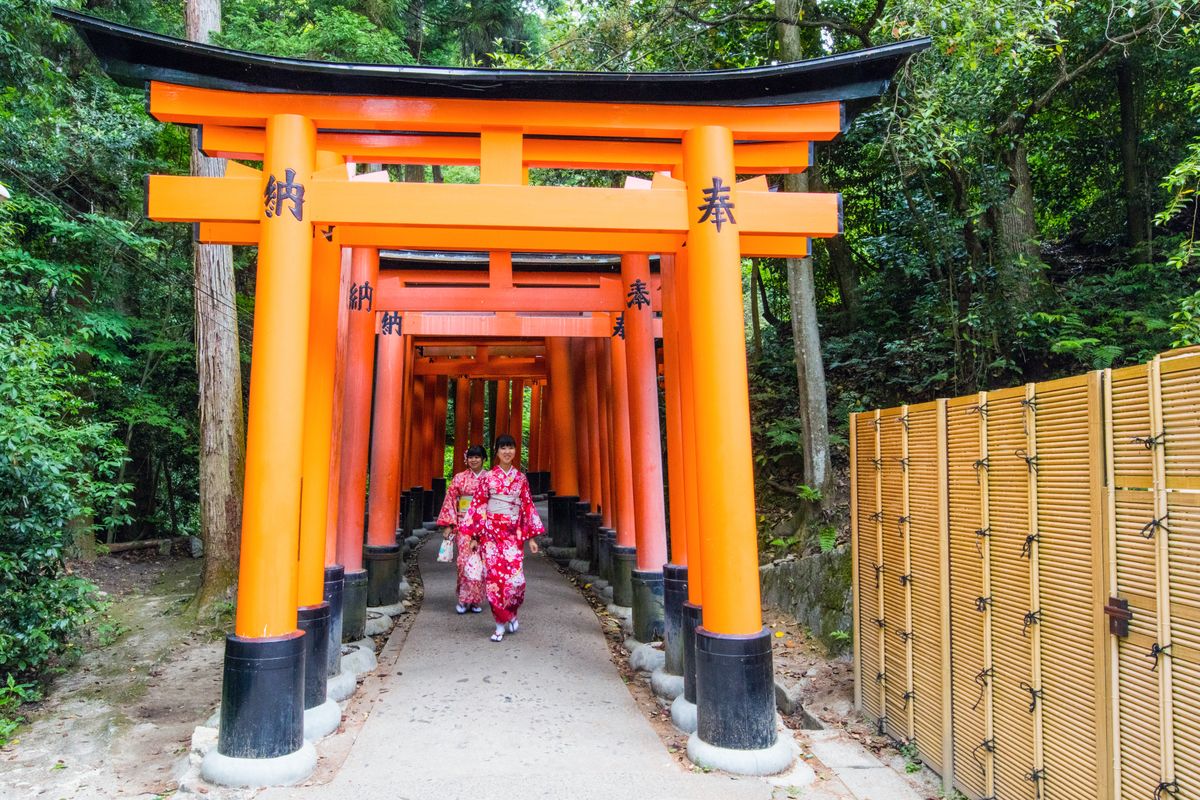
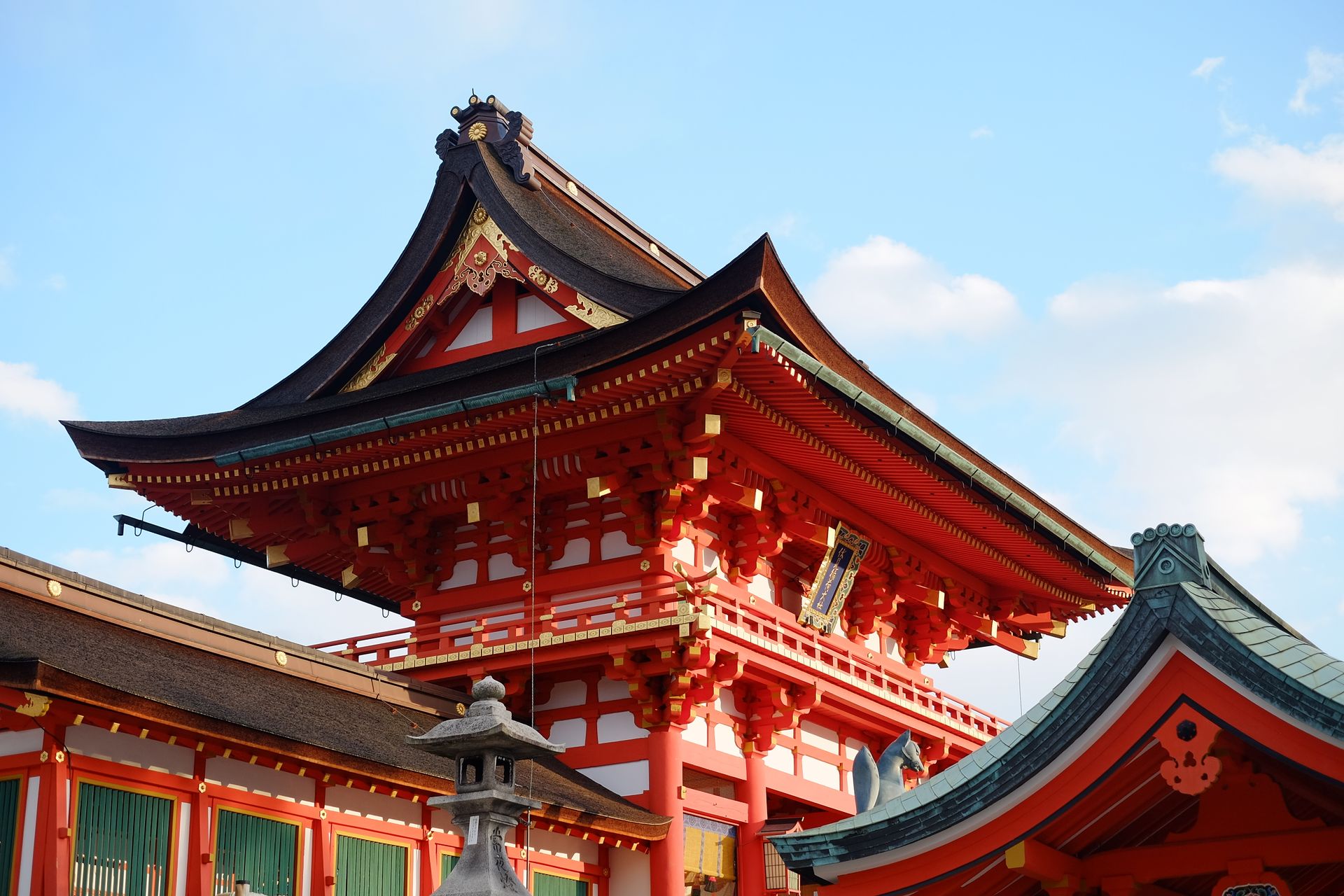
Start with the one image everyone knows: thousands of vermilion torii gates climbing a wooded mountainside. Fushimi Inari Taisha is the head shrine of some 30,000 Inari shrines across Japan, dedicated to the deity of rice and prosperity, and it is free and open 24 hours a day. That last detail is the key to enjoying it. Arrive before 7 a.m. and the lower gates are nearly empty; come at midday and you will be shuffling through in a slow-moving line.
The full loop to the summit and back takes two to three hours, but you do not have to do all of it. The dense lower section of gates – maybe 30 to 45 minutes up and down – is enough for most people to get the experience. It sits 15 to 20 minutes from central Kyoto on the JR Nara Line. Bring water and decent shoes if you plan to do the full loop – it is a real, if gentle, climb, with little tea houses partway up where you can stop for a rest and a view back over the city.
Get to Arashiyama Before the Buses
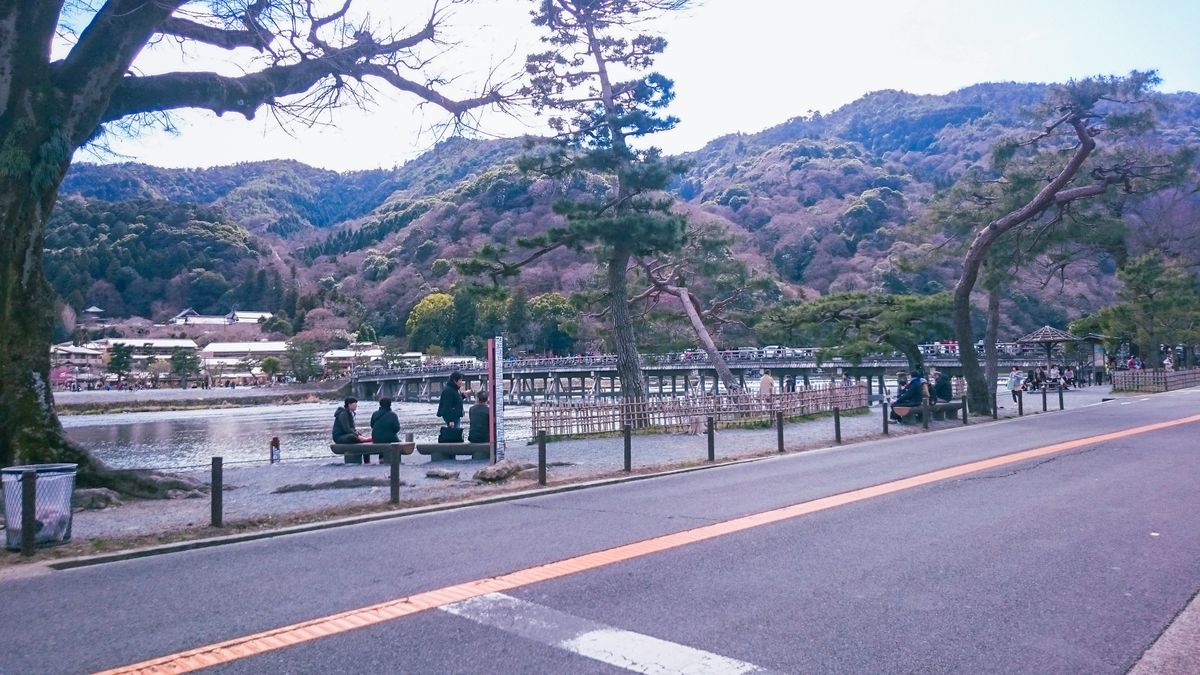
The Arashiyama Bamboo Grove on the city’s western edge is the other photo everyone wants, and it operates on the same rule: go early. Between 7 and 8 a.m. the path through the towering green stalks is quiet and the light filters down beautifully. By late morning it is shoulder to shoulder.
While you are out there, do not just shoot the bamboo and leave. Tenryu-ji, a UNESCO-listed Zen temple right beside the grove, has one of the finest landscape gardens in Japan, designed to borrow the mountains behind it as part of the view. Add the riverside walk along the Oi River and the Iwatayama monkey park if you have kids in tow.
See the Gold: Kinkaku-ji
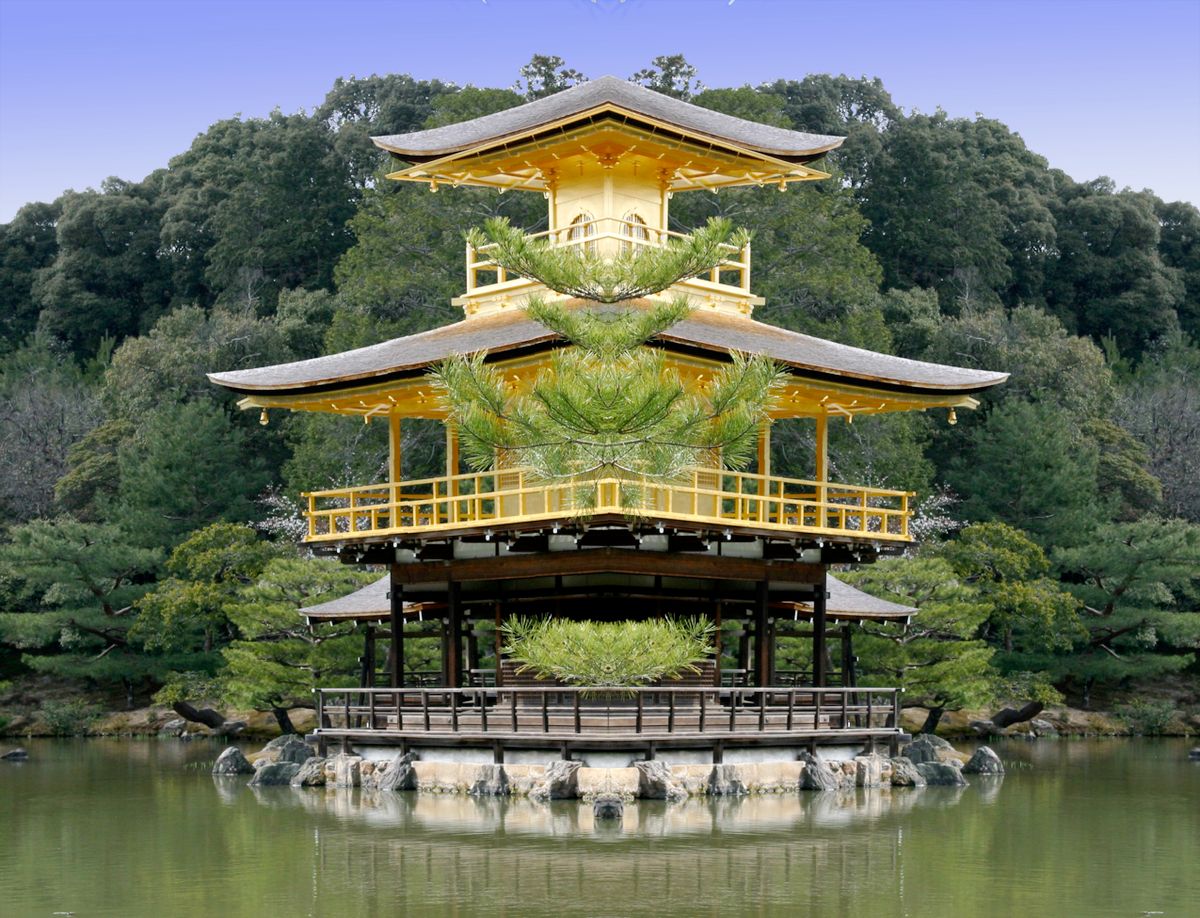
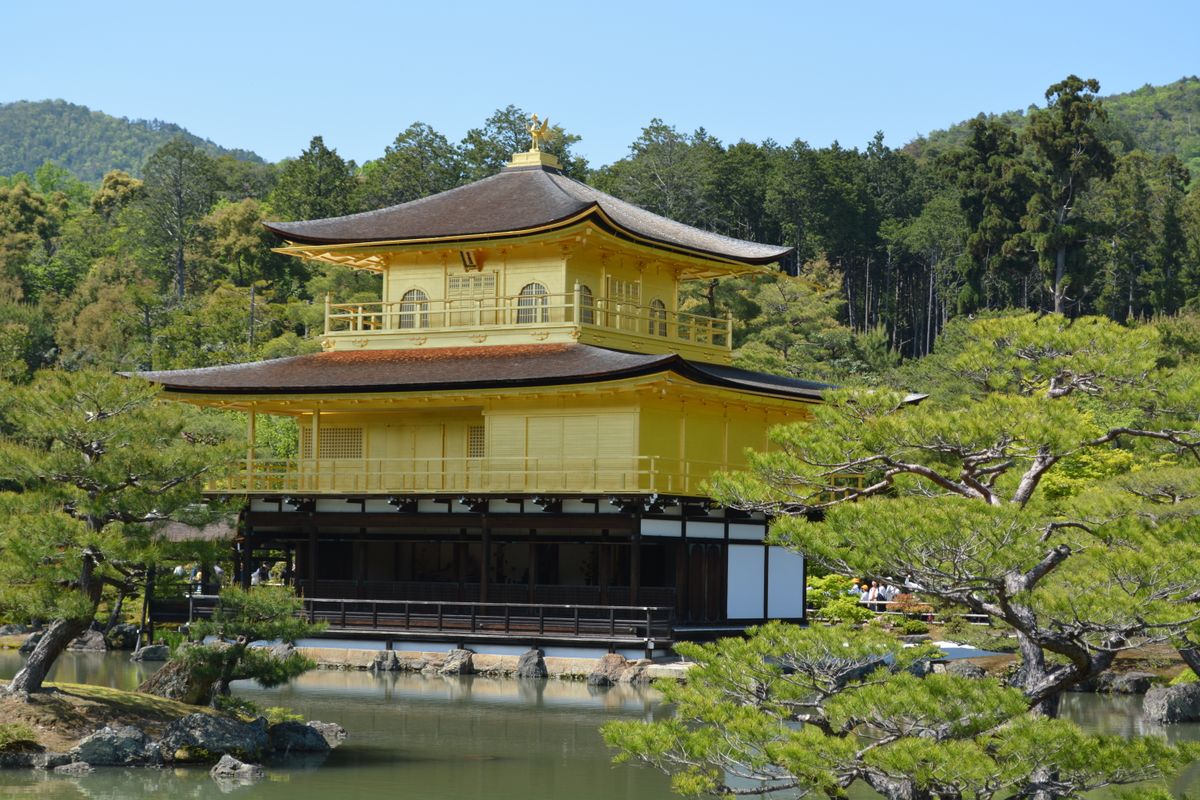
Kinkaku-ji, the Golden Pavilion, is exactly what it sounds like – a three-story temple sheathed in gold leaf, mirrored in the pond it sits beside. It is one of the most photographed buildings in the country and, fair warning, one of the busiest. You view it from a set path across the water rather than going inside, so a visit is fairly quick. Pair it with nearby Ryoan-ji, home to Japan’s most famous Zen rock garden, to make the trip north worthwhile.
Wander Higashiyama and Kiyomizu-dera
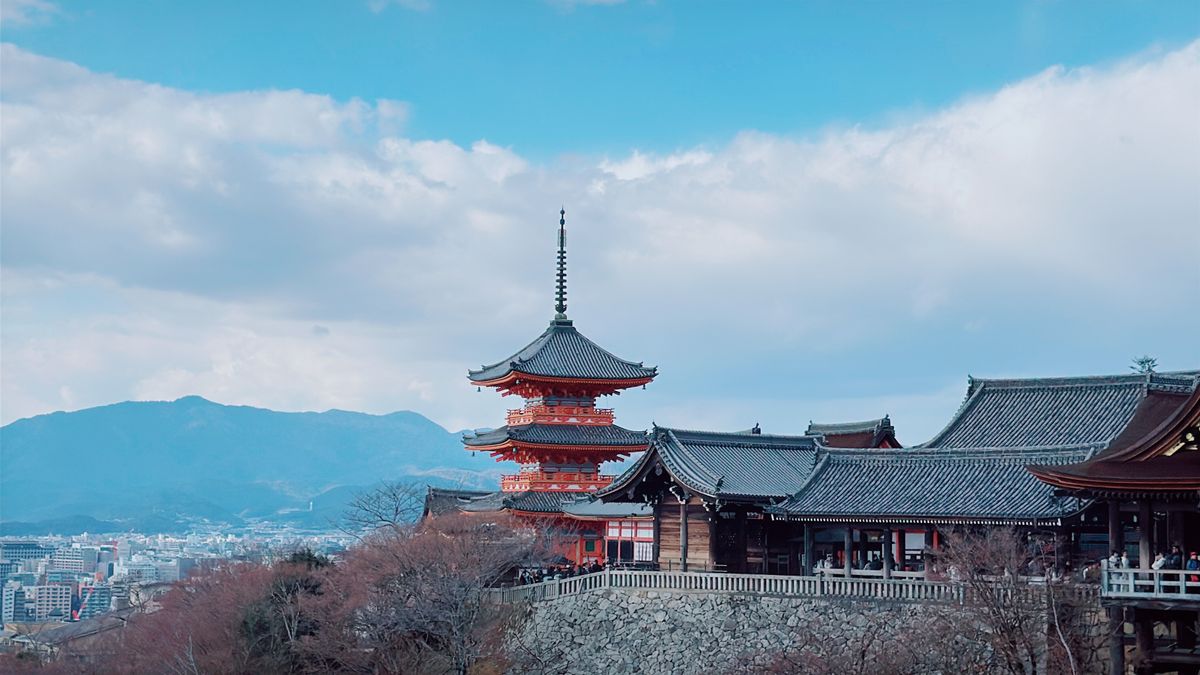
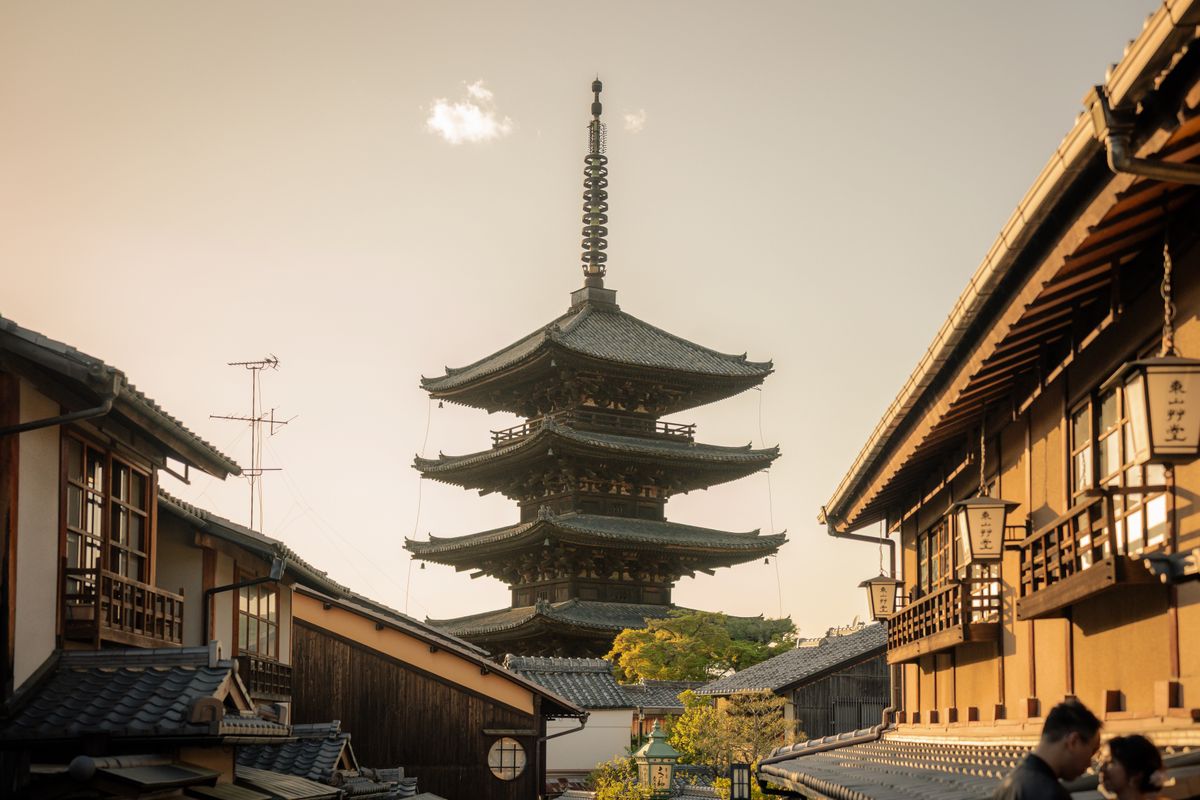
For the Kyoto of preserved lanes and wooden shophouses, spend an afternoon in the Southern Higashiyama district. The pedestrian slopes of Ninenzaka and Sannenzaka wind uphill toward Kiyomizu-dera, a temple whose enormous wooden veranda juts out over the hillside on tall pillars, with the city spread out below. The streets between are lined with pottery shops, matcha stands, and tea houses. It is touristy, yes, but genuinely beautiful, especially in the soft light before the shops open.
Slow Down in Gion
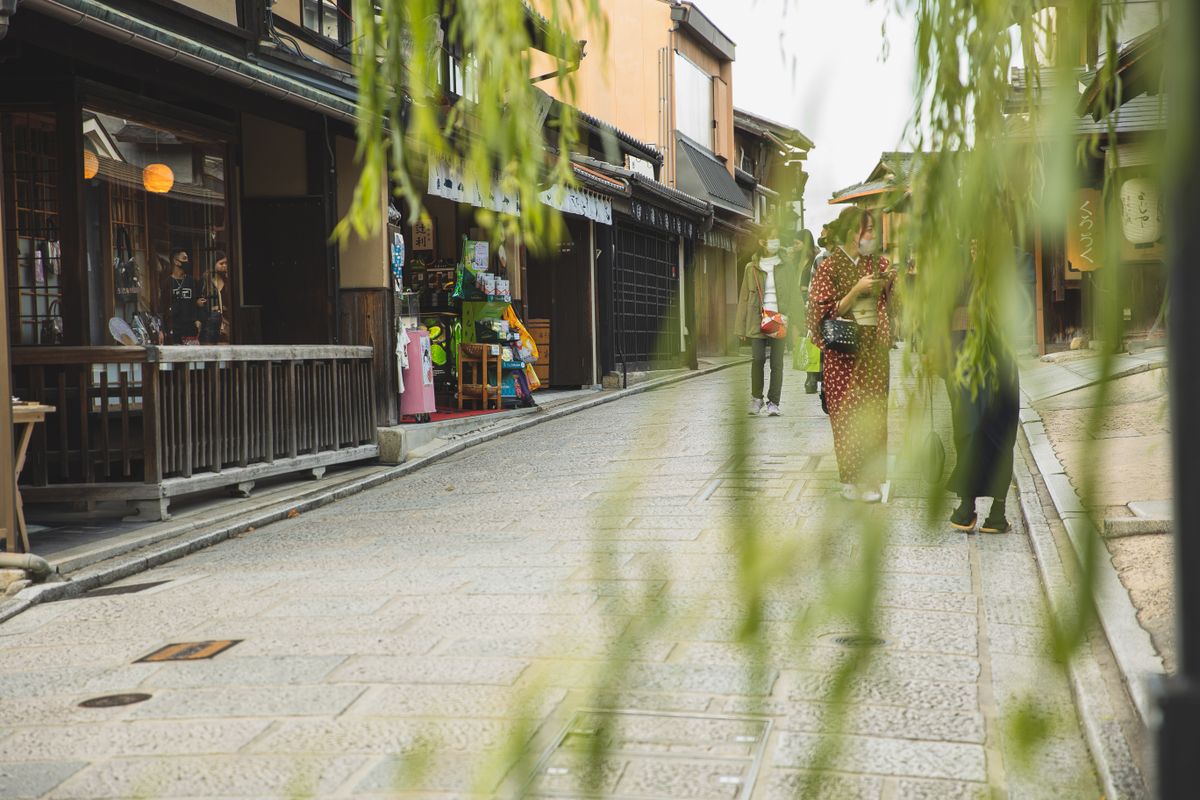
Gion is Kyoto’s most famous geisha district, a grid of wooden machiya townhouses, teahouses, and lantern-lit lanes east of the river. Walk it twice: once in daylight, when you can appreciate the architecture, and once at dusk, when the ochaya come alive. A word on etiquette, because it matters and the city has had real problems with bad behavior – do not chase or photograph geiko and maiko without permission, and stay out of the private alleys that are now posted as off-limits. Watch them pass with respect and leave it there.
Stroll the Philosopher’s Path and Northern Higashiyama
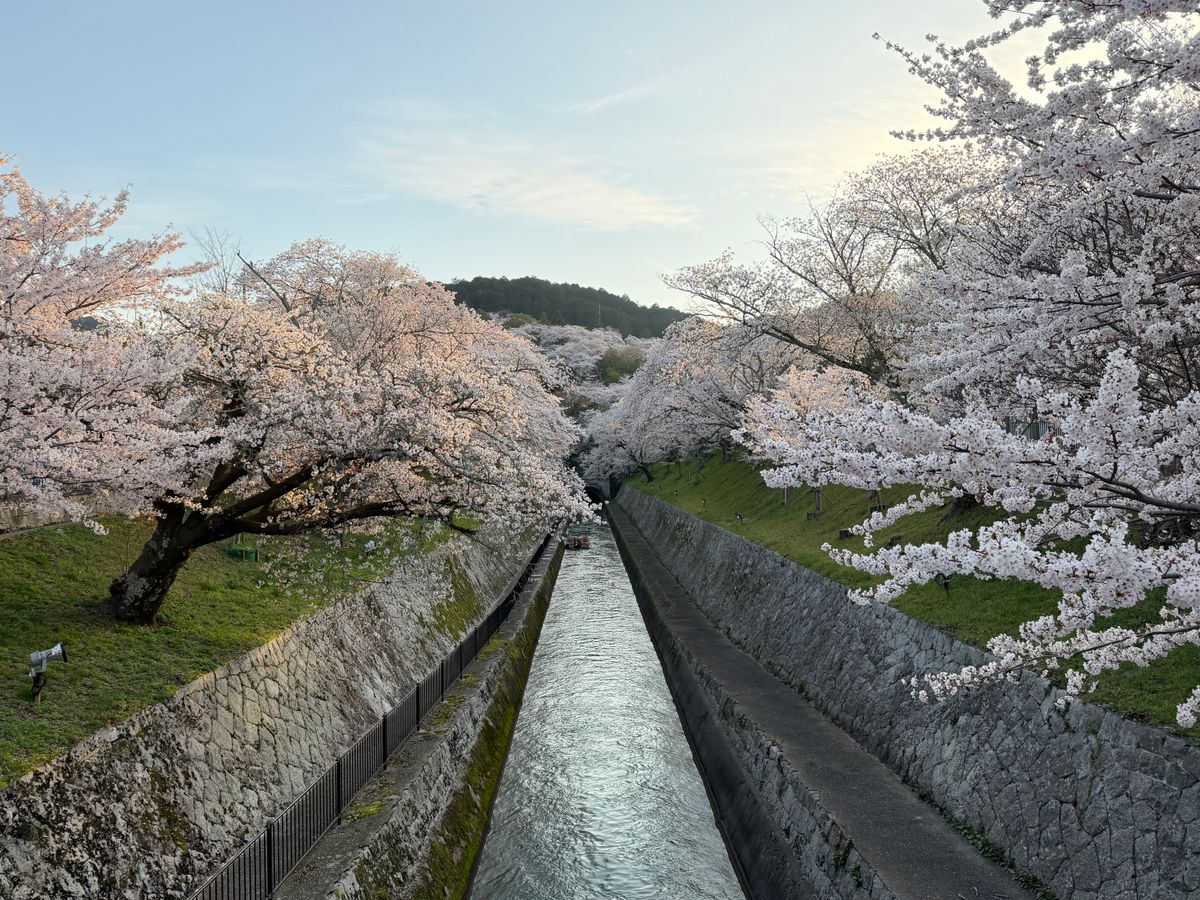
For a quieter half day away from the headline temples, the Philosopher’s Path is a stone walkway that follows a cherry-tree-lined canal in the north of the Higashiyama hills. It runs between two beautiful temples – Ginkaku-ji, the Silver Pavilion, with its raked sand garden and moss grounds at one end, and Nanzen-ji, with its huge wooden gate and brick aqueduct, near the other. In spring the path disappears under cherry blossom; in autumn it glows red. The rest of the year it is simply a lovely, unhurried walk past small shrines, cafes, and a stray cat or two.
See a Castle: Nijo
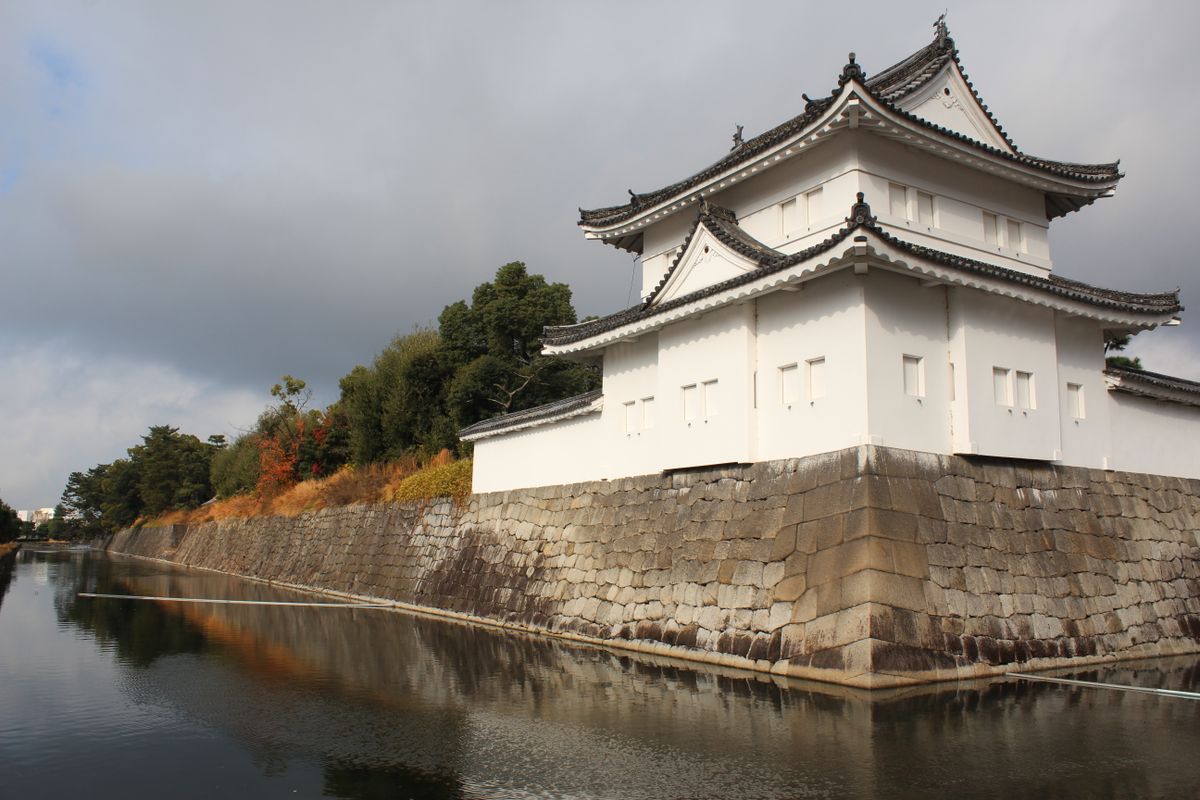
If you want a change from temples, Nijo Castle is the former Kyoto residence of the Tokugawa shoguns and a UNESCO World Heritage Site. Its main palace is famous for “nightingale floors” – corridors deliberately built to chirp underfoot as a warning against intruders – and the painted screens and gardens give a feel for samurai-era power up close. It sits in the center of the city and pairs well with a downtown afternoon.
Eat Your Way Through Nishiki Market
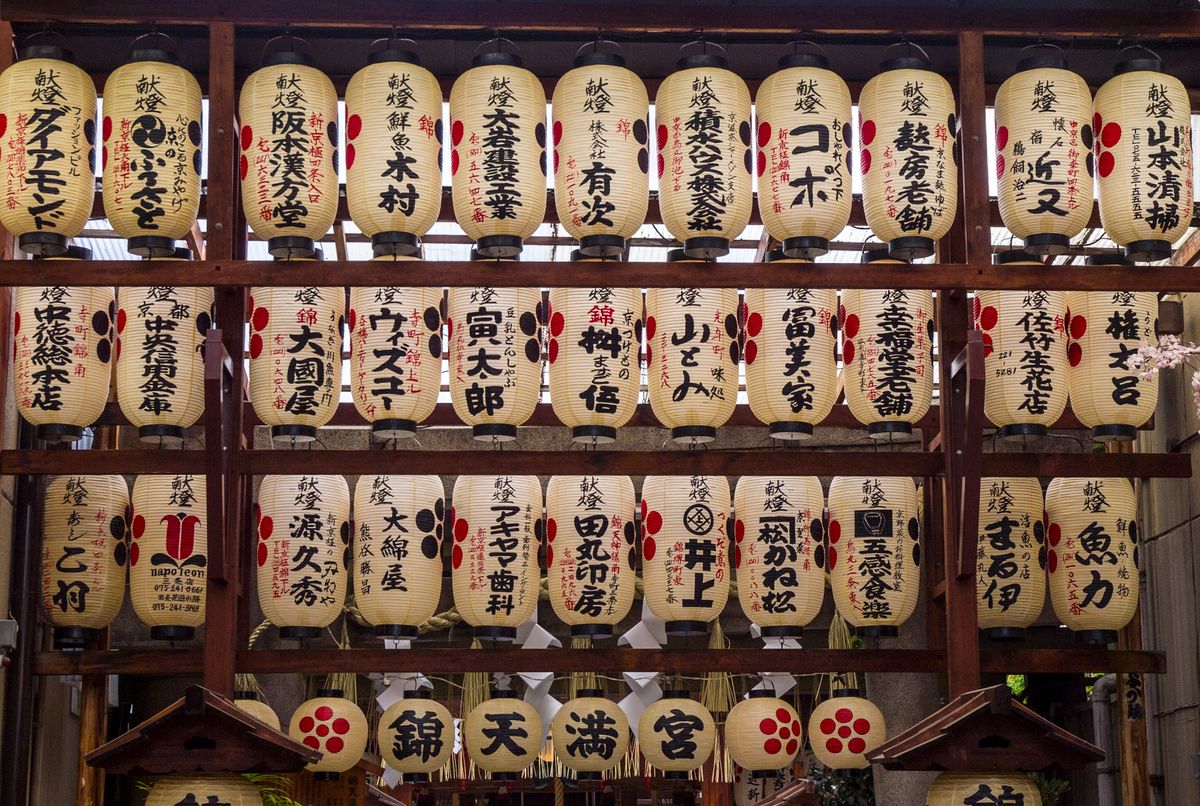
Five narrow covered blocks in the center of the city, Nishiki Market has fed Kyoto for centuries – locals still call it “Kyoto’s Kitchen.” It is the place to graze: skewered seafood, pickles, tofu doughnuts, fresh soy milk, matcha sweets, and knife shops that have sharpened blades for generations. Go hungry, go slow, and try the thing you cannot identify. A note on manners that catches visitors out: eating while walking is frowned upon here, so buy your snack and eat it standing by the stall rather than wandering off with it. From Nishiki it is a two-minute walk to Pontocho, a lantern-lit dining alley by the river that comes alive at night – a natural place to end the day.
Consider a Guided Day or a Day Trip
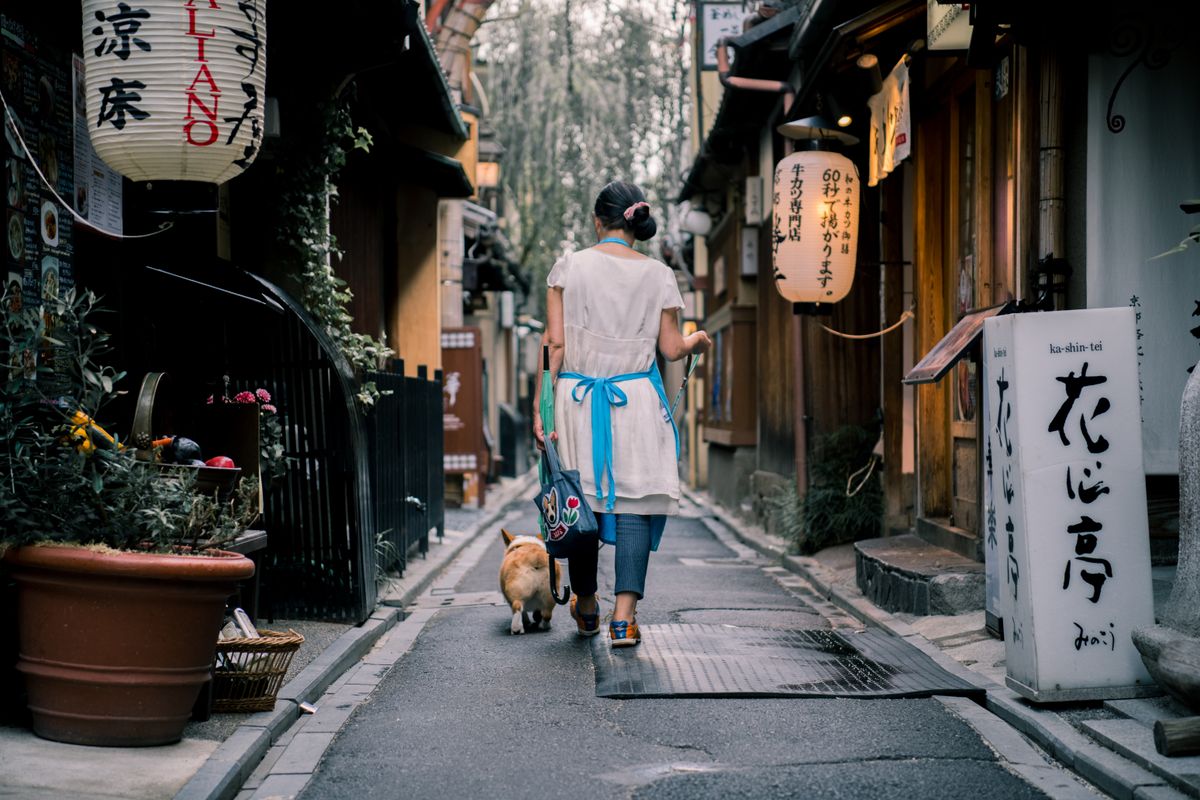
Kyoto’s sights are spread across the city and its bus system can be confusing for first-timers, so a half-day guided walk through Higashiyama or a tea-ceremony experience can be a good way to add context. Kyoto is also a brilliant base for day trips – Nara, with its bowing deer and giant bronze Buddha, is under an hour away, and Osaka is even closer. Booking experiences and day tours ahead means you are not figuring out logistics on the fly.
See activities →
Where to Stay in Kyoto
Kyoto is compact, but the right neighborhood still shapes your trip. The three areas below cover most first-timers.
Gion and Southern Higashiyama put you in the most atmospheric part of the city, steps from the temples and the old streets. This is the classic Kyoto base if you want to step out of your hotel into lantern-lit lanes – and it is where you will find traditional ryokan and machiya stays.
Downtown (Kawaramachi and Karasuma) is the most practical choice. You can walk to Nishiki Market, Pontocho’s dining alley, and Gion, and both subway lines are minutes away. Best for first-timers who want restaurants and shopping on the doorstep.
Near Kyoto Station is the pick if you are doing a lot of day trips or arriving with heavy luggage. It is less charming than the old districts but unbeatable for transport – the shinkansen, the airport buses, and the JR lines all run from here.
Kyoto fills up months ahead for cherry-blossom season (late March to mid-April) and the November foliage weeks, so book early if those are your dates.
Getting Around
Kyoto runs on buses and two subway lines, supplemented by the JR network for Fushimi Inari and Arashiyama. Get an IC card – Suica, Pasmo, or the local ICOCA – or add one to your phone for tap-and-go on almost everything. Buses are the workhorse for the temple districts but get crowded and slow in peak season, so for east-west trips the subway or a short taxi can be faster. Unlike in Korea, Google Maps works well for transit directions in Japan.
You will want data from the moment you arrive for maps and translation. Sorting a travel SIM or eSIM before you land saves time at the airport.
Best Time to Visit
Late March to mid-April for cherry blossoms and late October to November for autumn color are the two showstopper seasons – and the two busiest and priciest. May and early June bring fresh green and smaller crowds; the rainy season follows in mid-June. Summer is hot and humid but home to the great Gion Matsuri festival in July. Winter is cold, quiet, and atmospheric, with the occasional dusting of snow on the temple roofs.
A Sample 3-Day Plan
- Day 1: Fushimi Inari at dawn, then Higashiyama – Kiyomizu-dera, Ninenzaka, and Gion at dusk
- Day 2: Arashiyama early (bamboo grove and Tenryu-ji), Kinkaku-ji and Ryoan-ji in the afternoon
- Day 3: Nishiki Market and downtown, or a day trip to Nara or Osaka
Building a wider Japan trip? Our Tokyo guide covers the capital, and pairs naturally with Kyoto by shinkansen.
Frequently Asked Questions
How many days do you need in Kyoto?
Three days covers the major sights at a reasonable pace. Four lets you slow down or add a day trip to Nara or Osaka.
Is Kyoto walkable?
Within a district, very much so – Higashiyama and downtown are best on foot. Between districts you will rely on buses, the subway, and the occasional taxi.
When is the best time to visit Kyoto?
Late March to mid-April for blossoms and November for fall color are the most beautiful, but also the most crowded. May and early June are a quieter, still-lovely alternative.
Do I need to book temples in advance?
Most temples you can just walk into. The exceptions are special experiences like certain tea ceremonies, garden reservations, or imperial villa tours, which should be arranged ahead.
Quick Checklist
- Start the famous sights (Fushimi Inari, Arashiyama) before 8 a.m.
- Get an IC card or add one to your phone
- Sort a SIM or eSIM before you land
- Book accommodation months ahead for spring and autumn
- Mind the etiquette in Gion – no chasing geisha for photos
- Carry some cash for smaller temples and restaurants
Kyoto rewards an early alarm and an unhurried afternoon. Beat the crowds to one famous spot, then spend the rest of the day getting pleasantly lost in the old streets – that is when the city is at its best.
This post contains affiliate links. If you book or buy through them, we may earn a small commission at no extra cost to you.
Related Guides
- Best Things to Do in Kanazawa
- Best Things to Do in Nagasaki
- Best Things to Do in Yokohama
- Best Things to Do in Sendai
- How to Get and Use the JR Pass in Japan
- How to Ride Taiwan's High-Speed Rail
Related Guides
- Best Things to Do in Kanazawa
- Best Things to Do in Nagasaki
- Best Things to Do in Yokohama
- How to Get and Use the JR Pass in Japan
- How to Ride Taiwan's High-Speed Rail
- How to Get from Narita and Haneda Airport to Central Tokyo
🎟️ Book Tours, Activities & Food Experiences
Search and book top attractions, tours and food experiences on Klook — official best price, instant confirmation.
Klook.com