Last updated: July 2026
Disclosure: This post contains affiliate links. We may earn a commission if you book through them, at no extra cost to you. Hours and prices can change — always confirm on official sources before you visit.
Book Tours & Activities in National Palace Museum
Book Tours & Activities in National Palace Museum
Hand-picked National Palace Museum experiences you can book online — a skip-the-line ticket package, a guided walk through the must-see treasures, and a half-day tour with a professional guide:
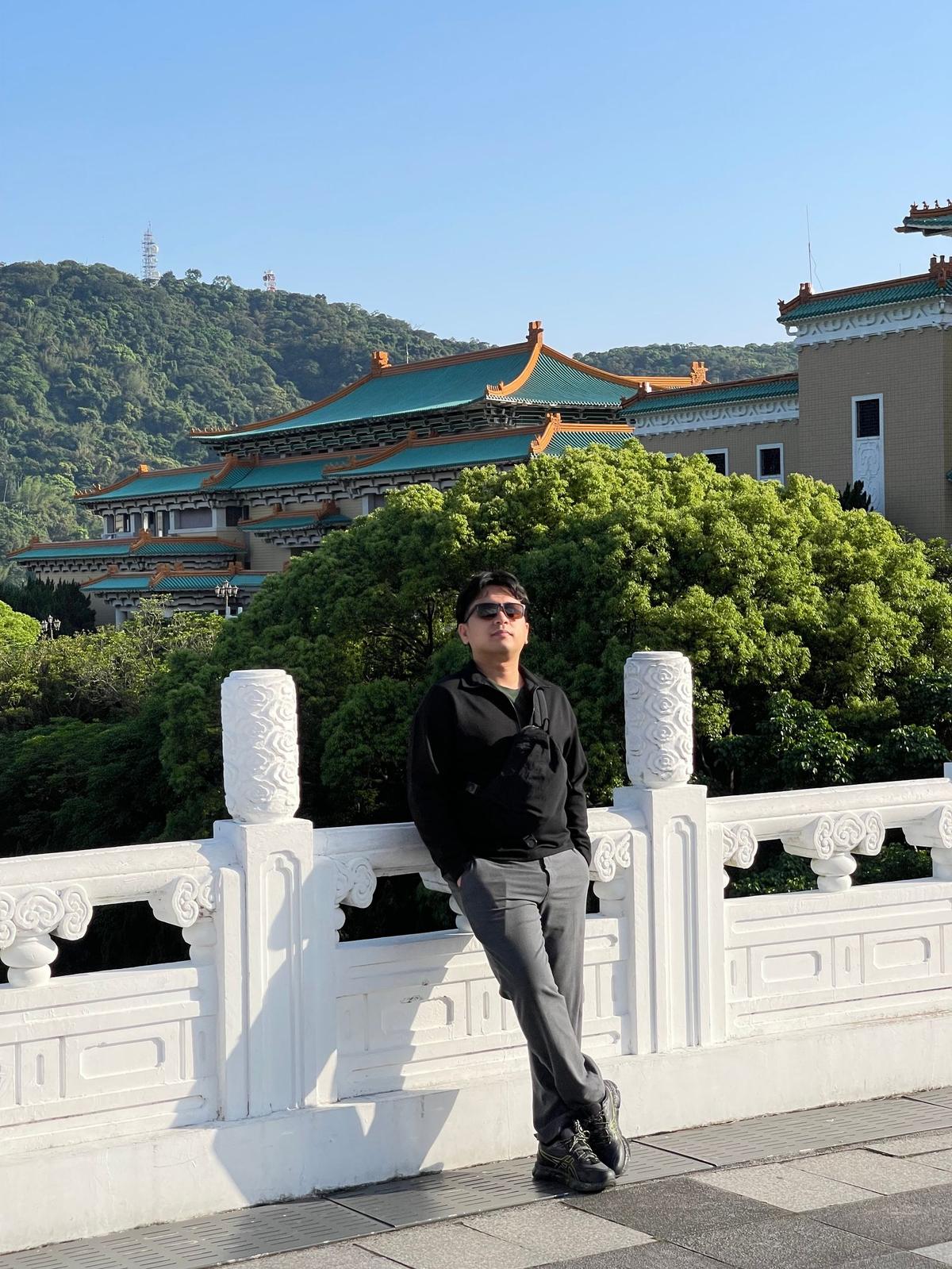
Tucked into the foothills of Shilin District, the National Palace Museum (國立故宮博物院) holds one of the largest and finest collections of Chinese imperial art in the world — nearly 700,000 pieces of bronze, jade, porcelain, painting and calligraphy, most of it drawn from the treasuries of the Forbidden City. As the 7th-ranked attraction in our Taipei city guide, it is the single best place in the world to see Chinese imperial art up close, and a must for anyone spending more than a day or two in the capital. Here is what it costs in 2026, how to get there, and what to prioritize once you are inside.
A Little Context
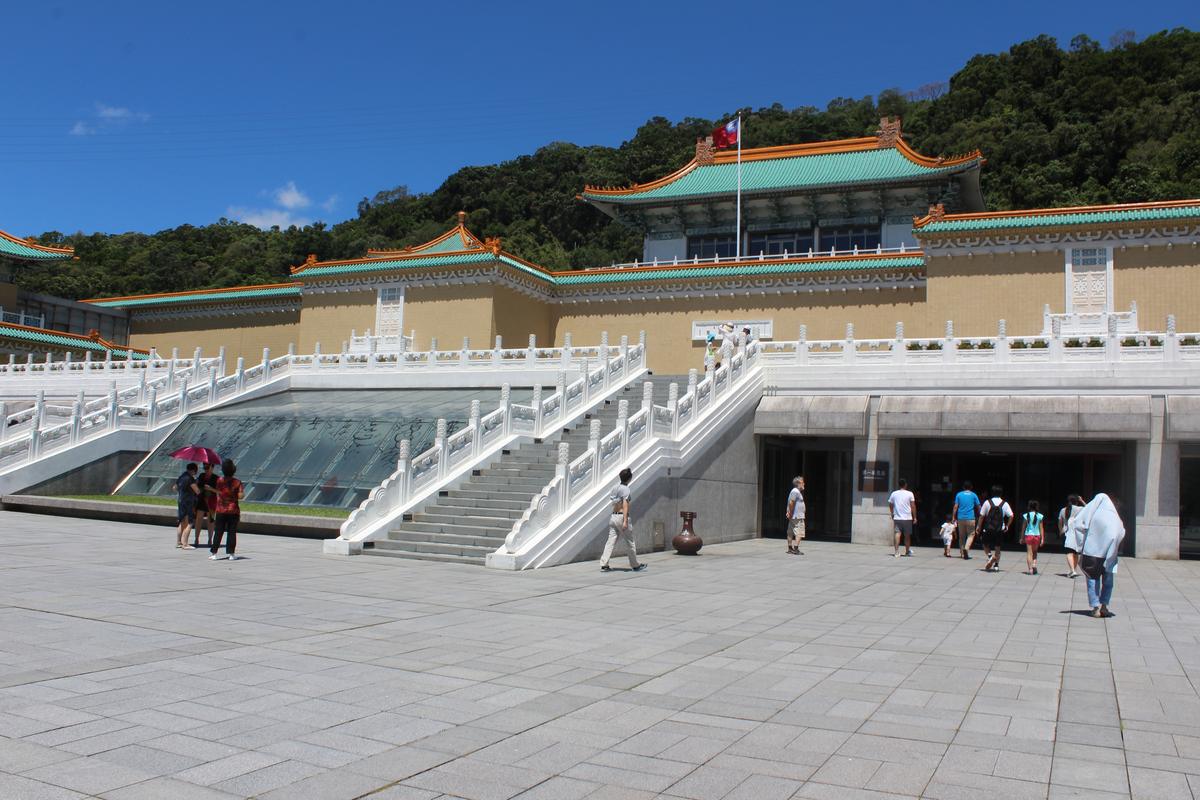
The museum’s collection began as the personal holdings of the Qing dynasty emperors inside Beijing’s Forbidden City. After the last emperor, Puyi, was expelled in 1924, the imperial collection was inventoried and opened to the public as the Palace Museum on 10 October 1925. Following the 1931 Mukden Incident and Japan’s invasion of northeast China, the Nationalist government feared the collection would be seized or destroyed, and between 1933 and 1936 shipped thousands of crates of artifacts south — first to Shanghai, then to storage in Nanjing’s Chaotian Palace.
When the Second Sino-Japanese War escalated, the crates were split into three convoys and moved westward across China to keep them ahead of the Japanese advance, eventually reaching Sichuan province. They returned to Nanjing after Japan’s 1945 surrender — only for the Chinese Civil War between the Nationalist and Communist armies to resume almost immediately. As the Nationalists retreated, Chiang Kai-shek ordered the most valuable pieces evacuated to Taiwan. Between December 1948 and February 1949, roughly 2,972 crates — about 22% of what had been moved south a decade earlier, but including many of the finest pieces — were shipped from Nanjing to the port of Keelung in three convoys before the Communist army could take control of the collection in Beijing.
The relocated artifacts spent over a decade in temporary storage, including a purpose-built mountain depot at Beigou in Wufeng, Taichung, while the Republic of China government on Taiwan raised funds for a permanent museum. Construction of a Chinese palace-style building in the Taipei suburb of Waishuanxi finished in August 1965, and the National Palace Museum reopened to the public on 12 November 1965 — the 100th anniversary of Sun Yat-sen’s birth. The building has since been expanded several times (1967, 1970, 1984, 1996) and underwent a major renovation completed in 2007. A Southern Branch, covering Asian art more broadly, opened in Chiayi County in 2015. To this day the ownership and legal status of the collection remains a point of cross-strait political sensitivity, which the museum navigates by holding overseas exhibitions only in countries with laws protecting the artifacts from judicial seizure.
Quick Facts & Costs for 2026
💡 Prices checked on 26 July 2026. This covers the Northern Branch in Taipei (Shilin) only — the Southern Branch in Chiayi has separate, lower ticket prices. Fees change; always confirm on the official National Palace Museum site before you visit.
| Item | Cost | Notes & source (checked) |
|---|---|---|
| Non-R.O.C. citizen (standard foreign visitor), adult | NT$350 (≈ $10.8) | Most international visitors pay this rate. — National Palace Museum 100+ Anniversary site (theme.npm.edu.tw), checked 26 Jul 2026 |
| Citizen discount ticket (R.O.C. citizens, ARC holders, ISIC students, groups of 10+) | NT$150 (≈ $4.6) | Valid ID/permanent residency/ISIC required. — theme.npm.edu.tw, checked 26 Jul 2026 |
| Non-R.O.C. group ticket (10+ people) | NT$320 (≈ $9.9) | Plus NT$30 audio-guide rental per person for group tickets. — theme.npm.edu.tw, checked 26 Jul 2026 |
| Free admission | Free | Visitors of all nationalities aged 17 and under; people with disabilities plus one companion; R.O.C. seniors 65+; R.O.C. students with valid school ID. — theme.npm.edu.tw, checked 26 Jul 2026 |
| Opening hours | Tue–Sat, 9:00 AM–5:00 PM | Closed Sundays, Mondays and public holidays, with a published list of special Monday opening days through 2026 — check the official calendar before a Monday visit. — National Palace Museum official site (npm.gov.tw), checked 26 Jul 2026 |
| Address | No. 221, Sec. 2, Zhishan Rd., Shilin Dist., Taipei City 111001, Taiwan | Northern Branch (this location). — theme.npm.edu.tw, checked 26 Jul 2026 |
| Phone | +886-2-2881-2021 | — Taipei Travel official attraction listing (travel.taipei), checked 26 Jul 2026 |
How to Get There
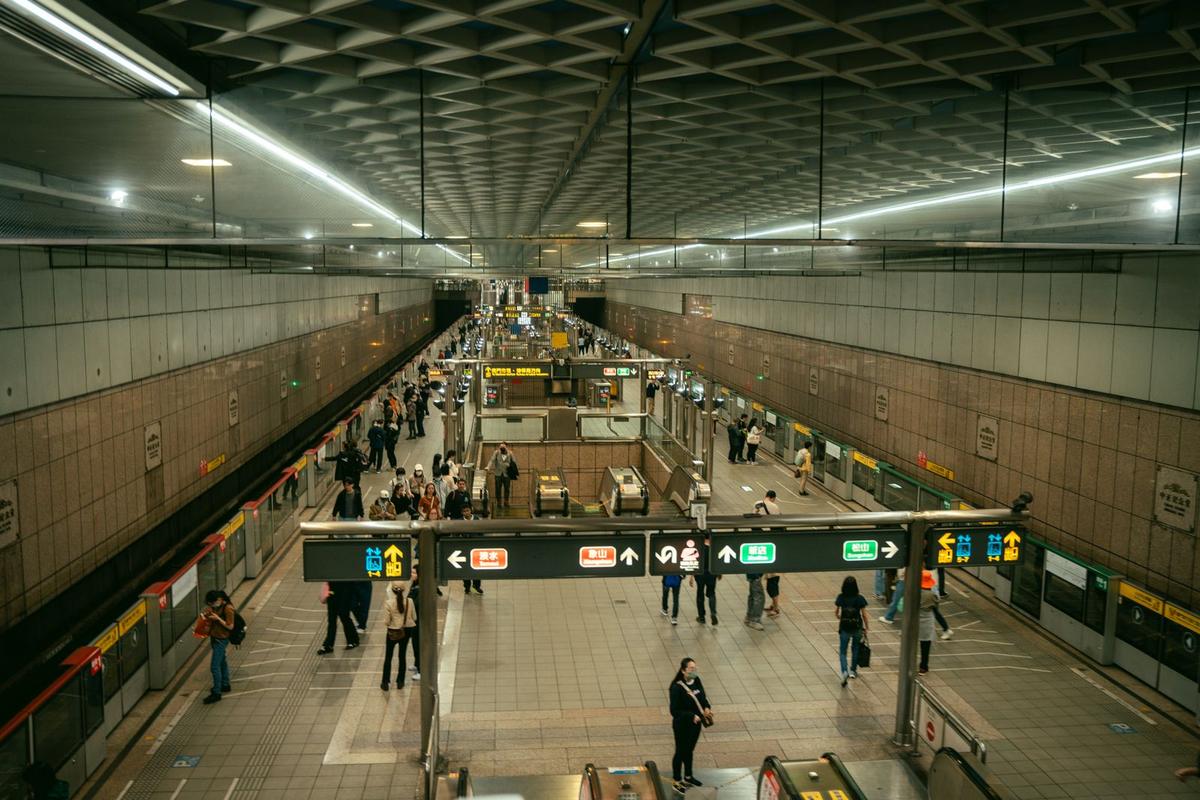
The National Palace Museum sits in the hills above Shilin, and no MRT line reaches it directly — every route involves a short bus ride from the nearest station.
| From | Details (checked 26 Jul 2026) |
|---|---|
| MRT Shilin Station (Red Line), Exit 1 | Walk 1–2 minutes to the bus stops on Zhongzheng Rd.; take Bus R30 (Red 30), 815, 304, 300, 255, S19 or S18 to the museum — about 15 minutes. R30 is the recommended route and drops off closest to the B1 entrance. |
| MRT Dazhi Station (Brown Line), Exit 3 | Walk straight to the bus stops on Beian Rd.; take Bus BR13 to the museum — about 10 minutes. |
| MRT Jiannan Road Station (Brown Line), Exit 1 | Turn right onto Beian Rd. to the bus stops; take Bus BR20 or BL7 to the museum — about 10 minutes. |
| By car / taxi | On-site and nearby paid parking lots are available, roughly a 5-minute walk from the entrance. |
Must-See Treasures
With a permanent collection approaching 700,000 pieces, no single visit comes close to seeing everything — only around 1% is on display at any given time, and paintings and calligraphy are rotated roughly every three months to protect the fragile paper and silk. A handful of pieces, though, anchor almost every visitor’s list:
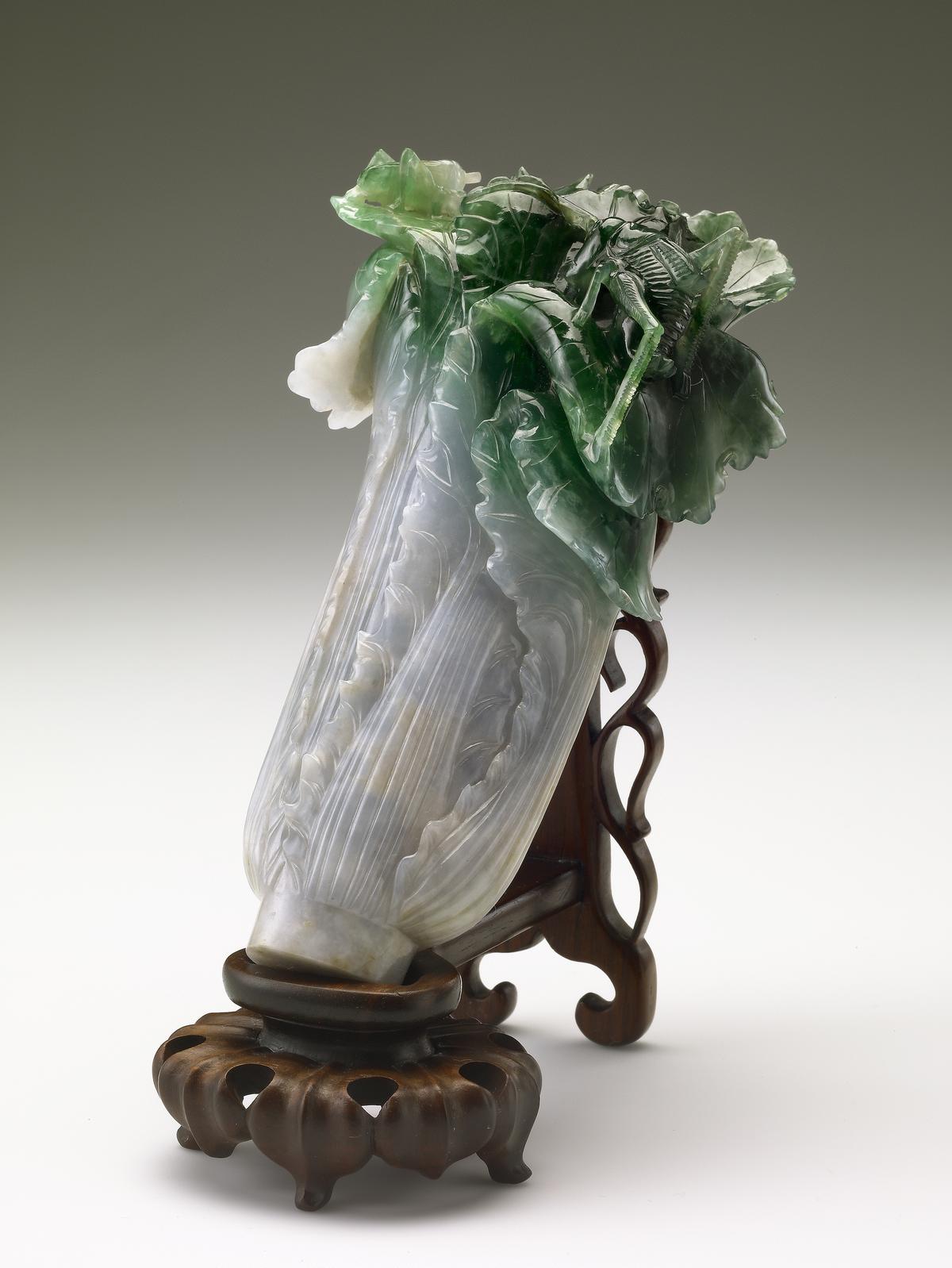
- Jadeite Cabbage — a Qing dynasty carving that uses the natural color gradient of a single piece of jadeite to recreate a Chinese cabbage head, complete with two camouflaged grasshoppers in the leaves. It is consistently the single most popular object in the museum.
- Meat-shaped Stone — a piece of banded jasper dyed and carved to resemble a slice of Dongpo pork simmered in soy sauce, often displayed alongside the Jadeite Cabbage.
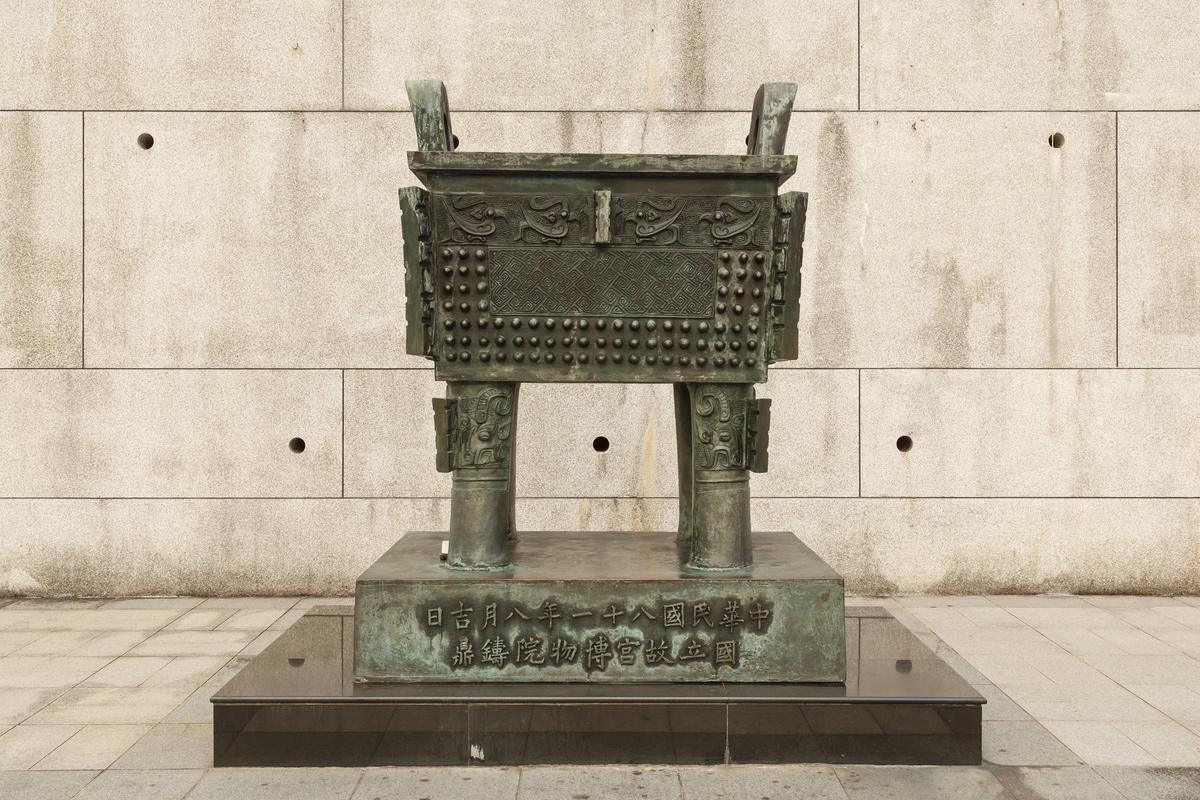
- Mao Gong Ding — a late Western Zhou dynasty bronze cauldron (1046–771 BCE) inscribed with the longest surviving Chinese bronze inscription, prized as much for its calligraphy as its casting.
- Along the River During the Qingming Festival (Qing court version) and Dwelling in the Fuchun Mountains — among the most celebrated works in the museum’s painting collection, shown only periodically as part of the rotating exhibitions.
Because paintings, calligraphy and some jade pieces rotate, always check the museum’s current exhibition list before your visit if there is a specific piece you want to see.
Museum Layout & Galleries
The main building is arranged over several floors: bronzes, jades and ceramics generally occupy the lower and middle levels, with paintings, calligraphy and rare books on the upper floors in climate-controlled galleries. Given the sheer size of the collection, most first-time visitors do best with a plan rather than wandering — pick up (or pre-book) an English audio guide, head first to the galleries holding the Jadeite Cabbage and Mao Gong Ding since those areas draw the largest tour-group crowds, then work outward into bronzes, ceramics or painting galleries depending on your interest. Budget at least 2–3 hours for a reasonably thorough visit, more if you want to see special rotating exhibitions in addition to the permanent highlights.
Zhishan Garden Next Door
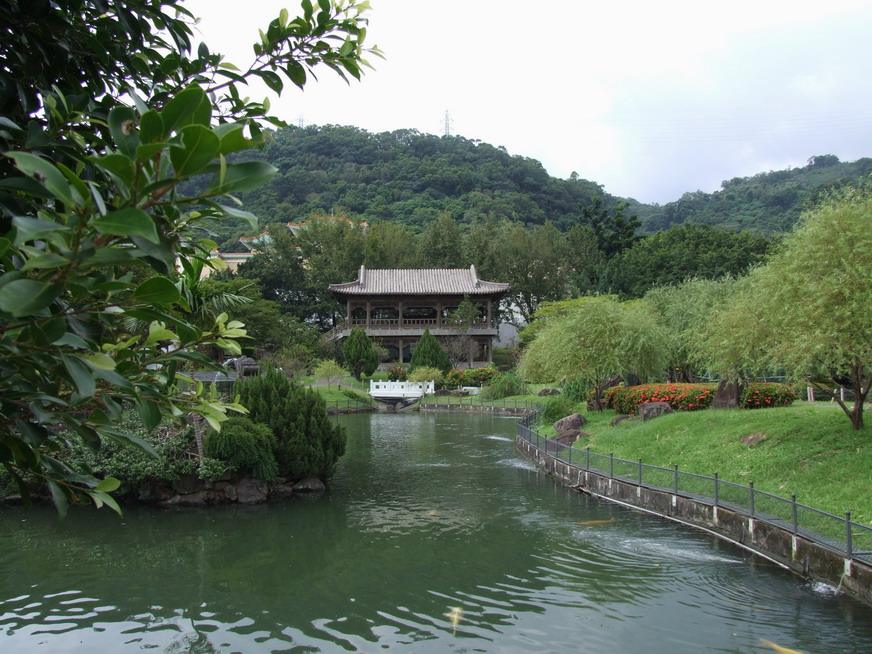
Inside the museum compound, the 1.88-hectare Zhishan Garden is a classical Song- and Ming-dynasty style Chinese garden completed in 1985, designed around the principles of feng shui, traditional Chinese landscape design and water management. Ponds, rockeries, covered walkways and wooden pavilions make it a quiet, shaded place to decompress after a few hours of gallery-hopping, and it is included in the general museum visit at no extra charge. A second, smaller garden — the Zhide Garden — sits on the southwest side of the grounds. The museum also maintains the nearby former residence of painter Chang Dai-chien, known as the Abode of Maya, as a small satellite museum and memorial.
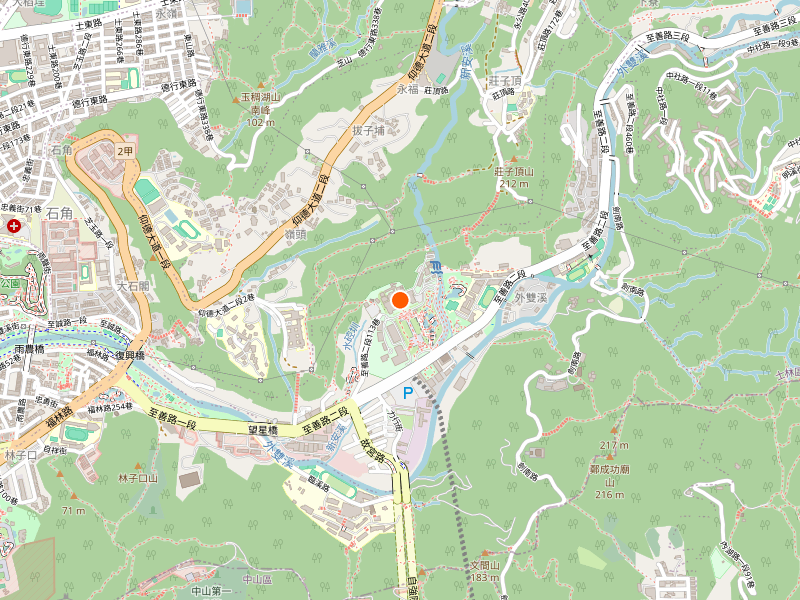
Map: National Palace Museum at a Glance
Practical Tips
- Arrive at opening (9:00 AM) or in the last two hours before closing to avoid the large tour-group crowds that build up mid-morning through early afternoon.
- English, Japanese, Korean and other language audio guides are available to rent on-site; group tickets require using the museum’s own audio tour system (NT$30 rental).
- Photography without flash is generally permitted in most galleries, but tripods, selfie sticks and flash photography are restricted — signage varies by gallery, so check posted rules as you enter each room.
- Budget at least half a day (2–4 hours) for a proper visit; the collection is far too large to see meaningfully in under an hour.
- The museum is closed on Sundays, Mondays and public holidays except for a published list of special Monday openings — check the official calendar before planning a Monday trip.
- Bus R30 from MRT Shilin Station is the simplest single-transfer route for most visitors staying in central Taipei.
Where to Stay
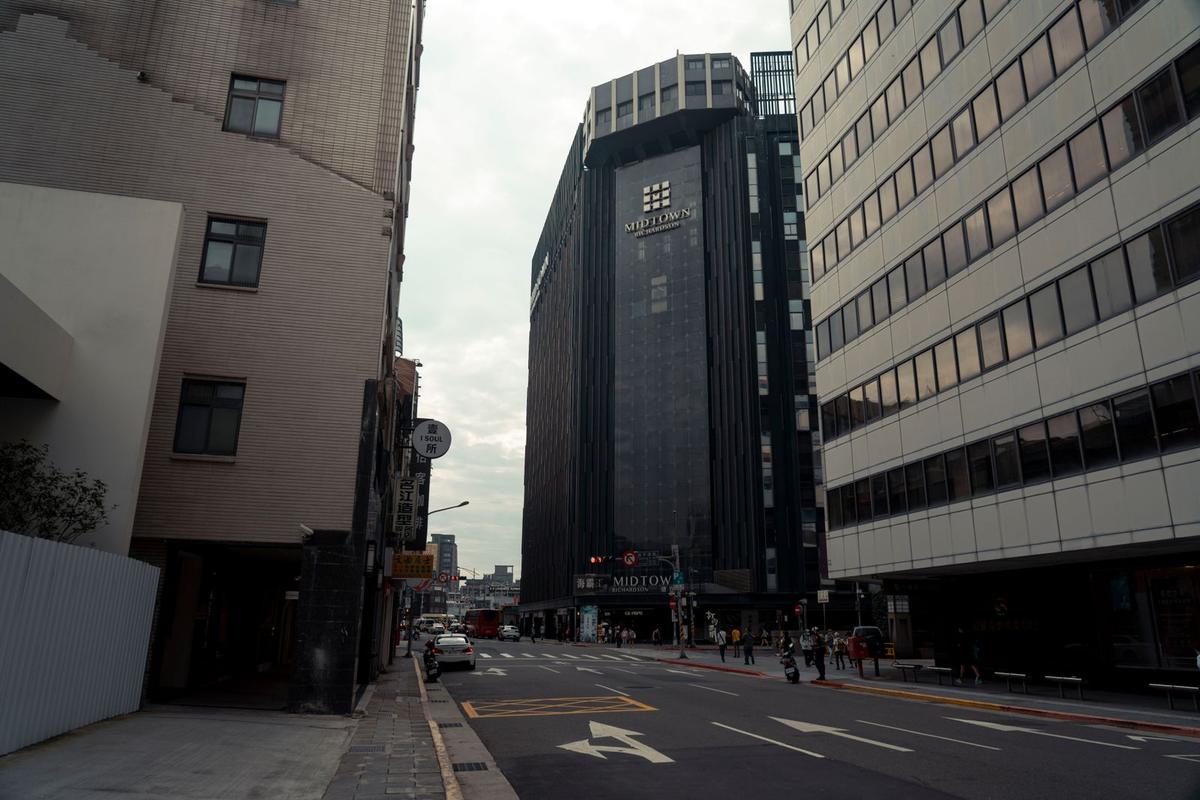
Shilin, home to the famous Shilin Night Market, is the closest district to the museum and a straightforward bus ride away — a good base if the museum is a priority on your itinerary. Zhongshan and Da’an, both a short MRT-plus-bus combination from the museum, offer a wider range of hotels and easy access to the rest of central Taipei. Staying near Taipei Main Station keeps you central for day trips across the whole city, at the cost of a slightly longer bus connection out to Shilin.
Frequently Asked Questions
How much does it cost to visit the National Palace Museum?
Most international visitors pay NT$350 (≈$10.8) for a standard adult ticket. Visitors 17 and under, R.O.C. seniors, and people with disabilities (plus one companion) get in free — see the price table above for full details.
Is there an MRT station at the National Palace Museum?
No. The nearest stations are MRT Shilin and MRT Dazhi, both of which require a short bus connection (about 10–15 minutes) to reach the museum gate.
How much time should I budget for the museum?
At least 2–3 hours for a first visit that covers the main highlights; a full half-day if you also want to see rotating special exhibitions or linger in Zhishan Garden.
Can I see the Jadeite Cabbage every time I visit?
Usually yes, as it is one of the museum’s most requested permanent highlights, but the museum does periodically move pieces between galleries for conservation or special exhibitions, so it is worth checking current gallery listings if it is the one object you must see.
Final Word
Few museums anywhere hold a collection this deep, and fewer still carry a backstory as dramatic as the National Palace Museum’s — an imperial treasury that survived war, revolution and an ocean crossing to end up on a quiet hillside in Shilin. Come with a plan, budget real time for the Jadeite Cabbage and the bronze galleries, and save an extra half hour for Zhishan Garden on your way out.
This post contains affiliate links. If you book or buy through them, we may earn a small commission at no extra cost to you. Hours and prices can change — always confirm on official sources before you visit.
Related Guides
🎟️ Book Tours, Activities & Food Experiences
Search and book top attractions, tours and food experiences on Klook — official best price, instant confirmation.
Klook.com