Last updated: July 2026
Disclosure: This post contains affiliate links. We may earn a commission if you book through them, at no extra cost to you. Hours and prices can change — always confirm on official sources before you visit.
Book Tours & Activities in Osaka Castle
Book Tours & Activities in Osaka Castle
Hand-picked Osaka Castle experiences you can book online — skip-the-line entry, a private guided walk through the grounds, and an all-in-one city pass that covers the castle tower:
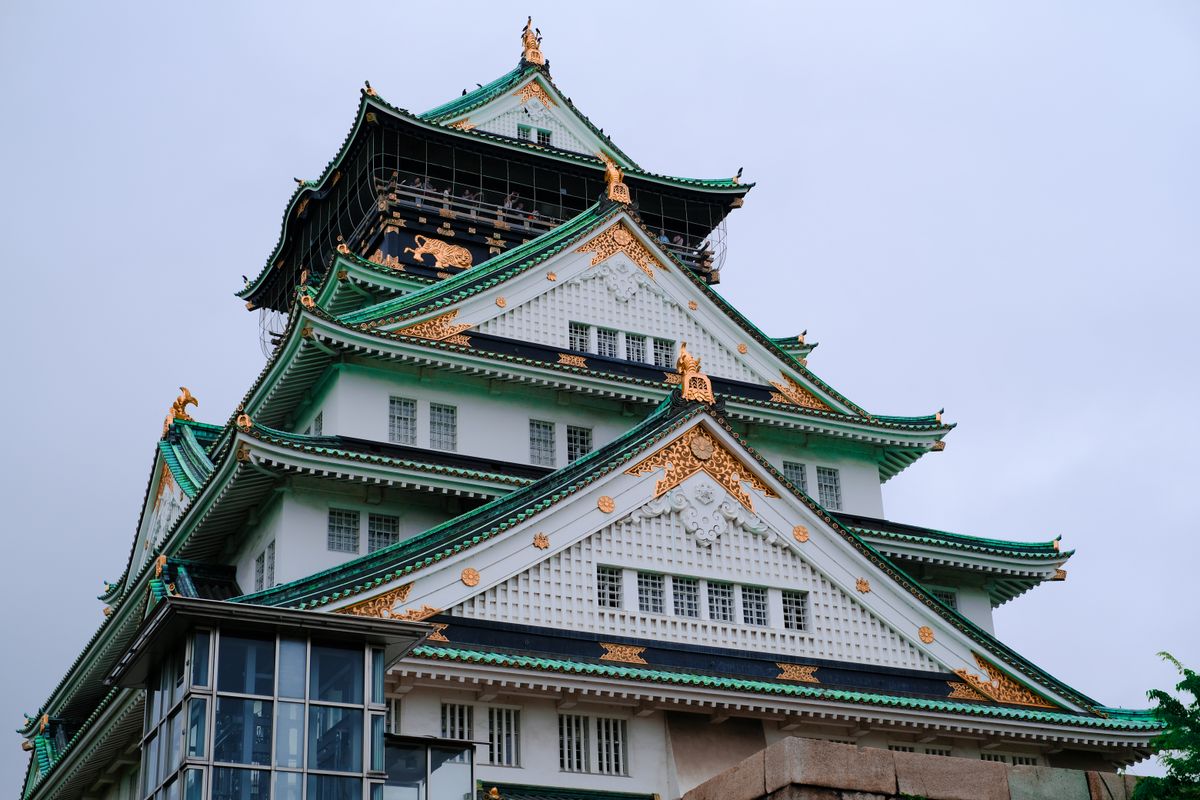
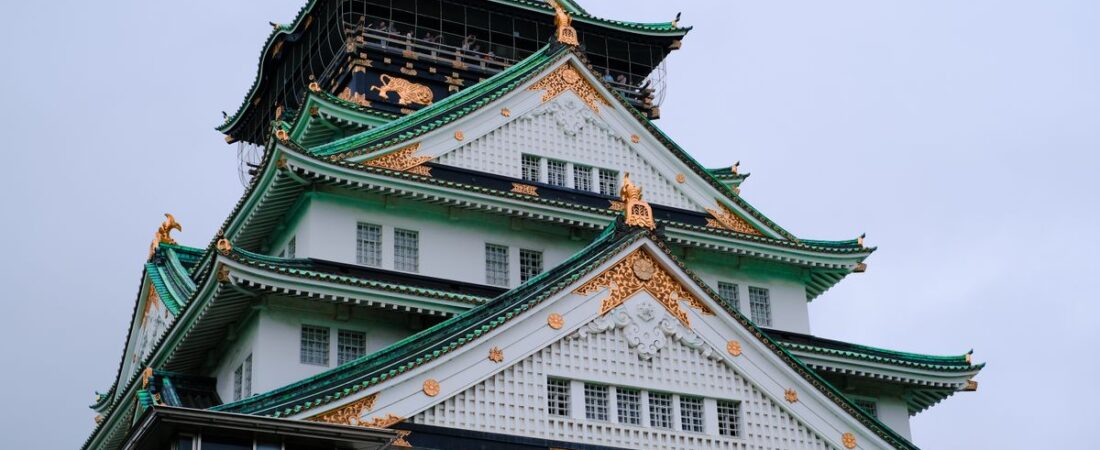
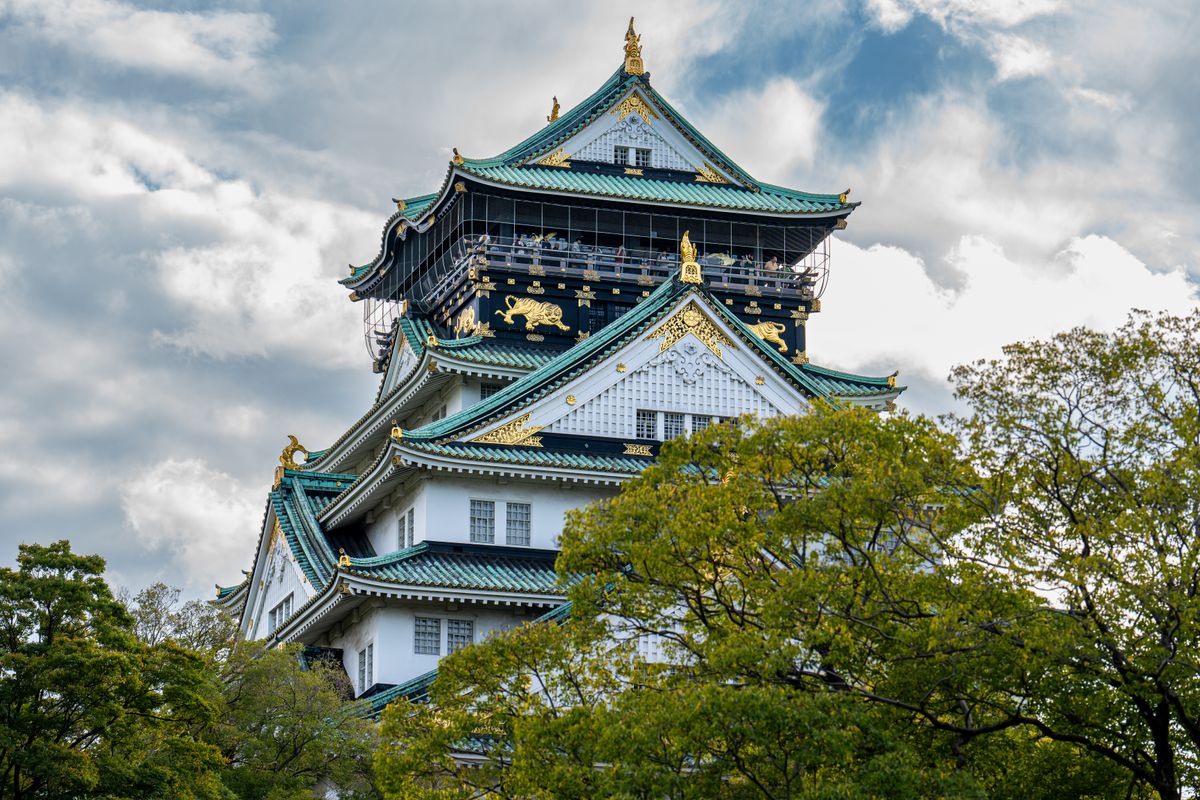
Rising above a moat of granite megaliths in the heart of Chuo-ku, Osaka Castle (大阪城, Ōsaka-jō) is the single most recognizable landmark in the city and the anchor of any Osaka city guide. Built by the warlord who briefly unified all of Japan, burned down twice and rebuilt in concrete during the 1930s, the castle today is equal parts history museum, cherry-blossom park and skyline photo op. Here is what it costs, how to reach it, and what to actually do once you are inside the grounds.
A Little Context
Toyotomi Hideyoshi, the peasant-born general who completed the unification of Japan after Oda Nobunaga’s death, began building Osaka Castle in 1583 on the former site of the fortified Ishiyama Hongan-ji temple. Modeled on Nobunaga’s Azuchi Castle but built to surpass it, Hideyoshi’s tower was five stories on the outside, eight inside, and reportedly gilded to dazzle visitors — construction wrapped in 1597, a year before his death. The castle passed to his son Toyotomi Hideyori, but in the 1614–1615 Siege of Osaka, Tokugawa Ieyasu’s forces overwhelmed the Toyotomi clan; Hideyori died in the ruins and the original castle burned to the ground.
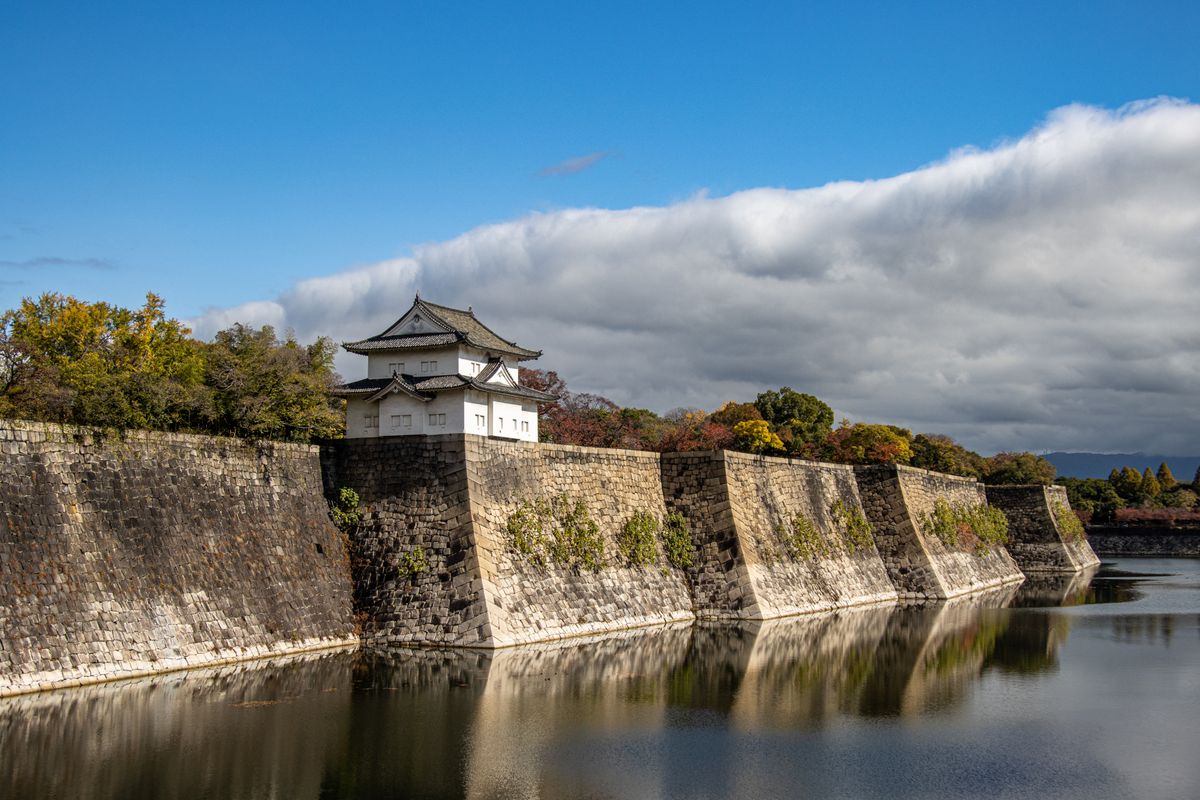
The victorious Tokugawa shogunate rebuilt Osaka Castle on an even larger scale between 1620 and 1629, burying the old Toyotomi foundations under a new keep and the massive interlocking stone walls that still stand today. That structure did not last either: a gunpowder magazine exploded in 1660, and in 1665 a lightning strike burned the main tower down completely, leaving the castle without a keep for over 250 years. The site was further damaged during the 1868 Meiji Restoration conflicts and later became the Osaka Army Arsenal, one of Japan’s largest wartime armories — a target of the August 1945 US bombing raids that destroyed much of the surrounding complex.
The tower Osaka sees today dates to 1931, when the city funded a ferroconcrete reconstruction based on Edo-period screen paintings and photographs of the Tokugawa-era keep. A further restoration completed in 1997 refreshed the exterior and converted the interior into the modern, elevator-equipped history museum that occupies the tower now.
Quick Facts & Costs for 2026
💡 Prices checked on 24 July 2026. Osaka Castle Park itself is free to enter — only the main tower and Nishinomaru Garden charge admission. Fees change; always confirm on the official Osaka Castle site or the booking widgets on this page before you visit.
| Item | Cost | Notes & source (checked) |
|---|---|---|
| Osaka Castle Park grounds (moat, walls, gates) | Free | Open public park — no ticket needed to walk the grounds. — Osaka Castle official site (osakacastle.net), checked 24 Jul 2026 |
| Main tower & museum, adult | ¥1,200 (≈ $7.4) | Raised from ¥600 in April 2025. — Osaka Castle official site (osakacastle.net), checked 24 Jul 2026 |
| Main tower & museum, high school/college student | ¥600 (≈ $3.7) | Valid student ID required. — Osaka Castle official site (osakacastle.net), checked 24 Jul 2026 |
| Main tower, junior-high age & under | Free | — Osaka Castle official site (osakacastle.net), checked 24 Jul 2026 |
| Nishinomaru Garden, adult | ¥200 (≈ $1.2) | Rate can shift slightly during peak cherry-blossom week — confirm on the official site before you go. — Osaka Castle official site (osakacastle.net), checked 24 Jul 2026 |
| Main tower hours | 9:00 AM–5:00 PM | Last admission 4:30 PM, open daily. — Osaka Castle official site (osakacastle.net), checked 24 Jul 2026 |
How to Get There
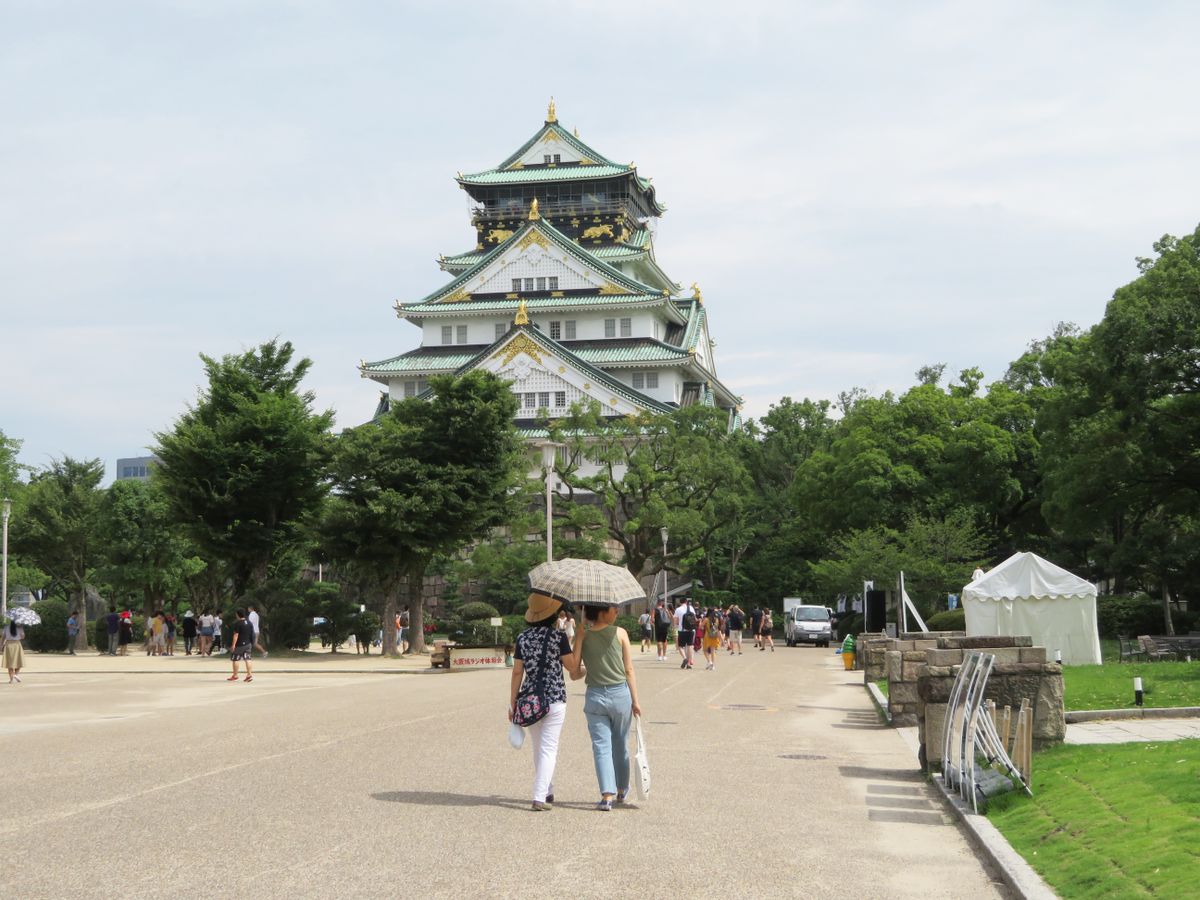
Osaka Castle sits inside its own 105.6-hectare park in Chuo-ku, and three train stations put you within a 15–20 minute walk of the main tower — there is no station right at the keep itself, so budget time to walk through the grounds.
| Station | Details (checked 24 Jul 2026) |
|---|---|
| Osakajokoen Station | JR Osaka Loop Line, on the park’s north side; roughly a 15–20 minute walk to the main tower through the park — the closest rail option |
| Tanimachi 4-chome Station | Osaka Metro Tanimachi & Chuo Lines, exit near the Otemon (main) Gate on the park’s west side |
| Temmabashi Station | Osaka Metro Tanimachi Line, closest to the Kyobashi-guchi/Gokuraku-bashi entrance on the north side |
| By car | Limited paid parking near the Otemon and Aoya-mon gates; central Osaka traffic makes rail the more practical option |
The Main Tower & Museum
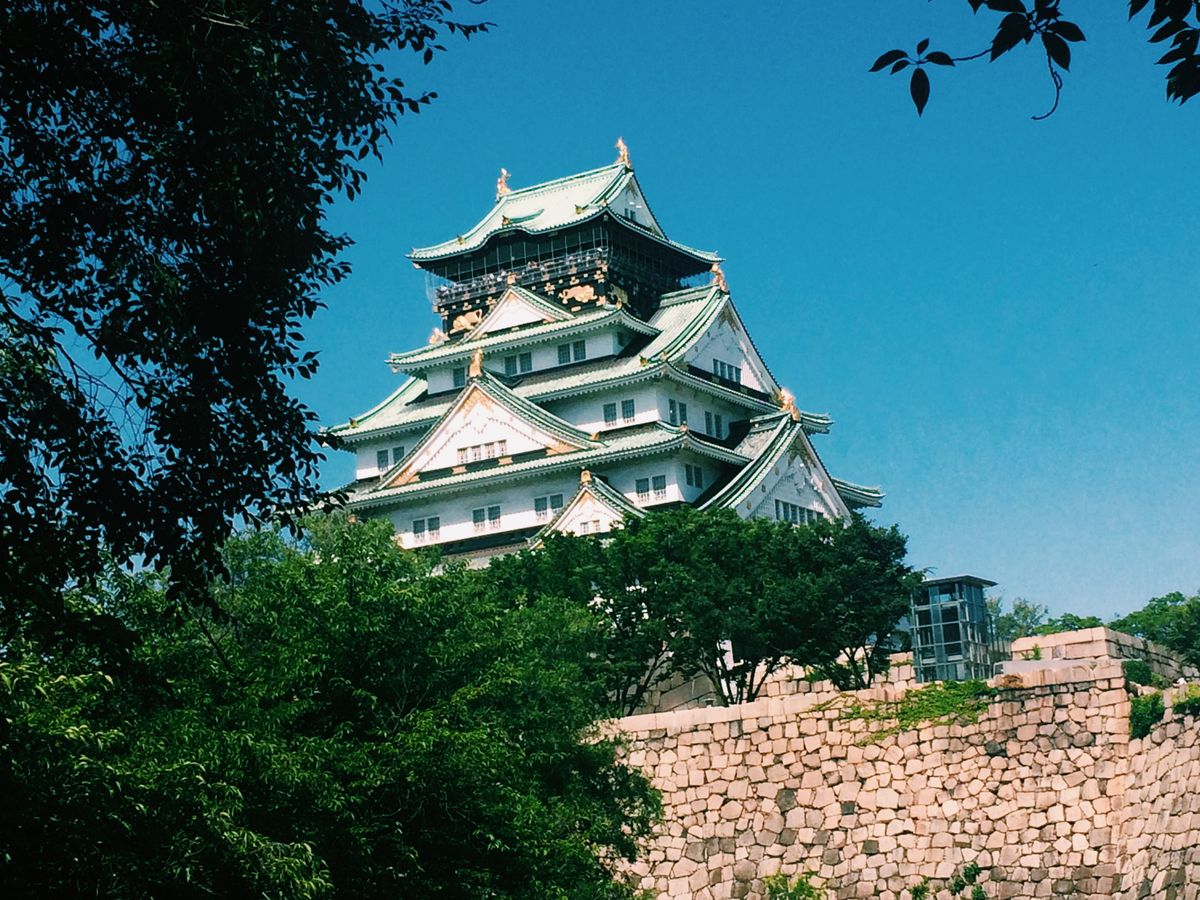
Inside, the tower is arranged over eight floors connected partly by elevator, tracing Hideyoshi’s rise to power and the sieges that later destroyed the castle through samurai armor, folding screens, matchlock guns and scale models of the original Toyotomi-era keep. The top floor opens onto an observation deck that circles the tower, giving 360-degree views over Osaka Castle Park, the Osaka Business Park skyline, and on clear days as far as Umeda Sky Building. Most visitors spend 45 minutes to 90 minutes inside, longer if the observation deck is busy.
Skip the ticket line at the main tower (live prices):
Nishinomaru Garden
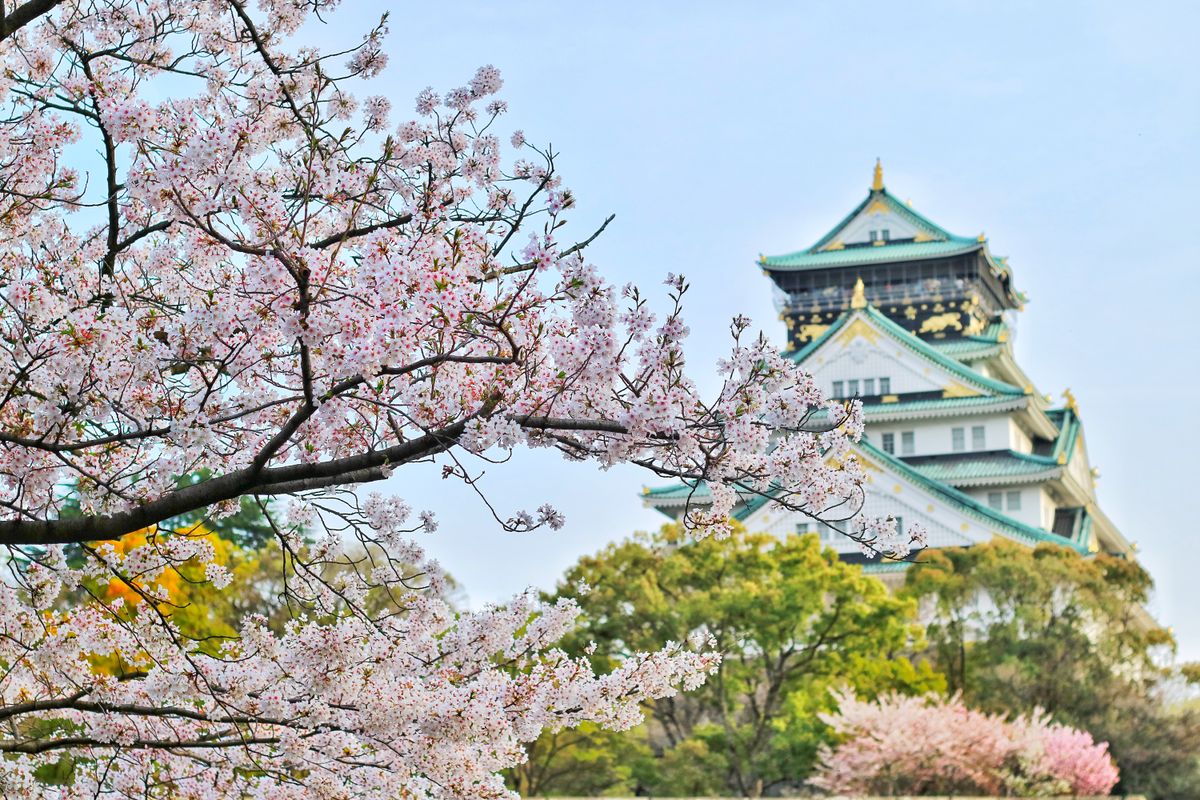
West of the main tower, the separately ticketed Nishinomaru Garden (6.5 hectares, laid out in the 1960s) occupies the former residence grounds of Kita no Mandokoro, Hideyoshi’s wife. Several hundred Somei Yoshino cherry trees line its lawns, making it one of Osaka’s most photographed hanami spots each spring, alongside a grove of roughly 1,200 plum trees that bloom earlier in late winter. In the garden’s northeast corner, the traditional Hoshu-an teahouse serves matcha and sweets with castle views. The garden is closed on Mondays and during the New Year holidays, and keeps shorter hours than the park itself (9:00 AM–5:00 PM March–October, 9:00 AM–4:30 PM November–February, last entry 30 minutes before close).
Park Grounds & the Moat
Even without paying for the tower, Osaka Castle Park rewards a slow walk. The inner moat — part wet, part dry — is lined with granite walls built by rival samurai clans conscripted into the Tokugawa reconstruction, each stone quarried from the Seto Inland Sea and many still bearing the carved crest of the family that hauled it here; look for the giant Octopus Stone and Higo Stone near the inner gates, among the largest in the complex. Thirteen surviving structures — including the Otemon and Sakuramon gates, several yagura turrets and the Kinmeisui well — are designated Important Cultural Properties. Gozabune boat rides cross the inner moat for a water-level view of the walls, and the park’s wide lawns and moat-side paths are popular for picnics, joggers and the Osaka-jo Hall concert venue on the grounds.
Seasonal Highlights
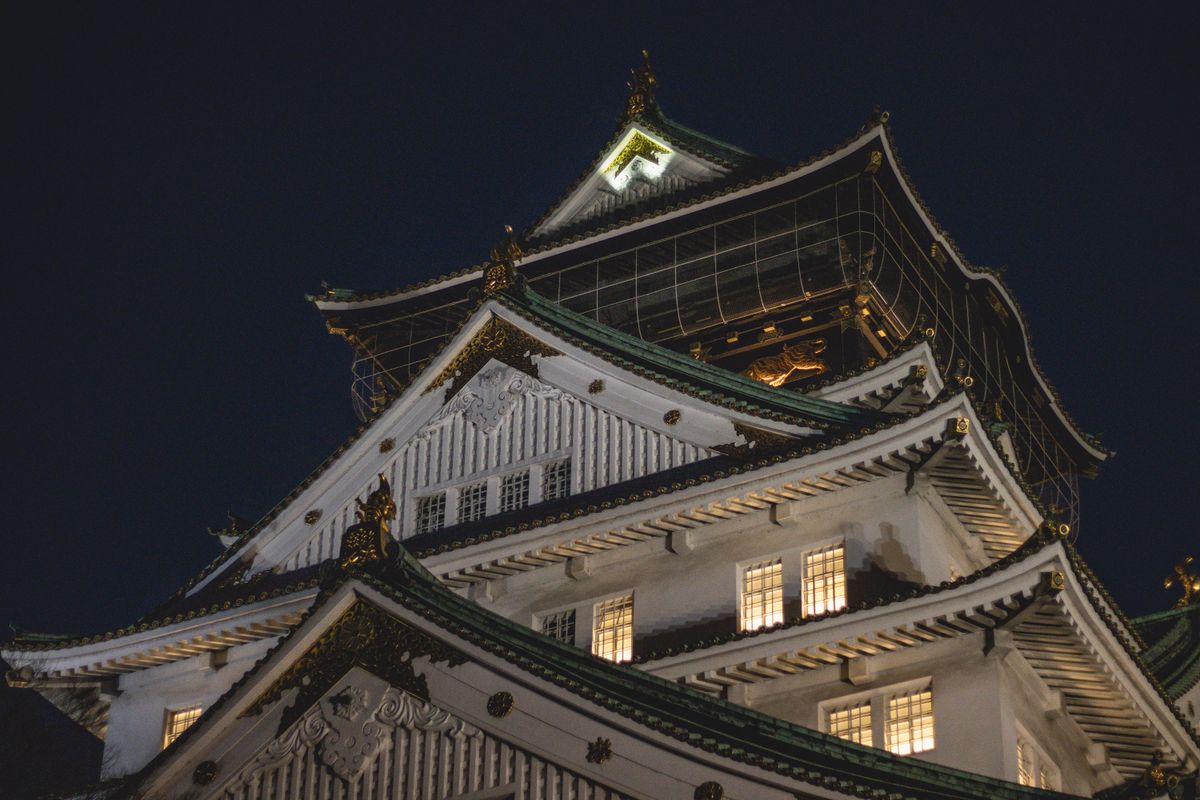
Cherry blossom season (typically late March to early April) is the single busiest stretch at Osaka Castle, when Nishinomaru Garden extends its hours and both the garden and the park fill with hanami crowds. Plum blossoms peak earlier, from late January into March, drawing a quieter crowd to the same garden. The main tower itself is illuminated most evenings year-round, and Nishinomaru Garden periodically runs a ticketed evening illumination event during peak bloom and autumn foliage windows — check current dates before planning a night visit.
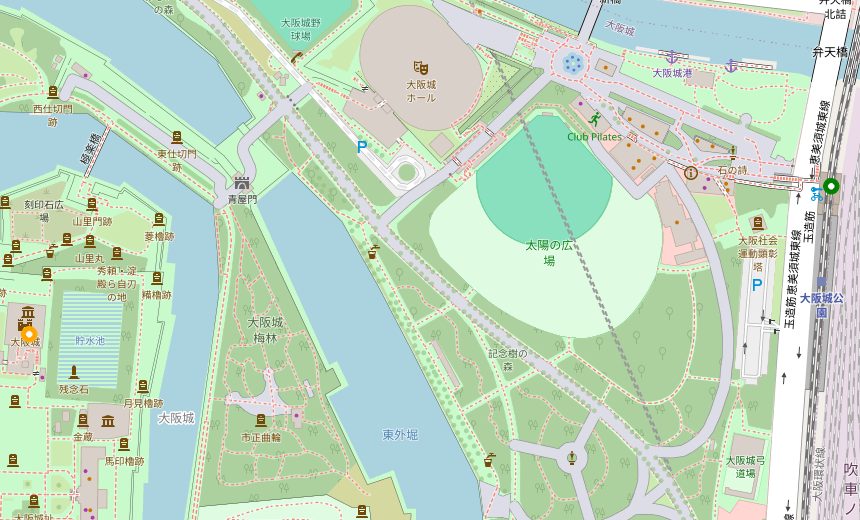
Map: Osaka Castle at a Glance
Practical Tips
- The walk from any surrounding station to the main tower is 15–20 minutes through the park — wear comfortable shoes and budget the time, especially in summer heat.
- Buy tower tickets online in advance during cherry blossom season (late March–early April); the ticket office line can run 30+ minutes on peak weekends.
- The Osaka Amazing Pass bundles unlimited subway travel with free entry to the castle tower and dozens of other attractions — worth comparing against single tickets if you are sightseeing hard that day.
- Nishinomaru Garden is closed on Mondays (and around New Year) — check before planning a cherry-blossom visit around the garden specifically.
- Always confirm current hours and admission for the tower and Nishinomaru Garden on the official Osaka Castle site before you go, as both shift seasonally.
Where to Stay
Osaka Business Park (OBP), just east of the castle, is the closest hotel cluster and an easy walk to the Gokuraku-bashi entrance. Tanimachi/Morinomiya to the south and west offers a quieter, more local base a short subway ride from the Otemon Gate, while staying around Namba or Umeda puts you a 15–20 minute train ride away with far more restaurant and nightlife options if the castle is just one stop on a wider Osaka itinerary.
Frequently Asked Questions
Is Osaka Castle Park free to enter?
Yes — the park grounds, moat paths and gates are free to walk. You only pay to enter the main tower (¥1,200 adult) or Nishinomaru Garden (¥200 adult).
How much time do you need at Osaka Castle?
Budget 1.5–2 hours for the tower, museum and a walk around the immediate grounds; add another hour if you also visit Nishinomaru Garden or want to linger for photos.
What is the closest train station to Osaka Castle?
Osakajokoen Station on the JR Osaka Loop Line is closest to the park entrance, though it is still a 15–20 minute walk to the main tower itself.
When is the best time to visit Osaka Castle?
Late March to early April for cherry blossoms and late autumn for foliage are the most scenic but busiest windows; weekday mornings year-round are the quietest time to see the tower.
Final Word
Osaka Castle packs nearly 450 years of Japanese history — a unifier’s ambition, two dramatic destructions, and a 1930s concrete rebirth — into one of the country’s most photogenic parks. Ride the elevator to the observation deck for the skyline view, walk the Tokugawa-era stone walls at ground level, and if you are visiting in cherry blossom season, save an extra hour and a few hundred yen for Nishinomaru Garden.
This post contains affiliate links. If you book or buy through them, we may earn a small commission at no extra cost to you. Hours and prices can change — always confirm on official sources before you visit.
Related Guides
🎟️ Book Tours, Activities & Food Experiences
Search and book top attractions, tours and food experiences on Klook — official best price, instant confirmation.
Klook.com