Related Guides
- Best Things to Do in Suwon
- Best Things to Do in Pohang
- Best Things to Do in Busan
- Best Things to Do in Sokcho
- How to Use the T-money Card and the Seoul Subway
- Do I Need a K-ETA to Visit Korea?
Disclosure: This post contains affiliate links. If you book a hotel or buy something through them, I may earn a small commission at no extra cost to you. It helps keep this site running, and I only point to things I would genuinely use myself. Thank you for the support.
Last updated: July 2026 · prices checked 13 Jul 2026
Gwangju is the cultural heart of Korea’s southwest, and it rarely makes the standard first-timer itinerary – which is exactly why it is worth the trip. This is a city that takes its art, its democracy, and its food seriously. It gave Korea one of the pivotal moments of its modern democracy movement, it hosts a globally respected art biennale, and it sits at the center of Jeollanam-do, the region widely agreed to serve the best food in the country. Come here to eat well, dig into real history, and see a Korean city that feels lived-in rather than staged.
It is also an easy addition to a wider trip. The KTX runs down from Seoul in a little under two hours, dropping you at Gwangju Songjeong Station, and the city itself is compact and friendly. Give it a full day or two – here is how I would spend it.
Quick Cost Overview: Gwangju Attractions
Prices change with season, day of week, and demand. The fares below were checked on 13 July 2026 against official sources – always confirm the current price on the official site or booking system before you go. USD figures are approximate, converted at 1 USD ≈ 1,501 KRW (13 Jul 2026).
| Attraction | Adult price | Notes / source (checked) |
|---|---|---|
| May 18th National Cemetery & democracy sites | Free | Public memorial. Checked 2026-07-13 |
| Asia Culture Center (ACC) | Free entry | Some exhibitions paid; check acc.go.kr. Checked 2026-07-13 |
| Gwangju Biennale | Paid during event period only | Off-season free; check gwangjubiennale.org. Checked 2026-07-13 |
| Mudeungsan National Park | Free | National park trails. Checked 2026-07-13 |
| 1913 Songjeong Station Market | Free | Pay per stall. Checked 2026-07-13 |
| Yangnim-dong historic lanes | Free | Open-air; some house-museums small fee. Checked 2026-07-13 |
Understand Modern Korea at the May 18th Sites
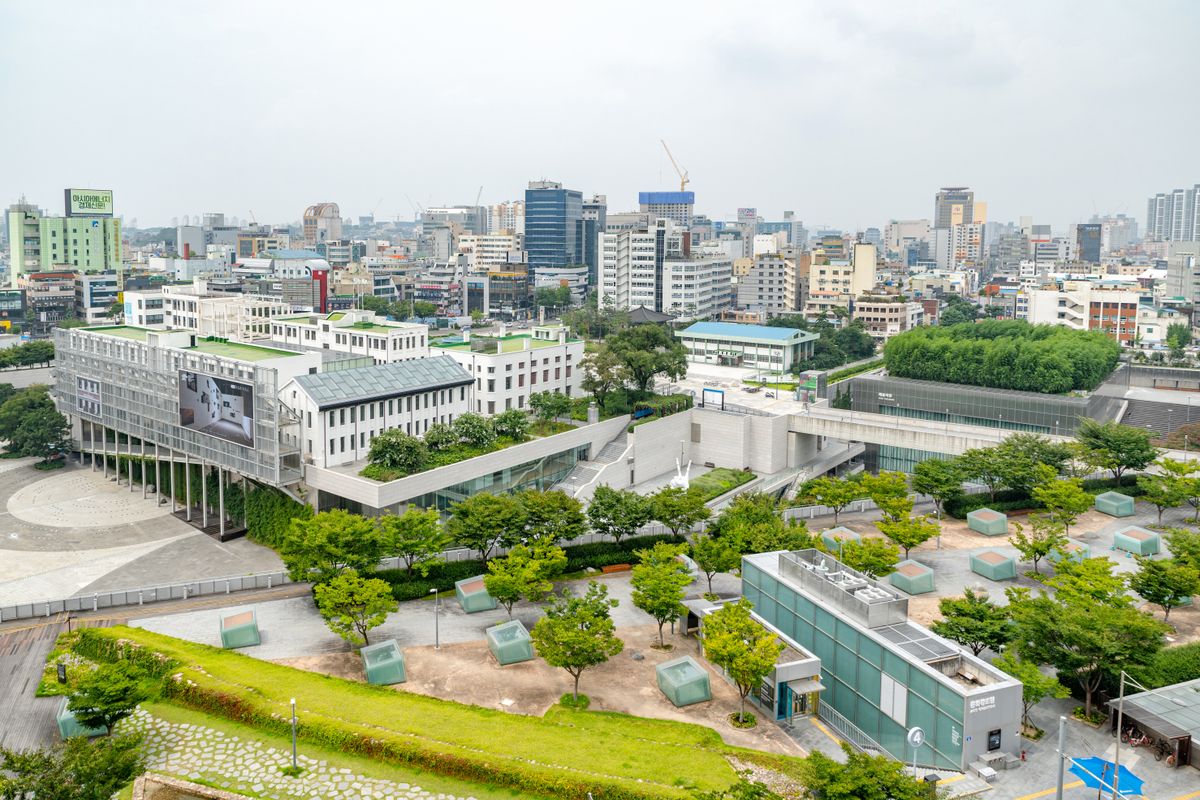
Gwangju is inseparable from the May 18th Democratic Uprising of 1980, and understanding it is central to understanding modern Korea. Start at the May 18th National Cemetery and the Democracy Square around the old Provincial Hall in the downtown, where memorials, a museum, and preserved buildings tell the story with care and dignity. It is a sober, moving few hours, and it gives the whole city context. Entry to the memorial sites is free, and the exhibits are well presented in English.
Wander the Art of the Gwangju Biennale and Asia Culture Center
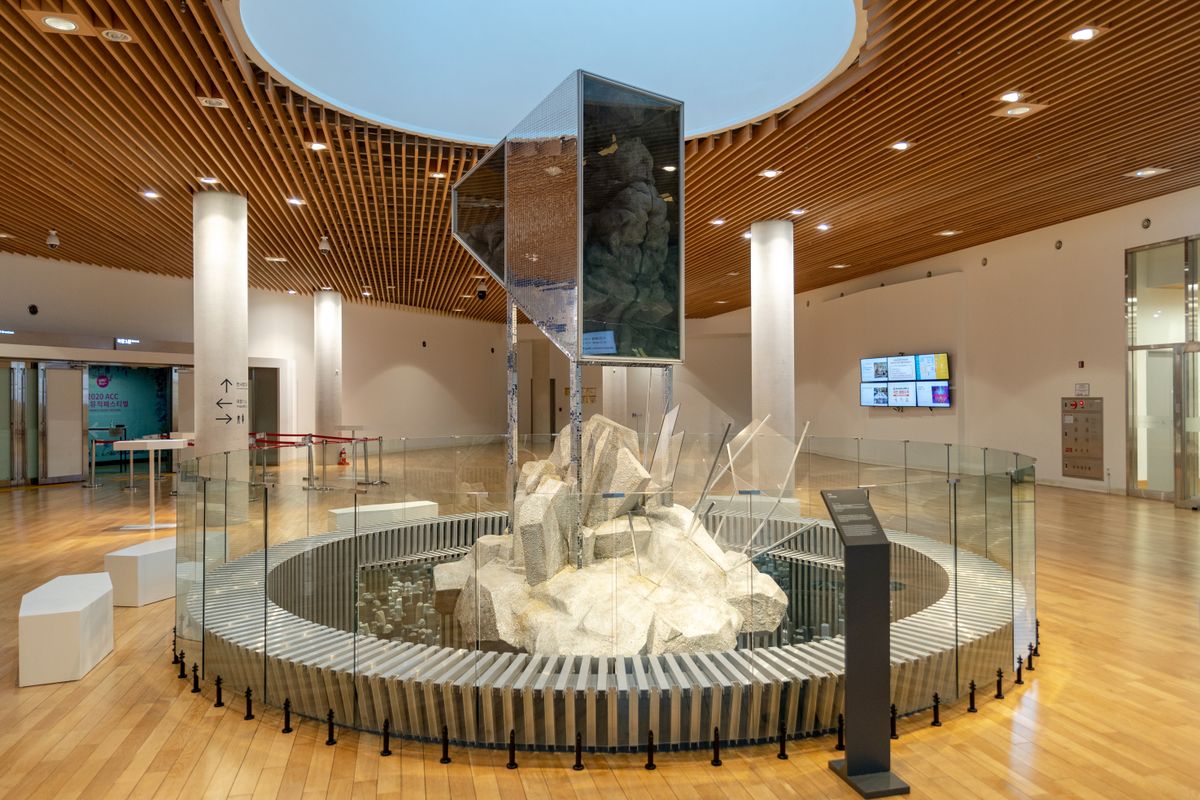
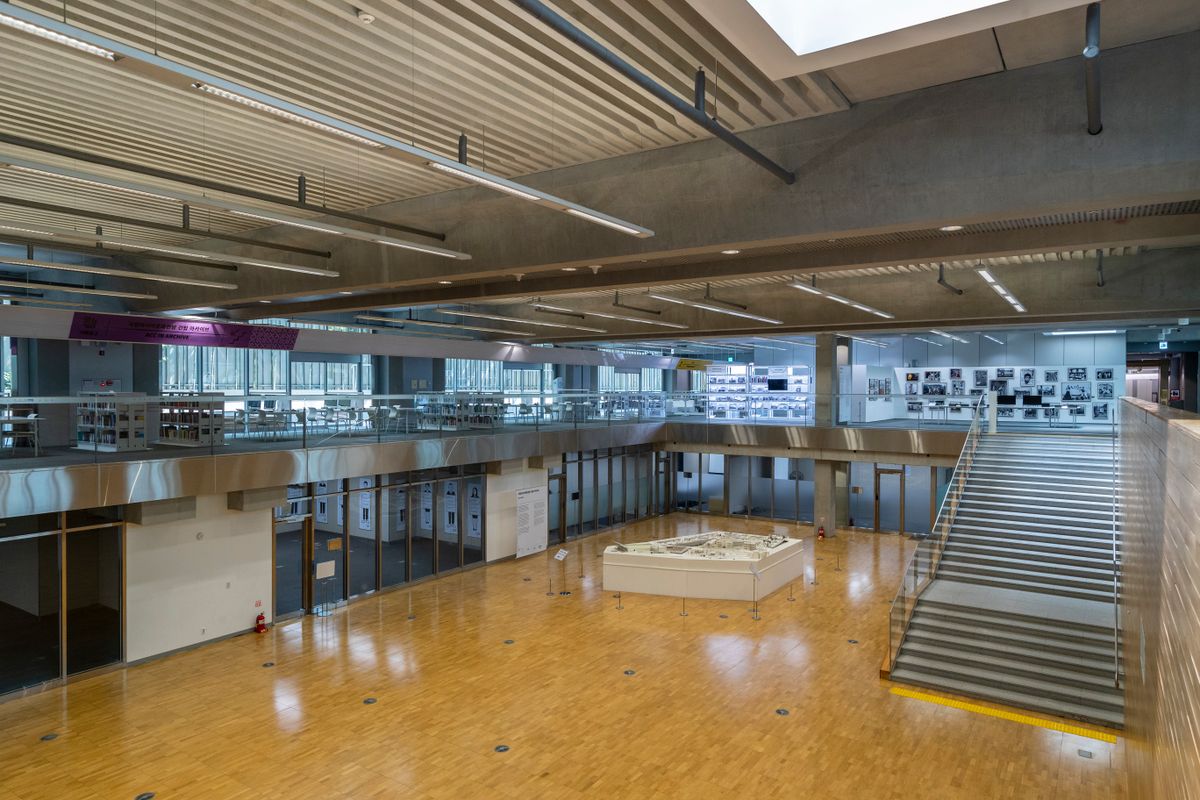
Gwangju has staked its identity on contemporary art. The Gwangju Biennale, held in even years, is one of Asia’s most respected art events, and even outside the festival the exhibition halls and the sprawling National Asia Culture Center (ACC) downtown keep the scene alive year-round. The ACC is an architectural marvel built partly underground on the old Provincial Hall grounds, with galleries, performance spaces, and a library. Give it a couple of hours to wander.
Eat Your Way Through Jeolla Cuisine
This may be the real reason to come. Jeollanam-do is famous across Korea for the sheer generosity of its food, and a proper Gwangju hanjeongsik – a traditional set meal – arrives as a table crowded with dozens of small dishes, from grilled fish to fermented vegetables to fresh greens. Beyond that, seek out tteokgalbi (grilled short-rib patties), a local specialty, and the duck dishes the region is known for. Even a simple lunch here tends to arrive with more side dishes than you can finish.
Stroll the 1913 Songjeong Station Market
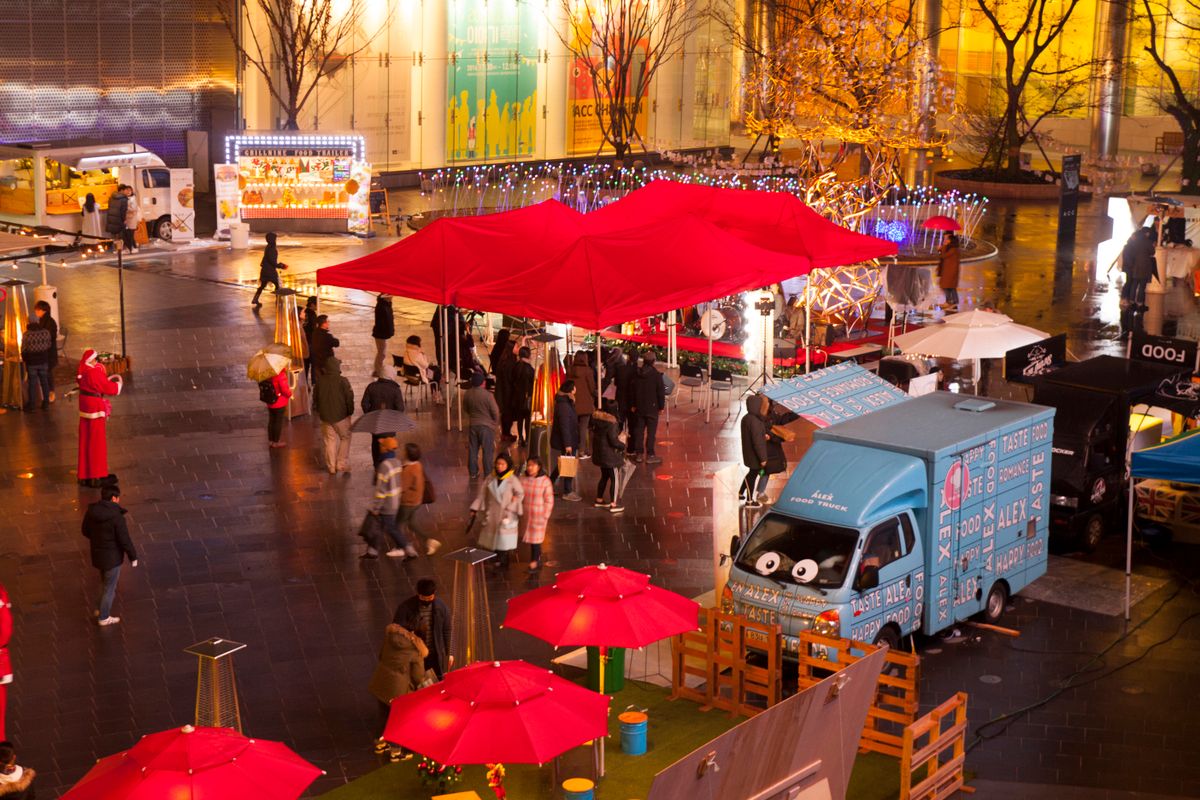
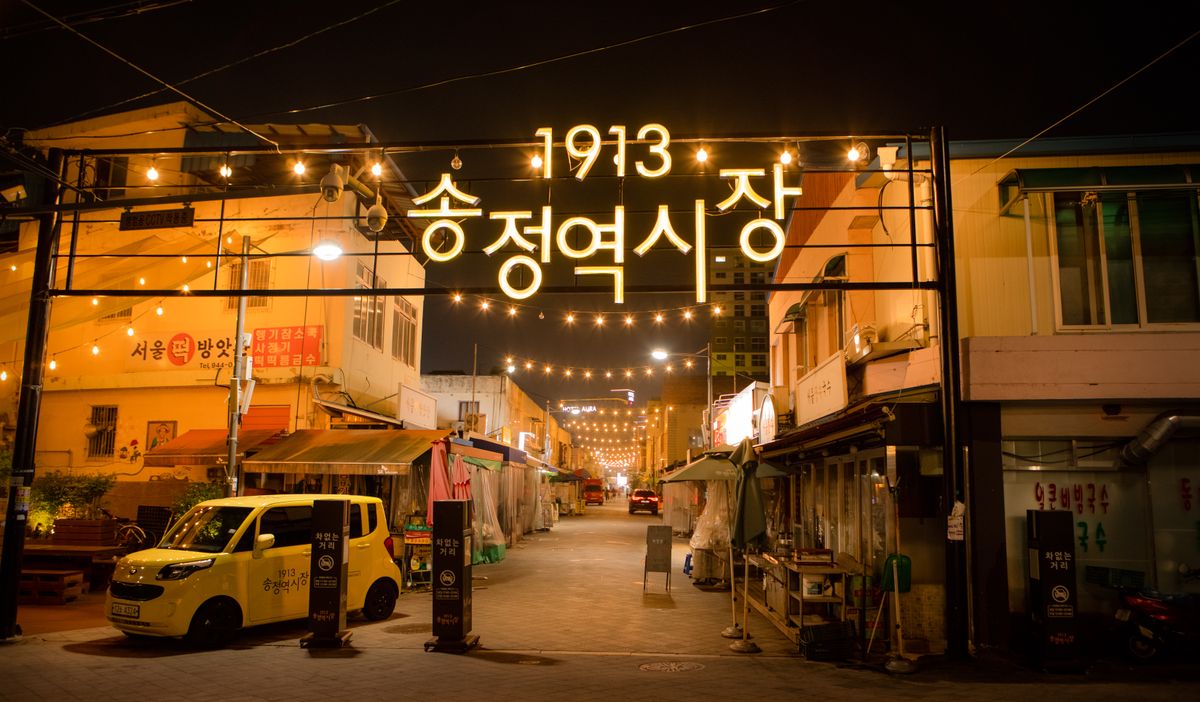
Right by the KTX station, this century-old market has been beautifully revived into a lively lane of old-school shops, modern cafes, craft-beer spots, and street-food stalls that keep their heritage signage. It is the perfect first or last stop in the city – grab a snack, browse the vintage storefronts, and soak up the atmosphere. It comes alive in the evening.
Climb Mudeungsan for the View
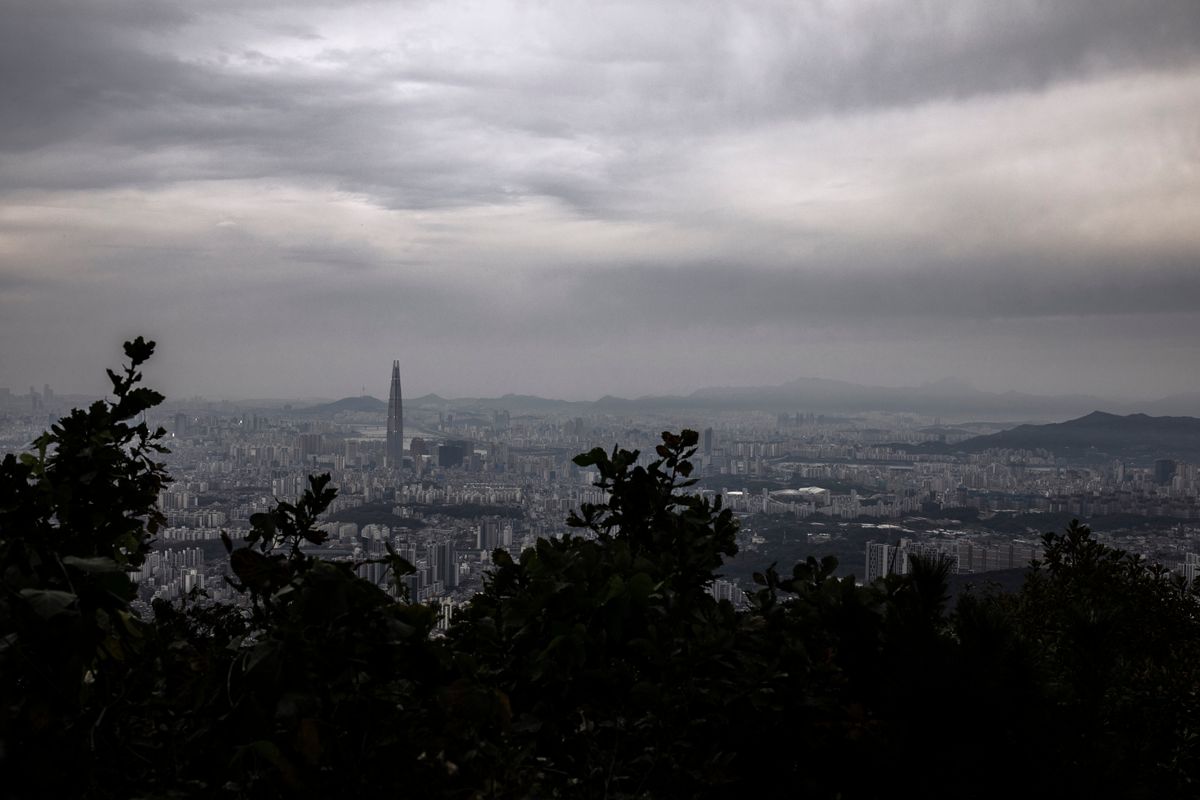
Mudeungsan National Park rises right on the city’s eastern edge, crowned by dramatic columnar rock formations near the summit. You do not need to be a serious hiker to enjoy it – lower trails wind past temples and tea fields, and even a short walk rewards you with fresh air and views back over Gwangju. For the ambitious, the full ascent to the ridge is one of the region’s classic climbs.
Relax at Yangnim-dong’s Historic Lanes
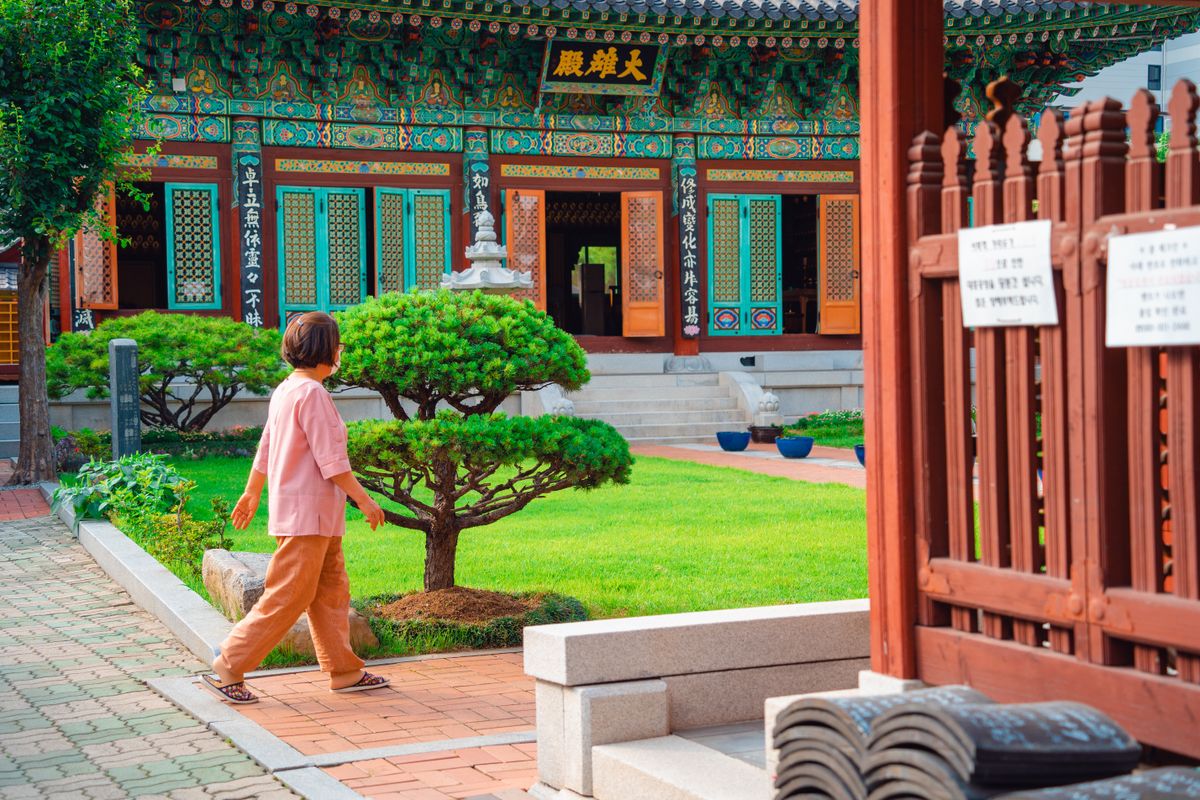
The Yangnim-dong neighborhood is Gwangju’s charming old missionary quarter, a hillside cluster of early-20th-century Western-style houses, churches, and museums now dotted with independent cafes and galleries. It is a quiet, walkable pocket of history and one of the prettiest corners of the city for an unhurried afternoon.
Book a Guided Tour or Day Trip
Gwangju’s history rewards context, and the surrounding Jeolla region is packed with worthwhile side trips – the tea fields of Boseong, the bamboo forest at Damyang, and the temples nearby. A guided city walk of the May 18th sites, or a day tour out into the countryside, handles the transport and timing and turns a good visit into a memorable one.
Check current prices and book Gwangju tickets, tours and day trips on Klook:
See Gwangju tickets & tours on Klook →
Where to Stay in Gwangju
Picking the right base makes this spread-out city easy to work.
Around the Downtown and Chungjang-ro puts you in the buzzing shopping and nightlife core, walking distance to the Asia Culture Center, the democracy sites, and endless restaurants and cafes.
Near Gwangju Songjeong Station is the smart choice if you are arriving by KTX or moving on quickly, with hotels beside the trains and the 1913 market right there.
What to Pack
Gwangju is a walking-and-eating city with hilly parks on its edge, so comfortable shoes and light, breathable clothing are essential in the hot, humid summers. Korea runs on 220V Type C/F outlets, so bring a universal travel adapter to keep your phone and camera charged through long days of gallery-hopping and market crawls. And since you will be out from the morning democracy sites to a late Jeolla dinner with few chances to plug in, a slim power bank keeps your maps and photos alive all day.
Getting Around
Gwangju is easy to reach and easy to navigate – the KTX runs down from Seoul to Gwangju Songjeong Station in under two hours, and a single subway line plus a dense bus network connect the station to the downtown core. The central neighborhoods are very walkable, and taxis are cheap for hops out to Mudeungsan or the cemetery. One full day covers the history, art, and food; add a second for the mountain and a countryside day trip and you have seen the best of Korea’s southwest capital.
🎟️ Book Tours, Activities & Food Experiences
Search and book top attractions, tours and food experiences on Klook — official best price, instant confirmation.
Klook.com