Last updated: July 26, 2026 · Written from Seoul
If you’ve started planning a trip to South Korea, you’ve probably run into a confusing tangle of acronyms — K-ETA, e-Arrival Card, visa-free entry — and a bunch of blog posts that contradict each other. Part of the problem is that Korea’s entry rules genuinely changed in 2026, and they’re set to change again in 2027. So a guide written two years ago will quietly steer you wrong.
I live in Seoul, and I’ve walked more than a few jet-lagged friends through this exact process. So let me cut through it for you in plain English: here’s precisely what U.S. and Western travelers need to do before flying to Korea right now, what’s changing, and the handful of things worth sorting out before you land.
The 30-second answer: If you hold a U.S. passport — or most Western passports — you can currently enter Korea visa-free for up to 90 days, and you’re temporarily exempt from the K-ETA through December 31, 2026. You do, however, need to submit a free e-Arrival Card before you reach immigration. From January 1, 2027, the K-ETA becomes mandatory again.
First, Let’s Untangle the Three Things People Confuse

Almost all the confusion comes from treating three separate documents as if they’re one. They’re not. Here’s the clean mental model:
- A visa is permission to enter for a specific purpose or a longer stay. Most Western tourists don’t need one for a short trip.
- The K-ETA is a travel authorization for visa-free visitors — think of it as Korea’s version of the U.S. ESTA. It’s not a visa; it’s a pre-screening that clears you to board your flight.
- The e-Arrival Card is the digital immigration form you used to fill out on paper on the plane. Korea moved it online in 2026.
Keep those three buckets separate in your head and the rest of this guide will click into place.
What Exactly Is the K-ETA?
The K-ETA (Korea Electronic Travel Authorization) is an online permit that visa-exempt travelers normally apply for before flying. You fill out a short form, upload a passport photo, pay a small fee, and — usually within a day or two — get an approval linked to your passport.
A few specifics worth knowing:
- Cost: around ₩10,000 (roughly $10)
- How long it takes: 10–15 minutes to apply online
- How long it lasts: once approved, it’s good for multiple entries over 3 years, so you won’t redo it every trip
Here’s the catch that trips people up: right now, in 2026, most Western travelers don’t need it at all.
Do You Actually Need a K-ETA in 2026?

For most readers, no — and this is the single most important takeaway on this page.
As of 2026, Korea has temporarily waived the K-ETA requirement for 67 countries, including the United States, Canada, the United Kingdom, Australia, New Zealand, and most of the EU. That waiver runs through December 31, 2026.
If you’re traveling in 2026 on one of those passports, you do not need to apply for a K-ETA, you don’t pay the fee, and you don’t wait for approval. You simply show up with a valid passport and enter visa-free for up to 90 days.
It feels almost too easy, and travelers second-guess it constantly — which is exactly why so many end up paying for a K-ETA they didn’t need on a third-party site. Don’t.
✅ Traveling in 2026, from an exempt country? No K-ETA required.
⚠️ Traveling in 2027 or later? The K-ETA becomes mandatory again — apply before you fly.
The Big 2027 Change You Should Plan For
The exemption isn’t permanent. From January 1, 2027, the K-ETA is scheduled to become mandatory once more for all visa-free travelers.
If your trip lands in 2027 or beyond, build the K-ETA into your prep checklist. Apply at least 72 hours before departure to leave room for processing, even though approvals often come through faster. Booking flights for late December 2026? Double-check your return dates and any connecting itineraries against the changeover, and when in doubt, just apply — $10 and fifteen minutes is cheap insurance against being turned away at the gate.
The One Form You Can’t Skip in 2026: the e-Arrival Card
Even though most travelers skip the K-ETA this year, there’s a form you genuinely cannot skip — and it’s the step people forget.
As of January 1, 2026, Korea went digital-only for arrival cards. The paper slips that flight attendants used to hand out mid-flight are gone. Instead, every foreign traveler entering without a K-ETA is expected to submit an electronic arrival card before going through immigration.
The good news is that it’s quick and free:
- Cost: free
- When to submit: within 72 hours before your flight
- How long it takes: about 5 minutes on your phone
- Where: the official Korea e-Arrival Card website
One word of caution: search results are cluttered with third-party “facilitator” sites that charge a fee to file this free form for you. You don’t need them. Use the official government site, fill it out yourself, and screenshot the confirmation so you can show it on arrival if asked.
Check Your Passport Before Anything Else
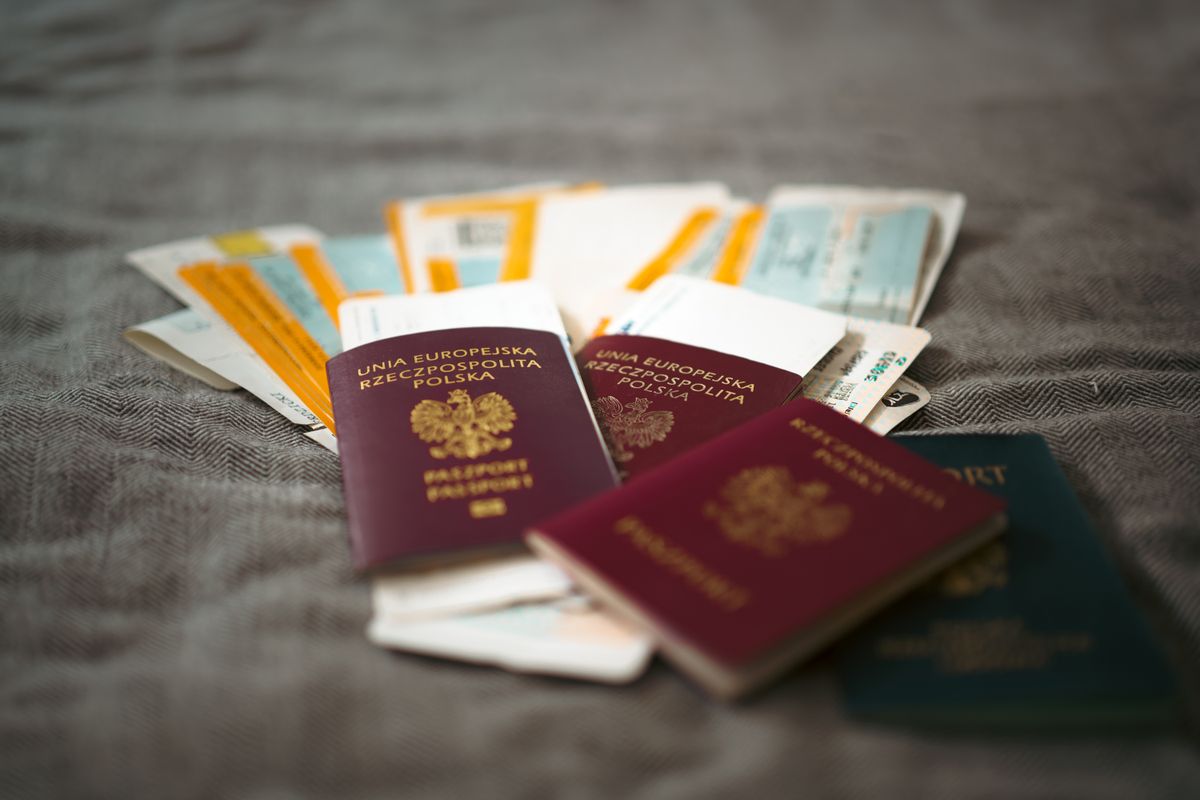
It sounds obvious, but a surprising number of trips get derailed at check-in over passport technicalities. Before you book anything, confirm your passport is:
- Valid for at least 6 months beyond your date of entry
- Has at least 2 blank pages for entry and exit stamps
If you’re cutting it close on either, renew now — passport processing times are the one thing you can’t rush at the airport.
One small thing that saves a headache at the gate: a slim passport holder keeps your passport, boarding pass, and a spare card together and protects the cover from getting battered in your bag.
What Immigration Is Actually Like on Arrival
For exempt travelers in 2026, the process at Incheon is refreshingly smooth. You’ll typically:
- Have your e-Arrival Card confirmation ready (a screenshot is fine)
- Queue for the foreign passport line at immigration
- Get fingerprinted and photographed at the desk — standard for most adult visitors
- Answer a quick question or two about where you’re staying and how long
Have your first hotel’s name and address handy; it’s the most common thing officers ask. Then you’re through to baggage claim, and the fun begins.
Sort These Three Things Before You Land
Once the paperwork’s handled, three small decisions make your first hours in Korea dramatically smoother. Locals take all of this for granted — but they’re the exact things first-timers scramble over after landing. Sort them before you fly.
1. Get online the second you step off the plane — eSIM
This is the one I push hardest on visiting friends. Korea runs on apps. You’ll lean on Naver Map or KakaoMap for directions (Google Maps is famously limited here), Kakao Taxi to get a cab, Papago to translate a menu, and the occasional reservation app for the restaurant you’ve been dreaming about.
The cleanest way to be connected the moment you land is an eSIM you install before departure and activate on arrival — no hunting for a SIM counter at 11 p.m., no swapping out your physical SIM and losing your home number. If your phone supports eSIM (most recent iPhones and Android flagships do), it’s the obvious choice.
New to eSIMs, or want to compare data plans and prices? Read our full breakdown: Best eSIM for Korea (2026 Comparison) →
2. Plan your airport-to-city transfer
Incheon International Airport sits about an hour from central Seoul, so this isn’t a quick taxi hop. Your main options are the AREX airport railway (cheapest and reliable), an airport limousine bus (convenient if your hotel is on a route), or a private transfer (easiest with luggage or after a long-haul flight).
Pre-booking an AREX express pass or a private transfer means you’re not fumbling with ticket machines and cash while running on no sleep.
3. Lock in where you’ll stay
First-timers usually base themselves in Myeongdong (central, shopping, easy transit), Hongdae (young, nightlife, indie cafés), or Gangnam (modern, business, upscale). Any of the three keeps you close to a subway line, which is what matters most.
Book earlier than you think you need to. Korea’s two peak windows — cherry-blossom season in spring and the fall foliage in October–November — fill the best-located rooms fast.
Still deciding on a neighborhood? Here’s our guide: Where to Stay in Seoul: Best Areas for First-Timers →
K-ETA vs e-Arrival Card vs Visa — at a Glance
| Who needs it (2026) | Cost | When | |
|---|---|---|---|
| Visa | Stays over 90 days, or non-exempt nationalities | Varies | Before travel |
| K-ETA | Not needed in 2026 (exempt) · required from 2027 | ~$10 | 72h+ before flight |
| e-Arrival Card | Everyone entering without a K-ETA | Free | Within 72h of flight |
Frequently Asked Questions
Do U.S. citizens need a visa to visit South Korea?
No. U.S. citizens can enter visa-free for up to 90 days for tourism. You don’t apply for anything in advance beyond the e-Arrival Card in 2026.
Do I need a K-ETA in 2026?
Not if you’re from one of the 67 currently exempt countries, which include the U.S., Canada, the UK, Australia, and most of Europe. The waiver runs through December 31, 2026.
Is the e-Arrival Card the same thing as the K-ETA?
No — they’re separate. In 2026 you skip the K-ETA but still must submit the free e-Arrival Card before immigration.
How early should I apply for the K-ETA once it’s required again in 2027?
Aim for at least 72 hours before departure. Approvals are often quicker, but you don’t want to be refreshing your inbox at the gate.
Do children need their own K-ETA or e-Arrival Card?
Yes — each traveler, including minors, needs their own submission. A parent can fill out a child’s form on their behalf.
Can I just pay one of those services to handle the e-Arrival Card?
You can, but there’s no reason to. The official form is free and takes five minutes. Third-party services simply charge you for something you can do yourself.
How much does the K-ETA cost once it’s required again?
About ₩10,000 (≈ $6.7), a one-time non-refundable fee. It becomes mandatory again for exempt-country travelers from January 1, 2027.
Your Pre-Flight Checklist
Run through these five and you’ll glide through immigration and straight into your trip:
- [ ] Passport valid 6+ months, with 2 blank pages
- [ ] K-ETA — only if you’re traveling in 2027 or later
- [ ] e-Arrival Card submitted (free, within 72 hours of your flight)
- [ ] eSIM installed and ready to activate on landing
- [ ] Airport transfer and your first nights’ accommodation booked
That’s genuinely all it takes for a 2026 trip. With the admin out of the way, the only thing left is the good part — deciding where to go. Start with our 10-Day South Korea Itinerary, which maps out Seoul, Busan, and Jeju for first-timers →
Korea Entry & K-ETA Prices at a Glance — as of July 26, 2026 (USD)
| Requirement | Who needs it (2026) | Local price | ≈ USD |
|---|---|---|---|
| K-ETA | Waived through Dec 31, 2026 for 67 exempt countries; mandatory again from Jan 1, 2027 | ₩10,000 | ≈ $6.8 |
| e-Arrival Card | Everyone entering without a K-ETA | Free | Free |
| Visa (non-exempt / stays over 90 days) | Non-exempt nationalities or long stays | Varies | Varies |
Entry rules and fees can change on short notice — confirm the current requirement on the official K-ETA site (k-eta.go.kr) before you book and again before you fly. (Checked July 26, 2026.)
Book your trip with live prices
Frequently Asked Questions
Do U.S. citizens need a visa to visit South Korea? No. U.S. citizens can enter visa-free for up to 90 days for tourism. You don’t apply for anything in advance beyond the free e-Arrival Card in 2026.
Do I need a K-ETA in 2026? Not if you’re from one of the 67 currently exempt countries, which include the U.S., Canada, the UK, Australia, and most of Europe. The waiver runs through December 31, 2026.
Is the e-Arrival Card the same thing as the K-ETA? No — they’re separate. In 2026 you skip the K-ETA but still must submit the free e-Arrival Card within 72 hours of your flight.
How early should I apply for the K-ETA once it’s required again in 2027? Aim for at least 72 hours before departure. Approvals are often quicker, but don’t count on same-day processing.
Do children need their own K-ETA or e-Arrival Card? Yes — each traveler, including minors, needs their own submission. A parent can fill out a child’s form on their behalf.
How much does the K-ETA cost once it’s required again? About ₩10,000 (≈ $6.8), a one-time non-refundable fee. It becomes mandatory again for exempt-country travelers from January 1, 2027.
This post contains affiliate links. If you buy through them, we may earn a small commission at no extra cost to you.
Entry requirements can change, sometimes on short notice. Always confirm the current rules on the official Korean government immigration website before you book and again before you fly.
Related Guides
- Best Things to Do in Gwangju
- Best Things to Do in Suwon
- Best Things to Do in Seoul
- Best Things to Do in Daegu
- How to Use the T-money Card and the Seoul Subway
- How to Stay Connected in South Korea
- How to Ride Korea’s KTX High-Speed Train
- Best Things to Do in Gyeongju
🎟️ Book Tours, Activities & Food Experiences
Search and book top attractions, tours and food experiences on Klook — official best price, instant confirmation.
Klook.com