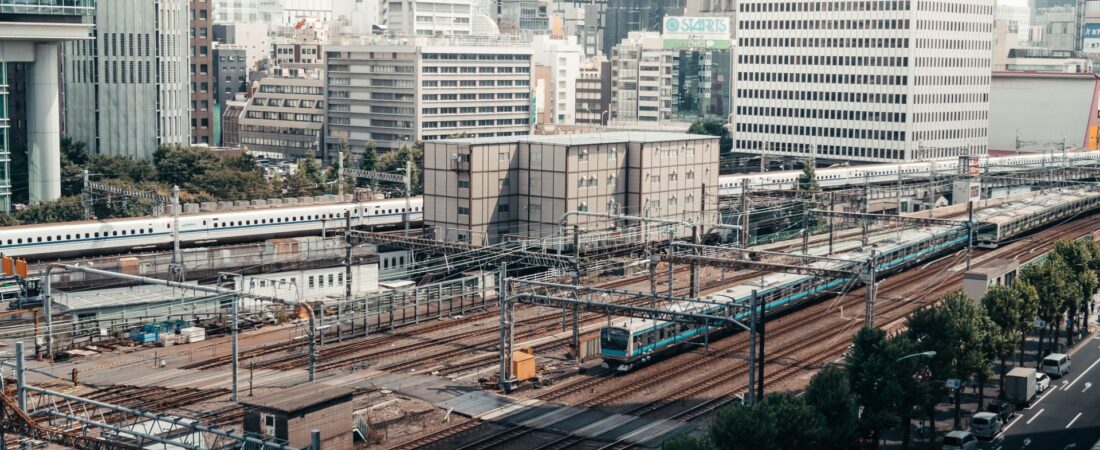
Japan has the best public transport on earth, and it can also be the most confusing thing about your trip if you arrive without a plan. Bullet trains, a dozen private railway companies, IC cards, the famous rail pass that may or may not be worth it anymore – it is a lot to sort out while jet-lagged at an airport kiosk.
Last updated: July 19, 2026 — fares and the JR Pass price change below are current as of this update; always confirm before booking.
The good news is that getting around Japan comes down to a few clear decisions. Make them before you fly and the country opens up like a well-oiled machine. This guide walks through every option a visitor will actually use, with real 2026 prices.
Quick summary
If you remember nothing else: buy or set up an IC card (Suica, PASMO, or ICOCA) for all your local trains and buses, use the Shinkansen for long hops between cities, and do the math on the Japan Rail Pass before assuming it saves money – for most short trips in 2026, it no longer does. Google Maps works beautifully for transit in Japan, so trust it for routes and platforms.
IC cards: the thing you set up first
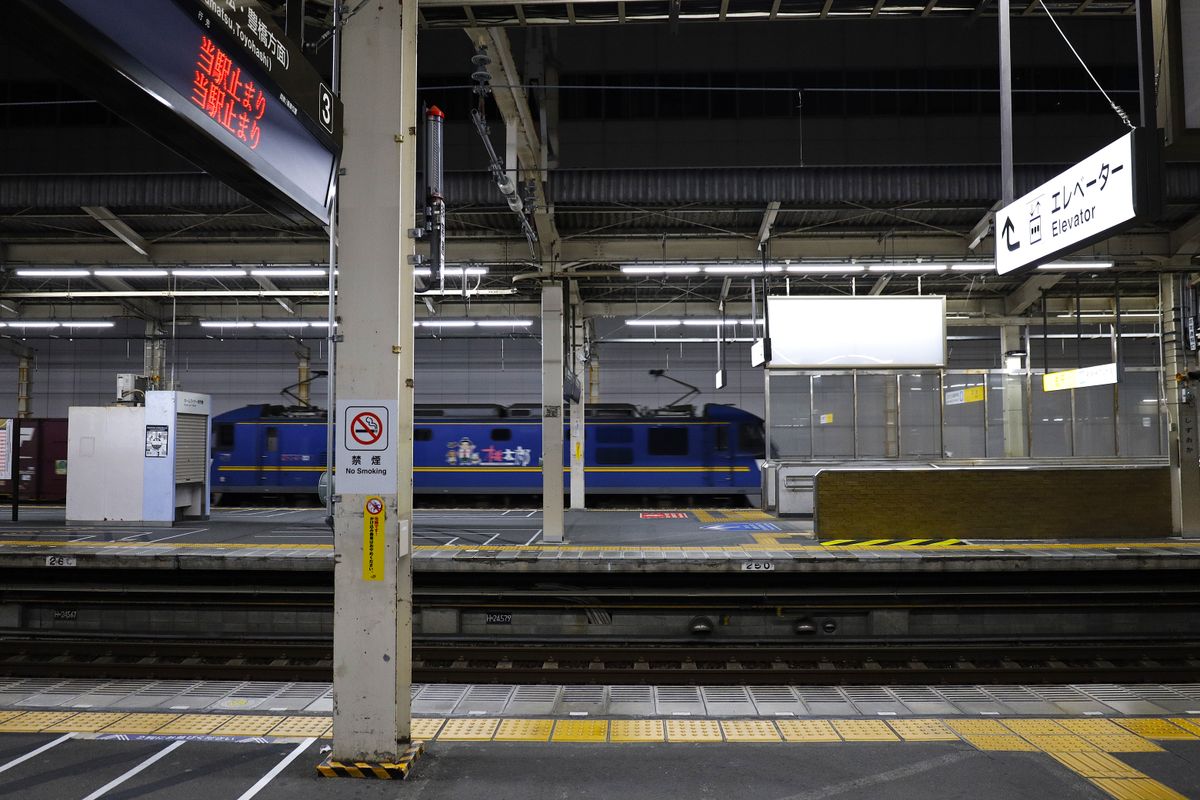
An IC card is a rechargeable tap-card that works on almost every train, subway, and bus across the country, plus convenience stores and vending machines. Suica, PASMO, and ICOCA are the big three, and they are essentially interchangeable – a Suica bought in Tokyo works in Osaka, Kyoto, and most other regions.
There are two ways to get one. The simplest in 2026 is a mobile IC card: add a Suica or PASMO to your phone’s wallet (iPhone supports this for everyone; many Android phones do too) and top it up with a card, no physical queue required. If you prefer plastic, you can buy a Welcome Suica or a standard IC card at airport and station counters, though periodic chip shortages have occasionally limited the unregistered cards, so the mobile version is the reliable bet.
Fares come straight off the balance when you tap in and out. A typical city ride is 170 to 320 yen. Load 3,000 to 5,000 yen to start and top up as you go. This single card removes about 90 percent of the friction of Japanese transport.
You will want your phone online to set up mobile Suica and to navigate, so sort data before you land.
A travel eSIM gets your phone connected the moment you touch down, which you need for mobile IC cards and Google Maps directions.
From the airport into the city
Your first transport decision happens before you have your bearings, so it helps to know it in advance.
If you land at Tokyo’s Narita, the Narita Express (N’EX) runs to Tokyo, Shinjuku, and Yokohama in about 60 to 90 minutes for roughly 3,000 to 3,250 yen, and there is a discounted round-trip ticket for visitors. The cheaper Keisei Skyliner reaches Ueno in about 45 minutes for around 2,600 yen. Haneda Airport sits much closer to central Tokyo – the monorail or Keikyu line gets you downtown in 20 to 30 minutes for well under 1,000 yen, which is why Haneda is the more convenient arrival when you have the choice.
For Kansai (Osaka and Kyoto), the Haruka express links Kansai Airport to Kyoto in about 80 minutes and to central Osaka faster. In every case your IC card works for the basic train fares, though the named limited-express services need a separate reserved ticket. Set the eSIM up first so you can check live departures the moment you clear customs.
The Shinkansen: how you cross the country
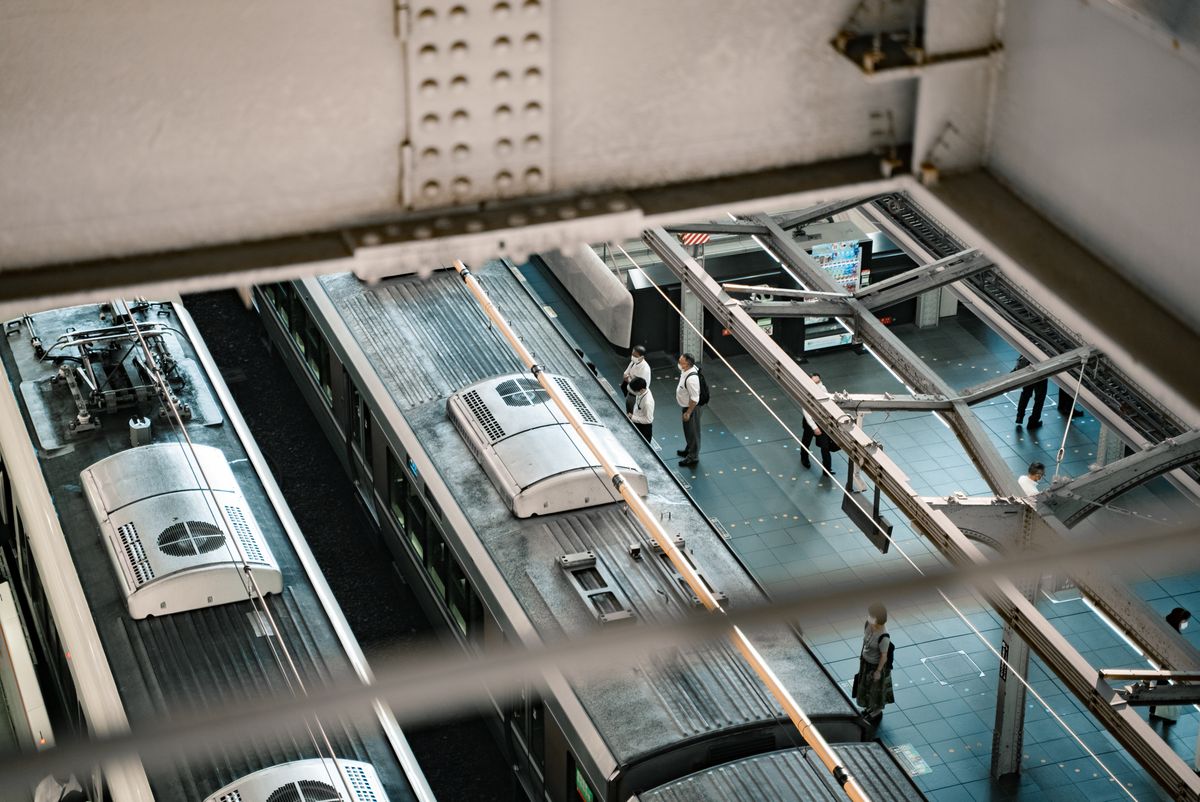
The Shinkansen, Japan’s bullet train network, is the reason you can base yourself in Tokyo and still see Kyoto, Osaka, or Hiroshima with ease. Trains hit 285 to 320 km/h, leave exactly on time, and are far more comfortable than flying once you count airport hassle.
Sample one-way fares in 2026: Tokyo to Kyoto runs about 14,000 yen and takes 2 hours 15 minutes. Tokyo to Osaka is similar. Tokyo to Hiroshima is around 19,000 yen. You can buy tickets at station machines, at the green JR ticket counters, or increasingly through apps and reserved-seat websites in English.
A practical tip: reserved seats cost a little more than non-reserved but guarantee you a spot, which matters during holidays and on popular routes. Each Shinkansen car has space at the rear for large suitcases, though on the busiest lines oversized luggage now requires a (free) reservation, so book that seat when you book the ride.
The Japan Rail Pass: worth it or not?
This is the question every visitor wrestles with, and the honest 2026 answer is: usually not, unless you are covering a lot of ground.
The nationwide JR Pass costs 50,000 yen for 7 days in ordinary class (70,000 for the Green Car), 80,000 yen for 14 days, and 100,000 yen for 21 days. Note that a price increase to 53,000 yen for the 7-day ordinary pass is scheduled for October 1, 2026, so check the current figure before you buy. Children 6 to 11 pay half.
Here is the math that matters. At 50,000 yen, a 7-day pass only pays off if you take a lot of long-distance JR travel within that week. A single Tokyo-Kyoto-Tokyo round trip is about 28,000 yen, so you would need substantial extra travel – say, continuing to Hiroshima or doing multiple intercity hops – to break even. If your trip is mostly Tokyo with one trip to Kyoto and back, individual Shinkansen tickets are cheaper.
When the pass does win: open-jaw, fast-paced itineraries that string together Tokyo, Kyoto, Osaka, Hiroshima, and beyond inside seven days. Regional JR passes (like the JR East or Kansai-area passes) are often the smarter buy for trips focused on one part of the country – they cost less and cover exactly where you are going.
Run your actual route through a fare calculator before deciding. If the total of your planned Shinkansen tickets beats the pass price, skip the pass.
City transport: subways, buses and trams
Within cities, the IC card does the heavy lifting.
Tokyo’s subway is dense and efficient but split between two operators (Tokyo Metro and Toei) plus JR lines – your IC card spans all of them, so you rarely need to think about it. Kyoto leans more on buses than trains, and a day can involve several bus rides; an IC card or a day pass covers them. Osaka, Sapporo, Fukuoka, and the rest all run on the same tap-and-go system.
A few city-specific notes: Kyoto buses get crowded and slow near major temples, so the subway or a bike is sometimes faster. In Tokyo, rush hour (roughly 7:30 to 9:00 am) is genuinely packed – avoid hauling luggage through it. For deeper city planning, our guide to things to do in Tokyo maps out which neighborhoods cluster together so you ride less.
Taxis, buses and the long-distance alternatives
Taxis in Japan are spotless and reliable but pricey: flag fall is around 500 yen and it climbs quickly, so they are best for short hops, late nights, or when you are loaded with bags. The GO taxi app works in major cities and removes the language barrier.
For budget travelers, long-distance highway buses connect cities overnight for a fraction of Shinkansen fares – Tokyo to Osaka can be 4,000 to 8,000 yen on a night bus versus 14,000 by train. You trade speed and comfort for savings.
Domestic flights make sense only for long jumps, like Tokyo to Sapporo or Okinawa, where the Shinkansen does not reach or would take all day.
Luggage forwarding: Japan’s secret weapon
One service that transforms travel here is takkyubin, same-day or next-day luggage forwarding. Hand your suitcase to a convenience store or hotel desk and it arrives at your next hotel for around 2,000 yen, so you ride the trains with just a daypack. For anyone doing the Tokyo-Kyoto-Osaka loop, this is a game changer.
A compact daypack makes luggage forwarding work, so you carry only what you need for the train day.
Should you book tours or go independent?
Japan is one of the easiest countries in the world to navigate solo, so you do not need tours for basic transport. Where guided experiences earn their keep is for things that are hard to reach or hard to understand on your own – a day trip to Mount Fuji and Hakone, a Nara deer-park excursion, or a food walk through Osaka’s backstreets.
For day trips beyond the train network and skip-the-line tickets, comparing organized tours saves planning time.
Our Kyoto temple guide pairs well with this if you would rather build those days yourself.
What about renting a car?
For most Japan trips, the answer is no – the trains are faster, cheaper, and far less stressful than driving in dense cities where parking is scarce and expensive. But there are real exceptions where a car transforms the trip. Rural regions with thin train service reward drivers: Hokkaido’s wide open landscapes, the Japan Alps and rural Nagano, the Noto Peninsula, and much of Kyushu and Shikoku are genuinely easier by car. Families and travelers who want to chase onsen towns or coastal drives off the rail map will appreciate the freedom.
The practical points: you must carry an International Driving Permit obtained in your home country before you travel, alongside your home license – Japan does not issue them on arrival, and a small number of countries (including Germany, France, and Switzerland) need an official Japanese translation instead. Japan drives on the left, road signs use international symbols with English on major routes, and the car navigation systems usually offer English and accept a phone number or map code to set a destination. Tolls on the expressways add up, so an ETC card (often rentable with the car) saves both money and fumbling at booths. For a city-based trip, skip the car entirely; for a rural loop, it can be the best decision you make.
A few etiquette notes that smooth the ride
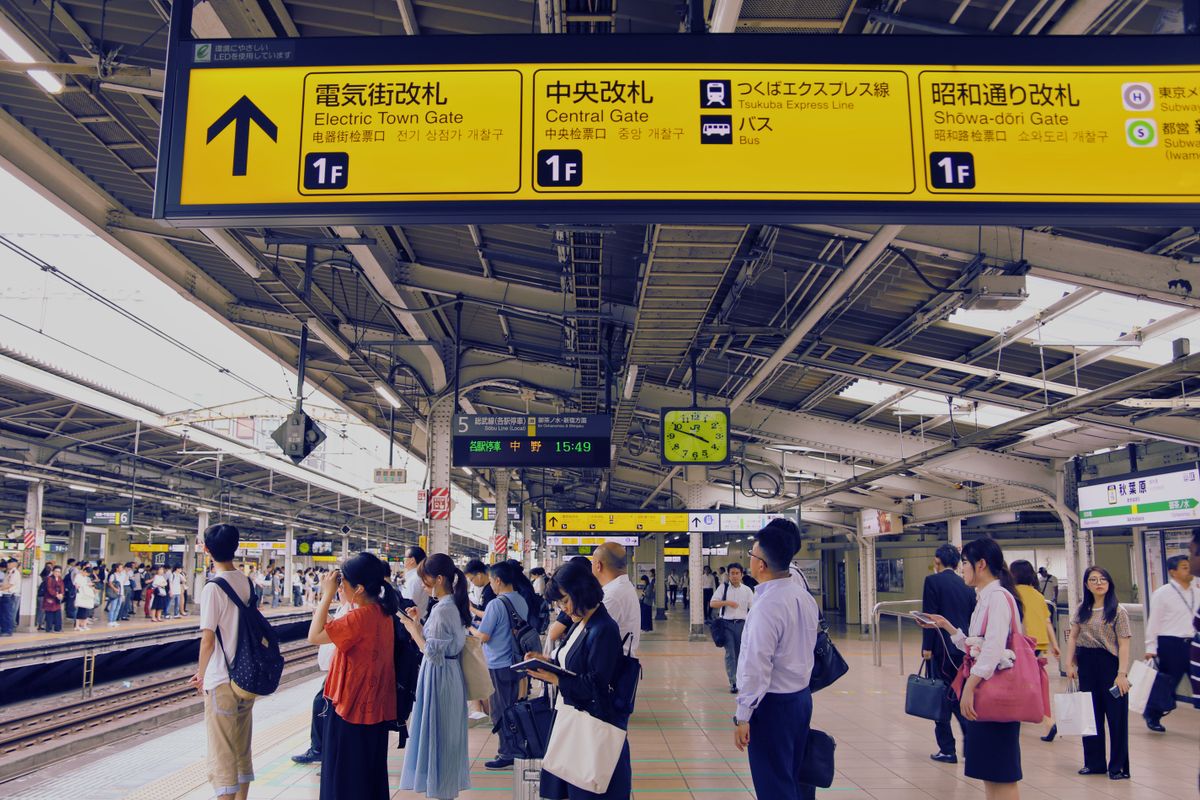
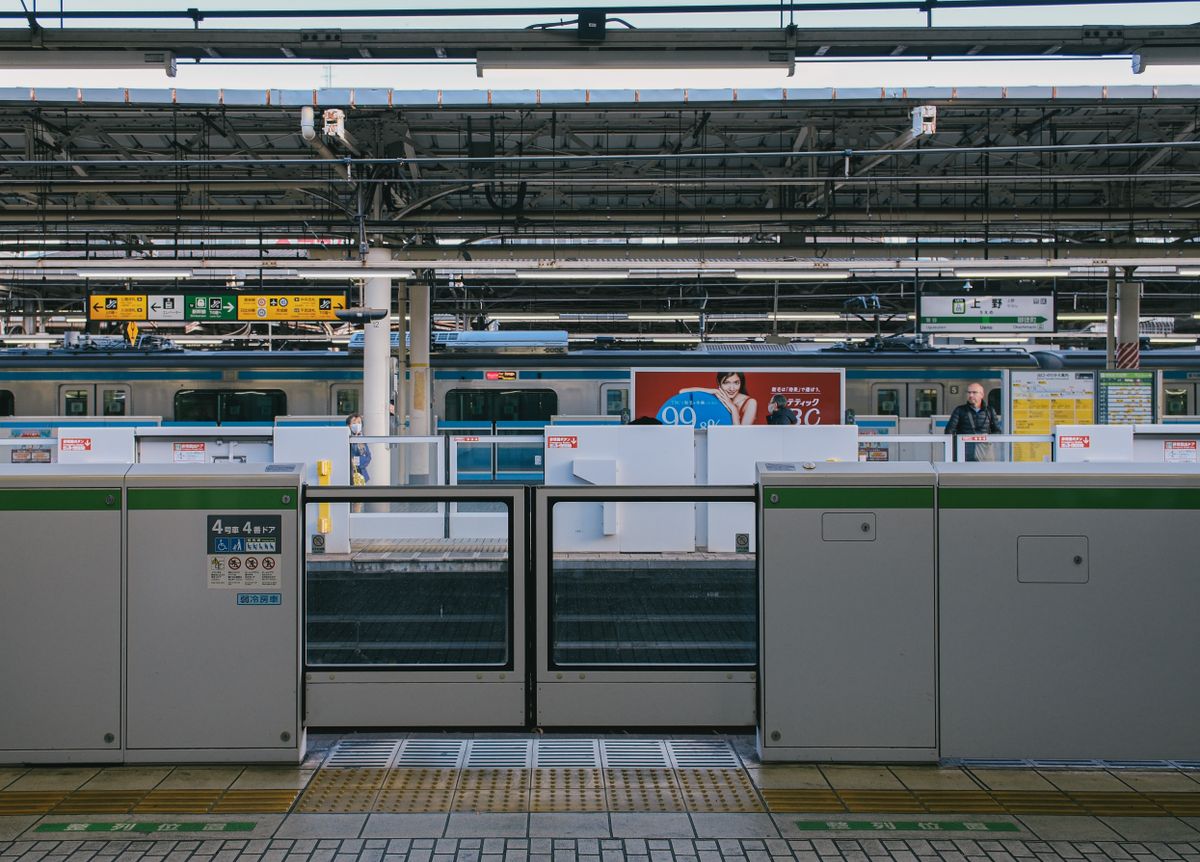
Japanese transport runs on quiet courtesy, and matching it makes everything easier. Trains are near-silent: phones go on silent mode, calls are not taken on board, and conversation stays low. There are designated areas to queue on platforms – line up on the painted markers and let passengers off before you board. Backpacks come off and go in front of you or on the rack during crowds. Eating is fine on long-distance Shinkansen (the ekiben boxed meals are a ritual) but frowned upon on commuter trains. None of this is enforced with fines; it is simply how the system stays so pleasant, and visitors who follow the rhythm blend right in.
One more practical habit: stand on the correct side of the escalator. In Tokyo you stand on the left and walk on the right; in Osaka it flips. Locals will quietly flow around you if you get it wrong, but it is an easy courtesy to get right.
Pre-trip transport checklist
- Set up a mobile Suica or PASMO, or plan to buy an IC card on arrival
- Arrange an eSIM so your phone is online for maps and mobile IC cards
- Run your route through a JR fare calculator before buying any pass
- Reserve Shinkansen seats (and oversized-luggage space) for busy dates
- Download Google Maps and the GO taxi app
- Consider takkyubin luggage forwarding for multi-city loops
- Avoid Tokyo rush hour with suitcases in tow
Sort the IC card and the rail-pass question before you fly, and the rest of Japan’s transport simply works. Tap in, trust the map, and let the best train system in the world do the rest.
Japan Transport Prices at a Glance — as of July 19, 2026 (USD)
IC cards & city rides
| Item | Local price | ≈ USD |
|---|---|---|
| Typical city IC card ride (Suica/PASMO/ICOCA) | ¥170–320 | $1.0–$2.0 |
| IC card starter load | ¥3,000–5,000 | $19–$31 |
| Welcome Suica (tourist card, no deposit) | ¥1,000–10,000 loaded | $6–$62 |
Airport transfers
| Route | Local price | ≈ USD |
|---|---|---|
| Narita Express (N’EX) to Tokyo/Shinjuku | ¥3,070–3,840 | $19–$24 |
| Keisei Skyliner to Ueno | ¥2,470 | $15 |
| Haneda monorail / Keikyu to central Tokyo | ¥330–520 | $2.0–$3.2 |
Shinkansen (bullet train)
| Route | Local price | ≈ USD |
|---|---|---|
| Tokyo → Kyoto (one-way) | ¥13,850–14,170 | ≈$85–$87 |
| Tokyo → Hiroshima (one-way) | ≈¥19,000 | ≈$117 |
Japan Rail Pass
| Pass | Local price | ≈ USD |
|---|---|---|
| 7-day ordinary (official site, through at least Sep 30, 2026) | ¥50,000 | $309 |
| 7-day ordinary (from Oct 1, 2026, overseas agents) | ¥53,000 | $327 |
| 14-day ordinary (official site) | ¥80,000 | $494 |
| 14-day ordinary (from Oct 1, 2026, overseas agents) | ¥84,000 | $519 |
| 21-day ordinary (official site) | ¥100,000 | $617 |
| 21-day ordinary (from Oct 1, 2026, overseas agents) | ¥105,000 | $648 |
Taxis, buses & luggage forwarding
| Item | Local price | ≈ USD |
|---|---|---|
| Taxi flag fall | ¥500 | $3.1 |
| Overnight highway bus, Tokyo–Osaka | ¥4,000–8,000 | $25–$49 |
| Takkyubin luggage forwarding (per bag) | ¥2,000 | $12 |
Prices vary by season, day of week, and demand — confirm the current fare or pass price before booking. (Checked July 19, 2026.)
Book your trip with live prices
Frequently Asked Questions
Do I need the Japan Rail Pass in 2026?
Probably not, unless your itinerary involves heavy long-distance JR travel in a single week. Bought on the official site it is ¥50,000 for 7 days, ¥80,000 for 14, and ¥100,000 for 21 — but overseas-agency purchases rise to ¥53,000/¥84,000/¥105,000 from October 1, 2026. For a Tokyo-plus-Kyoto trip, individual Shinkansen tickets are usually cheaper. Always run your real route through a fare calculator first.
What is the difference between Suica, PASMO, and ICOCA?
Almost nothing for a traveler. All three are rechargeable IC cards that work nationwide and on each other’s networks. Get whichever is easiest — usually a mobile Suica or PASMO added to your phone, or a Welcome Suica card at the airport.
Can I use Google Maps for trains in Japan?
Yes, and you should. Unlike in Korea, Google Maps gives accurate Japanese transit directions, platforms, and real-time times.
How much should I budget for transport?
For a typical 7-to-10-day trip mixing cities, expect ¥20,000 to ¥45,000 (about $123–$278) in total transport if you skip the rail pass, more if you cover long distances by Shinkansen.
Is it easy to travel Japan without speaking Japanese?
Very. Signs and ticket machines have English, IC cards remove most interactions, and apps handle the rest.
This post contains affiliate links. If you buy or book through them, we may earn a small commission at no extra cost to you.
Related Guides
- Best Things to Do in Tokyo
- Best Things to Do in Kobe
- Best Things to Do in Fukuoka
- Best Things to Do in Osaka
- How to Get and Use the JR Pass in Japan
- How to Ride Taiwan's High-Speed Rail
🎟️ Book Tours, Activities & Food Experiences
Search and book top attractions, tours and food experiences on Klook — official best price, instant confirmation.
Klook.com