This post contains affiliate links. If you book or buy through them, we may earn a small commission at no extra cost to you.
Written from Seoul, last updated July 2026
Top Attractions in Seoul
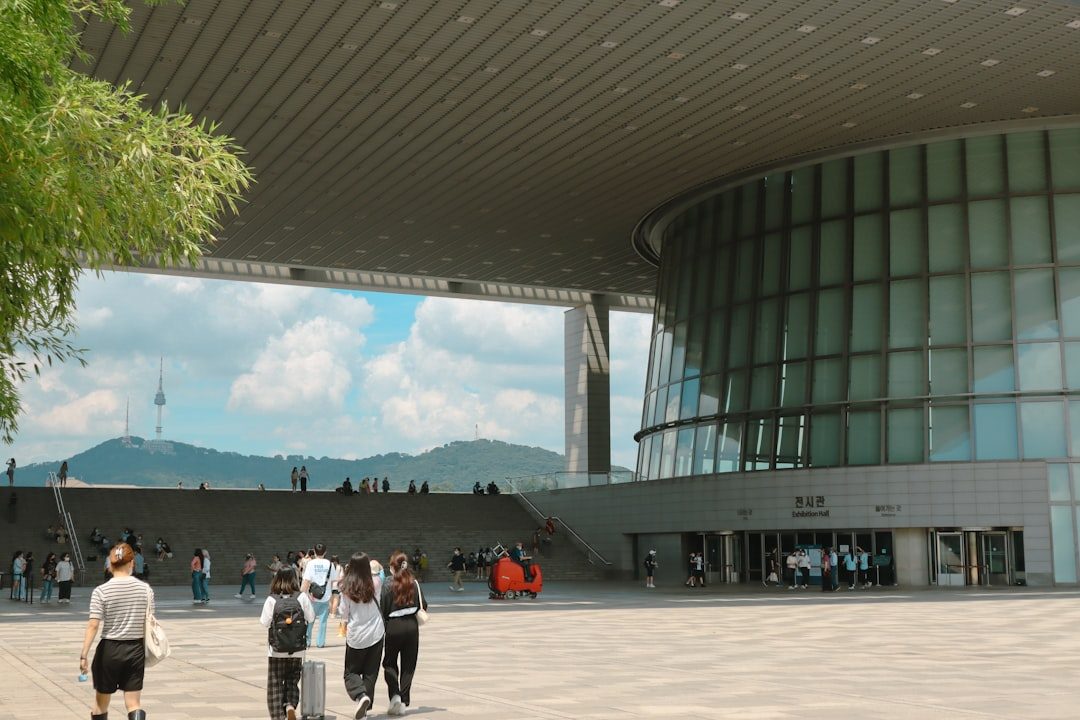
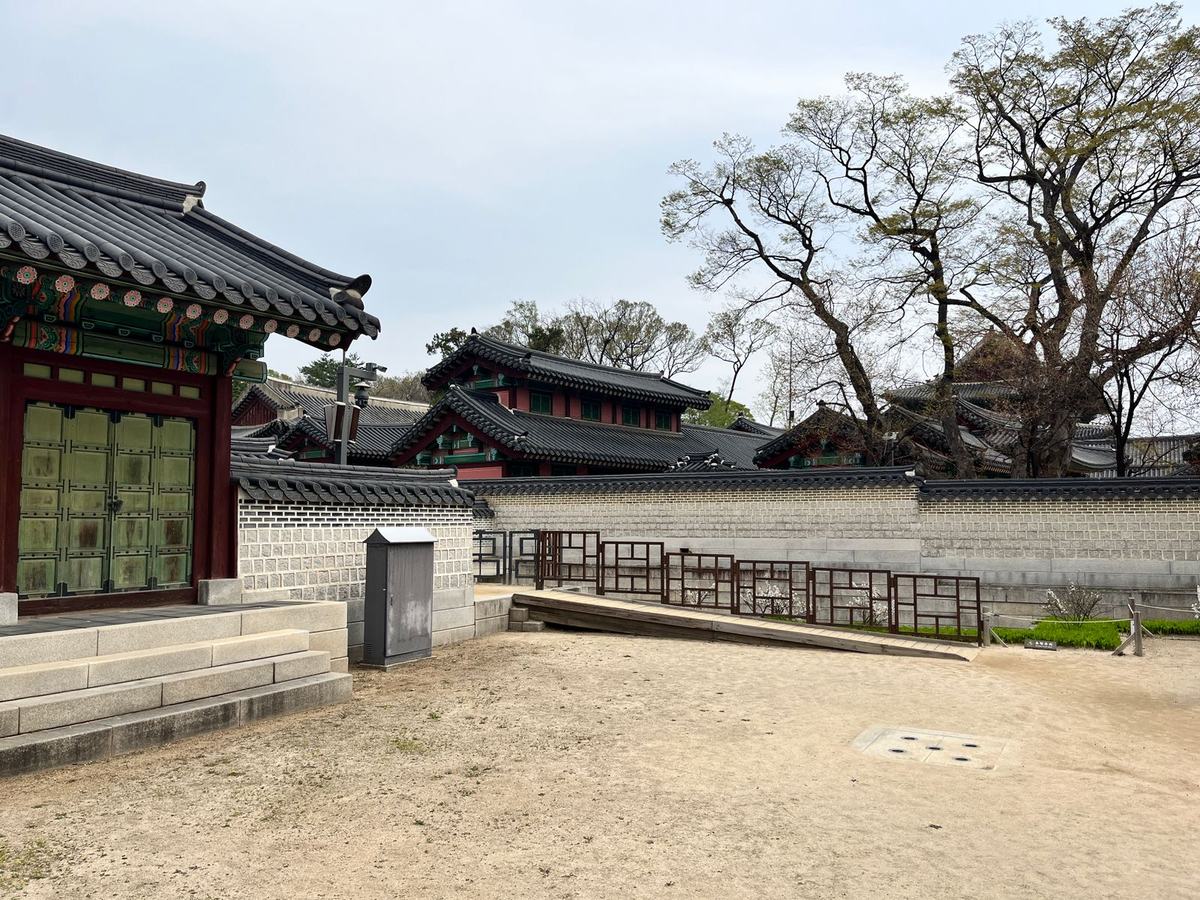
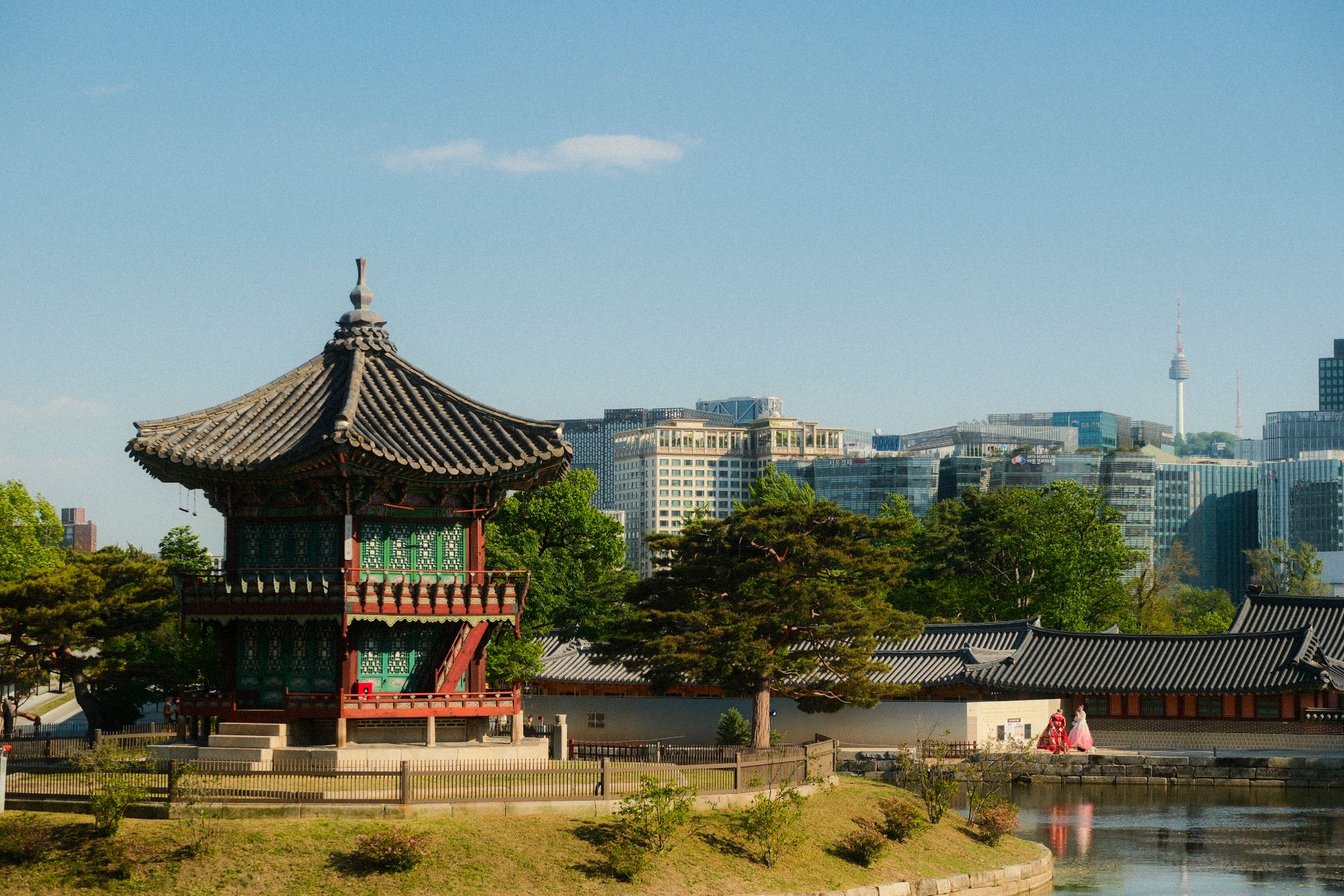
Tap a landmark for its full 2026 guide — tickets, hours and how to get there.
Top Attractions in Seoul
Tap a landmark for its full 2026 guide — tickets, hours and how to get there.
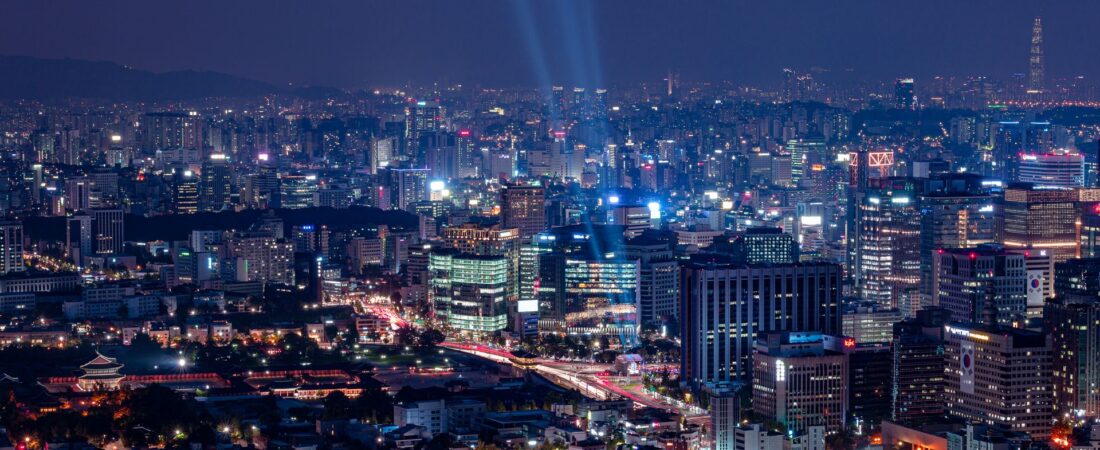
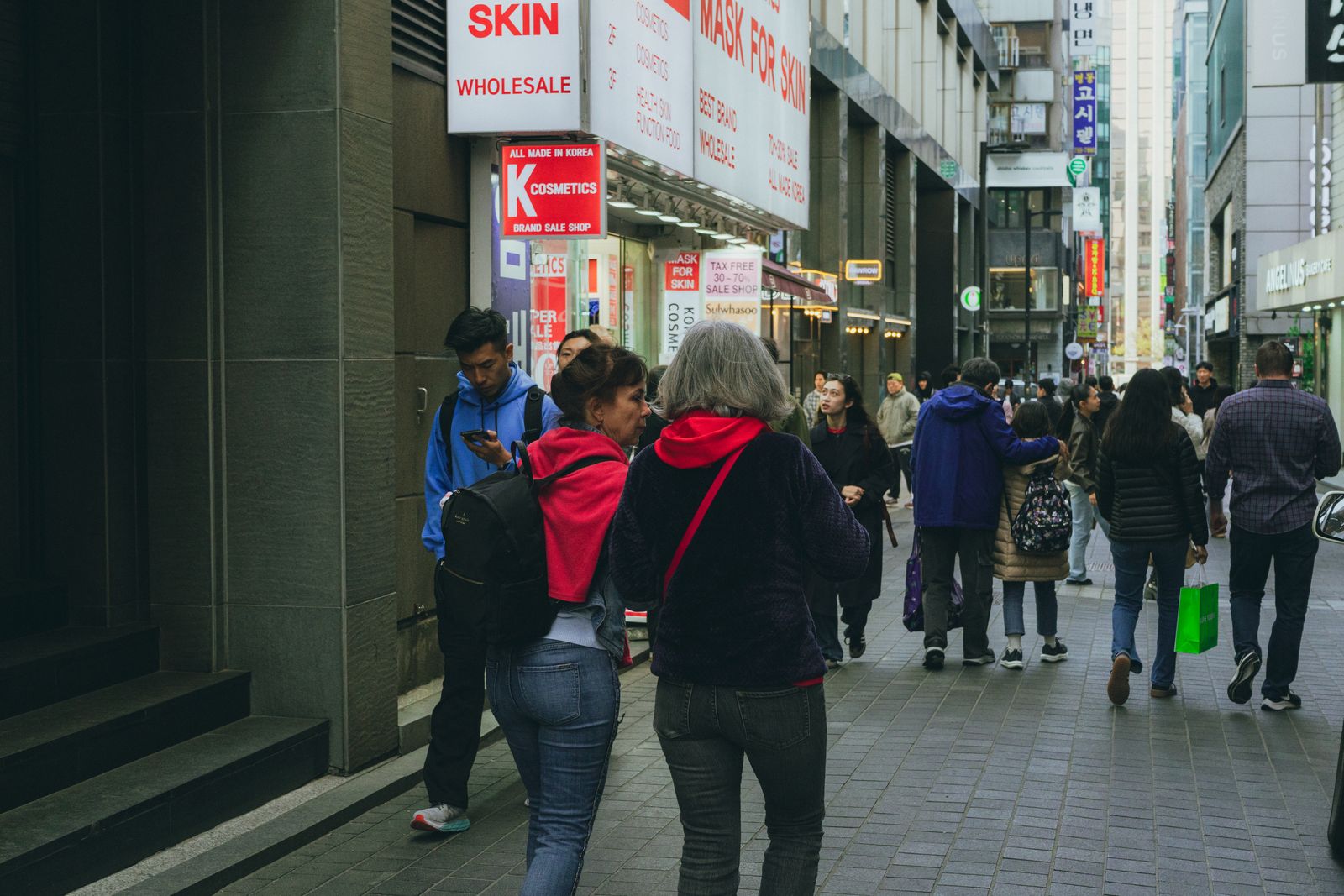
Seoul is the kind of city that rearranges your idea of what a capital can be. One block is a 600-year-old palace with guards in Joseon-era robes; the next is a neon canyon of skincare shops and 24-hour cafes. I’ve lived here for years and walked plenty of jet-lagged visitors through their first few days, so this is the list I actually hand them – the places worth your limited time, in the order that makes sense.
Plan on 4 to 5 days to cover the highlights without sprinting. Here’s how to spend them.
💡 Prices checked on July 12, 2026. Fees and hours change seasonally — always confirm on the official site or the booking widget below before you visit.
| Item | Cost | Notes & source (checked) |
|---|---|---|
| Gyeongbokgung Palace | ₩3,000 (≈ $2.0) | Adult; free if wearing hanbok. Other palaces similar. — Korea Heritage Service |
| N Seoul Tower observatory | ₩29,000 (≈ $19) | Adult, on-site price (often cheaper booked online); Namsan cable car extra. — N Seoul Tower official |
| Seoul Sky (Lotte World Tower) | ₩31,000 (≈ $21) | Adult, ages 13+. — VisitKorea / Seoul Sky official |
| Gwangjang Market | Free | Street-food market — free to enter, pay per dish. — Visit Seoul |
| Seoul metro base fare (T-money) | ₩1,550 (≈ $1.0) | First 10 km; +₩100 (≈ $0.1) per extra 5 km (single ticket ₩1,650 (≈ $1.1)). — Seoul Metro / T-money 2026 |
Book Tours & Activities in Seoul
Start with the Palaces: Gyeongbokgung and Bukchon
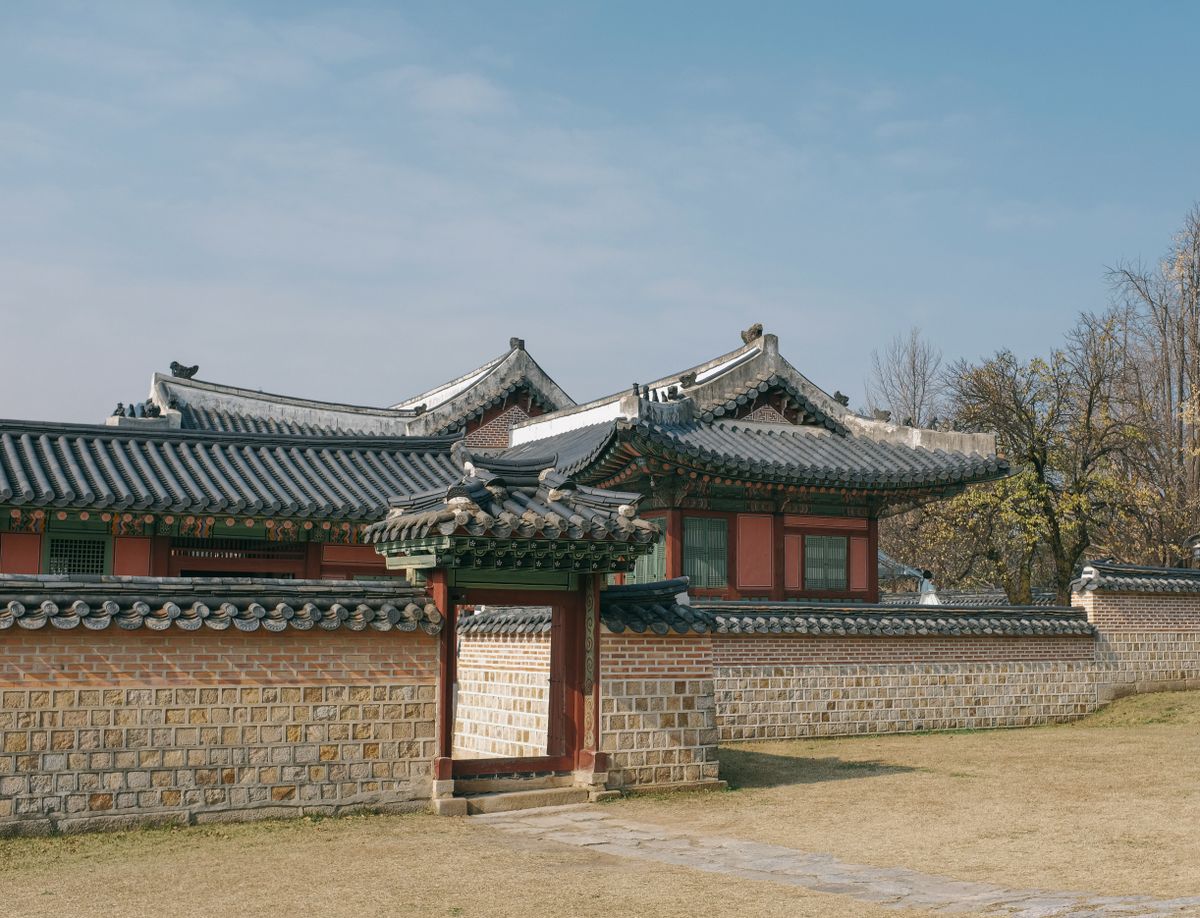
If you do one “historic Seoul” morning, make it this one. Gyeongbokgung, the grandest of the city’s five royal palaces, dates to 1395 and still runs free English guided tours. Time your visit for the changing of the guard ceremony around 10:00 AM – it’s genuinely worth catching, and it’s free. Rent a hanbok (traditional dress) from a shop near the gate and your palace entry is waived, which is why you’ll see so many visitors in flowing silk taking photos in the courtyards.
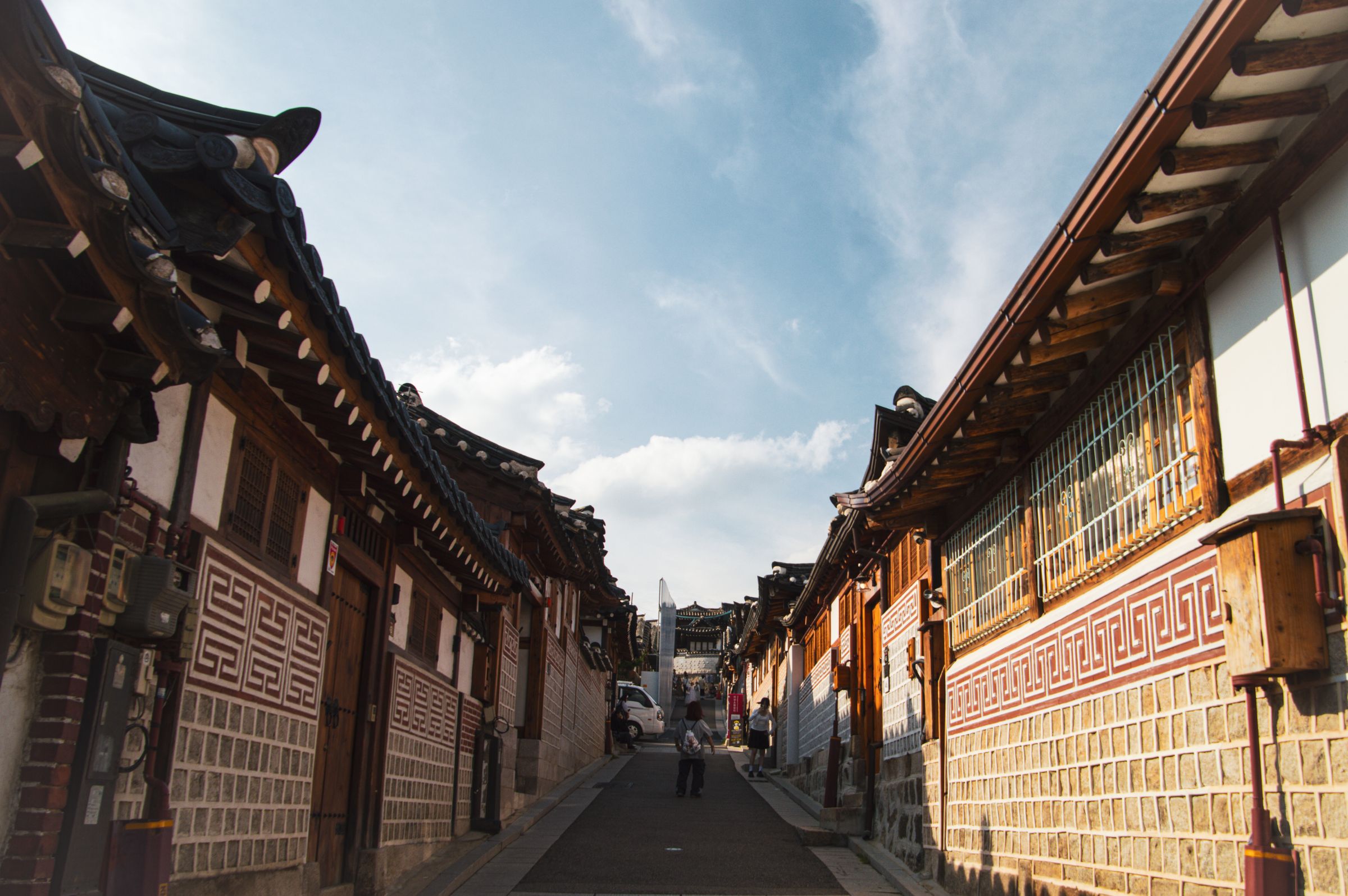
A ten-minute walk uphill puts you in Bukchon Hanok Village, a living neighborhood of more than 900 traditional tiled-roof houses wedged between two palaces. The lane called Bukchon 8-gil gives you Seoul’s signature shot: curved hanok rooftops with the modern skyline stacked behind them. People still live here, so keep your voice down and stick to the marked paths.
Get the View from Namsan and Seoul Sky
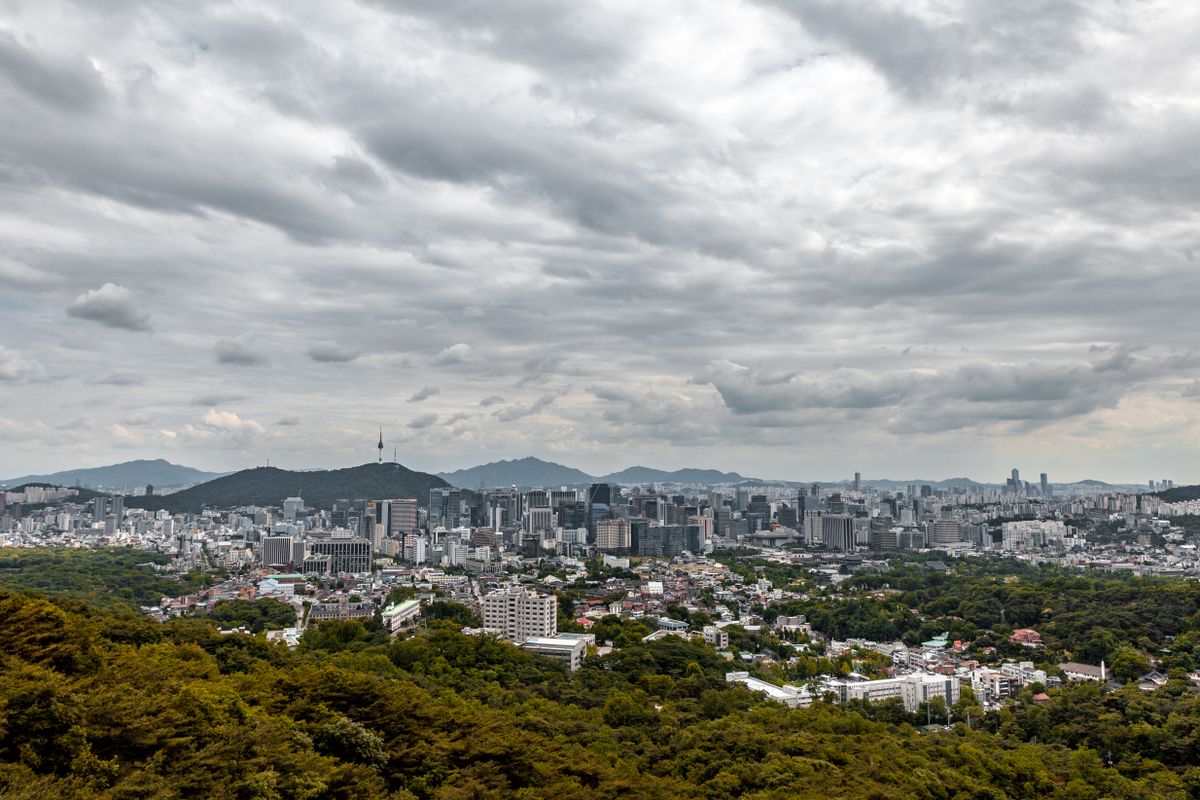
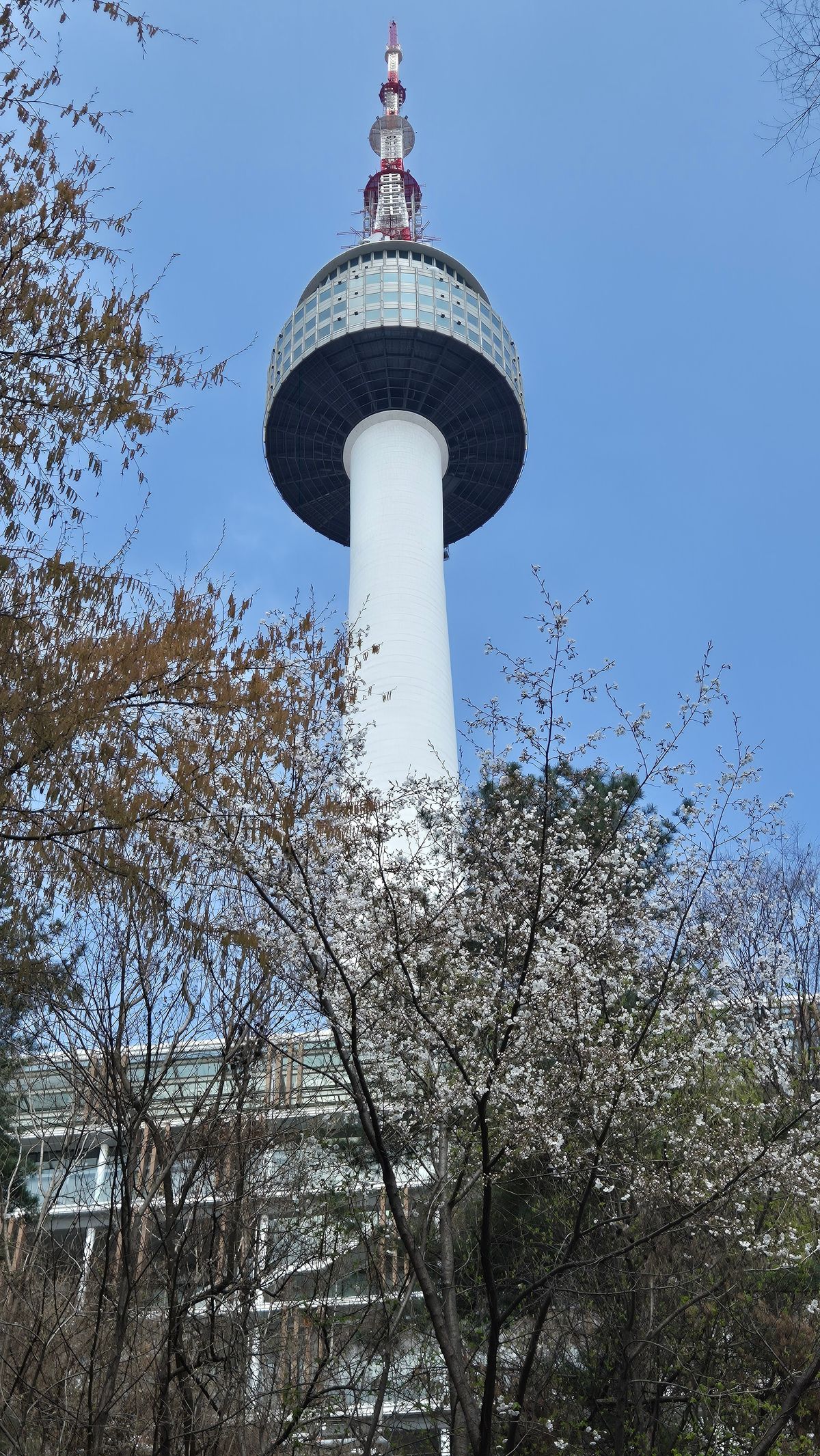
To understand how enormous Seoul really is, you need height. Namsan Park sits in the middle of the city, and a cable car carries you up to N Seoul Tower for a 360-degree sweep of the skyline. Go near sunset and stay for the lights – the city flattening out to the mountains in every direction is the moment most people remember.
For an even higher vantage point, Seoul Sky at the Lotte World Tower (one of the tallest buildings on earth) has a glass-floored observation deck that isn’t for the faint of heart.
Pick Your Neighborhoods
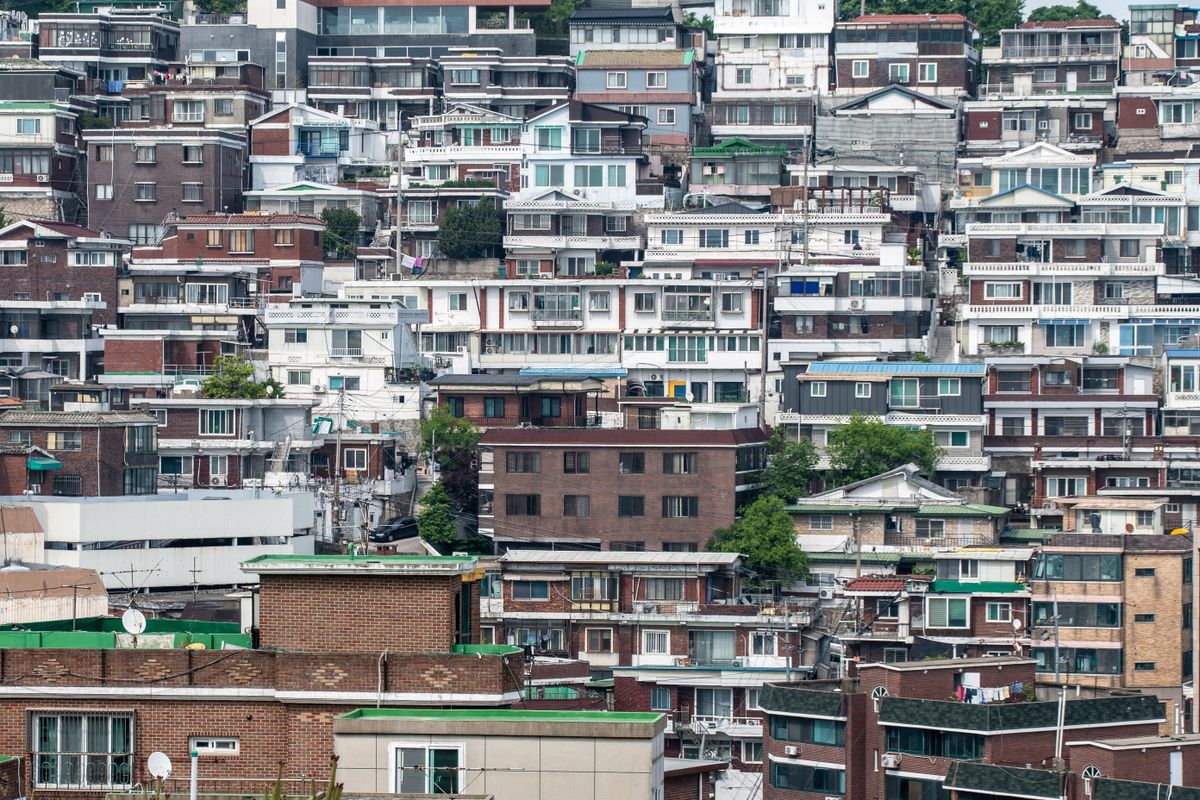
Seoul rewards wandering, and each district has its own personality. Don’t try to do all of them – choose two or three that match your mood.
- Hongdae is the young, creative heart: street performers, indie shops, and nightlife that runs late.
- Insadong is where traditional meets contemporary, with tea houses, galleries, and alleys where you can try making hanji paper or pottery.
- Seongsu-dong is the city’s current darling, an old industrial quarter now full of warehouse cafes and concept stores. Every 2026 guide calls it the “Brooklyn of Seoul,” and for once the cliche fits.
- Gangnam is the polished side – luxury shopping up front, excellent local restaurants hidden in the backstreets.
Eat Your Way Through Gwangjang Market
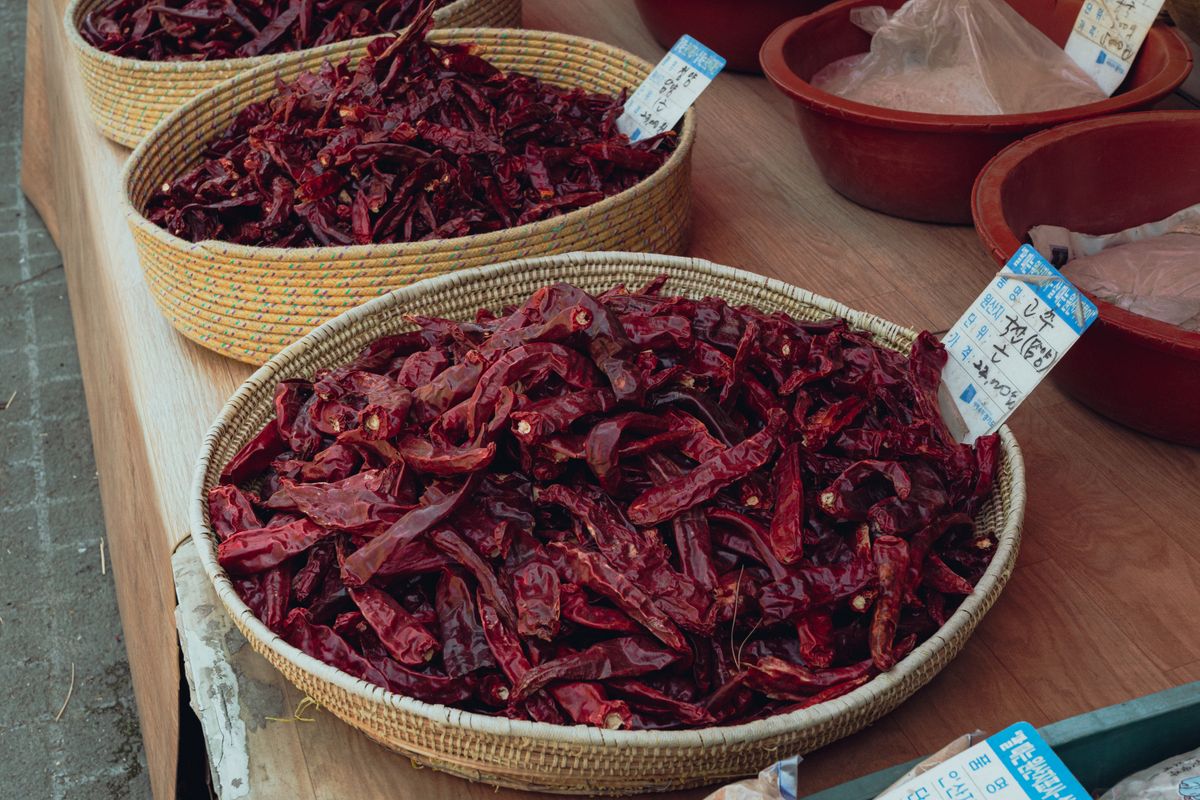
Seoul’s food scene deserves its own trip, but if you only hit one market, make it Gwangjang Market, the oldest and most famous. Push into the food alley and order bindaetteok (crispy mung-bean pancakes), mayak gimbap (the “addictive” mini rice rolls), and, if you’re game, yukhoe (Korean beef tartare). Bring cash and an appetite.
Where to Stay in Seoul
For a first visit, base yourself somewhere central and on a subway line. Myeongdong puts you in the middle of everything with easy airport access; Hongdae suits travelers who want nightlife and younger energy; Gangnam is calmer and more upscale. Any of the three keeps you within a short ride of the major sights.
Book earlier than you think you need to – Seoul’s spring blossom season and fall foliage weeks fill the best-located rooms fast.
Getting Around (Two Things to Set Up First)
Two small steps make Seoul effortless. First, buy a T-money card at any convenience store or station machine and load it with cash – it works on every subway and bus, and the system is clean, cheap, and famously on time. Second, skip Google Maps for navigation here; it only gives limited transit directions. Download Naver Map (or KakaoMap) instead – it’s what locals use and it handles walking and transit routes properly.
A Sample 4-Day Plan
- Day 1: Gyeongbokgung + Bukchon + Insadong, sunset at N Seoul Tower
- Day 2: Gwangjang Market, Dongdaemun, evening in Hongdae
- Day 3: Seongsu-dong cafes, Seoul Sky, shopping in Myeongdong
- Day 4: Day trip (the DMZ or a palace you missed), final stroll along the Han River
Frequently Asked Questions
How many days do you need in Seoul?
Four to five days covers the major sights, two or three neighborhoods, and a day trip. A full week lets you go deeper into food and nightlife without rushing.
Is Seoul expensive?
Less than most major Western capitals. Subway rides and street food are cheap; mid-range hotels and sit-down meals are reasonable. Your biggest costs are usually accommodation and shopping.
What’s the best time to visit Seoul?
Spring (April to May) for cherry blossoms and fall (October to November) for foliage are the sweet spots – mild weather and the city at its prettiest. Summers are hot and humid; winters are cold but clear.
Do I need to speak Korean?
No. Signs and subway announcements include English, and translation apps cover the rest. A few polite words go a long way, though.
Final Word
Seoul packs centuries of history and the most online culture on earth into one walkable, late-night city. Hit the palaces in the morning, wander a neighborhood by afternoon, and eat well after dark, and you’ll leave already planning a second trip.
This post contains affiliate links. If you book through them, we may earn a small commission at no extra cost to you. See our disclosure for details.
Related Guides
- Best Things to Do in Daegu
- Best Things to Do in Busan
- Best Things to Do in Pohang
- Best Things to Do in Gwangju
- How to Use the T-money Card and the Seoul Subway
- Do I Need a K-ETA to Visit Korea?
Related Guides
- Best Things to Do in Andong
- Best Things to Do in Sokcho
- Best Things to Do in Gangneung
- How to Use the T-money Card and the Seoul Subway
- Do I Need a K-ETA to Visit Korea?
- How to Stay Connected in South Korea
🎟️ Book Tours, Activities & Food Experiences
Search and book top attractions, tours and food experiences on Klook — official best price, instant confirmation.
Klook.com