Related Guides
- Best Things to Do in Yeosu
- Best Things to Do in Suwon
- Best Things to Do in Andong
- Best Things to Do in Gangneung
- How to Use the T-money Card and the Seoul Subway
- Do I Need a K-ETA to Visit Korea?
Related Guides
- Best Things to Do in Suwon
- Best Things to Do in Busan
- Best Things to Do in Gyeongju
- How to Use the T-money Card and the Seoul Subway
- Do I Need a K-ETA to Visit Korea?
- How to Stay Connected in South Korea
Disclosure: This post contains affiliate links. If you book a hotel or buy something through them, I may earn a small commission at no extra cost to you. It helps keep this site running, and I only point to things I would genuinely use myself. Thank you for the support.
Last updated: July 2026 · prices checked 13 Jul 2026
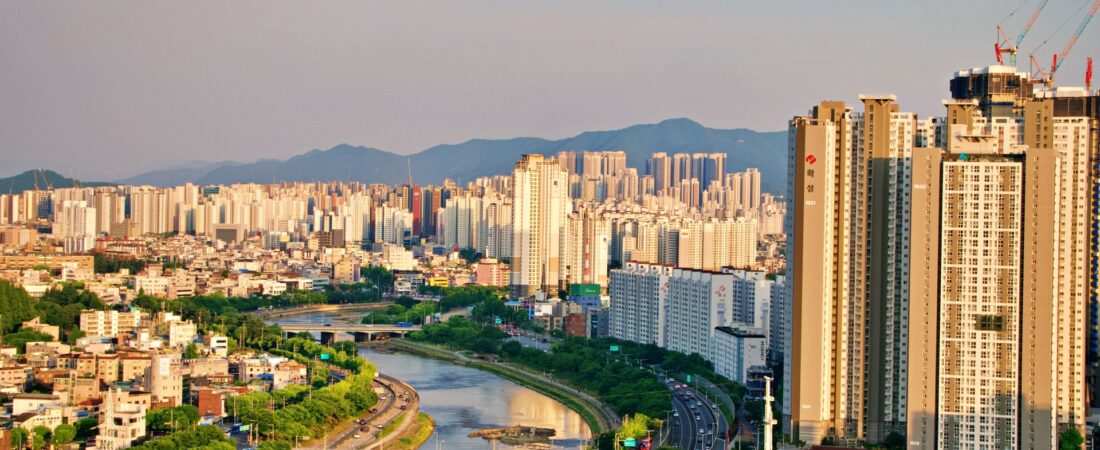
Daegu is South Korea’s fourth-largest city, tucked into a basin between mountains in the country’s southeast, and it has long had a reputation for two things: brutally hot summers and a proud, independent streak. Travelers tend to skip it on the rush between Seoul and Busan, which is exactly why it is worth a stop. This is a city of sprawling traditional medicine markets, buzzing night-food alleys, apostle-era churches, and mountain temples a cable car ride from downtown – all without the crowds and prices of the bigger hubs.
It is also gloriously easy to reach: the KTX from Seoul takes under two hours, and Busan is less than an hour away, so Daegu slots neatly into almost any itinerary. Give it a full day and you will find one of Korea’s most underrated urban stops. Here is how I would spend the time.
Quick Cost Overview: Daegu Attractions & Transport
Prices change with season, day of week, and demand. The fares below were checked on 13 July 2026 against official sources – always confirm the current price on the official site or booking system before you go. USD figures are approximate, converted at 1 USD ≈ 1,501 KRW (13 Jul 2026).
| Attraction | Adult price | Notes / source (checked) |
|---|---|---|
| Apsan Cable Car (round-trip) | ₩14,000 (≈ $9.3) | Child ₩10,000 (≈ $6.7); one-way ₩10,000. Source: VISITKOREA / KTO – checked 2026-07-13 |
| E-World 83 Tower Observatory | ₩15,000 (≈ $10) | Child ₩12,000 (≈ $8.0); open 11:00–20:30. Source: VISITKOREA / KTO – checked 2026-07-13 |
| Seomun Night Market | Free entry | Pay per food stall (bring cash). Checked 2026-07-13 |
| Yangnyeongsi Herbal Medicine Market | Free to wander | Museum has a small separate fee – confirm on site. Checked 2026-07-13 |
| Kim Kwang-seok St. & Modern History alleys | Free | Open-air streets. Checked 2026-07-13 |
| Suseong Lake | Free | Swan-boat rental extra. Checked 2026-07-13 |
| Haeinsa Temple (day trip) | No admission fee | National-park temple heritage admission waived since 2023; confirm current status. Source: VISITKOREA – checked 2026-07-13 |
Wander the Seomun Night Market
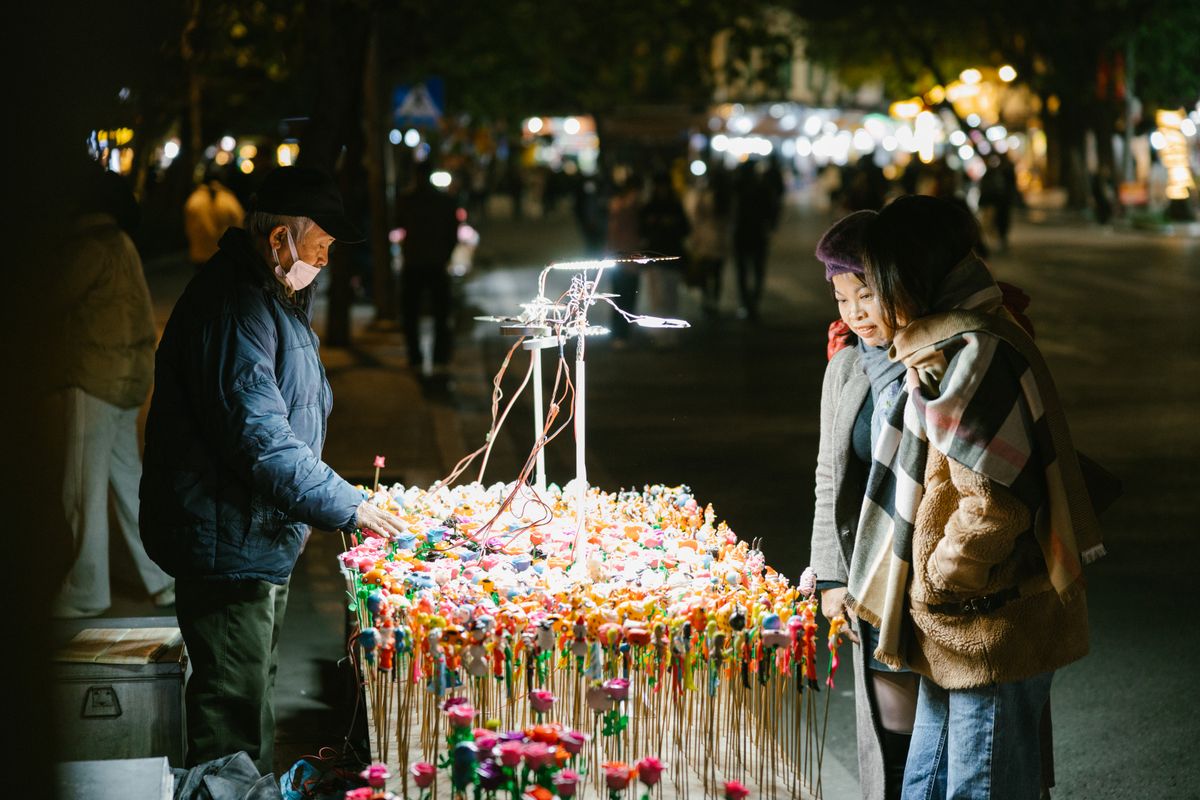
Seomun Market has been one of Korea’s great traditional markets for centuries, but it is the night market that steals the show. As the sun drops, dozens of food stalls fire up along the covered lanes, serving everything from grilled skewers and Korean-Chinese dumplings to makchang (grilled beef intestine, a Daegu specialty) and towers of hotteok. Come hungry, bring cash, and just follow the smell and the crowds – it is the single best introduction to how Daegu eats.
Ride the Cable Car up Apsan
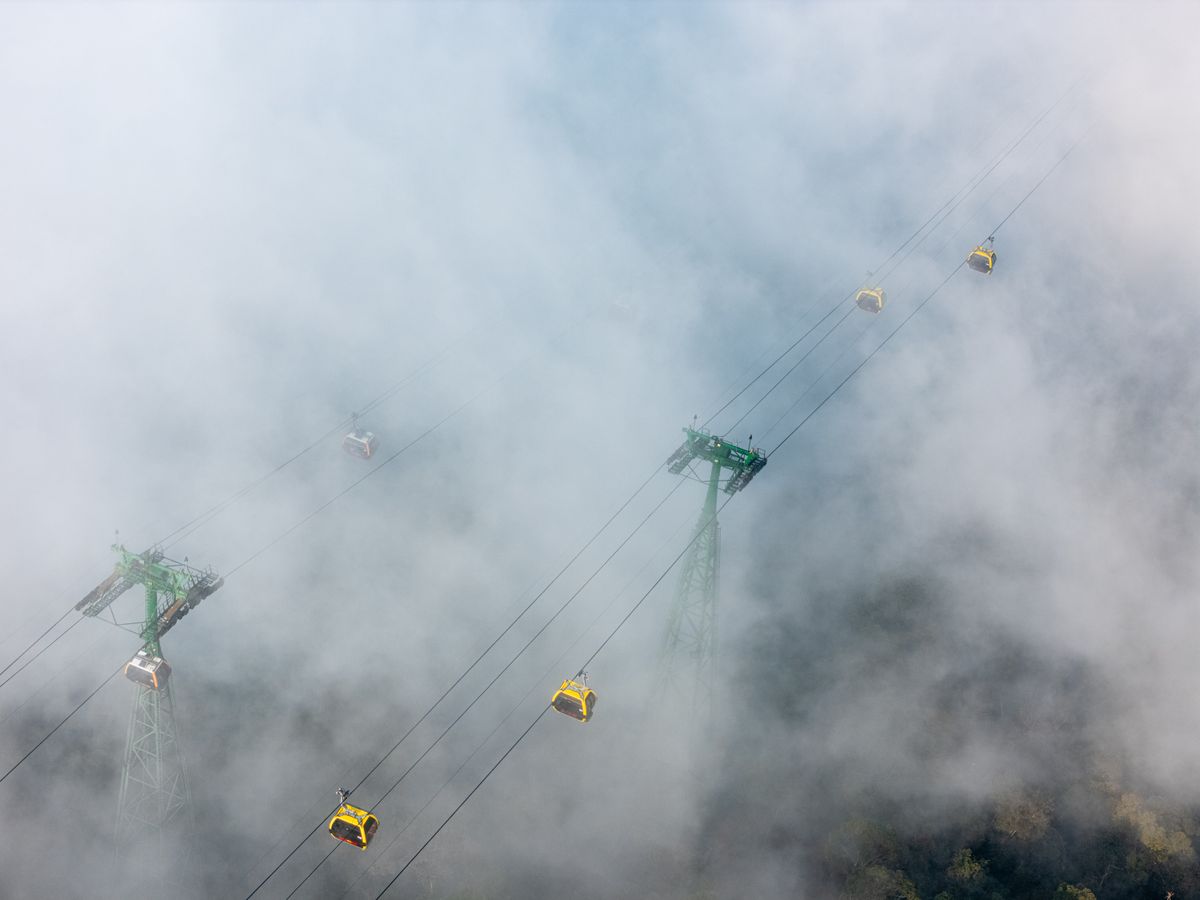
Apsan is the mountain that frames the city’s southern edge, and a short cable car ride carries you up to an observatory with a sweeping view over the whole Daegu basin – especially good at sunset and after dark, when the city lights fill the valley. There are hiking trails, a quiet temple or two, and a war memorial hall near the base if you want to make an afternoon of it. It is the classic way to get your bearings on the city’s geography.
Smell History at Yangnyeongsi Herbal Medicine Market
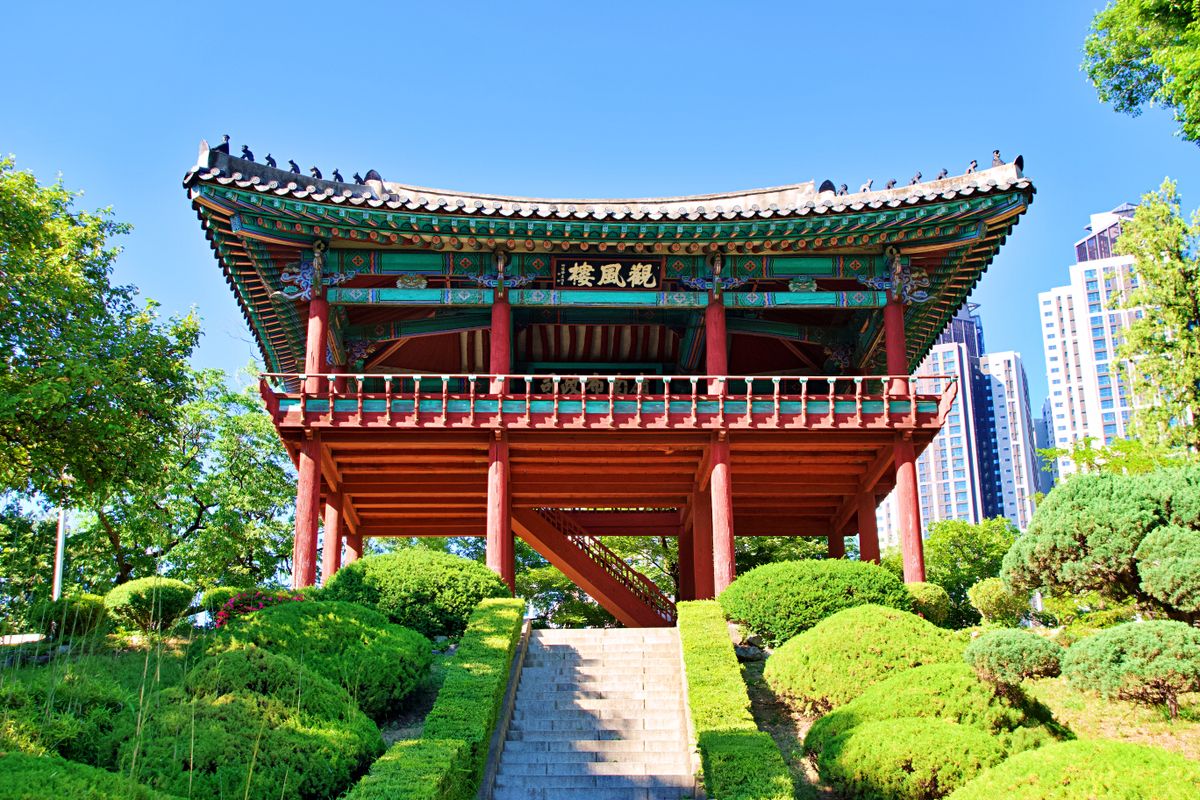
Daegu’s Yangnyeongsi is the oldest traditional Korean medicine market in the country, dating back to the 17th century, and walking its lanes is a full-on sensory experience – the air is thick with the scent of dried roots, ginseng, and herbs. A small, well-done museum explains the history of Oriental medicine and lets you try compounding your own tea sachet. It is a genuinely distinctive stop you will not find in Seoul or Busan.
Walk the ModHistory Alleys (Kim Kwang-seok Street & Cheongna Hill)
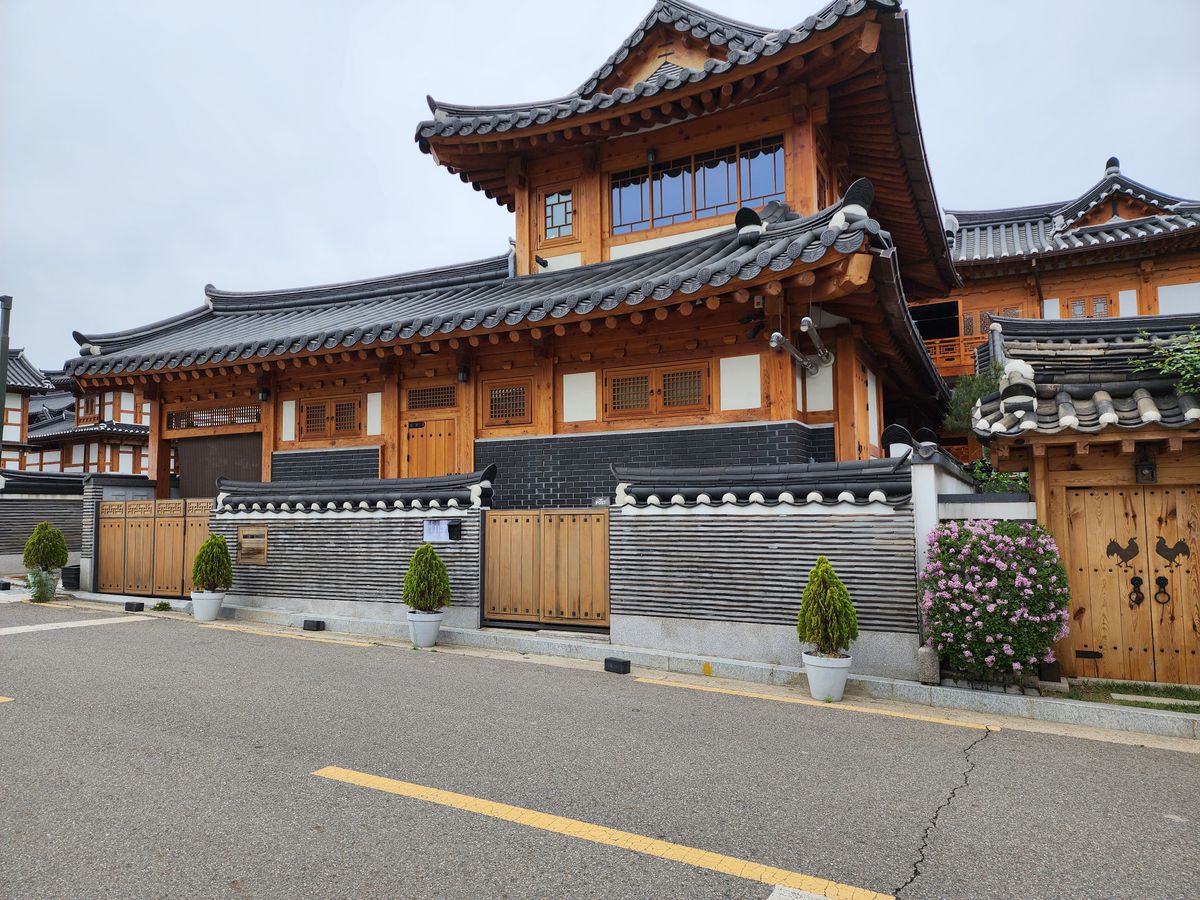
Downtown Daegu hides a surprising layer of early-20th-century history. The Daegu Modern History walking route links red-brick missionary houses on Cheongna Hill, one of Korea’s oldest churches, and narrow lanes once used by independence activists. Nearby, Kim Kwang-seok Street is a mural-lined alley honoring the beloved folk singer, full of cafes and music – a lovely, low-key place to slow down for an hour.
Cool Off in Colorful Kim Gwangseok and Suseong Lake
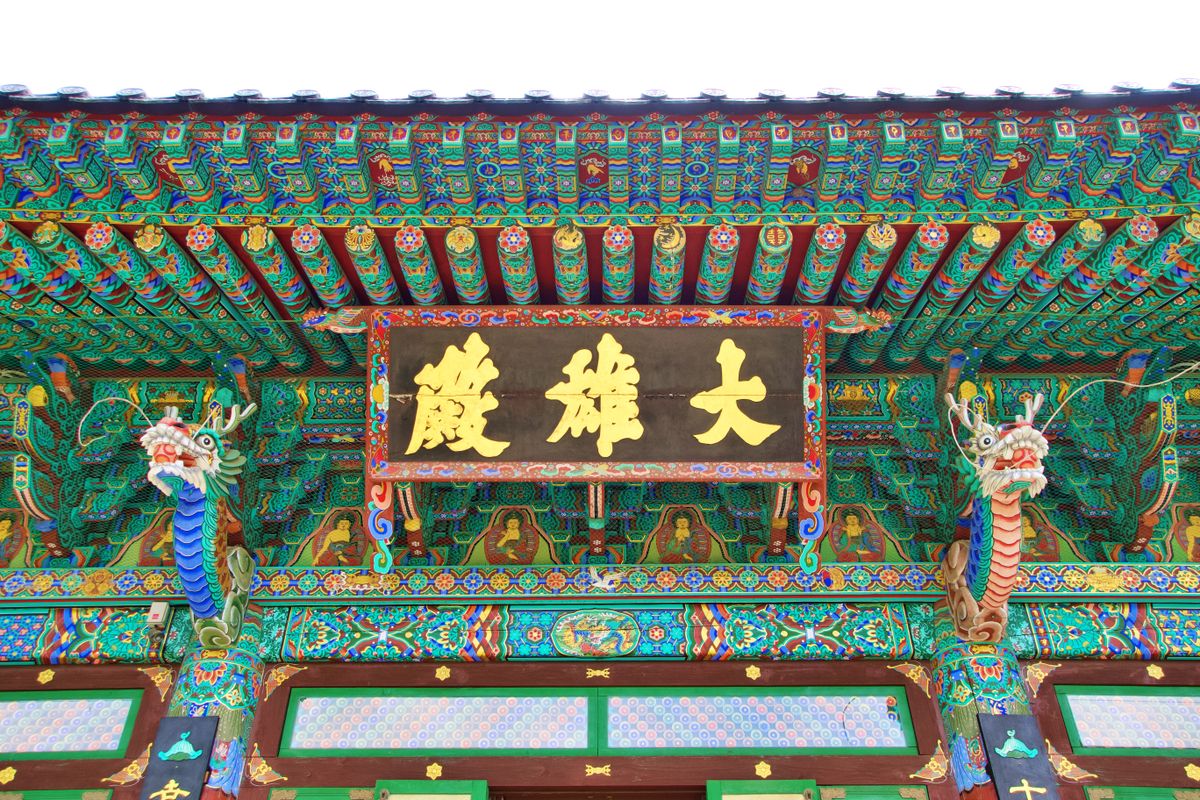
When the famous Daegu heat kicks in, locals head to Suseong Lake, a landscaped reservoir ringed by cafes, a musical fountain, and an evening promenade that comes alive after dark. Rent a swan boat, grab a coffee, and watch the light show – it is where the city relaxes on a summer evening and a nice counterpoint to the markets and mountains.
Take a Day Trip to Haeinsa Temple
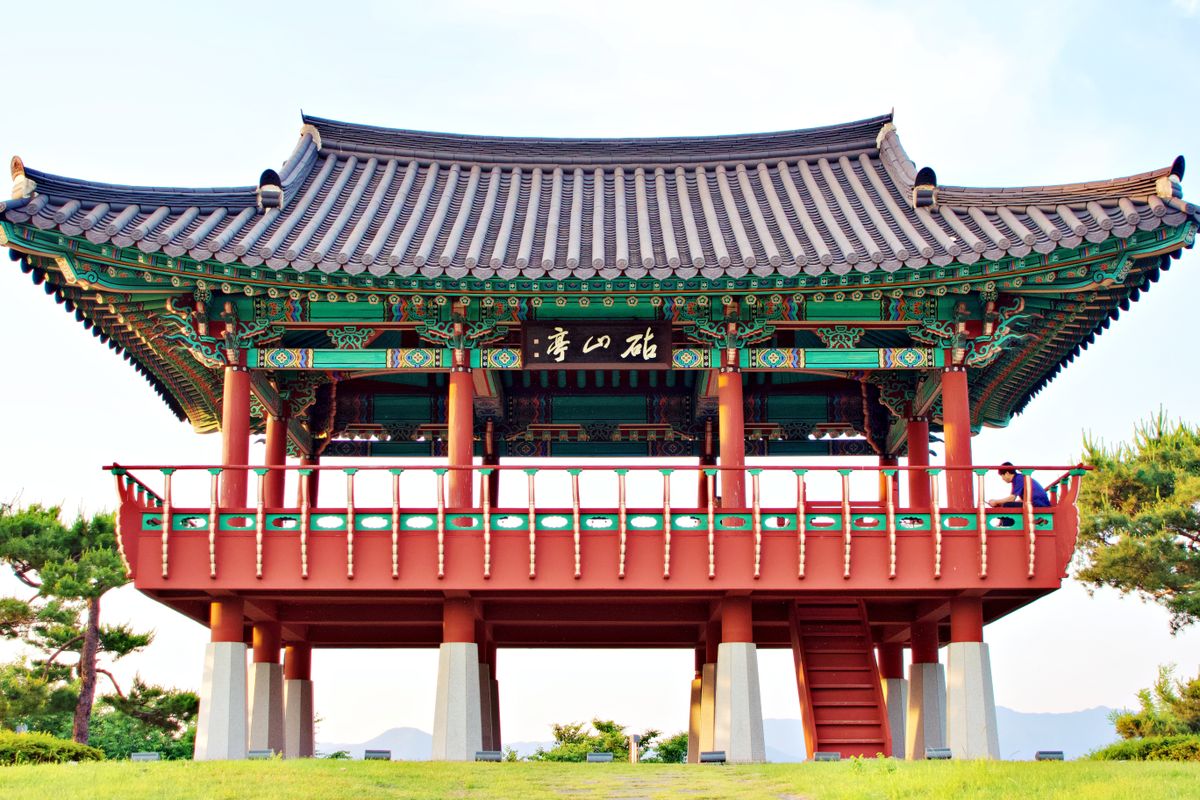
An hour west of the city, Haeinsa is one of Korea’s most important temples and a UNESCO World Heritage Site, home to the Tripitaka Koreana – more than 80,000 wooden printing blocks of the Buddhist canon, carved in the 13th century and astonishingly well preserved. Set deep in Gayasan National Park, the temple and its forested approach make one of the best half-day escapes from Daegu.
Book a Guided Tour or Day Trip
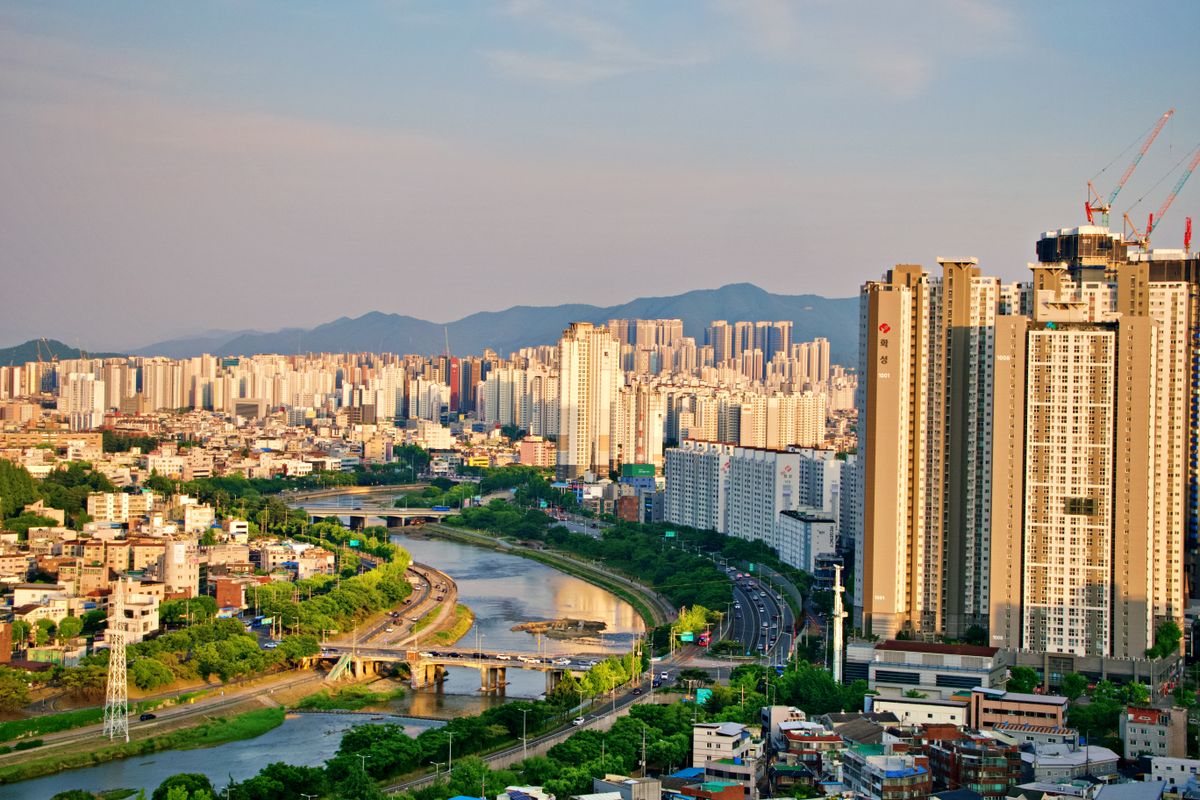
Daegu rewards a bit of local knowledge – the medicine market, the modern-history alleys, and the food specialties all come with stories that are easy to miss on your own. A guided city walk or a day trip out to Haeinsa handles the logistics and timing, and a good guide will steer you to the makchang joints and market stalls locals actually favor.
Check current prices and book Daegu tickets, tours and Haeinsa day trips on Klook:
See Daegu tickets & tours on Klook →
Where to Stay in Daegu
Picking the right base makes the city easy to work.
Around Dongseong-ro and downtown puts you in the middle of the shopping, the night-food alleys, and the modern-history walking route, with a wide range of hotels within stumbling distance of Seomun Market and the subway.
Near Dongdaegu Station is the smart choice if you are hopping in by KTX from Seoul or Busan, with modern hotels right by the train and express-bus terminals and a quick subway ride into the center.
What to Pack
Daegu is a walking-and-market city with famously hot, humid summers, so light, breathable clothing and comfortable shoes are essential. Korea runs on 220V Type C/F outlets, so bring a universal travel adapter to keep your phone and camera charged through long days at the markets and up on Apsan. And because you will be out from the herbal market to the night stalls with few chances to plug in, a slim power bank keeps your maps and camera alive right through the evening food crawl.
Getting Around
Daegu is easy to reach – the KTX from Seoul takes under two hours into Dongdaegu Station, and Busan is less than an hour away. In the city, a clean three-line subway plus the T-money card covers most of what you will want, from Seomun Market to Suseong Lake, and downtown itself is very walkable. For Haeinsa and the mountains, buses or a guided day trip are the simplest way to go. One full day covers the highlights; two lets you add a temple escape.
Related Guides
FAQ
What are the best things to do in Daegu for first-time visitors in 2026?
Popular highlights include Kim Kwang-seok Street, the Seomun Night Market, Apsan Park and its cable car for city views, Dongseongno shopping district, and the historic Daegu Modern Culture Alley walking route. For current opening hours, admission fees, and any seasonal closures, check each attraction’s official site before you go, as these details are not confirmed here.
How do I get around Daegu using public transport?
Daegu has a subway network (Lines 1, 2, and 3) plus city buses that connect most major attractions, and a rechargeable transit card can be used across both. Exact fares, operating hours, and route maps should be verified on the official Daegu Metropolitan Transit Corporation site, as those figures are not confirmed in the sources provided.
When is the best time to visit Daegu, and are there major festivals?
Spring and autumn generally offer the most comfortable weather for sightseeing, while summer in Daegu is known for being especially hot. The city hosts events such as the Daegu Chimac (chicken and beer) Festival, but exact 2026 dates, venues, and ticketing should be confirmed on the official festival or Daegu tourism website before planning your trip.
🎟️ Book Tours, Activities & Food Experiences
Search and book top attractions, tours and food experiences on Klook — official best price, instant confirmation.
Klook.com